Getting a Crab Orchard Refuge Hunt Permit
It's incredibly frustrating when you're itching to explore a new hunting area, especially one known for its incredible game, only to hit a wall of permits and unfamiliar regulations. You hear whispers about places like Crab Orchard National Wildlife Refuge, a true gem in Southern Illinois, but the thought of navigating its specific entry requirements can feel overwhelming. Don't worry, you're not alone in feeling a bit lost. This guide is here to demystify the process, walking you through everything you need to know about securing a hunt permit for Crab Orchard NWR so you can finally experience its unique hunting opportunities.
What is Crab Orchard National Wildlife Refuge and Why Hunt There?
Crab Orchard National Wildlife Refuge is more than just a place; it's an experience. Located in Williamson County, just east of Carbondale, this sprawling federal refuge is a diverse tapestry of forests, wetlands, grasslands, and even a large lake, all managed for the benefit of wildlife and public recreation. It's a prime destination for hunters in Illinois, offering a unique blend of challenging terrain and abundant game, but its federal designation means a specific set of rules that differ from state-managed lands.
A Unique Habitat in Southern Illinois
Unlike many areas of Illinois dominated by endless farm fields, Crab Orchard NWR offers a rich mosaic of habitats that attract and hold a wide variety of game. You've got dense hardwood forests, perfect for whitetails seeking cover and mast crops, interspersed with open grasslands that benefit pheasants and rabbits. The extensive wetlands and the 7,000-acre Crab Orchard Lake itself are huge draws for migratory waterfowl, making it a critical stopover on the Mississippi Flyway. This diverse landscape isn't just scenic; it creates incredible opportunities for hunters willing to put in the effort to understand and adapt to its unique conditions. Knowing the lay of the land, whether it's the timbered hills or the sloughs, is crucial, and mapping tools like onX Hunt can be incredibly valuable for understanding the refuge boundaries and habitat types before you even apply for a permit.
Target Species and Hunting Opportunities
When people talk about hunting Crab Orchard NWR, a few species immediately come to mind. Deer hunting, particularly for white-tailed deer, is a major draw. The refuge's varied cover and food sources help sustain a healthy deer herd, and patient hunters can find some fantastic opportunities. You'll find regulations often align with general statewide seasons, but specific dates and permit types for the refuge will always have their own nuances. Illinois Deer Season Structure Explained is a good starting point for general seasons, but remember, Crab Orchard has its own layer of complexity.
Waterfowl hunting is another huge attraction, with ducks and geese flocking to the lake and its surrounding wetlands. Imagine crisp fall mornings, decoys spread across a marsh, and the sound of wings overhead—it's truly a duck hunter's paradise, but again, permits are the gatekeepers. Beyond deer and waterfowl, the refuge also offers opportunities for squirrel, rabbit, and sometimes even turkey hunting, depending on the specific regulations for the year. It’s definitely not a place you just show up to with your gun; careful planning and permit acquisition are paramount. You can find general information on waterfowl movements in Illinois Waterfowl Zones and Seasons but expect special regulations within the refuge itself.
Understanding the Permit System at Crab Orchard NWR
The federal government manages National Wildlife Refuges with a dual mission: wildlife conservation and public recreation. This means that while hunting is a cherished tradition and a vital management tool, it's also carefully regulated to prevent overuse and ensure sustainable populations. This is why a permit system is in place at Crab Orchard, designed to control hunter numbers and distribute pressure across the landscape. It's a little more involved than just buying a state license, but for the quality of hunting it can provide, it's often well worth the extra steps.
Quota Hunts vs. Open Access Areas
One of the most important distinctions to grasp about hunting at Crab Orchard NWR is the difference between "quota hunts" and areas that might have more "open access." Many of the prime hunting opportunities for deer, turkey, and especially waterfowl, are managed through a quota system. This means only a limited number of hunters are allowed into specific zones during specific periods. These permits are usually allocated through a lottery or drawing system, making them highly competitive. It's not uncommon for hunters to apply year after year, hoping to draw that coveted tag.
On the other hand, some areas within the refuge, or for certain species like small game, might operate under a more open access model, requiring a basic refuge permit or adherence to state seasons without a specific draw. This often applies to less-pressured species or areas that can sustain higher hunter numbers. Always, always, always check the current year's hunting regulations booklet specifically for Crab Orchard NWR. This booklet is your bible for understanding what's quota, what's open, and what paperwork you'll need. Think of it like a specialized addendum to your standard Illinois Hunting Licenses and What They Cost.
Key Permit Types and Deadlines
The types of permits you'll encounter at Crab Orchard generally fall into a few categories:
- Deer Hunting Permits: These are often the most sought-after and are typically allocated through a lottery for specific seasons (archery, firearm, muzzleloader) and management units within the refuge. Non-resident hunters often face even tighter restrictions and different fee structures.
- Waterfowl Hunting Permits: Many of the designated waterfowl hunting areas, particularly blinds or specific pools, are part of a drawing system. You might apply for a specific hunt date or period.
- General Refuge Hunting Permits: Some activities, even if not part of a lottery, might require you to purchase a general refuge permit in addition to your state licenses and stamps. This helps the refuge track usage and generate funds for habitat management.
Deadlines for these permits are absolutely critical. Missing a deadline means missing your chance for the entire season, no exceptions. These deadlines can vary from year to year, but they are generally well in advance of the hunting season itself. For example, deer permit applications might open in late spring or early summer for fall hunts. Waterfowl drawings could be in late summer. It's vital to stay on top of the refuge's official announcements, often found on their website or in their annual hunting brochure. Tools like GoHunt can sometimes help consolidate information on various state and federal draws, but direct confirmation with the refuge is always best practice.
Here's a generalized table showing typical Crab Orchard NWR hunt types and what they usually entail:
| Hunt Type | Typical Permit Requirement | Application Method | Season Timing (General) | Notes |
|---|---|---|---|---|
| Deer (Firearm) | Refuge-specific permit (lottery draw) | Online application/mail-in | Fall (Nov/Dec) | Highly competitive, specific zones, limited hunter numbers |
| Deer (Archery) | Refuge-specific permit (lottery draw) | Online application/mail-in | Fall (Oct-Jan) | Less competitive than firearm, but still limited; specific zones |
| Deer (Muzzleloader) | Refuge-specific permit (lottery draw) | Online application/mail-in | Fall (Dec) | Often overlaps with statewide muzzleloader season |
| Waterfowl (Blind/Pool) | Refuge-specific permit (lottery draw) | Online application/mail-in | Fall/Winter (Oct-Jan) | Designated blinds or areas, specific hunt dates allocated |
| Small Game (Rabbit/Squirrel) | General Refuge Permit (check regulations) | Purchase over-the-counter/online | Fall/Winter | May have more open access but often requires a general refuge permit |
| Turkey (Spring) | Refuge-specific permit (lottery draw) | Online application/mail-in | Spring (Apr-May) | Limited availability, often highly desired |
Note: This table provides general information. Specific dates, fees, and requirements change annually. Always consult the official Crab Orchard NWR hunting regulations for the current season.
The Application Process: Step-by-Step for Crab Orchard Permits
Alright, so you've done your research, decided on the species you want to pursue, and you know about the permit type. Now comes the nitty-gritty: actually applying. It can seem daunting at first, especially if you're used to only dealing with state licenses, but breaking it down into steps makes it much more manageable. The key is patience, attention to detail, and a commitment to meeting those deadlines.
Navigating the Application Portal
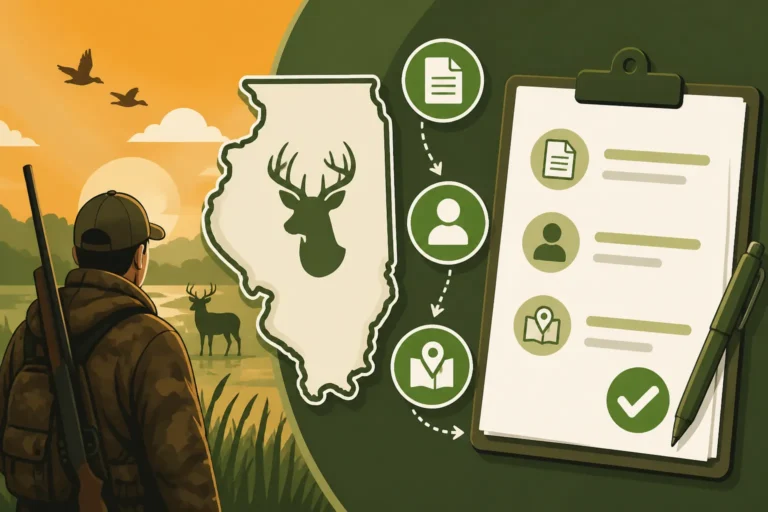
For many federal refuge hunts, the application process has moved largely online. This means you'll likely be directed to a specific federal permitting website or even a dedicated section on the Crab Orchard NWR's official page. Don't be surprised if it looks a little different from the Illinois DNR portal. These systems are designed for federal land management and might require you to create a new user account if you haven't applied for a federal hunt before.
Once you're in, you'll typically select the specific hunt you're interested in – perhaps a deer firearm hunt in Unit 1, or a waterfowl blind draw for the early season. Be absolutely meticulous in your selections. One wrong click could mean applying for the wrong season, the wrong species, or even an area you didn't intend to hunt. Double-check all dates and unit numbers. This is where pre-scouting with tools like onX Hunt, where you can identify specific refuge units, really pays off. You'll already have a mental map of where you want to apply based on your research.
Required Information and Documentation
As part of your application, you'll need to provide standard personal information: your name, address, contact details, and sometimes your hunter education certificate number. You’ll also need your current valid Illinois hunting license number and any relevant state stamps (like a habitat stamp or federal duck stamp if applying for waterfowl). For non-residents, the requirements can be a bit more involved, so make sure you check the specific non-resident rules for both Illinois and the refuge. Illinois Nonresident License Options can give you a starting point for state licenses.
Be prepared for potential fees. There might be an application fee just to enter the lottery, and then a separate permit fee if you are successfully drawn. These fees contribute to the management and upkeep of the refuge, ensuring these hunting opportunities continue for future generations. Payment is almost always required online via credit card. Keep a record of your application confirmation number and any payment receipts. It's your proof that you've entered the draw, and you'll need it if there are any issues or questions later on. After you've applied, it's a waiting game, and results are typically posted or emailed by a specified date.
Maximizing Your Chances and What to Expect
Let's be realistic: drawing a permit for some of the prime hunts at Crab Orchard NWR can be tough. It's popular for a reason! However, there are definitely steps you can take to improve your odds and, once successful, ensure you have the best possible hunting experience. It's about preparation, research, and having realistic expectations.
Scouting and Research Before Applying
This is perhaps the most crucial step you can take. Don't just apply blindly! Before the season even begins, before you even hit "submit" on that application, get to know the refuge. While you might not know exactly which zone you'll draw for a quota hunt, understanding the overall terrain, access points, and general game movement within Crab Orchard NWR is invaluable. This means pouring over maps, reading refuge-specific hunting regulations, and if possible, making an off-season scouting trip.
Use tools like onX Hunt to study aerial imagery, topography, and public land boundaries. Look for natural funnels, bedding areas, and potential food sources within the various units of the refuge. Identify potential parking areas and access points. Understand how the different habitat types (timber, fields, wetlands) transition. Even if you don't draw the exact spot you scouted, this knowledge builds a critical foundation for when you eventually do get a permit. You might also want to read up on Scouting Illinois Public Land Before Season to brush up on general tactics that apply to any large public area. For waterfowl, understanding historical water levels and flight patterns will also be key.
Preparing for Your Hunt Day
If you're lucky enough to draw a permit, the real work begins. First, make sure you understand every single detail of your permit: the specific dates, the exact zone or blind you're assigned, any specific rules regarding weapon type, bag limits, and checking procedures. Federal regulations can be stricter than state rules, especially regarding things like lead shot for waterfowl or specific types of ammunition for deer.
Always have your permit, state licenses, and photo ID with you. Familiarize yourself with the refuge's check-in and check-out procedures, which are often mandatory. If it's a waterfowl hunt, know the rules for decoy limits, boat restrictions, and blind maintenance. For deer, understand any antler point restrictions or antlerless permit requirements. Public land, especially a federal refuge, often sees significant hunting pressure. While a quota hunt limits hunters in a specific area, other open access areas can still be crowded. Being prepared, arriving early, and practicing good hunter ethics are paramount. Remember, you're a guest on federal land, and respecting the resource and other users is key. Tools like GoHunt can help you manage your hunting calendar and remind you of key dates once you secure your permit.
Finally, always be ready for the unexpected. Weather can change quickly in Southern Illinois, especially during fall and winter hunting seasons. Pack extra layers, plenty of water, and emergency supplies. Be prepared for a long haul, potentially tracking game across rugged terrain, or sitting in a blind for hours in cold, wet conditions. Hunting Crab Orchard NWR is an adventure, and a well-prepared hunter is a successful and safe hunter. Dragging a Deer Out of a River Bottom or Blood Trailing After Dark in Illinois are good resources to consider if you're pursuing deer in dense cover or late in the day within the refuge.
Disclaimer
This article is for general informational purposes only and does not constitute professional advice. Laws, prices and regulations vary by location and change over time. Consult a qualified professional for guidance on your specific situation.