Dragging a Deer Out of a River Bottom
There are few moments in hunting as exhilarating as the instant you realize your shot was true and a magnificent Illinois whitetail has dropped. But that joy can quickly turn into a sinking feeling when you realize that trophy buck decided to expire in the deepest, nastiest, most impenetrable river bottom you’ve ever seen. The thought of dragging a deer out of that kind of terrain can be daunting, even for seasoned hunters. This guide will walk you through practical strategies, essential gear, and crucial safety tips to help you successfully recover your harvest from Illinois's challenging river bottoms.
Assessing the Situation and Planning Your Extraction
The first few minutes after a successful shot are critical, not just for celebrating, but for intelligently planning your deer recovery, especially when it's lying in a notoriously difficult river bottom. Don't let the adrenaline override your common sense. Taking a moment to breathe, assess, and strategize can save you hours of effort and a lot of heartache.
The Initial Reaction and Safety First
It's natural to feel an incredible rush when you find your deer. You’ve put in the time, honed your skills, and finally, it's paid off. But that elation needs to be tempered with a healthy dose of caution, especially when you're looking at a recovery from a swampy river bottom. These areas, while often excellent for deer, are also notorious for hidden dangers. You might be facing slippery, steep banks, sudden drops into deep mud, unseen water channels, or dense, thorny thickets that can quickly turn a retrieval into a survival situation.
Before you even think about putting hands on the deer, take a moment to absorb your surroundings. Look for potential hazards like unstable ground, fast-moving water, or areas where you could easily slip and fall. If it's getting dark, getting lost in such terrain is a very real possibility. Mark the deer’s exact location with your GPS or a prominent landmark. Safety is always paramount; a trophy isn't worth an injury. Consider your route carefully; don’t just charge in.
Topographical Reconnaissance and Route Planning
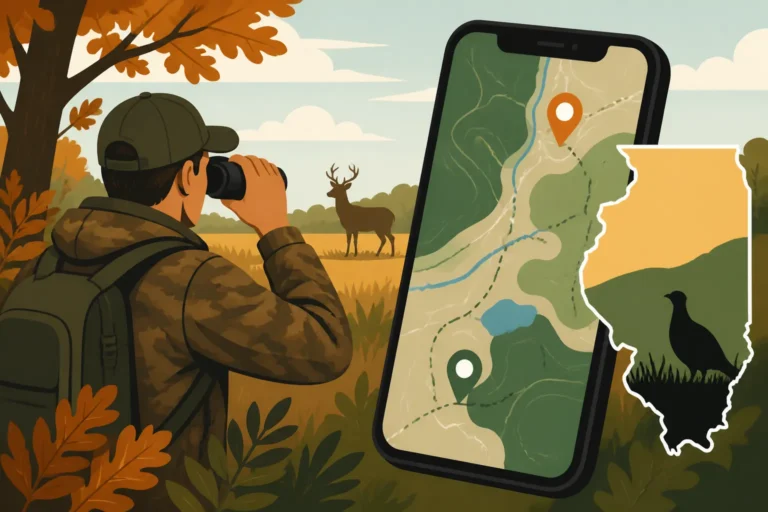
Once you've ensured your immediate safety, it's time to become a cartographer. Pull out your mapping app, like GoHunt, or a physical map if you still carry one, and really study the topography. Your goal is to identify the path of least resistance from the deer to your chosen extraction point. This isn’t always the shortest route; sometimes, a slightly longer path that avoids a steep bluff or a mucky slough will save you immense effort. Look for natural ramps along creek banks, subtle rises in elevation that might mean firmer ground, or game trails that could provide a clearer, less obstructed path.
Consider where you can get a vehicle, ATV, or even a UTV close enough to minimize the drag. Sometimes, finding an old logging road or a dry creek bed can be a lifesaver. You might be surprised what you can find by spending an extra 10-15 minutes carefully scrutinizing aerial photos and topo lines. Pay attention to contour lines indicating elevation changes and look for breaks in thick cover. If you're on public land, remember that vehicle rules are often restrictive, so confirm your options beforehand. Knowing the lay of the land can be the difference between a few hours of hard work and an all-day epic battle.
Calling for Backup and Essential Gear
Let’s be honest: dragging a mature Illinois whitetail out of a river bottom solo is a monumental task, often bordering on impossible without significant exertion or specialized tools. Don't be too proud to call for backup. A couple of extra hands can make a world of difference, especially when navigating tricky terrain. If you know you're hunting in particularly gnarly spots, it's wise to have a recovery plan with a buddy even before you head out.
Beyond human power, having the right gear is non-negotiable. A good quality drag rope or a deer harness is essential. These distribute the weight better and make pulling much more efficient than just grabbing an antler. A sturdy game cart, if the terrain permits, can be a godsend, though many river bottoms are too rough or muddy for them. A sharp knife for field dressing (to lighten the load) is critical. Always carry a headlamp, even if you start hunting well before dusk, as recoveries often extend into the dark, especially when you’re Blood Trailing After Dark in Illinois. Water, snacks, extra layers of clothing, and a basic first-aid kit are also smart additions to your pack. For those really deep mud or water crossings, a pair of hip waders could save your day, and your boots.
Techniques for River Bottom Deer Recovery
Once you’ve assessed the situation, made your calls, and gathered your gear, it’s time to get down to business. River bottoms present unique challenges, and having a few techniques up your sleeve can make all the difference in a successful and efficient recovery.
Solo Strategies for Challenging Terrain
While having help is ideal, sometimes you find yourself alone with a downed deer in a less-than-ideal spot. This is where strategic thinking and smart techniques truly come into play. Your first consideration should be reducing weight. Field dressing at the kill site is often the best initial step. Removing the internal organs can significantly lighten the load, sometimes by 30-50 pounds, making it much more manageable to move the animal. Be prepared for a mess, but the trade-off in easier dragging is usually worth it. If you're in a CWD county, ensure you handle the carcass responsibly and dispose of entrails at the kill site.
For truly solo endeavors, a heavy-duty sled or a durable tarp can be invaluable. Spread the tarp out, roll the deer onto it, and then bundle it up, using ropes to secure it. This creates a smoother surface to drag across uneven ground, reducing friction and preventing the deer's hide from snagging on every root and rock. The "gutless method" – carefully quartering the deer and removing the backstraps, tenderloins, and leg meat without opening the body cavity – is an extreme but effective option for those truly impossible retrieves or when you need to pack the meat out on your back, perhaps from a remote part of Shawnee National Forest. It's not for the faint of heart, but it ensures you get the valuable meat out. When navigating thick brush, remember to take short, controlled drags, re-orienting the deer as needed to avoid getting hung up.
Teamwork Makes the Dream Work
When you have one or more hunting partners, the recovery becomes much more manageable, even in the toughest river bottom. Communication is key. Before you start pulling, discuss the route you scouted with your team. Identify who will be pulling from the front, who will be pushing or guiding from behind, and who will be watching for obstacles. A common and highly effective method is to use multiple ropes attached to the deer, allowing two or more people to pull in tandem from different angles. This distributes the effort and prevents one person from getting completely exhausted.
If you're dealing with very heavy deer or particularly difficult mud, a "human chain" can be effective. One person pulls, and another stands behind them, grabbing their belt or shoulders to add more power. When encountering steep banks or obstacles like fallen trees, ropes become your best friend. Secure a rope to the deer and have one person guide it while others pull from a higher, more stable position. For really slick areas, having one person scout just ahead, kicking away loose debris or indicating firmer footing, can prevent slips and falls. This kind of coordinated effort can make what seems like an impossible task become surprisingly achievable. You might find yourselves reenacting a mini Deer Drives With Three or Four Hunters, albeit a slower, more deliberate one focused on extraction!
Navigating Water and Mud
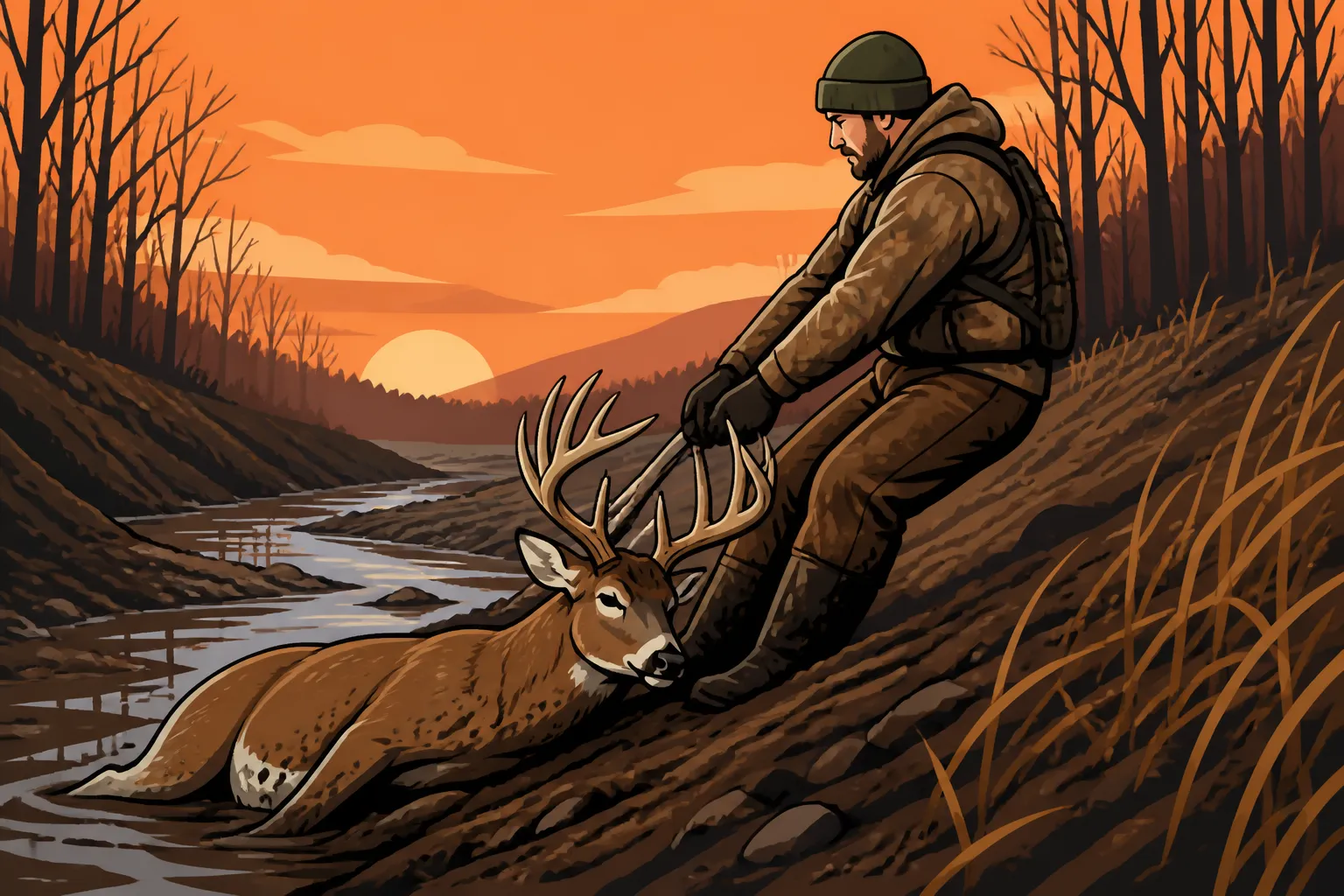
River bottoms are defined by their proximity to water, and with water comes mud, sloughs, and sometimes even significant stream crossings. Navigating these elements with a heavy deer can be the most challenging part of the recovery. For shallow water crossings, try to keep the deer's head above water to minimize water absorption into the carcass and to keep the drag rope clear. If the water is deep enough to submerge the deer, and you're lucky enough to have a small boat or canoe handy, that's often the easiest solution. Otherwise, you'll need to secure the deer tightly and carefully pull it across, making sure to avoid strong currents or unstable banks.
Deep mud is a notorious deer-dragging nemesis. It can suck your boots off, exhaust you in minutes, and make every foot of progress feel like a mile. When faced with thick mud, try to walk around it if at all possible, even if it adds some distance. If you must go through it, spread out your weight as much as possible, using branches or a drag pole as leverage. A wide, flat sled can help the deer glide over some of the softer mud more easily than a bare carcass. Be extremely cautious of quicksand-like mud, which can be deceptive and dangerous. If you start sinking rapidly, drop the deer, get yourself out, and reassess your path. After getting the deer out of the mud, try to quickly clean off as much of the sticky muck as possible to prevent it from contaminating the meat further.
Post-Recovery Care and Reporting
You’ve battled the elements, conquered the terrain, and finally, your hard-earned deer is out of the river bottom. While the most physically demanding part is over, there are still crucial steps to take to ensure your venison is high quality and you remain compliant with Illinois hunting regulations.
Immediate Care for Your Harvest
Once you've retrieved your deer from the river bottom, the race against time begins to properly cool the carcass, especially if the weather is warm. If you field dressed the deer at the kill site, good job, that's a big head start. Now, get it to a cooler environment as quickly as possible. This might mean laying it out in the shade, or, ideally, getting it into the bed of your truck or on a game carrier and heading straight to your processing location. If the deer is covered in mud from the extraction, take some time to rinse off major clumps and debris. You don't want that mud contaminating your meat during processing. A clean carcass means better-tasting venison.
Position the deer to allow for maximum airflow around the body. Spreading the cavity open with a stick can help. If you're heading straight to camp, consider Hanging a Stand on a Southern Illinois Ridge, and then getting the deer hung up quickly. The goal is to drop the internal temperature rapidly to prevent bacterial growth. Whether you're planning on Butchering a Deer at Camp yourself or taking it to a processor, prompt cooling is key to preserving the quality of your hard-earned meat.
Reporting Your Deer in Illinois
Illinois has strict reporting requirements for harvested deer, and it's your responsibility as a hunter to comply. Once your deer is safely out of the river bottom and on its way to being processed, remember to register your harvest. You can easily do this by Registering an Illinois Deer Online through the Illinois Department of Natural Resources (IDNR) website or by using their mobile app. The reporting typically needs to happen by 10 p.m. on the day of the harvest. This data is critical for wildlife management, helping biologists track deer populations and harvest trends across the state.
If you happen to be hunting in one of Illinois's Chronic Wasting Disease (CWD) counties, there are additional considerations. While mandatory testing has been scaled back in some areas, it’s always wise to be aware of the CWD status of the county you’re hunting in. The IDNR website provides resources for Finding an Illinois CWD Sampling Location, and if you’re concerned, or if it’s required, having your deer tested is a responsible practice that helps manage the spread of this disease. Always keep your permit and confirmation number handy until the process is complete.
Disclaimer
This guide is for informational purposes only. Hunting regulations, safety guidelines, and best practices can change. Always consult the latest official Illinois Department of Natural Resources (IDNR) regulations and guidelines before heading into the field. Ensure you are aware of all current laws and safety recommendations.