Sitting a Field Edge in Late Season
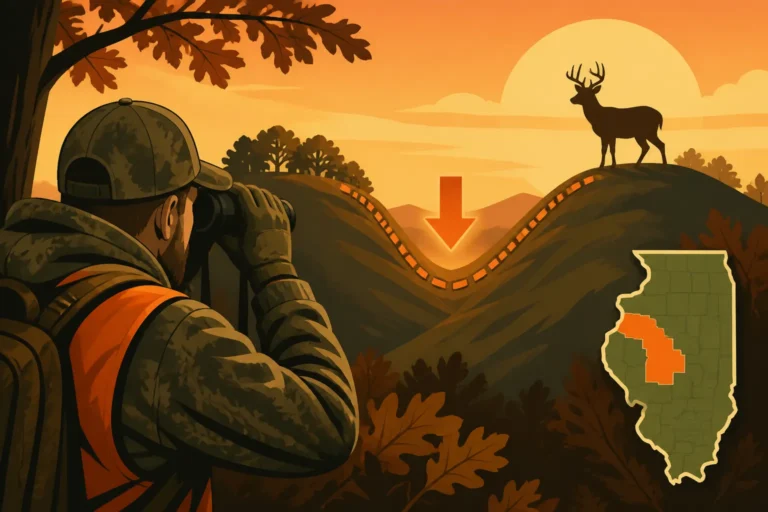
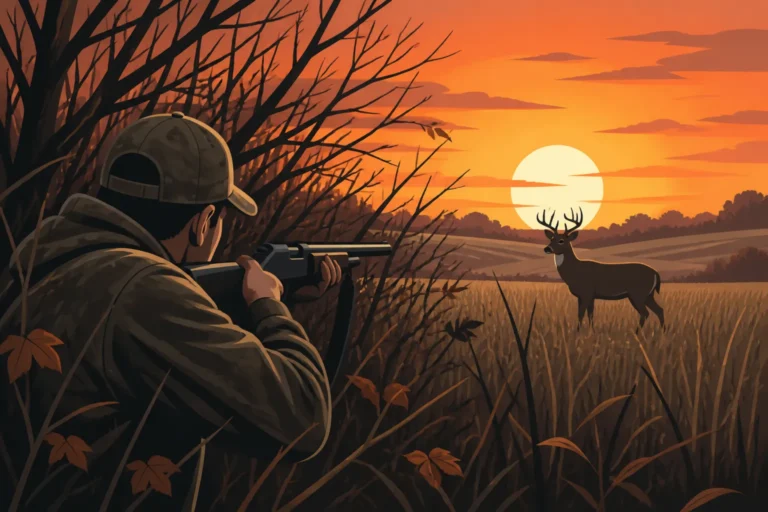
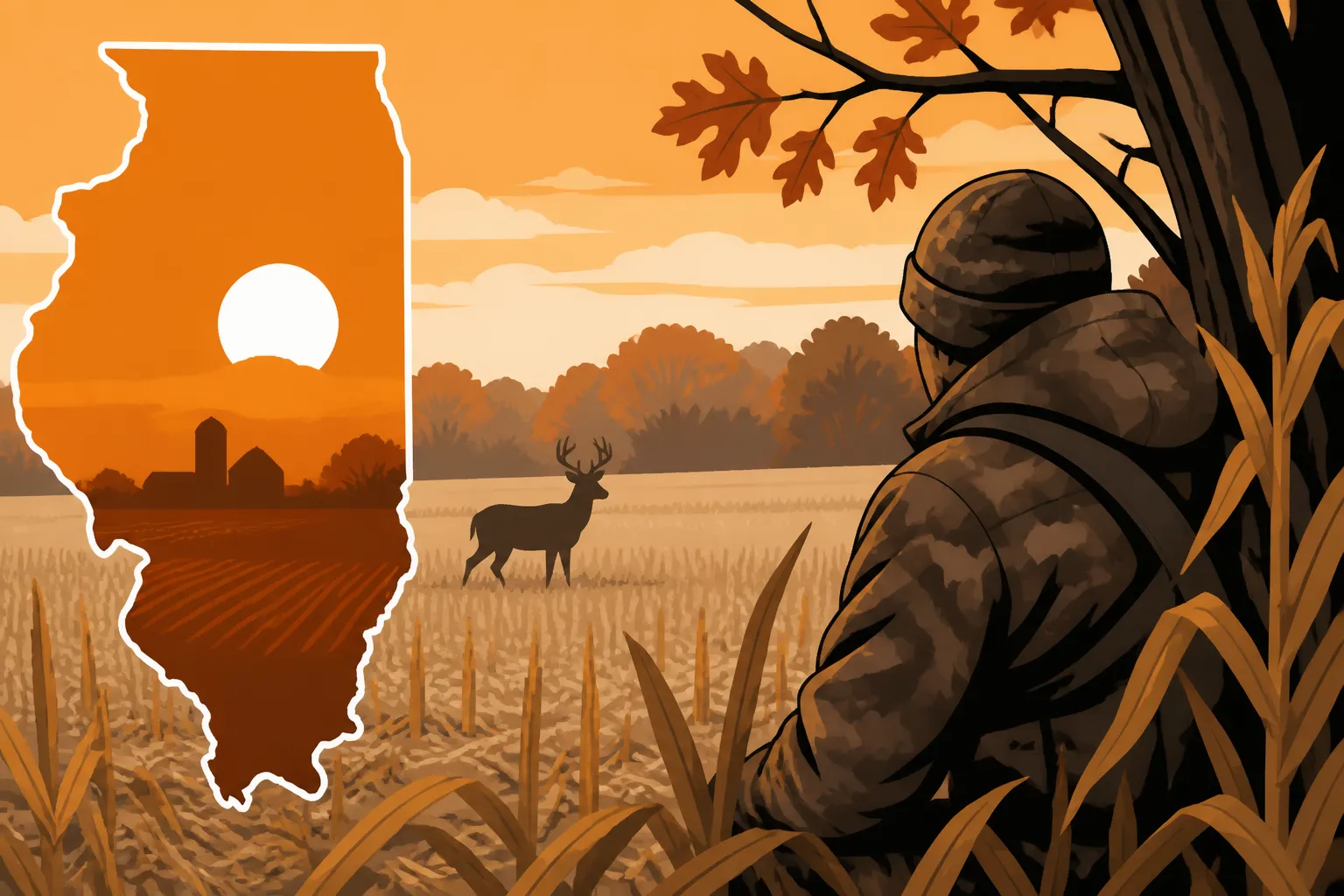
The late season in Illinois can be a brutal test of a hunter's resolve, especially when you're perched on a field edge, battling biting winds and rapidly dropping temperatures. It's a time when deer movement can seem unpredictable, food sources are scarce, and the cumulative pressure from earlier seasons has made deer incredibly wary. This guide aims to demystify late-season field edge hunting, offering practical strategies to help you connect with a deer when others have hung up their bows or rifles for the year.
Understanding Late-Season Deer Movement on Field Edges
Hunting the late season successfully on a field edge means shifting your mindset from early-season patterns. Deer aren't just browsing casually anymore; they're driven by a primal need for calories to survive the harsh Illinois winter. Their movements become far more predictable, but also far more sensitive to disturbance. It's a high-risk, high-reward game, and understanding their core motivations is your first step to success.
Primary Food Sources in Winter
When the leaves have fallen, and the fields are largely harvested, deer become acutely focused on remaining nutritional resources. Forget the lush green browse of early fall; now it's all about concentrated energy. The most crucial late-season food sources on Illinois field edges are typically standing corn or soybean fields that haven't been harvested, or cut fields where residual grains or beans remain on the ground. Acorns, especially white oaks, can still be a draw if there's any mast left and snow isn't too deep, but often by late season, the best acorn crops have been depleted.
Deer will spend significant time in these areas, often making a single, purposeful journey from bedding to feeding and back. They won't dally or meander much. This makes identifying the exact travel corridors bordering these fields absolutely critical. A quick scout, even a walk along the edges after a fresh snow, can reveal these specific pathways, often just inside the timber line or along fencerows. Pay close attention to any areas where farmers might have left standing crops, as these become undeniable magnets for every deer in the vicinity, creating prime opportunities for a late-season sit. You might also find them concentrating on small, persistent food plots of brassicas or winter wheat, especially on private land.
The Impact of Pressure and Weather
By late season, deer have run the gauntlet of archery, firearm, and muzzleloader seasons. They've heard calls, smelled human scent, and witnessed their comrades fall. This means they are incredibly educated and skittish. Hunting pressure forces deer into nocturnal patterns or compels them to use the densest, most difficult cover for their movements. You won't often see them feeding in broad daylight in the middle of a field unless conditions are extreme.
Weather, however, is your biggest ally. A significant cold front, especially one following a warm spell, can kick deer activity into overdrive. When temperatures plummet, and especially when a fresh blanket of snow arrives, deer must move to feed. They can't afford to be nocturnal when their caloric needs are so high. Similarly, high-pressure systems often correlate with increased daytime movement. Conversely, a warm, drizzly day might see them bedded down, conserving energy. Keep a keen eye on the forecast, as hunting after a cold front is often the most productive time during the late season. It's during these periods that deer will take calculated risks to fill their bellies.
Bedding to Feeding Patterns
Late-season deer, particularly mature bucks, establish very tight, efficient bedding-to-feeding routines. They'll bed in thick thermal cover—dense cedar thickets, south-facing slopes, downed timber, or even tall switchgrass fields—that offer protection from the wind and absorb what little sunlight is available. Their goal is to conserve energy and avoid human contact.
Their routes to prime food sources, like a standing soybean field, will be direct and follow the path of least resistance while maintaining maximum cover. These travel corridors are often just inside the timber line bordering a field, along creek bottoms that offer natural concealment, or through brushy fencerows. They will typically move during the last hour or two of daylight to the food, and then back to bedding at first light, or just after. Your stand placement needs to intercept them before they reach the open field and before they return to their bedding area. Understanding Where Shawnee National Forest Bucks Bed might provide insight, even if you're not in Shawnee, as the principles of thermal cover and security are universal. Using a tool like GoHunt can really help you identify these pockets of dense cover and potential travel routes on aerial maps, giving you an edge in pinpointing where those deer might be holed up.
Strategic Stand Placement and Setup
Once you've identified potential feeding areas and deduced likely travel corridors, the next challenge is placing your stand or blind in a way that allows for a shot opportunity without alerting these hyper-sensitive late-season deer. This requires meticulous attention to wind, access, and concealment.
Identifying Key Entry and Exit Points
Deer don't just magically appear on a field edge; they use specific funnels and pinch points to enter and exit. These might be a low spot in a fence, a narrow section of timber between two fields, a creek crossing, or a thick transition line where cover meets open ground. Often, these spots are chosen because they offer the quickest, most protected route to food. Your goal is to be within effective shooting range of these specific pathways.
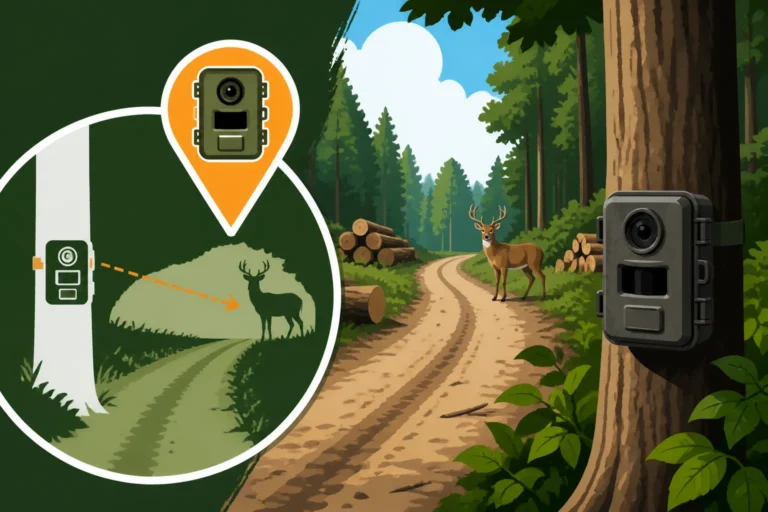
Scouting these entry/exit points should be done very minimally and cautiously, ideally from a distance or during midday when deer are bedded. Look for fresh tracks in the snow or mud, worn trails, and droppings. A great way to confirm these spots is to hang trail cameras well before the season, or if you're late-season scouting, use a camera that transmits images to your phone (if legal in Illinois). This minimizes human presence. Remember, these deer are running on edge, and one whiff of human scent or sight of a misplaced blind can ruin a week's worth of hunting. Consider how deer might use terrain features like small ridges or draws to mask their approach; your setup needs to anticipate this.
Optimizing for Wind Direction and Thermals
Wind is king in late-season hunting. With minimal foliage to break up scent, your scent cone will carry far and wide. You must hunt with a favorable wind, ideally one that blows your scent away from the anticipated deer travel route and feeding area. This often means having a few different stand options for different wind directions, or at least understanding when a particular stand is huntable. If you only have one great field edge spot, you might only get to hunt it a few times all season.
Thermals also play a significant role, especially in hilly or river bottom terrain. As the sun rises, warm air typically flows uphill, and as it sets, cool air drains downhill. This means your scent can be carried upward in the morning and downward in the evening. On a cold, high-pressure day, this effect can be very pronounced. A tool like GoHunt's mapping features often includes wind and thermal overlays, which can be invaluable for predicting how your scent will behave in specific terrain. Always consider how your scent will behave both on your approach and during your sit. Ignoring the wind in the late season is almost a guaranteed bust.
Ground Blinds vs. Treestands
Both ground blinds and treestands have their place on a late-season field edge, and the choice often comes down to the specific conditions and your hunting style.
- Ground Blinds: These can be fantastic for late-season hunting because they offer excellent concealment from weary deer and crucial protection from the elements. The ability to move slightly, stretch, and stay warm without being silhouetted is a huge advantage during long, cold sits. They also offer more flexibility if your access to good treestand trees is limited. When Brushing In a Blind on a Field Edge, ensure it blends perfectly with the surroundings and has been out for a while so deer are accustomed to it.
- Treestands: Treestands offer a higher vantage point, which can aid in spotting deer earlier and allows your scent to dissipate above a deer's nose, given the right wind. However, being exposed to the wind and cold for hours can be brutal. You need to be meticulously silent getting into and out of a stand, and any slight movement will be magnified. For a treestand to work well in late season, it needs to be placed high, tight to thick cover, and ideally have a natural backdrop.
| Feature | Ground Blind (Late Season) | Treestand (Late Season) |
|---|---|---|
| Concealment | Excellent; full enclosure, can be brushed in. | Good, but requires natural backdrop and minimal movement. |
| Comfort/Warmth | Superior; blocks wind, retains body heat, allows for heaters. | Poor; exposed to wind and cold, limited movement. |
| Scent Control | Good, if sealed well and positioned correctly. | Depends entirely on wind and thermals; scent rises. |
| Visibility | Limited angles, potential for blind spots. | Excellent panoramic view, can spot deer from afar. |
| Mobility | Less mobile; once set, often stays. | Highly mobile; can be moved to adjust to deer movement. |
| Setup Time | Can take time to brush in effectively. | Quick to hang, but finding the right tree can be a challenge. |
| Deer Acclimation | Benefits from being set up well in advance. | Can be hunted immediately if quietly hung. |
Regardless of your choice, setting up your stand or blind precisely is non-negotiable. Often, moving it just 10 or 20 yards can be the difference between seeing nothing and getting a shot opportunity. Pay attention to shooting lanes, making sure you have clear lines of sight through branches or brush for a clean shot.
Gear and Comfort for Frigid Field Edge Sits
The late season in Illinois often means single-digit temperatures, bitter winds, and sometimes snow. If you're going to sit for hours on a field edge, your comfort isn't just about enjoyment; it's about staying still, focused, and safe. Hypothermia is a real concern, and shivering uncontrollably won't help you make that crucial shot.
Layering for Extreme Cold
Effective layering is the bedrock of late-season hunting. Start with a moisture-wicking base layer against your skin—synthetics or merino wool are excellent choices. Avoid cotton at all costs, as it retains moisture and loses its insulating properties. Over your base layer, build with insulating mid-layers. Fleece, down, or synthetic puffy jackets and pants work well. On top, your outer layer needs to be windproof and waterproof (or at least highly water-resistant) to protect against the elements.
Remember to layer your extremities too. A good balaclava or neck gaiter, a warm hat that covers your ears, and multiple pairs of gloves (thin liners under thick insulated mittens or convertible mitts) are essential. For your feet, choose insulated, waterproof boots, and layer with wool or synthetic socks. Many veteran hunters will even wear insulated "boot blankets" over their boots once in the stand to provide an extra layer of warmth. For long sits, consider bringing chemical hand and foot warmers, placing them in key areas like pockets, gloves, and inside your boots. This Cold-Weather Sitting Strategy in Illinois will make a huge difference in your endurance.
Essential Accessories for Long Holds
Beyond your core clothing, several accessories can vastly improve your late-season field edge experience. A high-quality insulated seat cushion, even for treestands, helps prevent heat loss through your rear. A small, portable heater (like those offered by Mr. Heater) can transform a ground blind into a cozy hideout, but always ensure proper ventilation. A thermos full of hot coffee, tea, or soup is invaluable for morale and core temperature.
Don't forget optics. Binos are essential for scanning field edges and identifying deer at a distance, particularly in low light. A rangefinder is non-negotiable for confirming distances in open areas. A good headlight with a red-light option will protect your night vision during early morning entries or late-night exits. And seriously, pack snacks! High-energy bars, nuts, or even a sandwich can help sustain you and keep your metabolism working to generate warmth. GoHunt's gear guides often recommend specific cold-weather accessories that stand up to tough Illinois conditions.
Noise Reduction and Scent Control
With fewer leaves on the trees and often crunchy snow or frozen ground, noise becomes a critical factor. Every rustle of clothing, every squeak of a treestand, and every crunch underfoot can carry far in the still, cold air. Choose quiet fabrics for your outer layers, and practice moving slowly and deliberately. When setting up your stand or blind, eliminate any potential sources of noise. Lubricate treestand pivots, check for loose screws, and clear any branches or debris that might snag your bow or rifle.
Scent control is more important than ever. While no method is 100% foolproof, minimizing your scent signature is key. Shower with scent-free soap, wash hunting clothes in scent-free detergent, and store them in airtight containers or bags. Dress at your hunting location to avoid picking up car scents. Use scent elimination sprays on your boots and outer layers, and utilize natural cover scents if you feel they help. Even when walking to your stand, try to stay downwind of where you expect deer to be. The less evidence you leave, the higher your chances of getting a shot.
Execution and Patience: Maximizing Your Chances
You've done your scouting, prepped your gear, and understand deer behavior. Now comes the hard part: executing your plan and enduring the long, cold hours on stand. Late-season hunting demands a special kind of patience and mental toughness.
Minimizing Disturbance During Entry and Exit
This cannot be stressed enough: late-season deer are incredibly sensitive to intrusion. Your entry and exit routes to your field edge setup must be meticulously planned and executed. Always approach your stand or blind in the dark, well before first light, using a route that keeps you concealed and, most importantly, downwind of where you expect deer to be bedded or traveling. If you're walking through a field, stick to the edge or a ditch line. If using a logging road, be extremely quiet. For example, when looking at Entry Routes Through Standing Corn (if any is left), consider how you can use the corn itself for concealment.
The same applies to exiting. Do not exit your stand until well after legal shooting light, or even wait until full dark. If deer are feeding in the field, bumping them will educate them further and could ruin future hunts. It's often better to wait an extra hour in the cold than to blow out a prime feeding area. If you've shot a deer, be patient before tracking. Give it time, especially in cold weather, to ensure a clean recovery.
Understanding Peak Activity Times
While late-season deer movement is generally concentrated around dawn and dusk, there are nuances. The most intense feeding activity often occurs during the last 30 minutes to an hour of legal shooting light, as deer make their move from secure bedding areas to the fields. The first hour of daylight can also be productive as deer are still filtering back to bed.
However, a severe cold front, heavy snow, or even extreme wind can push deer to move and feed throughout the midday hours. If the weather is truly miserable, deer's need for calories might override their caution, leading to rare mid-morning or early afternoon sightings. This is why committing to an all-day sit, particularly on those brutal weather days, can occasionally pay off with a mature buck that no one else expects to see. GoHunt's weather prediction tools are excellent for identifying these key windows.
The Importance of Mental Fortitude
Let's be honest, sitting a field edge in the late season in Illinois is tough. It's cold, often boring, and you might go days without seeing a deer, let alone a shooter. This is where mental fortitude comes into play. You have to believe in your scouting, trust your setup, and remain focused and patient. Distractions, fidgeting, checking your phone, or giving up early are all common pitfalls.
Stay positive, visualize success, and remind yourself why you're out there. Every minute you spend on stand is a minute closer to that opportunity. Bring a book or listen to a podcast (on very low volume, with one earbud out) if you need to pass the time, but always be alert. The biggest, wariest deer often show up when you least expect them, and if you're not ready, you'll miss your chance. It takes a special kind of dedication to succeed during Hunting the Late-Season December Lull, but the rewards are often worth every frozen toe.
Disclaimer
Hunting is an inherently dangerous activity. Always prioritize safety, adhere to all Illinois hunting regulations, and ensure you have the proper licenses and permits before heading afield. The information provided here is for educational purposes and should not replace professional guidance or official Illinois Department of Natural Resources publications. Be aware of your surroundings and always know your target and what is beyond it.