Where Shawnee National Forest Bucks Bed
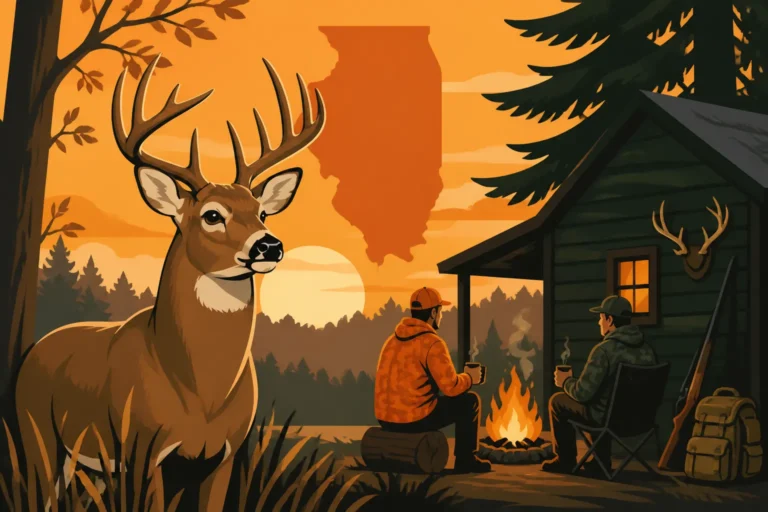
Finding where a mature buck beds down in the vastness of Illinois's Shawnee National Forest can feel like searching for a needle in a colossal haystack, especially with the region's rugged terrain and dense timber. It's a common frustration for hunters, whether you're a seasoned local or a nonresident trying to crack the code of these southern Illinois hills. This comprehensive guide will peel back the layers of a buck's bedding preferences in the Shawnee, helping you decipher their secret hideaways and improve your chances of a successful hunt.
Understanding Shawnee National Forest Terrain and Habitat
The Shawnee National Forest isn't your typical flat Illinois farmland hunting ground. This place is a whole different beast, with its unique topography profoundly influencing where a whitetail buck decides to rest and feel safe. If you want to understand deer here, you've got to understand the ground they live on.
Ridgelines and Southern Illinois Elevation Changes
One of the most defining characteristics of the Shawnee is its rolling hills, steep bluffs, and intricate network of ridges and draws. Bucks, especially the older, wiser ones, are masters of using this elevation to their advantage. They crave high ground for several critical reasons: visibility, thermal regulation, and escape routes. You'll often find them bedded just below a ridge crest on the leeward side, where they can watch their backtrail while the prevailing wind brings them scent from below. This gives them a 270-degree view and scent cone of danger approaching.
Think about a steep bluff that drops down into a creek bottom. A savvy buck might bed on a small bench or terrace halfway down that slope. This spot provides an elevated position to scan the bottomland, while the steep descent behind them makes an approach from above difficult for a predator (or a hunter!). These benches, often just a few yards wide, are prime bedding real estate. Learning to read these subtle terrain features is crucial when you're Reading a Ridge for Shawnee Forest Deer. Bucks also use saddles between ridges, though often as travel corridors, sometimes bedding very close to these routes if the cover is dense enough, allowing them to intercept does or escape quickly.
Thick Cover and Remote Sanctuaries
Beyond elevation, the density and type of cover are paramount. A buck needs to feel hidden, completely concealed from prying eyes. In the Shawnee, this means looking for areas that are difficult for humans to navigate or are simply overlooked due to their remoteness. We're talking about the nastiest, thorniest, most overgrown patches you can imagine.
Consider thick cedar thickets, often found clinging to rocky outcrops or in old field edges now reclaimed by nature. These evergreens provide year-round visual cover and thermal protection during brutal winter winds. Similarly, areas that have been recently clear-cut or timbered a few years back can offer incredibly dense young growth – briars, saplings, and brush that are almost impenetrable to a human, but a buck can sneak through with ease. Laurel patches, common in some parts of the Shawnee, also offer excellent, dense overhead and lateral cover. These spots become sanctuaries where deer can disappear, especially if they are far from main trails, roads, and other human activity. The deeper you go into these remote, overlooked corners, the higher your chances of finding undisturbed bedding.
Water Sources and Food Proximity
While security is paramount, a buck also needs easy access to life's necessities: water and food. They're not going to bed miles away from a drink or a meal unless absolutely necessary. Often, their bedding areas are strategically located within a short distance of these resources, minimizing their exposure to danger during travel.
Creek bottoms, natural springs, and even standing pools after a rain can all draw bucks to bed nearby. If you find a patch of thick cover close to a reliable water source, you might have a winner. Food sources in the Shawnee can vary wildly depending on the time of year. In the early season, mast crops like acorns (white oaks, then red oaks) are king. Later, browse, green briar, honeysuckle, or agricultural fields on adjacent private land become magnets. A buck might bed on a secluded knoll overlooking an acorn flat, or in a dense thicket just off a travel corridor leading to a soybean field. Understanding the seasonal food availability and overlaying that with dense cover and suitable terrain features is a powerful scouting technique. Remember, even in the biggest timber, deer are often surprisingly close to their food, making those transitions critical.
Key Bedding Indicators and Scouting Strategies
Identifying potential bedding areas is one thing; confirming a buck is actually using them is another. This is where diligent scouting and understanding the subtle clues bucks leave behind truly pay off. You're trying to piece together a puzzle, and every sign is a piece of that picture. For those looking to truly master the art of finding deer, consider taking some time for Scouting Illinois Public Land Before Season.
Reading the Land for Sign
When you're walking the woods, especially during the off-season or after a fresh snow, you need to have your eyes peeled for specific indicators. Big tracks are, of course, a dead giveaway. Look for tracks that are significantly larger than a doe's, with splayed toes indicating a heavier animal. Scrapes and rubs are also crucial, but context matters. A rub line leading into a thicket is far more significant than an isolated rub on a field edge. These can indicate a buck's travel path to and from a bedding area.
Well-worn trails, especially those that seem to lead into impenetrable cover, are another clue. Pay attention to how the trails are used. Are there large hoof prints interspersed with smaller ones, suggesting a dominant buck might be cruising that route? You might also find droppings or fresh urine near these trails. When scouting a specific area, move slowly, looking for these subtle details. A large, disturbed area of matted leaves or flattened grass in thick cover, especially with a fresh, earthy scent, could be a daybed that has been recently used. When you're trying to determine what kind of deer are using an area, it is critical to know what to look for when Finding Sign in Big Shawnee Forest Timber.
Using Mapping Tools and Aerial Imagery
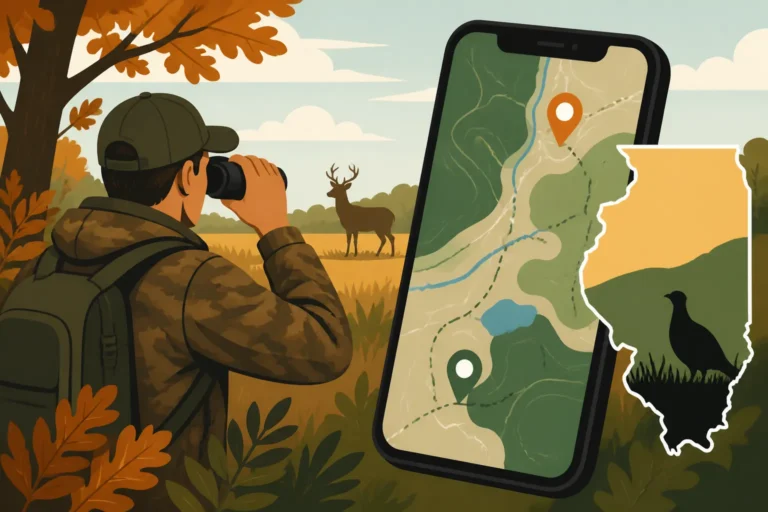
In today's hunting world, technology is your best friend for pre-season scouting. Gone are the days of relying solely on paper maps, though those still have their place. Modern mapping applications are invaluable for uncovering potential bedding locations without ever stepping foot in the woods. Platforms like GoHunt, OnX Hunt, or BaseMap allow you to analyze satellite imagery and topographic maps in incredible detail.
Start by identifying areas of dense, dark green cover on aerial photos – these are your potential thickets. Then, switch to the topographic view to identify ridgelines, benches, and draws within or adjacent to that thick cover. Look for those strategic spots just below a ridge crest, or a secluded flat on a steep slope. You can also identify potential travel corridors, such as narrow strips of timber connecting larger blocks, or pinch points along creek bottoms. By layering these data points, you can mark waypoints for promising bedding areas and plan your physical scouting trips more efficiently. This saves you countless hours of blindly walking through unproductive areas, allowing you to focus your boots-on-the-ground effort on high-potential zones.
Wind, Thermals, and Entry/Exit Routes
Understanding how bucks use wind and thermals for security is a game-changer. A mature buck will almost always bed in a position where the wind (or prevailing thermals) allows him to detect danger approaching from one direction, while his eyes and ears cover the other. In hilly terrain like the Shawnee, thermals – the movement of air as it warms and cools – are just as important as the wind.
In the morning, as the sun warms the earth, thermals rise, carrying scent uphill. A buck might bed high on a ridge, using the rising thermal to detect anything below him. In the evening, as the air cools, thermals drop, carrying scent downhill. He might then shift to a lower bedding area or simply rely on his eyes and ears for uphill security. Your approach to a bedding area must always account for these conditions. Never approach directly downwind or down-thermal of a buck's likely bedding spot. Instead, plan a quiet, circuitous route that keeps your scent out of the danger zone. Knowing how to predict and use Wind and Thermals on a Southern Illinois Ridge is critical to success in these hills. This is also where you'll identify likely escape routes a buck would use if pressured, giving you insight into where they might flee.
Seasonal Bedding Shifts and Pressure Impacts
Deer aren't robots; their bedding locations aren't static. They shift based on food availability, breeding activity, and perhaps most significantly, hunting pressure. Understanding these seasonal nuances is key to consistent success in the Shawnee.
Early Season and Pre-Rut Bedding
When archery season opens in Illinois, bucks are still largely in their summer patterns, transitioning into fall. Food is a primary driver. In the early season, you'll often find bucks bedding closer to abundant food sources like white oak flats, agricultural fields (if available nearby), or lush green briar patches. They're still focused on putting on weight before the rigors of the rut. Their bedding areas might be slightly less security-focused than later in the year, as human pressure is typically lower. They might utilize smaller, more isolated pockets of cover, perhaps even close to travel routes, as long as they feel safe.
As the pre-rut kicks in, typically late October, bucks become more active, sparring and making scrapes. Their bedding might shift slightly to areas that offer good vantage points for surveying their territory or intercepting does. They might begin to use thicker, more central cover, knowing that more human activity is coming. These areas could be near funnel points or transition lines between different habitat types, offering a quick escape if needed.
Rut and Post-Rut Bedding Behavior
During the peak of the rut, usually early November in Illinois, buck bedding behavior can become a bit more erratic. Bucks are on the move, chasing does relentlessly. They might bed down wherever they happen to be when they need a rest – sometimes in surprisingly open areas if they're completely exhausted. However, even during the rut, they will seek out good cover for resting between chases. Hunting the Rut in Early November involves understanding this frantic movement.
Look for bucks resting in thickets adjacent to known doe bedding areas or along primary travel corridors that does frequently use. They're still prioritizing security when they do stop, but their focus is split between safety and breeding. After the rut, in late November and early December, bucks are often worn out, sometimes having lost a significant percentage of their body weight. Their post-rut bedding will again emphasize recovery and safety. They'll retreat to the thickest, most secluded cover they can find, trying to minimize energy expenditure while seeking out any remaining food sources.
Late Season and Cold Weather Bedding
The late season in Illinois, especially when December rolls around and the muzzleloader season closes in, brings a whole new set of challenges and opportunities. Food sources become scarce, and cold weather forces deer to conserve energy. This is when bedding shifts dramatically, and finding Late-Season Food Sources for Illinois Whitetails becomes paramount.
Mature bucks will seek bedding areas that offer maximum thermal cover and easy access to whatever limited food is left. South-facing slopes are gold in the late season, as they catch the most sunlight, helping deer stay warm. Thick cedar groves, dense pines (if present), or deep, sheltered creek bottoms provide protection from bitter winds. Proximity to remaining hard mast (red oaks often hold acorns longer), honeysuckle, or standing corn/bean fields on private land will be critical. Bucks will often bed within a stone's throw of these vital resources. Hunting these undisturbed, thermally advantageous bedding areas can be incredibly productive, but requires even more stealth and patience to avoid blowing out deer that are already stressed by conditions. You might even consider Using a Ground Blind on Illinois Public Land for these cold-weather sits, as it helps contain your scent and provides warmth.
To give you a clearer picture, here's a quick summary of how various terrain features might influence bedding:
| Terrain Feature | Typical Bedding Strategy for Bucks | Why It Works |
|---|---|---|
| Ridge Crest (Leeward Side) | Just below the crest, with wind coming from their back, facing downhill. | Provides scent detection from behind, visual range downhill, difficult approach from above. |
| Steep Benches/Terraces | On a small, flat area halfway down a steep slope. | Elevated view, difficult approach from above or below, often dense cover. |
| Cedar/Pine Thickets | Deep inside dense evergreen clusters, especially on sunny, south-facing slopes in winter. | Excellent visual and thermal cover year-round, protection from wind, sun exposure for warmth. |
| Young Clear-cuts/Brush Piles | Amidst dense saplings, briars, and downed timber in recently disturbed areas. | Impenetrable to humans, offers high security, browse opportunities. |
| Deep Creek Bottoms | In sheltered pockets of thick cover along the banks, particularly if adjacent to a steep bluff. | Protection from wind, proximity to water, often dense riparian cover, can offer escape routes up bluff. |
| Saddles (less common) | Very rarely, in extremely dense cover adjacent to a saddle, primarily as a resting point near travel. | Provides quick access to multiple ridge lines for escape, but usually a travel corridor, not primary bed. |
Remember, every buck is an individual, and every piece of ground is unique. The key is to combine these general principles with your specific observations and knowledge of the area you're hunting. The more time you spend deciphering the clues in the Shawnee, the better you'll become at pinpointing those elusive buck beds.
Disclaimer
The information provided in this guide is for general informational purposes only and does not constitute professional advice. Hunting regulations and conditions can change. Always consult the latest Illinois Department of Natural Resources (IDNR) regulations and local ordinances before hunting. Safety should always be your top priority in the field.