Illinois Deer Camp Traditions
There’s a unique magic that settles over Illinois when deer season rolls around, especially when you’re headed to deer camp. It's that feeling of anticipation, of woodsmoke and crisp autumn air, and the comforting knowledge that you’re about to spend invaluable time with friends or family, escaping the daily grind for a shared passion. This isn't just about the hunt; it’s about the traditions, the stories, and the bonds forged in the pursuit of whitetails across the diverse Illinois landscape. This guide dives deep into what makes Illinois deer camp a cherished experience, from setting up your base to carrying on age-old rituals.
The Heart of Illinois Deer Camp: More Than Just a Hunt
For many, deer camp isn't merely a place to sleep between hunts; it's a state of mind, a yearly pilgrimage. It's where the stories get taller, the coffee gets stronger, and the camaraderie warms you from the inside out, long after the campfire has died down. This annual gathering underscores the profound connection many of us feel to the land, to wildlife, and to each other.
The "Why" Behind Deer Camp: Connection and Escape
In our increasingly fast-paced world, deer camp offers a much-needed respite. It's a chance to unplug, to reconnect with the rhythms of nature, and to simply be present. The purpose often transcends the simple act of harvesting an animal, though that’s certainly a major goal. It’s about sharing knowledge, teaching the younger generation, and reliving hunts from years past. The collective experience of enduring the cold, celebrating successes, and commiserating over missed opportunities creates a shared history that binds families and friends together. This sense of continuity, of participating in something larger than yourself, is a powerful draw for those who return to camp year after year. It's a fundamental part of the hunting culture here in Illinois.
The Illinois Difference: Diverse Landscapes, Shared Spirit
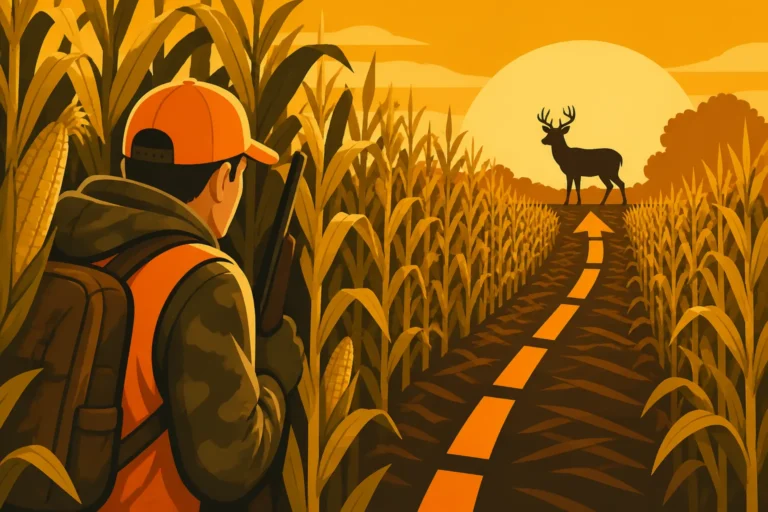
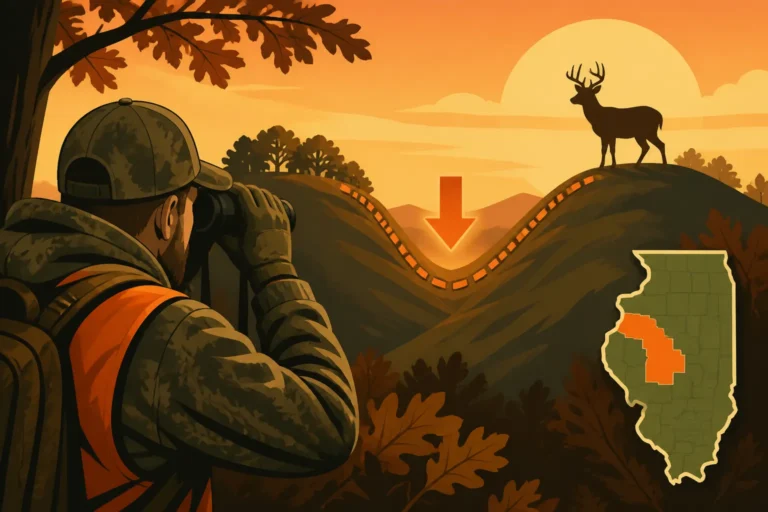
Illinois might be known for its flat farmland, but a closer look reveals a surprisingly diverse hunting landscape, from the rolling hills of Southern Illinois's Shawnee National Forest to the sprawling river bottoms of the Illinois and Mississippi Rivers, and the mosaic of timber and agriculture in Central and Western Illinois. This varied terrain means deer camps across the state can look and feel quite different. A camp in the heavily timbered hills might be a rustic cabin tucked away in the woods, emphasizing long walks and steep climbs. Meanwhile, a camp near the rich agricultural fields might be a more modern setup, focused on early mornings glassing field edges and discussing how to approach entry routes through standing corn. Regardless of the specific geography, the underlying spirit of shared pursuit and tradition remains constant. Understanding the Illinois Deer Season Structure Explained often plays a big role in how these camps are timed and organized, particularly around the high-pressure firearm seasons.
Setting Up Your Illinois Deer Camp: From Rustic to Comfortable
Establishing a comfortable and functional deer camp is crucial for a successful and enjoyable hunt. It's where you'll dry your gear, refuel your body, and rest up for another day in the woods. Whether you're roughing it or going for a more luxurious experience, thoughtful planning makes all the difference.
Choosing Your Camp Site: Public vs. Private Lands
The location of your deer camp often depends heavily on whether you're hunting public or private land. On private land, you might have the luxury of a permanent structure, like a hunting cabin or a dedicated trailer. This allows for more amenities, storage, and a consistent base of operations year after year. However, if you're venturing onto Illinois's public lands, your options become more constrained. You might be limited to primitive camping, or in some cases, designated campgrounds that require reservations.
Many hunters will set up an RV or travel trailer on a friend's farm or rent a small cabin in a nearby town if public land camping isn't feasible or desired. When Scouting Illinois Public Land Before Season, many hunters will also scout potential camping locations to ensure a smooth setup when the season arrives. Accessibility, proximity to your hunting areas, and regulations regarding campfires or structures are all critical considerations.
The Camp Structure: From Canvas to Cabins
Deer camp structures run the gamut. At one end, you have the truly rustic approach: a simple canvas tent or a pop-up blind used as a temporary shelter. This minimalist style is common for those hunting remote public parcels or when moving camp frequently. On the other end, many families and hunting groups have established long-standing cabins or even converted barns that serve as their deer camp. These often come equipped with wood stoves, cooking facilities, and beds, providing a much-needed sanctuary after a cold day.
A common middle ground is the use of larger wall tents, usually heated with a portable wood stove, or RVs and travel trailers. These offer a good balance of comfort and mobility. The key is to create a functional shared space where hunters can gather, strategize, and relax. Even if it's just a tarp over a picnic table, a dedicated communal area fosters the spirit of camp.
Essential Gear for Comfort and Function
Beyond your hunting weapon, optics, and clothing, a well-equipped deer camp needs specific gear to ensure comfort and smooth operations. Think about warmth, cooking, and light. A reliable heat source, whether it's a wood stove for a tent or cabin, or a propane heater for an RV, is non-negotiable for those chilly Illinois mornings and evenings. A good coffee pot or percolator is practically a camp mascot. For navigation and scouting, many hunters use digital mapping tools, like those offered by GoHunt, to mark stand locations, access routes, and potential deer sign, even before hitting the field.
A comprehensive first-aid kit, along with game processing supplies like sharp knives, a game bag, and a cooler with plenty of ice, are also essential. Don't forget portable lighting, such as lanterns and headlamps, and extra fuel for any generators or heaters. For those planning to utilize ground blinds on public lands, ensure you have the necessary stakes and tie-downs for stability. Having a designated drying area for wet clothes and boots, even if it's just a rope strung between trees near a heat source, can save a lot of discomfort.
Classic Illinois Deer Camp Rituals and Activities
The true essence of deer camp isn’t just in the shelter you erect or the food you eat, but in the rituals that play out year after year. These traditions cement the experience in our memories and are often the most cherished aspects of the hunt.
Pre-Dawn Preparations: The Silent Hustle
The deer camp morning begins long before the sun even hints at rising. The smell of strong coffee brewing is usually the first sign of life, followed by the clinking of gear and hushed conversations. Hunters meticulously check their equipment, ensuring everything is in its place and ready for the cold walk to the stand. This quiet preparation, often performed under the glow of a headlamp, is almost meditative. There’s an unspoken respect for the early hour and the task ahead.
Each hunter might have their own small ritual: a specific layering order, a final check of the bow string, or a silent prayer for a successful and safe hunt. As hunters depart, one by one, into the darkness, a sense of anticipation hangs in the air, broken only by the crunch of frost under boots or the distant call of an owl. Preparing properly for Cold-Weather Sitting Strategy in Illinois starts right here in camp, ensuring you're dressed appropriately and have everything you need for hours on stand.
Post-Hunt Traditions: Debriefs and Dedication
When hunters return to camp, often after a long and cold sit, the atmosphere shifts from quiet anticipation to lively chatter. The first order of business is usually a hot meal and the sharing of stories from the morning or evening hunt. Did you see anything? Hear any shots? What was the wind doing? These debriefs are crucial for understanding deer movement and adjusting strategies for upcoming hunts, especially when Hunting the Rut in Early November and deer activity is high.
If a deer was harvested, the camp shifts into processing mode. This can be a communal effort, with everyone pitching in to help Field Dressing a Deer in Cold Weather. The careful act of preparing the animal, often under the guidance of more experienced hunters, becomes a teaching moment for younger members. There's a deep satisfaction in turning a successful hunt into venison for the table, a tangible reward for the effort. The mandatory Illinois Deer Reporting Requirements are typically handled back at camp as well, often around the same time stories are being told. Some hunters prefer to use platforms like GoHunt to log their harvests and scouting notes, keeping everything organized digitally. For tracking a deer that may have run a distance, the group might collaborate on tactics, drawing on shared experience for situations like Tracking a Deer in Fresh Illinois Snow.
Camp Cuisine and Storytelling: The Heart of the Evening
No deer camp is complete without hearty food and even heartier stories. After a full day in the woods, the evening meal is a centerpiece, often featuring wild game from previous hunts, slow-cooked chili, or a venison stew. These meals are more than just sustenance; they are shared experiences, fueling conversation and laughter.
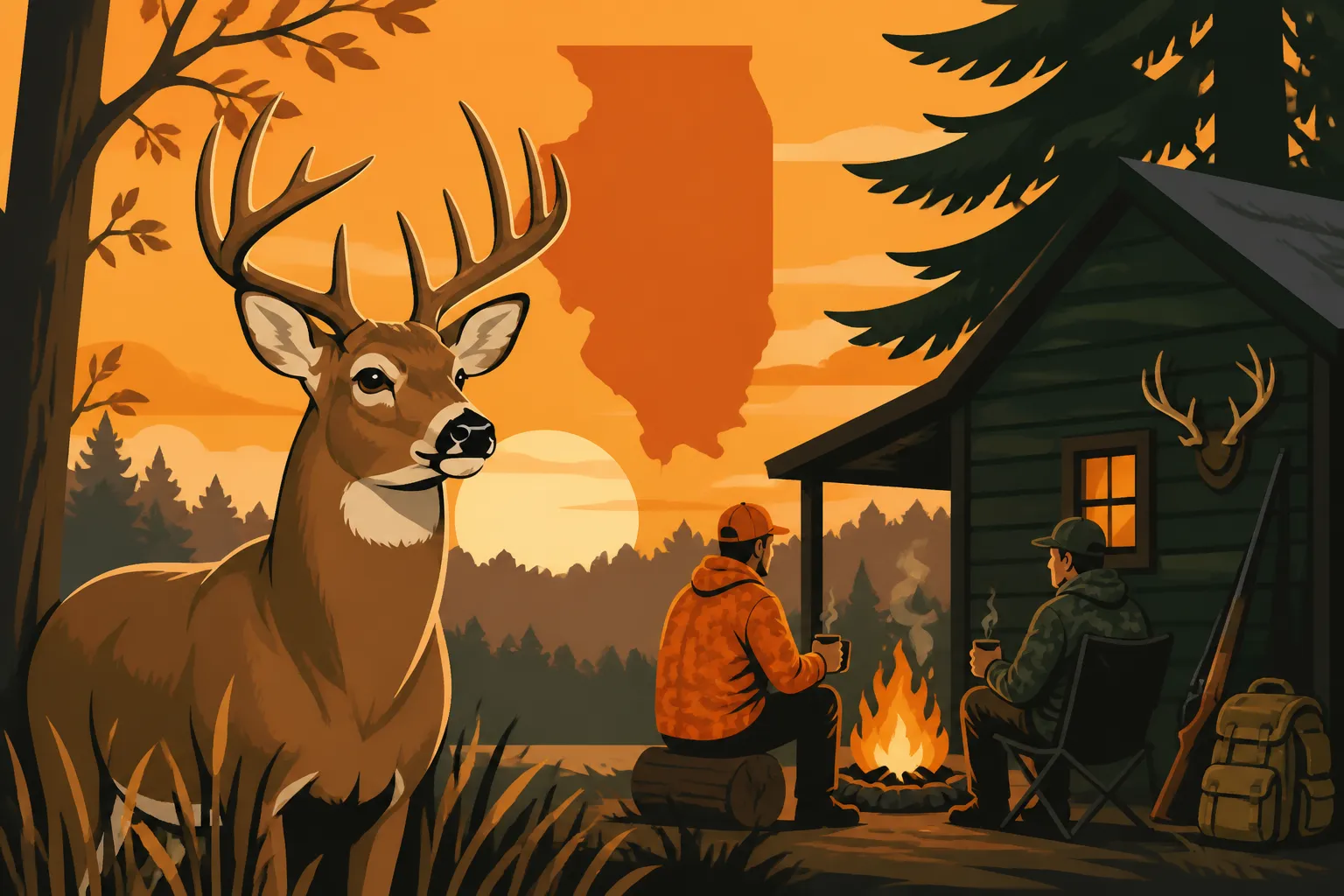
Around the campfire or the warm glow of the cabin, the day's events are replayed, past hunts are relived, and hunting legends are born. Jokes are told, strategies are debated, and the bonds between hunters are strengthened. This is also where important lessons are often imparted, from understanding Late-Season Food Sources for Illinois Whitetails to mastering specific calls. The crackling fire, the shared warmth, and the drone of conversation create an atmosphere of profound connection and relaxation that defines the deer camp experience.
Deer Camp Essentials Checklist
Here's a quick rundown of some essential items for a comfortable and functional Illinois deer camp:
| Category | Essential Items |
|---|---|
| Shelter | Tent (wall, canvas, RV), sleeping bags, cots/pads, tarps, tent heater/wood stove |
| Cooking/Food | Camp stove/grill, cooking utensils, pots/pans, cooler, non-perishable food, coffee pot |
| Lighting | Lanterns (propane/LED), headlamps, extra batteries |
| Game Care | Sharp knives, game bags, cooler, ice, rubber gloves, gambrel, hoist |
| Safety/Tools | First-aid kit, axes/saws, rope, multi-tool, GPS/map (digital like GoHunt), emergency radio |
| Comfort | Camp chairs, firewood, dry clothes, rain gear, personal toiletries, power bank for devices |
Passing Down the Legacy: Deer Camp for the Next Generation
Deer camp is a powerful vehicle for perpetuating the hunting tradition. It’s where the torch is passed, where young hunters learn not only the skills of the hunt but also the deeper values of sportsmanship, conservation, and respect for nature.
Mentorship and First Hunts: Guiding New Blood
One of the most rewarding aspects of deer camp is introducing new hunters, especially youth, to the experience. This often starts long before they ever set foot in a stand, with lessons on firearm safety and ethics, often after completing their Illinois Hunter Education Requirements. The camp environment provides a safe and supportive space for mentorship, where experienced hunters can share their knowledge, patience, and passion. From identifying deer sign to understanding wind direction, young hunters absorb invaluable lessons that can only be truly learned in the field and reinforced around the campfire.
The excitement of a young hunter’s first sit, the quiet pride in their first successful harvest, and the shared joy of the camp celebrating with them are moments that define the legacy of hunting. It’s not just about teaching them how to hunt; it’s about teaching them why we hunt, instilling a deep appreciation for the wildlife and the natural world. Engaging in activities like Deer Drives With Three or Four Hunters can be a great way to involve newer hunters, teaching them teamwork and strategy in a controlled environment.
The Future of Deer Camp: Adapting Traditions
While many deer camp traditions are deeply rooted, the future of hunting and deer camp involves a degree of adaptation. Modern technology, like advanced optics, trail cameras, and digital mapping apps from companies like GoHunt, is increasingly integrated into scouting and hunting strategies. Using a digital platform can help manage scouting data, track deer movement patterns, and plan access routes, especially useful on public land where consistent access can be a challenge. Hunters are also experimenting with different legal firearms for deer hunting, from traditional shotguns to straight-wall cartridge rifles, which also influences the camp conversations and gear prep.
The core values of camaraderie, respect, and connection to nature, however, remain timeless. As older generations pass on the mantle, they also pass on these enduring values. The laughter, the shared meals, the stories, and the quiet moments of reflection will continue to be the heart of Illinois deer camp, ensuring its legacy for generations to come, even as the specific tools and tactics evolve.
Disclaimer
Hunting is an inherently dangerous activity. Always prioritize safety, adhere to all local, state, and federal regulations, and practice ethical hunting principles. This guide is for informational purposes only and does not replace professional instruction or official hunting regulations. Be sure to check the latest Illinois Department of Natural Resources (IDNR) regulations before any hunting activity.