Illinois Deer Reporting Requirements
You've just wrapped up a successful hunt, maybe after weeks of scouting and cold mornings in the stand, and there's a beautiful Illinois whitetail on the ground. The adrenaline is still pumping, the hard work is done, and now you're thinking about processing meat and sharing stories. But hold on a second – before you get too comfortable, there's a crucial step that every hunter in Illinois must complete: deer reporting. It's often seen as a minor annoyance after the excitement of the harvest, but understanding and correctly fulfilling these requirements is vital for both your legal standing and the state's ongoing conservation efforts. This guide will walk you through everything you need to know about reporting your deer in Illinois, ensuring you stay compliant and contribute positively to wildlife management.
Why Reporting Matters: The Bigger Picture for Illinois Deer
It's easy to view reporting a deer as just another bureaucratic hurdle. After all, you've already bought your license and permit, right? But the data collected from every single reported deer is absolutely foundational to how the Illinois Department of Natural Resources (IDNR) manages the state's whitetail herd. Without this information, biologists would be flying blind, unable to make informed decisions that impact everything from season lengths to permit allocations.
Conservation and Management Insights
Imagine trying to manage a business without knowing how many products you're selling or how much inventory you have. That's essentially what wildlife management would be like without harvest data. Every time an Illinois hunter reports a deer, they're contributing a data point that helps paint a clearer picture of the overall herd health and population trends. This isn't just about counting deer; it's about understanding demographics. Biologists look at things like the total number of deer harvested, the ratio of bucks to does, and even the age structure of the harvest. If harvest numbers are consistently low in a certain area, it might signal a declining population, prompting the IDNR to adjust future permit availability or season lengths to allow the herd to rebound.
Conversely, if an area shows a consistently high harvest, especially of antlerless deer, it tells the IDNR that the population is robust and can sustain more hunting pressure, helping to keep deer numbers in balance with available habitat and reduce conflicts like crop damage and deer-vehicle collisions. This delicate balance ensures sustainable hunting opportunities for future generations. Tools like the GoHunt app often provide aggregated harvest data, which can give hunters a broad understanding of regional success, though it's the raw data from individual reports that forms the backbone of these statistics.
Tracking Disease Spread and Population Health
Beyond population numbers, deer reporting is a critical tool in the fight against diseases like Chronic Wasting Disease (CWD). Illinois has been battling CWD since it was first detected in Boone County in 2002, and unfortunately, the disease continues to spread southward into new areas. When you report your deer, the IDNR often collects location data that can be cross-referenced with CWD surveillance zones. In some counties, particularly within the designated CWD Zone, hunters may even be required to submit their deer for mandatory testing.
The reporting process, especially when combined with physical sampling, allows the IDNR to monitor the prevalence and geographic spread of CWD. This information is crucial for implementing management strategies aimed at slowing the disease's progression and mitigating its impact on the deer herd. Understanding where the disease is concentrated helps biologists decide where to focus sampling efforts, issue special CWD county bonus permits, or even implement specific carcass movement restrictions. Every report helps them connect the dots, protecting not just the deer but also the future of deer hunting in Illinois.
Navigating the Illinois Deer Reporting Process
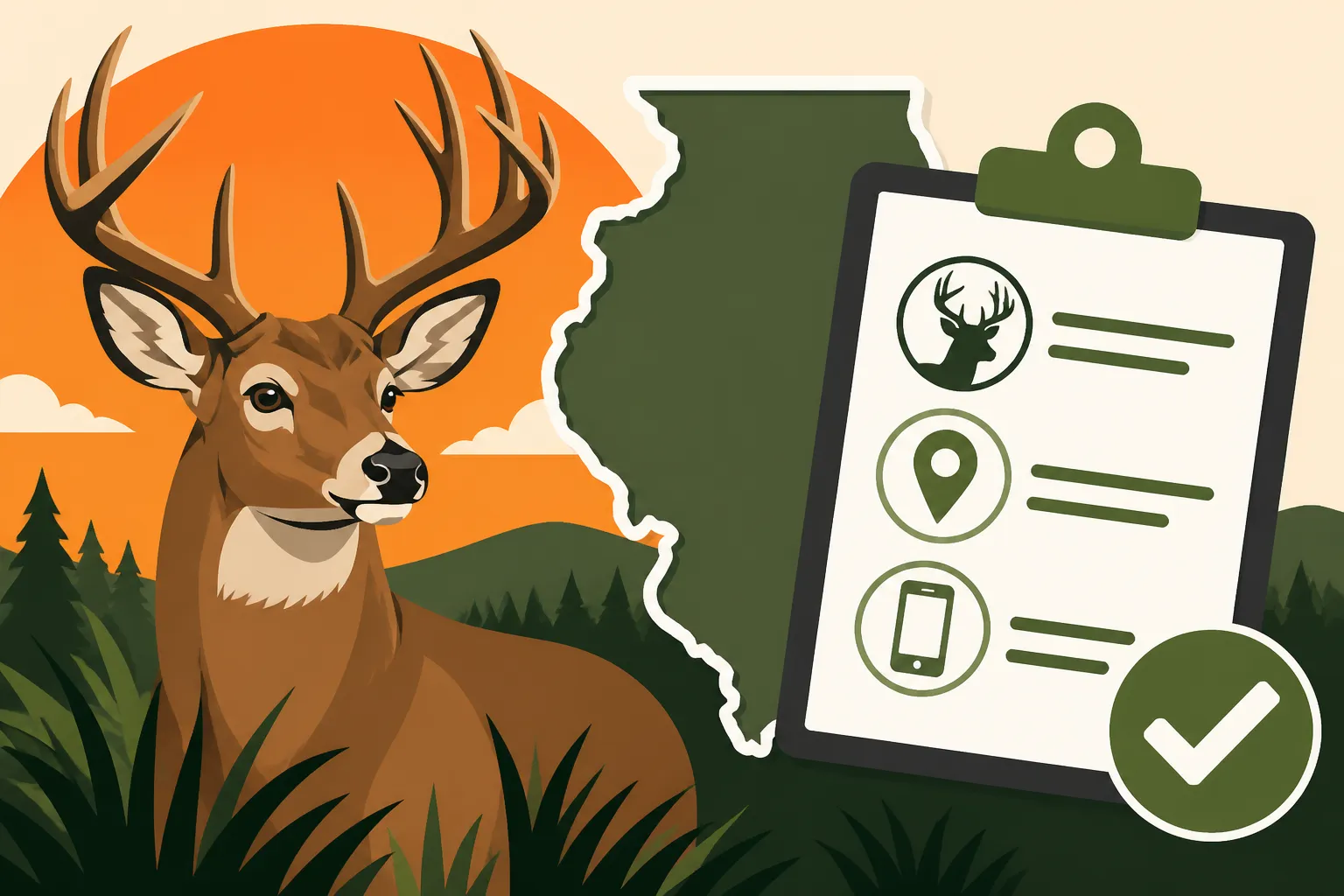
The good news is that reporting your deer in Illinois is relatively straightforward once you know the steps. The IDNR has modernized its system over the years, offering a few convenient options to ensure hunters can fulfill their obligations quickly and efficiently. The key is to remember the deadline and have all your information ready.
Online Reporting via the IDNR Website
For many hunters, the easiest and most preferred method is reporting online through the official Illinois Department of Natural Resources website. This platform is typically available 24/7 during hunting seasons, allowing you to report your harvest from your home computer or even a mobile device with internet access. You'll need your permit number, date and time of harvest, county of harvest, and information about the deer itself.
The online system guides you through a series of prompts, making it relatively simple to input all the necessary data. Once submitted, you'll receive a confirmation number. This confirmation number is incredibly important – it's your proof of reporting and must be immediately written on the tag and affixed to the deer. Without that confirmation number recorded on your tag, your deer is not legally checked in. Many hunters prefer this method because it's quick, provides immediate confirmation, and can be done without having to talk to anyone, which is especially nice after a long day in the woods.
Reporting by Phone: A Traditional Option
While online reporting has become the norm, the IDNR still provides a phone-in option for those who prefer it or find themselves in an area with unreliable internet service. The phone number is usually printed on your deer permit, and operators are available during specified hours, typically from early morning until late evening during open seasons. This method can be a lifesaver if you're hunting in a remote part of Illinois and don't have good cell signal for data, but can still make a call.
When reporting by phone, make sure you have all your permit information and harvest details clearly laid out before you call. The operator will ask you for the same information as the online portal: permit number, date, time, county, and deer characteristics. They will then provide you with a confirmation number, which, just like with online reporting, you must immediately write on your physical deer permit tag. Be sure to speak clearly and double-check any numbers the operator provides to avoid errors.
Using the Illinois DNR Direct App
In our increasingly digital world, the Illinois DNR has embraced technology to make things even more convenient for hunters. The Illinois DNR Direct app, available for both iOS and Android devices, allows you to report your deer right from your smartphone. This is particularly handy for hunters who use their phones for navigation (perhaps with a mapping tool like GoHunt to mark their stand locations) and scouting, as it integrates seamlessly into their hunting tech stack.
The app often provides a user-friendly interface that mirrors the online reporting system, walking you through each step. It's especially useful if you're in the field and want to report immediately after recovery, without having to wait until you get home. Just like with the other methods, the app will generate a unique confirmation number that you must write on your tag. This method is gaining popularity for its convenience and accessibility, allowing hunters to fulfill their reporting obligations almost instantly after harvest. Remember to check your phone's battery life before heading out, as you don't want to be caught with a dead phone and a legally unreported deer. The app can also be a valuable resource for other aspects of your hunt, such as checking Illinois Deer Season Structure Explained or finding information on Illinois Hunting Licenses and What They Cost.
Key Information You'll Need for a Successful Report
Before you even start the reporting process, whether online, by phone, or through the app, it's crucial to have all the necessary information readily available. Fumbling for details or guessing can lead to errors, which could potentially invalidate your report or cause issues down the line. A few moments of preparation before you report can save you a lot of headache.
Permit Details and Hunter Information
The most fundamental piece of information you'll need is your actual deer permit number. This unique identifier is typically printed prominently on your physical permit. You'll also need to confirm your name and other identifying information associated with that permit. This ensures that the harvest is correctly attributed to you, the hunter who legally harvested the animal. It's a good practice to keep your permit in a secure, easily accessible, and protected place (like a waterproof holder) while hunting, not only for reporting but also for any potential encounters with conservation officers in the field.
Beyond your permit, make sure you know the specific type of permit you used (e.g., archery, firearm, muzzleloader, youth, antlerless-only). This helps the IDNR accurately categorize the harvest data. For instance, data from Illinois Youth Deer Season Rules hunts is tracked separately to evaluate the success and participation in those programs. Incorrectly reporting the permit type can skew harvest statistics and lead to misinterpretations of hunting pressure and success rates for different seasons.
Harvest Location and Date
You'll need to report the exact county where the deer was harvested. This is critical for the IDNR to build accurate, geographically specific data sets. If you harvested a deer near a county line, be absolutely sure which side you were on. This location data is vital for understanding Illinois Deer Population Estimate by region and for tracking specific issues like CWD outbreaks, which are often concentrated in certain counties.
The date and approximate time of the harvest are also required. This helps track hunter effort and success throughout the season and can even shed light on peak activity periods. For example, if you're Hunting the Rut in Early November, reporting the date accurately helps confirm general patterns of deer movement and hunter success during that critical period. Keep a small notebook or use a feature on your mapping app, like GoHunt, to quickly record the date and time of your harvest as soon as possible after the shot or recovery. This small detail ensures precision in your report.
Deer Characteristics: Sex, Age, and Antler Status
This is where the details about the deer itself come into play, providing crucial biological insights. You'll need to accurately identify the sex of the deer (buck or doe). For bucks, you'll also need to report the antler status. This often means counting the number of points on one antler or categorizing it as an antlered or antlerless deer, depending on the specific permit and regulations. Even if you've harvested an antlerless deer using an antlered-deer permit, you'd still report it as antlerless.
Age estimation (fawn, yearling, adult) is sometimes requested, although less commonly mandatory for all reports. However, reporting whether it was an adult or fawn doe, or a younger vs. mature buck, greatly assists biologists in understanding the herd's age structure. This data helps assess reproductive success and the impact of hunting on different age classes within the population. For example, consistently harvesting a high percentage of yearling bucks might indicate overharvesting of younger animals, while a balanced age structure points to a healthy, well-managed herd.
Here's a quick summary of the information you'll need:
| Information Category | Specific Details Required | Importance |
|---|---|---|
| Hunter & Permit | Full Name, Permit Number, Permit Type (Archery, Firearm, Muzzleloader) | Legal compliance, tracking permit usage, proper hunter attribution. |
| Harvest Location | County of Harvest, Specific Site (if applicable, e.g., public land name) | Geographical data for population and disease monitoring, CWD zone correlation. |
| Harvest Date & Time | Date of Harvest, Approximate Time of Harvest | Tracking hunter effort, peak harvest periods, seasonal success rates. |
| Deer Characteristics | Sex (Buck/Doe), Antler Status (Antlered/Antlerless), Number of Points (for antlered bucks) | Age/sex ratio analysis, herd health assessment, CWD prevalence insights. |
| Confirmation | Confirmation Number (provided by IDNR after report) | Legal proof of report, must be written on tag immediately. |
Common Reporting Mistakes and How to Avoid Them
Even with clear instructions and multiple reporting options, hunters can sometimes make mistakes. These errors, though often unintentional, can have legal ramifications for the hunter and can also skew the valuable data the IDNR relies on. Being aware of these common pitfalls is the first step toward avoiding them.
Incorrect Permit Numbers and Dates
One of the most frequent errors is miskeying the permit number or mistakenly using a permit that wasn't actually utilized for the harvest. Each permit has a unique identification number, and if you have multiple permits (e.g., an antlered permit and an antlerless-only permit), it's crucial to report the harvest under the correct one. Similarly, entering the wrong harvest date can throw off the IDNR's data collection, especially concerning season-specific harvest statistics. Always double-check your permit number against the physical tag you just affixed to the deer, and confirm the date of harvest.
A classic scenario involves a hunter who carries multiple archery permits. They might harvest an antlered deer, but accidentally input the permit number for an antlerless-only tag they also possess. This not only creates an invalid report for the antlered deer but also incorrectly "uses" an antlerless tag that wasn't actually applied. Similarly, with Illinois's various firearm seasons, such as Illinois's Two Firearm Deer Seasons, using a first-season permit for a second-season harvest report would lead to inaccurate data, making it harder for the IDNR to analyze the effectiveness of each distinct season. Take your time, read each field carefully, and verify everything before hitting submit or hanging up the phone.
Forgetting to Report Entirely
Perhaps the most serious mistake a hunter can make is simply forgetting to report their deer within the legal timeframe. In Illinois, you are generally required to report your deer by 10 PM on the day of harvest, or by 10 PM on the day the deer is recovered if recovered on a subsequent day. Failing to report within this window is a violation and can lead to fines and penalties. It's easy to get caught up in the excitement, the field dressing, the long drag out of the woods, and then the celebrations back at camp, but the reporting requirement is non-negotiable.
This is where a good system comes in handy. Some hunters set a reminder on their phone as soon as they've recovered a deer. Others make it a hard rule that the reporting is the very first thing they do after getting the deer back to the truck or camp. Regardless of your method, make sure you have a plan to report promptly. If you find yourself in a situation where you realize you've missed the deadline, it's always best to contact the IDNR to explain the situation rather than simply doing nothing. While there may still be consequences, proactive communication is always better than ignoring the issue entirely.
Misidentifying Deer Sex or Age
Accurately identifying the sex of the deer and, if it's a buck, the antler status, is vital for proper data collection. Sometimes, a hunter might mistakenly identify a button buck as a doe, especially in the low light of dawn or dusk. Or, they might miscount antler points or classify a small spike as antlerless when it legally qualifies as antlered. These seemingly minor details are crucial because they directly impact the IDNR's buck-to-doe ratios and overall herd composition analysis.
For instance, if too many button bucks are reported as does, the perceived antlerless harvest could be inflated, potentially leading to future decisions that impact antlered deer populations. Similarly, differentiating between an adult doe and a fawn can be tricky, but it influences fawning success rates and recruitment data. If you're unsure about the sex or antler status of a deer, take a moment to confirm it visually once you're at the animal. Don't rush this part of the process. A quick check, perhaps even taking a photo for later reference if allowed and safe, can ensure accuracy and contribute to better Illinois Deer Population Estimate accuracy.
Understanding the Implications: What Happens After You Report
Once you've successfully reported your deer and received that all-important confirmation number, you might wonder what happens next. It's not just a digital receipt; that data goes into a massive system that directly influences the future of hunting in Illinois. Your individual report becomes a small but significant piece of a much larger puzzle, shaping conservation decisions and hunter opportunities for years to come.
Data for Future Season Structures
Every single deer harvest report contributes to the IDNR's comprehensive annual harvest data. This extensive database allows biologists to analyze trends over time, county by county, and even across different hunting methods (archery, firearm, muzzleloader). They look at:
- Total Harvest Numbers: Is the overall deer population growing, stable, or declining?
- Buck-to-Doe Ratios: Are hunters harvesting too many bucks, potentially impacting breeding success? Or are enough does being harvested to control population growth?
- Harvest Success Rates: How many hunters are successfully filling their tags in a given season or county?
- Harvest Timing: When are most deer being harvested during the season? Does this align with biological events like the rut?
This data directly informs decisions about Illinois Deer Season Structure Explained, permit allocations, and even specific regulations for the following years. If, for example, harvest numbers for antlerless deer are consistently low in a particular management unit despite a high population, the IDNR might increase antlerless permit availability or adjust season dates to encourage greater harvest. Conversely, if specific counties are showing a significant decline in buck harvest, there might be a discussion about potential antler point restrictions or more conservative harvest limits. Your report, therefore, isn't just about accountability; it's about actively participating in the scientific management of a cherished natural resource.
Connecting to CWD Monitoring Efforts
As mentioned earlier, Chronic Wasting Disease is a serious concern for Illinois deer. When you report your deer, the location data (county of harvest) is cross-referenced with the state's CWD management zones. In many counties within the CWD Zone, hunters are strongly encouraged or sometimes even required to submit their deer for CWD testing. Your report helps identify where these animals are being harvested. For instance, knowing the specific locations of reported deer allows the IDNR to strategically place CWD sampling stations and conduct targeted surveillance efforts.
If you harvest a deer in one of Illinois's Chronic Wasting Disease Zone counties, your report often triggers specific instructions or recommendations regarding carcass movement and CWD testing. For example, you might be directed to a check station for mandatory sampling or advised on how to properly handle the carcass to prevent further spread. The data from your report, combined with CWD test results, provides an invaluable understanding of disease prevalence and geographic spread. This helps the IDNR make critical decisions, such as where to focus efforts like public awareness campaigns or carcass disposal sites, all aimed at protecting the long-term health of the Illinois deer herd. GoHunt, among other resources, might highlight CWD zones on their maps, helping hunters be more informed before they even enter the field.
Special Scenarios and Frequently Asked Questions
While the general reporting process is usually straightforward, specific situations can sometimes arise that leave hunters scratching their heads. Knowing how to handle these less common scenarios can prevent undue stress and ensure you remain compliant with Illinois hunting regulations.
Reporting Youth Hunt Deer
Youth hunts in Illinois, like the Hunting the Illinois Youth Deer Weekend, are a fantastic opportunity to introduce younger generations to the tradition of hunting. The reporting requirements for deer harvested during these special seasons generally follow the same rules as regular seasons: the deer must be reported by 10 PM on the day of harvest or recovery. However, there are often specific considerations. The permit used will be a youth permit, and the reporting system may ask for confirmation that it was indeed a youth hunter who harvested the animal.
It's important for the adult mentor supervising the youth hunter to be intimately familiar with the reporting process and to guide the young hunter through it. This not only ensures a correct report but also serves as an excellent teaching moment, emphasizing responsibility and ethical hunting practices. The data from youth hunts is especially valuable to the IDNR, as it helps them gauge participation in youth programs and assess their effectiveness in fostering new hunters. Make sure the youth hunter understands that this final step is just as important as the hunt itself.
Lost or Damaged Confirmation Numbers
You’ve successfully reported your deer, written the confirmation number on the tag, and then disaster strikes: the tag gets wet and the numbers smudge, or the paper tears, and you can’t read it anymore. What do you do? The confirmation number is your legal proof of reporting, and it needs to be legible. If your confirmation number becomes unreadable or is lost, the first step is to try and re-access your report. If you reported online or through the app, you can often log back into your account and view your past reports, allowing you to retrieve the number.
If that's not possible, or if you reported by phone, you should immediately contact the IDNR's law enforcement division or your local conservation police officer. Explain the situation clearly and provide them with all the details of your hunt and initial report. They can often look up your report in the system using your permit number and provide you with the confirmation number again. It's far better to be proactive and reach out to the authorities than to transport a deer with an unreadable or missing confirmation number, which could lead to legal issues.
When You Forget to Report Within the Window
It happens. You're exhausted, excited, or simply forgot the 10 PM deadline. You wake up the next morning with a sinking feeling, realizing your deer hasn't been reported. As mentioned before, failing to report within the legal timeframe is a violation. However, simply ignoring it or hoping no one notices is the worst possible course of action. The best approach is to act quickly and transparently.
First, try to report the deer immediately, even if it's past the deadline. The system might still accept it, though it doesn't absolve you of the late reporting. Then, and this is crucial, contact your local conservation police officer or the IDNR law enforcement office to explain the oversight. Be honest, explain why you forgot (e.g., late recovery, extenuating circumstances), and inform them that you have now reported the deer (or are attempting to). While there might still be a citation issued, demonstrating responsibility and a willingness to comply is always viewed more favorably than attempting to conceal a violation. Understanding Illinois Hunter Education Requirements often covers the importance of these reporting regulations, reinforcing responsible hunting practices from the start.
Disclaimer
Please note: This guide provides general information about Illinois deer reporting requirements. Hunting regulations can change, and it is the hunter's responsibility to always consult the most current Illinois Department of Natural Resources (IDNR) hunting regulations and statutes before engaging in any hunting activity. This content is not a substitute for official legal advice or the official IDNR hunting guide.