Illinois’s Two Firearm Deer Seasons
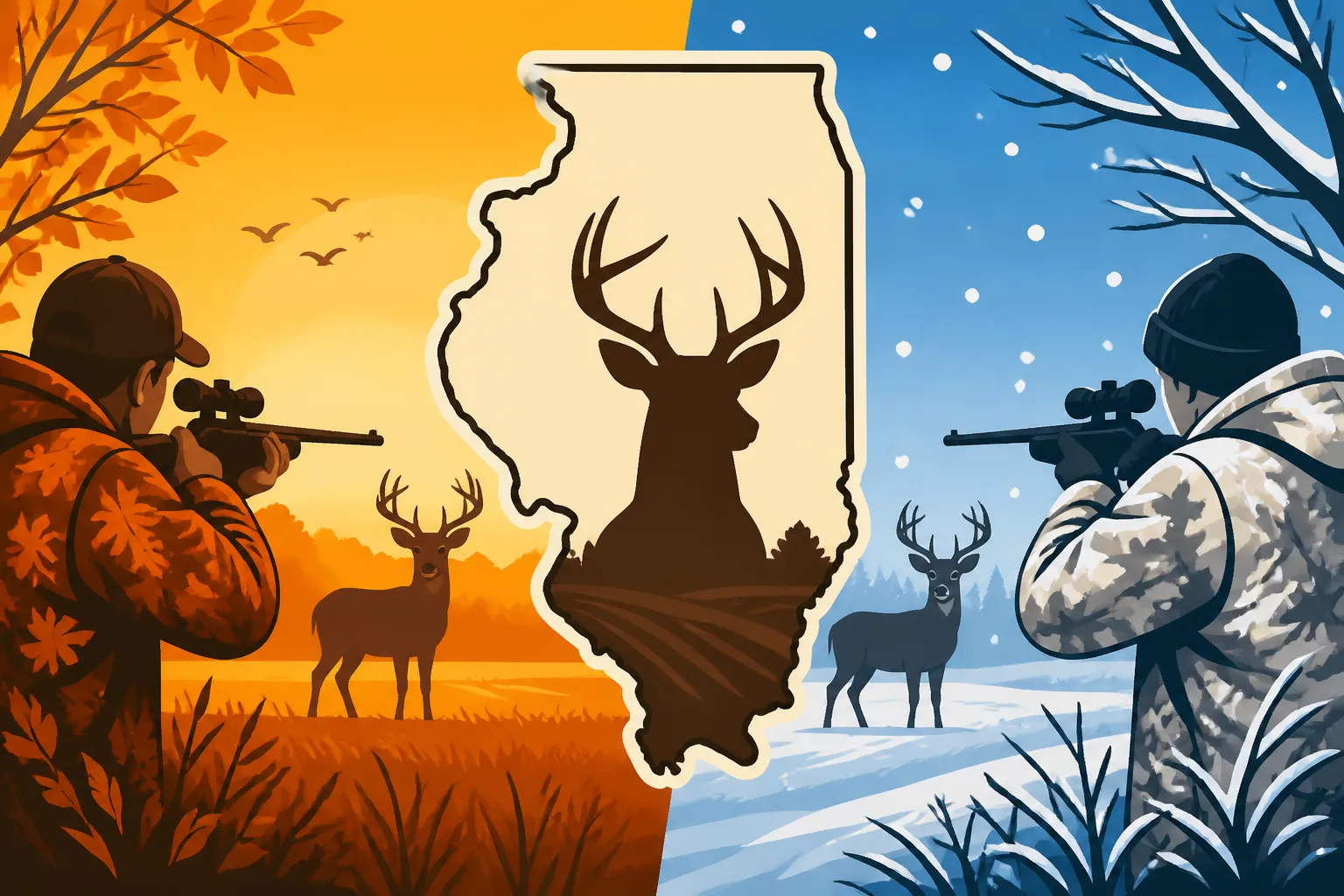
For many deer hunters, the Illinois firearm deer seasons represent the pinnacle of their annual pursuit. However, navigating the nuances of two distinct firearm periods – each with its own set of challenges, deer behaviors, and strategic considerations – can feel like trying to hit a moving target. This comprehensive guide aims to unravel the complexities of Illinois's firearm deer seasons, providing you with the knowledge and tactics to make the most of your time in the field, whether you're chasing the early rut or braving the late-season chill.
Understanding Illinois's Firearm Deer Season Structure
Illinois's deer management strategy includes offering two separate firearm seasons, a unique approach that often sparks discussion among hunters. This split system is designed to achieve specific conservation and hunting goals, and understanding its rationale is the first step toward becoming a more effective hunter in the Land of Lincoln.
Why Two Separate Seasons?
The Illinois Department of Natural Resources (IDNR) implemented a two-season firearm structure primarily to manage the deer harvest effectively and distribute hunting pressure across different periods. The first season typically falls in mid-November, strategically timed to coincide with the tail end or peak of the whitetail rut in many areas. This timing allows hunters to capitalize on increased deer movement and vulnerability as bucks are actively seeking does. The second season, generally held in early December, serves as a follow-up opportunity after the primary rut has subsided, often in colder conditions. This later season helps address any remaining harvest goals, particularly for antlerless deer, and provides a chance for hunters who couldn't participate in the earlier window. By splitting the season, the IDNR can fine-tune harvest quotas and minimize concentrated pressure, theoretically leading to a healthier herd and better hunting experiences over the long term.
From a hunter's perspective, this split can be both a blessing and a curse. It offers multiple opportunities but also requires adapting tactics to changing deer behavior and environmental conditions. Many hunters find themselves prioritizing one season over the other based on their personal schedules, preferred hunting styles, or access to certain lands. The differing conditions between the two periods mean that what works well in November might be entirely ineffective just a few weeks later in December.
Key Differences Between First and Second Firearm
The contrast between Illinois's first and second firearm seasons is quite significant, shaping everything from deer behavior to hunter success rates. The first season, often referred to as "the rut hunt," typically experiences milder temperatures and deer that are still heavily influenced by breeding activity. Bucks are on the move, covering significant ground in search of does, making them more visible and less cautious during daylight hours. Hunter pressure is generally at its highest during this period, especially on opening weekend, as many hunters flock to the woods hoping to intercept a rutting buck. This can make public land hunting particularly challenging, requiring hunters to seek out less accessible areas.
Conversely, the second firearm season usually brings colder temperatures, often with the first significant snowfalls. The rut has largely wound down, and deer behavior shifts dramatically. Instead of chasing, bucks are focused on recovering from the energy drain of the rut, prioritizing food and security. Many agricultural fields that were standing during the first season are now harvested, reducing available cover and concentrating deer into woodlots and thicker bedding areas. While hunter pressure may be slightly lower than opening weekend of the first season, deer have also experienced a round of hunting pressure, making them warier. The late season often calls for different strategies, such as focusing on persistent food sources or organizing small-group deer drives. Understanding these distinctions is crucial for anyone planning their approach to Illinois Deer Season Structure Explained.
Maximizing Your First Firearm Season Opportunities
The first firearm season in Illinois is a highly anticipated event for many hunters. Occurring in mid-November, it often coincides with prime deer activity, offering excellent opportunities for success. However, it also comes with unique challenges, especially the influx of hunters.
Capitalizing on Rut Activity
The first firearm season, generally around the middle of November, often aligns with the tail end or even the peak of the whitetail rut in many parts of Illinois. This timing is a game-changer for deer behavior. Bucks, driven by an innate urge to breed, are actively scent-checking scrapes, making rubs, and constantly on the move, searching for receptive does. They are more prone to making mistakes, such as traveling during daylight hours through open areas they might otherwise avoid. This heightened activity means hunters should be prepared to observe deer movements throughout the day, not just during dawn and dusk.
To capitalize on this, active hunting strategies can be particularly effective. Techniques like rattling and grunting can often provoke a response from a curious or dominant buck, drawing them into shooting range. Setting up near established scrape lines or primary travel corridors between bedding and feeding areas can be highly productive. Focus on funnels – natural pinch points like saddles, creek crossings, or narrow strips of timber between larger woodlots – where deer are forced to travel through a concentrated area. Remember, during the rut, bucks are less predictable but more vulnerable, so staying vigilant and adapting to the latest sign is key. Learning to read the subtle cues of the rut, such as fresh rubs and active scrapes, will give you a significant advantage when Hunting the Rut in Early November.
Tactics for Standing Crops and Early Season Cover
One of the defining features of the first firearm season in many parts of Illinois, particularly in the vast agricultural regions, is the potential for standing crops. Corn and soybeans, if not yet harvested, provide incredible cover and food sources for deer. These fields act as massive sanctuaries, allowing deer to bed, feed, and travel undetected within their confines. Hunting these areas effectively requires a specialized approach. Instead of trying to penetrate the dense interiors, focus your efforts on the edges where deer enter and exit, especially near timber blocks, creek bottoms, or thick fencerows that serve as natural travel routes.
Deer will often stage inside the standing crops before emerging into the timber or smaller plots, and they'll filter back in as daylight approaches. Setting up on a field edge or along an entry route through standing corn can be incredibly productive. Identify pinch points where deer are funneled out of the fields, or look for trails leading to water sources. Be mindful of the wind direction; deer will almost always approach a field edge with the wind in their favor, so position yourself accordingly to prevent being winded. Sometimes, the best strategy is simply to observe and wait for deer to reveal their preferred entry and exit points, then set up for the next sit.
Dealing with Opening Weekend Crowds
The excitement of the first firearm season's opening weekend often brings a significant influx of hunters, especially on public lands. This increased pressure can scatter deer and make for challenging hunting conditions. To succeed amidst the crowds, you need a strategy that moves you away from the readily accessible areas. Don't be afraid to walk further than most hunters are willing to go. Look for areas on maps that are difficult to access – perhaps requiring a long hike, crossing a creek, or navigating dense, brushy terrain. These are the places where deer will often retreat to escape pressure, and where you're more likely to find undisturbed animals.
Utilize mapping tools like GoHunt or OnX to identify topographical features such as steep ridges, deep ravines, or swampy areas that deter casual hunters. These natural barriers often create sanctuaries for deer. Consider setting up early in the morning, well before first light, to avoid disturbing deer already moving. Patience is paramount. While others might be moving frequently, trying to push deer, a stationary hunter in a well-scouted, remote location often has higher odds. Remember that deer, once pressured, will often bed down in the thickest cover available, so adapting your approach to target these refuge areas can pay off. Opening Weekend Tactics for First Firearm Season often involve creative thinking to escape the crowds.
Strategies for the Second Firearm Season
The second firearm season, typically held in early December, presents a different set of challenges and opportunities than its mid-November counterpart. As winter firmly takes hold, deer behavior shifts, and hunters must adjust their strategies to remain successful.
Adapting to Post-Rut and Colder Weather
By early December, the intense activity of the rut has largely subsided across Illinois. Bucks, exhausted from the breeding season, are no longer primarily focused on does. Their instincts now shift to recovery: replenishing lost body fat and seeking out consistent food sources and secure bedding areas to survive the harsh winter months. This means that the "chasing" phase is mostly over, and deer movements become more predictable, revolving around necessities like food, water, and shelter. Colder temperatures mean deer need more calories, often leading to increased movement during daylight hours, especially if a good food source is available.
Successful hunting in the second season hinges on locating these critical late-season food sources. Think standing soybeans, brassica plots, winter wheat, or even remaining acorns if they're still available. Deer will congregate around these reliable food supplies. Beyond food, security becomes paramount. Deer will seek out thick cover—cedar thickets, dense brush, deep ravines, or secluded timber blocks—to bed down and conserve energy. Your strategy should involve connecting these two elements: finding the best food sources and then identifying the travel corridors leading to and from the densest cover. This can be a prime time for ambush hunting, sitting patiently over a food plot or a well-worn trail, especially on cold, clear days. Hunting the Late-Season December Lull often means prioritizing sustained patience over aggressive tactics.
Hunting Remaining Cover and Food Sources
With most crops harvested by early December, the landscape in many parts of Illinois undergoes a dramatic transformation. The expansive cover provided by standing corn and beans vanishes, concentrating deer into smaller, more defined areas of timber, CRP fields, and brushy fencerows. This reduction in available cover can actually work to a hunter's advantage, making deer patterns more discernible. The challenge is identifying which remaining pockets of cover hold deer and which food sources are drawing them in. Look for areas where dense cover meets a prime food source. A woodlot adjacent to a picked bean field, a thicket bordering a winter wheat plot, or a deep creek bottom offering both shelter and access to browse can be hotspots.
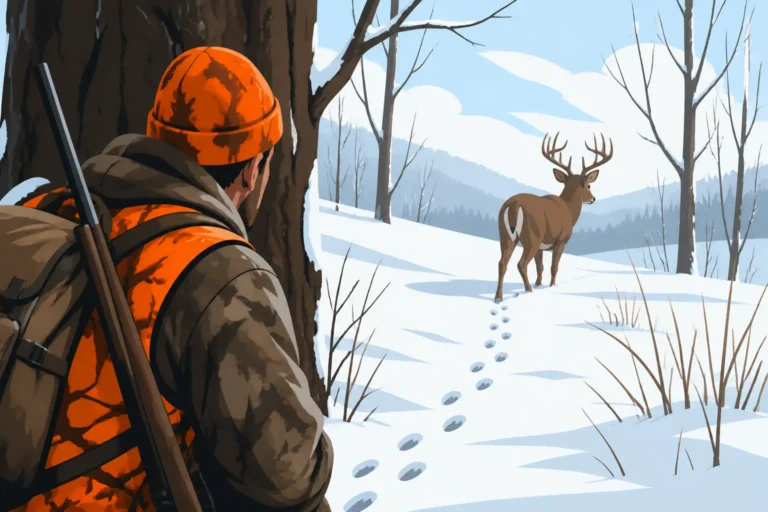
On public lands, this might mean scouting for overlooked thickets or dense regenerating timber stands that provide excellent thermal cover and escape routes. Pay close attention to subtle changes in elevation, which can offer thermal advantages to bedding deer on cold days. When snow is on the ground, fresh tracks can be invaluable in revealing current travel patterns and feeding locations. Don't underestimate the appeal of small, isolated woodlots or brushy draws that might not look like much but can offer just enough security for a few deer to weather the season. A smart hunter will use mapping applications like GoHunt to pinpoint these smaller, thicker areas and plan their approach accordingly.
Leveraging Deer Drives and Group Hunts
While still-hunting and stand hunting remain viable options, the second firearm season is often an ideal time to organize small-group deer drives, especially on larger tracts of land. With reduced cover and colder temperatures, deer tend to congregate more, making them susceptible to being pushed. Drives can be particularly effective on public land where deer might be holding tight in thick cover, unwilling to move during daylight hours without pressure. A well-executed drive involves strategically placing "posters" (shooters) at known escape routes or pinch points, while "drivers" slowly move through a section of cover, pushing deer towards the waiting hunters.
The key to a successful drive is safety, communication, and a good understanding of the terrain and deer movement. Always wear plenty of blaze orange, know where every hunter is located, and agree on clear shooting lanes and safety zones beforehand. Small groups of 3-4 hunters can be surprisingly effective. For instance, two drivers pushing a woodlot towards one or two posters positioned on opposite ends of a narrow funnel. This method can be especially productive when targeting elusive bucks that have survived the first season by hiding in dense cover. Planning a drive means knowing the wind direction, understanding how deer typically move out of certain cover, and being patient. Deer Drives With Three or Four Hunters require careful coordination but can yield excellent results in the late season.
Permit Requirements and Weaponry
Navigating the regulations for Illinois's firearm deer seasons can feel a bit like deciphering a complex puzzle. Understanding the permit application process and legal weapon choices is fundamental for any hunter planning to participate.
Obtaining Your Firearm Deer Permits
Illinois operates a lottery system for its firearm deer permits, a process designed to manage harvest numbers and distribute hunting opportunities. For residents, permits are typically available through an initial lottery application period, usually spanning from late spring into early summer. It's crucial to apply during this window, as permits for popular counties can quickly become limited. Non-residents also participate in a similar lottery system, but their permit options are often more restricted and come at a higher cost. Nonresident permits can be particularly competitive, especially in highly sought-after areas known for trophy bucks.
If you miss the initial lottery or wish to purchase additional permits, Illinois often offers over-the-counter antlerless-only permits later in the season, which can be purchased from licensed vendors. These are typically available in various counties where harvest goals haven't been met or where a higher antlerless harvest is desired for population management. Always double-check the IDNR website for specific application dates, deadlines, and permit availability, as these can change annually. The key is to plan ahead and secure your permits well in advance to avoid disappointment. Information on Illinois Resident Deer Permit Options and nonresident options is always available through the IDNR.
Legal Weapons for Illinois Firearm Seasons
Illinois has specific regulations regarding the types of firearms and ammunition allowed during its firearm deer seasons, designed primarily for safety in a relatively flat, agricultural state. For shotguns, any 10-gauge, 12-gauge, 16-gauge, or 20-gauge shotgun is permitted, provided it's loaded with slugs only. Buckshot is not allowed for deer hunting in Illinois. Muzzleloaders are also a popular choice and are permitted during both firearm seasons, as well as their own dedicated muzzleloader-only season. They must be loaded with a single projectile.
In recent years, Illinois has expanded its legal weapon options to include straight-wall cartridge rifles and centerfire handguns. Straight-wall cartridge rifles have gained significant popularity due to their increased accuracy and range compared to shotguns, while still adhering to the safety principles of not using bottlenecked rifle cartridges that can travel long distances. Common calibers include .450 Bushmaster, .350 Legend, and .44 Magnum. Handguns must also be chambered for straight-wall cartridges and meet minimum barrel length and energy requirements. It's important to note that crossbows are legal during the archery deer season for all hunters, but not during the firearm seasons unless a hunter has a qualifying disability permit. Always consult the current Illinois hunting regulations to ensure your chosen firearm and ammunition comply with all legal requirements. Making an informed decision on Choosing Between Slugs and Straight-Wall Rifles can greatly impact your hunting experience.
Essential Gear and Scouting for Success
Being properly equipped and having a solid scouting plan are non-negotiable for success during Illinois's firearm deer seasons. The right gear ensures comfort and safety, while effective scouting minimizes guesswork and maximizes your time in the stand or on the move.
Clothing and Essential Hunting Gear
Illinois weather during November and December can be notoriously unpredictable, swinging from mild, rainy days to bitter cold with snow. Layering is your best friend. Start with a moisture-wicking base layer, add insulating mid-layers like fleece or wool, and top it off with a waterproof, windproof outer shell. This allows you to adjust to changing conditions throughout the day, preventing overheating or getting chilled. Crucially, blaze orange requirements are strict in Illinois during firearm seasons: hunters must wear at least 400 square inches of solid blaze orange material, including a blaze orange cap, while hunting deer with a firearm. This is a non-negotiable safety measure designed to ensure visibility in the woods.
Beyond clothing, a few essential items can make or break your hunt. Quality optics – a good pair of binoculars and a rangefinder – are invaluable for spotting deer in thick cover and ensuring ethical shot placement. Scent control is still important, even in firearm season; reducing your human odor can prevent wary deer from detecting your presence. Don't forget a sharp knife for field dressing, game bags to protect your meat, and a reliable headlamp for early morning walks in and late-night recoveries. A sturdy drag rope or cart can be a lifesaver if you harvest a deer in remote areas. Finally, always carry a small first-aid kit, a whistle, and a fully charged cell phone (though service can be spotty in some remote areas). Understanding and adhering to Illinois Blaze Orange Requirements is not just good practice, it's the law.
Pre-Season and In-Season Scouting
Scouting is the cornerstone of any successful deer hunt, and it's a year-round endeavor that ramps up significantly before and during the firearm seasons. Pre-season scouting involves locating bedding areas, identifying primary food sources (whether natural mast crops like acorns or agricultural fields), and mapping out travel corridors that connect them. Look for pinch points, funnels, and natural barriers that concentrate deer movement. Using tools like GoHunt or OnX Hunt can provide invaluable aerial imagery, topographical maps, and property line information, helping you identify potential hotspots from the comfort of your home. You can even drop pins for prospective stand locations, entry, and exit routes to minimize disturbance.
As the season approaches and even during the hunts, in-season scouting becomes critical for adapting to changing conditions and deer behavior. A sudden cold front, a heavy rain, or the harvest of a particular crop can drastically alter deer patterns. Walk around during midday, looking for fresh sign like tracks, rubs, and scrapes. Pay attention to what agricultural fields are being worked and what natural food sources are being hit. If you're hunting public land, be aware of other hunters' movements, as this pressure can push deer into unexpected areas. Don't be afraid to adjust your strategy based on what you're seeing in the field; flexibility is a hunter's greatest asset. Good Scouting Illinois Public Land Before Season will reveal the subtle details that others overlook.
Navigating Public and Private Land Challenges
Hunting in Illinois offers opportunities on both public and private lands, each presenting its own set of advantages and hurdles. Understanding how to approach these different landscapes is crucial for consistent success during the firearm seasons.
Hunting Illinois Public Land During Firearm Seasons
Illinois, while primarily an agricultural state, does offer a substantial amount of public hunting land, particularly in the southern Shawnee National Forest and numerous State Fish and Wildlife Areas. However, public land hunting during firearm season is often synonymous with increased hunter density. To effectively hunt public land, you need to go where others aren't willing to go. This typically means deep into the timber, far from access roads, or into areas with challenging terrain like steep ravines or thick, thorny brush. Deer on public land quickly learn to avoid easy-access areas once the pressure starts, so their sanctuaries are usually the most difficult places for humans to reach.
Utilize topographic maps and aerial photos (available through GoHunt and similar apps) to identify these overlooked pockets. Look for subtle terrain features that create natural barriers or funnels that guide deer movements. For example, a small, inaccessible swamp or a dense clear-cut can become a deer haven. Be prepared for a longer walk in the dark, and plan your entry and exit routes carefully to avoid disturbing game or other hunters. Remember that specific public sites, such as the Sangchris Lake State Park Hunting areas or the Pyramid State Recreation Area, often have their own unique regulations, check-in/check-out procedures, and even draw-based access systems during firearm season. Always consult the IDNR site-specific regulations before hunting any public land. Reading a ridge for Shawnee National Forest Deer can take years of experience, but every hunter starts somewhere.
Securing Private Land Access
For many, hunting private land in Illinois offers the best chance at consistent success and higher quality hunting experiences, often with less pressure. However, securing private land access can be one of the biggest challenges, especially for those without existing connections. The most traditional and often most effective method is simply knocking on doors. Approach landowners respectfully, introduce yourself, and clearly explain your intentions. Offer to help with chores around the farm, assist with wildlife management projects, or even share your harvest. Building a relationship based on trust and mutual respect is key. Many landowners are receptive to hunters who are courteous, responsible, and show genuine appreciation for the opportunity.
When asking for permission, be prepared to discuss liability and understand Illinois trespass and permission law, which generally states that hunters need permission to enter private land. Some landowners may require written permission, which is always a good idea to have, regardless. If direct permission proves difficult, consider exploring hunting leases or joining a hunting club. While these options come with a cost, they can provide consistent access to quality ground. Lease prices vary widely based on location, acreage, and deer quality. Remember, treating the land and the landowner with the utmost respect is paramount; one bad apple can ruin opportunities for many. Being a good ambassador for hunting is crucial when trying to secure private land access in Central Illinois farm country.
| Feature | First Firearm Season (Mid-November) | Second Firearm Season (Early December) |
|---|---|---|
| Typical Dates | Mid-November (e.g., Fri-Sun, 3 days) | Early December (e.g., Thu-Sun, 4 days) |
| Weather | Often milder, can be rainy or crisp; occasional early snow | Colder, increased chance of significant snow, freezing temperatures |
| Deer Behavior | Peak/post-rut; bucks actively chasing/seeking does, less cautious | Post-rut; deer focused on recovery, food, and security; warier |
| Hunter Pressure | Highest, especially opening weekend; significant on public land | Slightly lower than first season; still moderate, deer more educated |
| Landscape | Standing crops (corn/soybeans) may still be prevalent; more cover | Most crops harvested; less cover, concentrating deer in woodlots/thickets |
| Key Tactics | Rattling, grunting, covering ground, hunting funnels, field edges | Hunting primary food sources, thick cover, deer drives, stand hunting |
| Primary Focus | Intercepting rutting bucks | Locating concentrated deer around food/cover |
Reporting and Post-Harvest Procedures
Congratulations, you've successfully harvested a deer in Illinois! But the hunt isn't truly over until you've completed the necessary post-harvest procedures, including mandatory reporting and proper care of your venison. These steps are crucial for both wildlife management and ensuring a quality table fare.
Mandatory Deer Reporting in Illinois
Illinois requires all deer harvested during the firearm seasons (and other deer seasons) to be reported to the Department of Natural Resources (IDNR). This is not an optional step; it's mandatory and helps the IDNR gather vital data on deer populations, harvest trends, and herd health. Hunters typically have a strict deadline to report their harvest, often by 10:00 PM on the day the deer was killed. Failure to report a harvested deer can result in fines and other penalties. The reporting process is quite simple and can be done online through the IDNR website or via the official Illinois DNR Direct mobile app, which many hunters find incredibly convenient.
When reporting, you'll need information such as your permit number, the county of harvest, the date of harvest, and whether the deer was antlered or antlerless. The IDNR uses this data to make informed decisions about future season structures, permit quotas, and overall deer management strategies. Your participation is essential for the ongoing health and sustainability of Illinois's deer herd. Familiarize yourself with the process before you head into the woods, so you're ready when the moment comes. Reporting a deer through Illinois's App is often the quickest and easiest way to fulfill this requirement.
Field Dressing, Transport, and Processing
Proper field dressing immediately after harvest is critical for preserving the quality of your venison, especially if temperatures are mild during the first firearm season. Quickly remove the internal organs to allow the carcass to cool down as rapidly as possible. This prevents bacterial growth and gamey flavors. In colder second-season weather, cooling is less urgent, but still important. If you're in an area known for Chronic Wasting Disease (CWD), be aware of carcass movement restrictions. Illinois has specific rules about transporting carcasses out of CWD-positive counties to prevent the spread of the disease. Generally, only deboned meat, clean skull plates, hides, or antlers are allowed to leave CWD zones. You can find information about Mandatory Testing Inside an Illinois CWD County and transport regulations on the IDNR website.
Once field dressed, transport your deer safely and cleanly. Many hunters use ATVs, side-by-sides, or deer carts to extract their game from the woods. Once home or at camp, further processing can begin. You can choose to butcher the deer yourself, which is a rewarding experience that yields custom cuts, or take it to a professional deer processor. If using a processor, ensure they are reputable and can handle your deer promptly, especially during busy firearm seasons. Regardless of your choice, proper chilling, skinning, and aging (if desired) are key steps to transforming your hard-earned harvest into delicious, healthy protein for your family.
Disclaimer
The information provided in this guide is for general informational purposes only and is subject to change. Hunting regulations and seasons are determined by the Illinois Department of Natural Resources (IDNR) and can be modified annually. It is the responsibility of every hunter to consult the most current official Illinois Hunting and Trapping Regulations prior to engaging in any hunting activities. Always prioritize safety, ethical hunting practices, and compliance with all local, state, and federal laws.