Squirrel Hunting Illinois Hickory Groves
Finding consistent squirrel action can sometimes feel like a wild goose chase, especially when you're looking for that perfect, productive spot. It's easy to wander through vast timber, only to come up empty-handed. This comprehensive guide is designed to cut through that frustration, focusing specifically on how to effectively hunt squirrels within Illinois's abundant hickory groves, from identifying prime locations to executing successful tactics.
Why Illinois Hickory Groves Are Squirrel Magnets
If you've ever spent time in the Illinois woods during the fall, you know that squirrels are constantly on the move, but finding a concentrated population can be tricky. However, there's one habitat type that almost guarantees action when the mast crop is good: hickory groves. These areas are veritable buffets for bushy-tails, and understanding why they’re so attractive is the first step to a successful hunt.
Understanding Hickory Tree Behavior and Nut Production
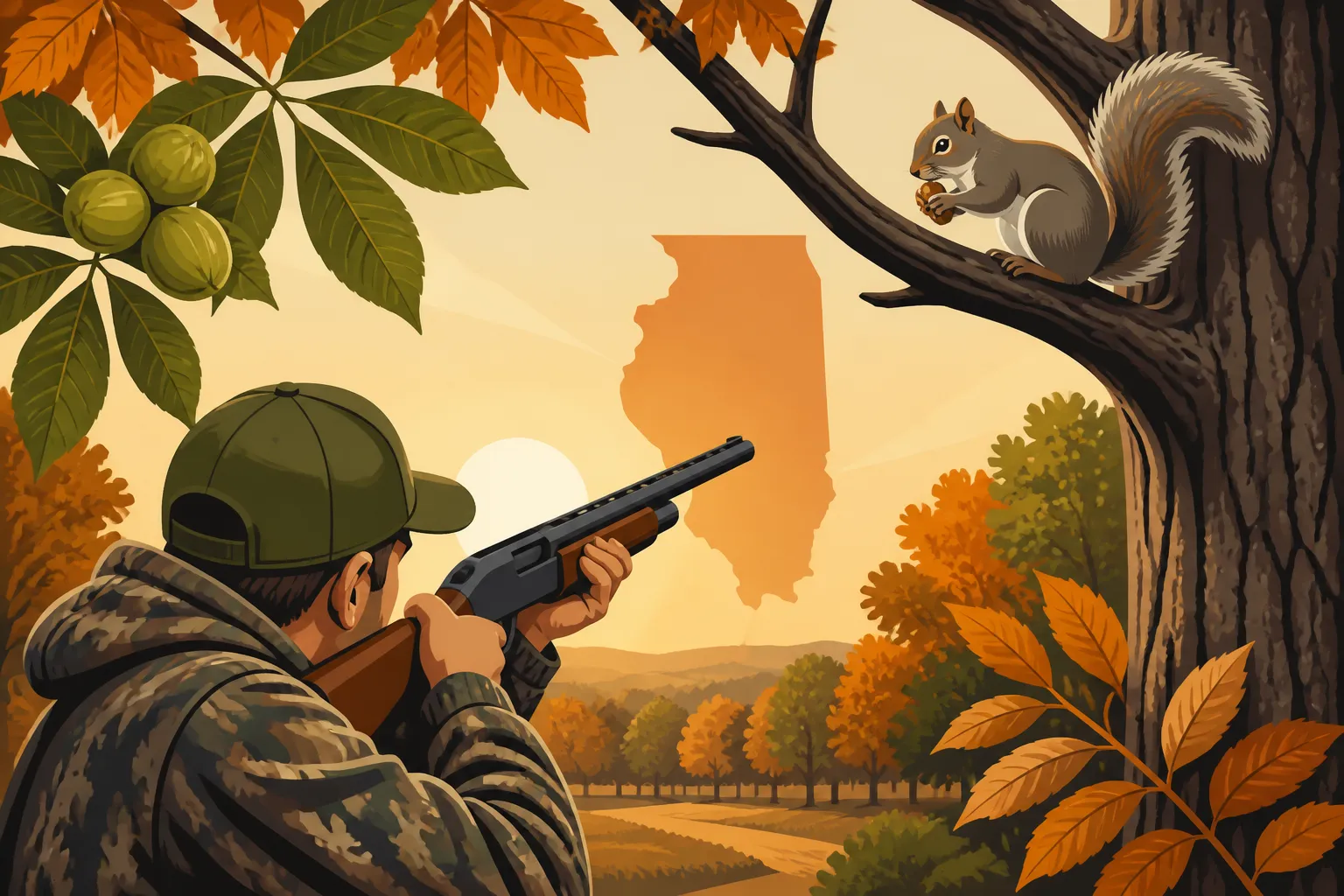
Hickory trees, particularly shagbark and pignut varieties, are absolute goldmines for squirrels. Their nuts are packed with calories and fat, essential for squirrels to put on weight for the winter. Unlike oak trees, which can be inconsistent year to year with their acorn production, hickories often have a more reliable, albeit sometimes localized, mast crop. When hickory nuts start to drop, usually from late summer into early fall, every squirrel in the vicinity takes notice. You'll find them eagerly cutting nuts from the branches, often dropping them to the forest floor where they'll bury them for later. It's this intense feeding activity that makes these groves so dynamic.
One of the biggest advantages of targeting hickory groves is the sheer volume of sign. Squirrels aren't subtle about their feasting. You'll see piles of freshly cut nut shells, particularly at the base of trees or on stumps where they perch to eat. This fresh "cut sign" is your absolute best indicator of current activity. If the shells are white and clean, squirrels have been there recently. If they're dark and weathered, the activity has moved on. For those looking to maximize their odds, paying attention to these details can make all the difference. Remember, the early bird gets the worm, or in this case, the early hunter often gets the squirrel before they scatter too widely.
Locating Prime Hickory Habitat in Illinois
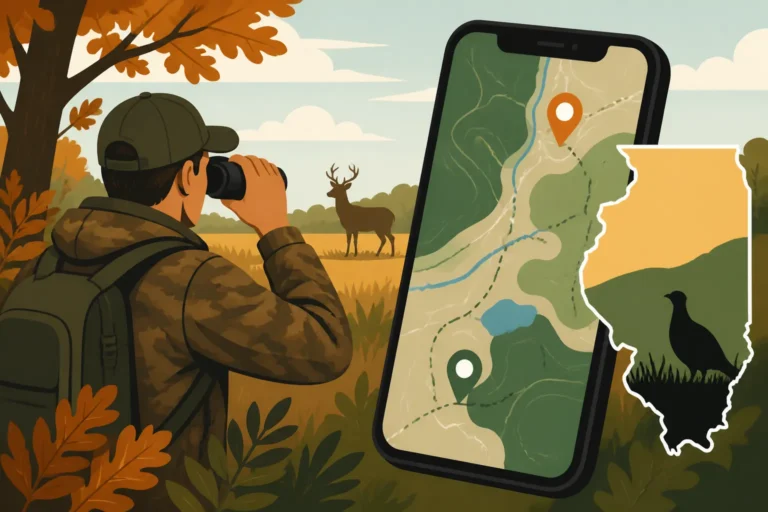
Finding these squirrel hotspots requires a bit of pre-season work and knowing where to look. Illinois has a diverse landscape, but hickory trees are common across many regions, often mixed with oaks and other hardwoods. Public lands like those found in the Shawnee National Forest or various State Fish and Wildlife Areas are excellent places to start. Look for mature timber stands, especially on ridges, draws, and along creek bottoms where soil conditions are favorable for hickory growth. Online mapping tools, like those offered by GoHunt, can be incredibly helpful for identifying these areas from the comfort of your home. You can often discern different tree types from satellite imagery, or at least identify mature hardwood blocks that are likely to contain hickories.
Once you’ve identified potential areas on a map, nothing beats boots on the ground scouting. Before the season opens, take a walk through these woods. Look for the distinctive bark of shagbark hickories, which peels off in long, curling strips, making them easy to identify. Pignut hickories have tighter, ridged bark. More importantly, scan the ground for fallen nuts and cut shells. This is a clear indicator that squirrels are (or will be) utilizing that specific grove. This kind of pre-season scouting is crucial, much like when you're Scouting Illinois Public Land Before Season for deer. You're looking for patterns of usage and confirming your suspicions from the map. Don't be afraid to venture a little deeper into the woods; sometimes the best groves are a bit off the beaten path, offering less hunting pressure.
Effective Tactics for Hunting Illinois Hickory Groves
Once you've found a promising hickory grove, the next challenge is actually putting squirrels in the bag. Squirrels are remarkably alert creatures, and they have excellent eyesight and hearing. Approaching them effectively in their natural habitat requires patience, stealth, and an understanding of their behavior.
Still-Hunting and Stalking Strategies
One of the most productive methods for hunting squirrels in hickory groves is still-hunting or stalking. This involves moving slowly and deliberately through the woods, pausing frequently to scan the trees and ground for movement. The key here is slow. Take a few steps, then stop for 5-10 minutes, letting your eyes and ears do the work. Squirrels are often active during these lulls, and you’ll catch them moving between trees, cutting nuts, or scampering along branches. When still-hunting, always try to move into the wind, or at least with a crosswind, to minimize the chances of a squirrel smelling you. This is less critical than with deer, but squirrels do have a keen sense of smell.
Pay close attention to the sounds of the forest floor. The rustling of leaves as a squirrel digs for buried nuts, or the distinct "thump" of a falling nut, can betray their location. If you spot a squirrel, don't rush the shot. Often, the first one you see isn't the only one around. Take your time, get a steady rest, and be prepared for follow-up shots. Sometimes, if you sit quietly after shooting one squirrel, others in the vicinity will resume their activity once the immediate danger seems to have passed. If you're moving through a very dense area, remember that squirrels often use the thick canopy for travel and escape, so always be looking up.
Reading Squirrel Sign and Using Calls
Squirrels leave behind plenty of clues, and learning to interpret them can significantly increase your success. Beyond the cut nuts, look for their "middens" – piles of discarded nut shells often found on logs, stumps, or tree roots where they sit to eat. Fresh middens indicate a frequently used feeding spot. Also, keep an eye out for squirrel "nests" or "dreys" – large, messy balls of leaves and twigs high in the branches. These are their homes, and while they won't necessarily be in them during the day, a high concentration of dreys indicates a healthy squirrel population in the area.
Sometimes, squirrels can be frustratingly quiet, or they'll be on the opposite side of a tree, peering around cautiously. This is where calls can come in handy. A simple squirrel bark call can often get a curious squirrel to peek out from behind cover, offering you a shot. You can also simulate the sound of two squirrels chattering or fighting to attract attention. There are also specialized squirrel calls on the market, but often, a simple hand-made "kiss" sound or a sharp "chrrrp" can be enough. Just like Rattling and Grunting in Illinois for deer, calling for squirrels isn't always a magic bullet, but it can turn a slow morning into a productive one. Patience is key, as squirrels might take a minute or two to respond to a call.
| Squirrel Species | Preferred Habitat in Hickory Groves | Key Characteristics | Hunting Considerations |
|---|---|---|---|
| Fox Squirrel | More open woods, field edges, larger timber | Larger, rusty-orange belly, more solitary, often on the ground | Slower to react, may hide on far side of tree, good for still-hunting |
| Gray Squirrel | Dense timber, deep woods, bottomlands | Smaller, gray coat, white belly, very social, agile in trees | Extremely quick, often in groups, requires faster target acquisition |
The table above highlights some differences that might impact your approach. Generally, fox squirrels are larger and spend more time on the ground, making them slightly easier targets for still-hunters. Gray squirrels, on the other hand, are smaller, more arboreal, and often found in larger groups, requiring quick reflexes. Understanding Gray Versus Fox Squirrels in Illinois can fine-tune your approach.
Essential Gear and Timing for Hickory Grove Hunts
Having the right gear and knowing the best times to hunt can significantly improve your chances of success when targeting squirrels in Illinois hickory groves. It’s not just about the gun; comfort and practicality play a big role in staying in the woods long enough to find the action.
Ideal Firearms and Ammunition
When it comes to firearms for squirrel hunting, hunters in Illinois have a few excellent options, each with its own advantages.
- Rimfire Rifles: A .22LR rifle is the classic squirrel gun. It's accurate, quiet, and the ammunition is affordable. Headshots are key to preserve meat, and a .22 excels at this. Some hunters prefer a .17 HMR for its flatter trajectory and increased range, especially in open timber.
- Shotguns: A 20-gauge or .410 shotgun loaded with small shot (like #6 or #7.5) is perfect for close-range shots or when squirrels are moving quickly through the canopy. They offer a wider pattern, making moving targets easier to hit, though they can cause more meat damage if shots are not placed carefully.
- Air Rifles: Modern, powerful air rifles, especially PCP (pre-charged pneumatic) models, are increasingly popular. They are extremely quiet, making them ideal for urban fringe areas or pressured public land, and deliver excellent accuracy for clean kills. This is a great option if you want to be stealthy.
No matter your choice, ensure your firearm is sighted in and that you're proficient with it. Practice shooting at small targets at varying distances to prepare for real-world scenarios.
Dressing for Success and Comfort
Comfort in the woods can make or break a hunt. Illinois weather can be unpredictable, especially during the early fall when hickory nuts are dropping.
- Layered Clothing: Start with light layers that you can shed as the day warms up or add as it cools down. Camouflage patterns that blend with the early fall woods (greens, browns, grays) are ideal.
- Footwear: Waterproof, comfortable hiking boots are a must. You'll be doing a lot of walking, and wet feet can quickly end a hunt.
- Bug Protection: Early season squirrel hunting can mean dealing with mosquitoes and ticks. A good insect repellent, possibly containing DEET or permethrin-treated clothing, is highly recommended.
- Other Essentials: A small backpack to carry water, snacks, a game pouch or vest for harvested squirrels, and a sharp knife for field dressing are invaluable. Some hunters also carry a small, lightweight stool or cushion for comfortable sitting during still-hunting phases. Having a mapping tool like GoHunt on your phone, perhaps with downloaded maps for offline use, is also a smart move to keep track of your location and potential hotspots.
Optimal Timing for Hickory Grove Squirrel Hunts
Timing is crucial when squirrel hunting. Knowing Illinois Squirrel Season Dates is the first step, but understanding when squirrels are most active within those dates is what leads to success.
- Early Season (Late Summer/Early Fall): This is prime time for hickory nuts. As soon as the nuts start dropping, squirrels become incredibly active. Mornings and late afternoons are typically best, but in cool, overcast weather, they can be active all day. The leaves are still thick, so spotting can be challenging, but it also offers more cover for hunters. This is when you'll often see How Early Season Squirrels Give Themselves Away by their frantic cutting and chattering.
- Mid-Season (Late Fall): As leaves drop, visibility improves dramatically, but squirrels might become more wary as hunting pressure increases. They will also be focusing on burying nuts for winter, making them more ground-oriented.
- Late Season (Winter): With snow on the ground, squirrels are less active and often stay in their dens. However, a sunny, calm winter day can bring them out to feed, especially if a good mast crop was buried. Tracks in the snow can lead you right to their feeding areas.
Focus your efforts during the first few hours after sunrise and the last few hours before sunset. During these times, squirrels are typically out of their dens and actively feeding or moving. High winds or heavy rain tend to make squirrels less active, as their keen senses are dulled, and they prefer to stay sheltered. However, a light drizzle or an overcast day can provide excellent hunting conditions, as it dampens sounds and provides natural camouflage.
Field Care and Management of Your Harvest
After a successful hunt in an Illinois hickory grove, proper field care of your squirrels ensures that the meat is delicious and doesn't go to waste. Squirrels are fantastic table fare, and taking a few extra minutes in the field makes a big difference.
Quick Field Dressing and Cooling
Once you've harvested a squirrel, it's best to field dress it as soon as possible, especially in warmer early season temperatures. Field dressing involves removing the internal organs. This helps the carcass cool down quickly, preventing spoilage and ensuring the meat tastes its best. Many hunters simply make a small incision in the abdomen and remove the guts by hand. While it might seem a bit messy, it's a quick process that pays dividends later.
After field dressing, you can either place the squirrel in a game pouch or a cooler with ice (if you’re close to your vehicle and hunting in warm weather). For longer hunts, simply letting the squirrel cool in the open air, carried by the legs or in a mesh game vest, is sufficient if temperatures are cool. Always check local regulations, but generally, small game like squirrels do not require reporting in Illinois like deer do.
Skinning and Processing Your Harvest
Skinning squirrels can be a bit of an art form, but once you get the hang of it, it's quite fast. There are several methods, but a common one involves making a cut across the back, then stepping on the squirrel's head and pulling on the hide to "peel" it off. Or, you can hang the squirrel by its hind legs and use a knife to carefully remove the hide. The key is to work quickly and cleanly.
Once skinned, you can either butcher the squirrel into pieces (legs, backstraps) or cook it whole. The meat is lean and flavorful, excellent in stews, fried, or roasted. Don't underestimate the bounty that a productive hickory grove can provide. Illinois hunters contribute significantly to the overall Illinois Squirrel Harvest Numbers each year, proving just how popular and rewarding this type of hunting can be. Respecting the animal and properly caring for the meat is an important part of the hunting tradition.
Disclaimer
Hunting is a regulated activity. Always consult the latest Illinois Department of Natural Resources (IDNR) regulations and local ordinances before heading afield. Ensure you have all required licenses and permits, understand season dates and bag limits, and prioritize safety at all times.