Illinois Squirrel Harvest Numbers
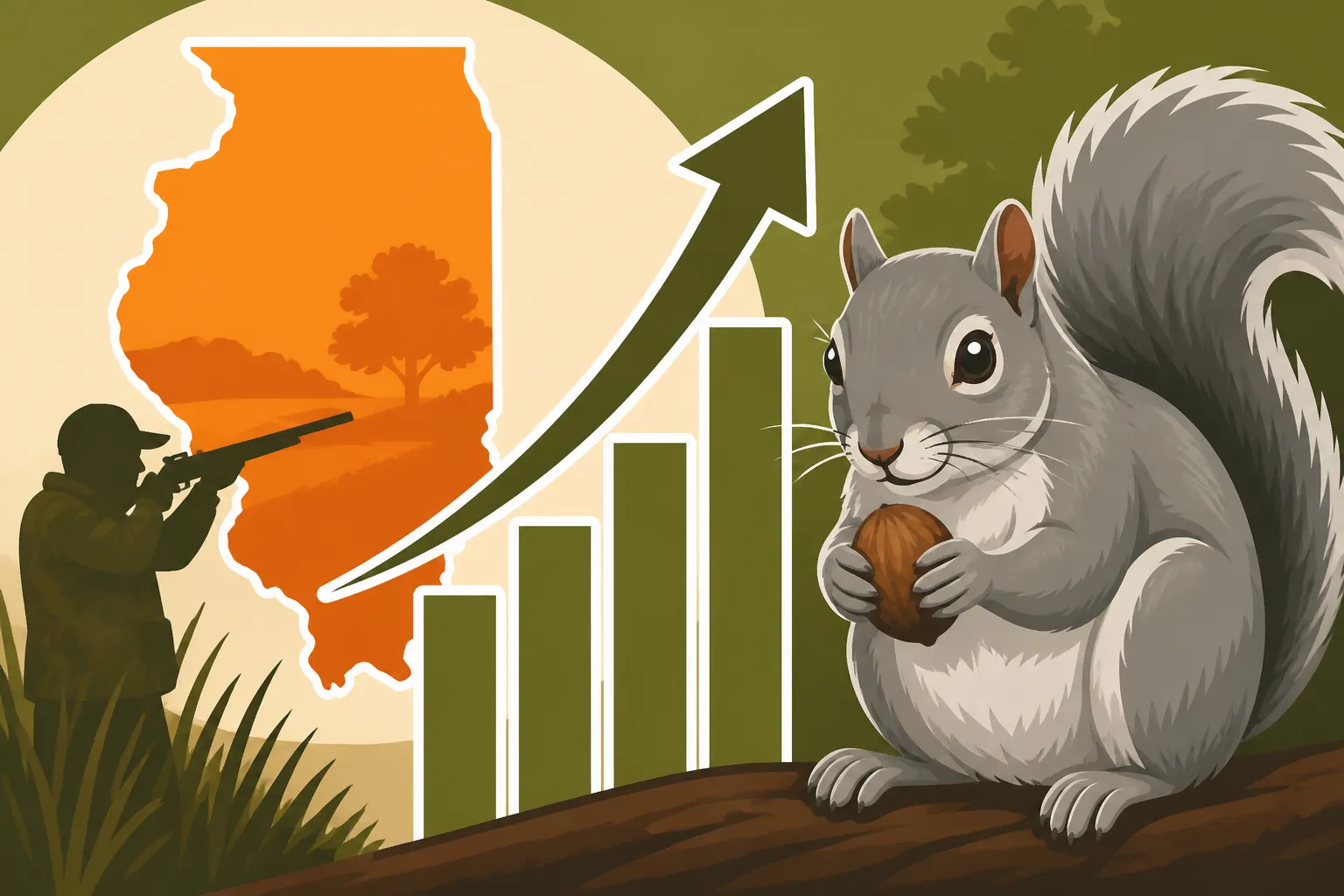
It's a common question among small game hunters in Illinois: "How are the squirrel numbers looking this year?" You spend hours scouting the timber, listening for the telltale bark, and trying to predict where the bushytails will be. But sometimes, despite your best efforts, the woods feel eerily quiet, leaving you wondering if the population is truly down or if you're just in the wrong spot. This guide will dive into Illinois's squirrel harvest numbers, what they truly mean, and how you can use this information, combined with your own field knowledge, to have a more successful season chasing these incredibly fun and challenging little game animals.
Understanding Illinois Squirrel Harvest Data
When you hear talk about "squirrel harvest numbers," it's easy to jump to conclusions, thinking it's a direct count of every squirrel in the woods. But it's actually a bit more complex than that. These figures are a crucial tool for wildlife biologists and hunters alike, offering insights into population trends, habitat health, and even hunter participation.
What Do Harvest Numbers Really Tell Us?
Harvest numbers are not a census; they’re an estimate based on hunter activity. What does that mean for you? Well, a high harvest number doesn't necessarily mean there are simply more squirrels than ever before. It could also indicate a really strong mast crop that year, making squirrels easier to find and concentrate, or perhaps an increase in hunter effort. Conversely, a lower harvest might signal a tough winter, a poor nut crop, or simply fewer people heading into the woods. It’s never just one factor, and the total number is a reflection of a complex ecosystem and hunting culture.
For instance, if you see a dip in harvest numbers, your first thought might be, "Oh no, the population is crashing!" But dig a little deeper, and you might find that the previous year saw a widespread acorn failure, which naturally impacts squirrel reproduction and survival, leading to fewer squirrels the following season. It's a rolling average, and you have to look at trends over several years, not just a single season's tally, to get a real sense of what's happening on the ground. These numbers are a starting point, a clue, not the full story of every timber stand.
How Illinois Collects Squirrel Harvest Data
The Illinois Department of Natural Resources (IDNR) doesn't have an army of folks counting every squirrel shot. Instead, they rely on a combination of surveys and estimates. The primary method involves post-season mail or phone surveys sent to a sample of licensed hunters. These surveys ask hunters about their hunting effort (how many days they hunted), where they hunted, and, crucially, how many squirrels they harvested. Biologists then extrapolate this data to estimate the total statewide harvest.
This system, while not perfect, provides a reliable snapshot over time. It helps the IDNR track the health of the squirrel population, understand hunting pressure, and make informed management decisions regarding season lengths, bag limits, and habitat initiatives. Sometimes, you might also find local data from specific public hunting areas where check stations are used for larger game like deer and turkey, and small game harvest is sometimes recorded or estimated as part of broader wildlife surveys. Tools like those found on the GoHunt platform can sometimes help you visualize or interpret this data by providing overlays with public land boundaries and habitat types, letting you connect the dots between reported harvest and the actual places hunters are finding success.
Interpreting Annual Squirrel Harvest Trends
Squirrel populations, like most wildlife, are in constant flux. There's rarely a "normal" year, and understanding the reasons behind these ups and downs can give you a significant edge when planning your own hunting trips. It's about looking beyond the simple numbers and considering the broader ecological picture.
Factors Influencing Yearly Fluctuations
Several key factors really drive the annual ebb and flow of Illinois's squirrel harvest. The most critical is the mast crop, particularly acorns and hickory nuts. Squirrels are highly dependent on these food sources, and a banner year for mast often means a boom in squirrel reproduction and survival the following year. If the acorns fail, you'll likely see fewer squirrels, and those that are around will be harder to find, as they're spread out searching for whatever food they can scavenge. It's a cycle that plays out year after year, directly impacting how many squirrels make it through winter and how many young are born in spring.
Beyond food, weather patterns play a significant role. Harsh winters with prolonged cold and deep snow can lead to higher mortality rates, especially for young or weaker squirrels. Conversely, mild winters allow more squirrels to survive, setting the stage for a stronger population. Spring and summer weather also matter; a cold, wet spring can reduce nesting success, while a severe drought in summer can impact food availability. Habitat changes, like timber harvest or urban development, also shift populations, pushing squirrels to new areas or reducing overall numbers in fragmented woodlots. Understanding these influences is key to making sense of the yearly harvest reports. You'll often find that even within Illinois, a good mast year in the south might not be a good one in the north, leading to localized differences in squirrel abundance.
Regional Differences in Illinois Squirrel Harvest
Illinois is a diverse state, from the rugged, forested hills of the south to the vast agricultural plains of central Illinois, and the river bottoms that crisscross the landscape. This variety means that squirrel harvest numbers can vary wildly from one region to another.
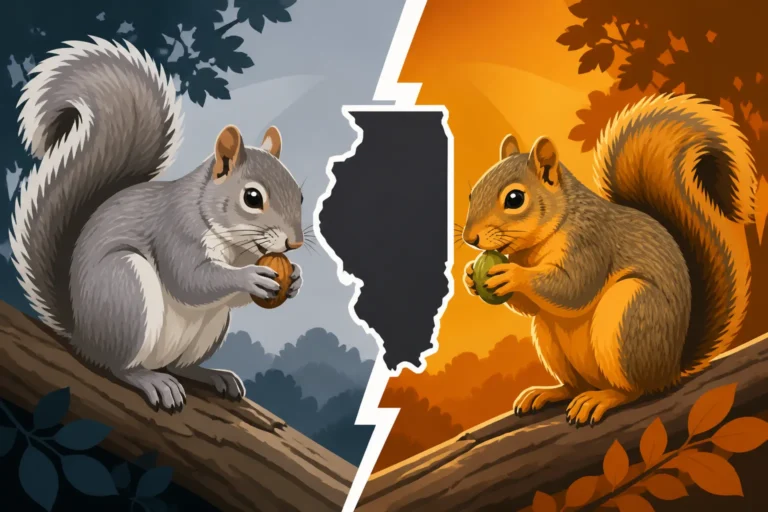
For example, the deep hardwood forests of Southern Illinois, particularly in areas like Shawnee National Forest, tend to support higher densities of both fox and gray squirrels. Here, you'll often find strong harvest numbers because the habitat provides ample food, cover, and denning sites. Hunters who focus on Squirrel Hunting Illinois Bottomland Hardwoods or areas with mature Squirrel Hunting Illinois Hickory Groves often report consistent success. The challenges here might be finding undisturbed pockets away from pressure.
Contrast that with Central Illinois, where timber patches are often smaller and more fragmented, bordering vast corn and soybean fields. While these areas can still hold good numbers of fox squirrels, especially along creek bottoms and fencerows, the overall harvest might be lower due to less continuous habitat. Squirrels here often rely heavily on agricultural crops in addition to what's available in the woodlots. Northern Illinois, similarly, has fragmented habitat, often with higher human population density and less public access. Understanding these regional distinctions, perhaps by using a mapping tool like GoHunt to scout public parcels, allows you to anticipate where you might find more robust squirrel populations and adjust your expectations accordingly.
Here's a generalized look at how squirrel presence might vary by habitat type, which often correlates with harvest potential:
| Habitat Type | Typical Squirrel Species | Abundance Potential | Notes |
|---|---|---|---|
| Mature Bottomland Hardwoods | Fox, Gray | High | Abundant mast, den trees, often near water sources. |
| Upland Oak-Hickory Forests | Fox, Gray | High | Primary food source, good cover, especially in southern Illinois. |
| Woodlots/Fencerows (Farmland) | Fox | Moderate to High | Isolated pockets, often rely on adjacent crops, can be pressured. |
| Urban/Suburban Parks & Greenbelts | Fox | Moderate | Can hold surprising numbers but hunting often restricted. |
| Young Timber/Brushy Areas | Fox | Low to Moderate | Less preferred due to lack of mast and den trees, but can be travel corridors. |
What Harvest Numbers Mean for Your Hunt
Knowing the statewide or regional squirrel harvest numbers is more than just trivia; it can genuinely inform your hunting strategy. It's about taking the big picture data and applying it to your boots-on-the-ground reality, helping you make smarter decisions about where and when to hunt.
Using Data to Plan Your Squirrel Season
Think of harvest data as a general weather forecast for squirrel hunting: it tells you if it's likely to be a "good" year or a "tough" one. If statewide harvest numbers are up, it’s a good sign that populations are healthy, possibly due to a strong mast crop the previous year. This might encourage you to explore new areas or expect quicker success in your usual spots. Conversely, if numbers are down, you might need to adjust your expectations, spend more time scouting, and perhaps hunt harder or target areas known to be consistent producers even in lean years.
But remember, these are broad strokes. You need to combine this macro data with micro-level scouting. For example, if the IDNR reports a good year for squirrels overall, but you know the specific woodlot you hunt had a poor acorn crop, you should adjust. Focus your efforts on timber stands that did produce a lot of nuts, even if it means trying a new piece of public land or getting Private Land Permission in Illinois. The GoHunt platform can be invaluable here, letting you pinpoint specific timber blocks, identify likely food sources, and even note past hunting pressure. It helps you see beyond the average and focus on the productive pockets.
Beyond the Numbers: Field Observation and Local Knowledge
While harvest statistics are helpful, they are no substitute for your own two eyes and ears in the woods. Nothing beats good old-fashioned scouting. Before Illinois Squirrel Season Dates arrive, spend some time walking the timber. Look for cut nut shells under oak and hickory trees – that's a direct indicator of current squirrel activity. Listen for their barks and chattering, and watch for them scampering through the branches. The presence of leaf nests high in the trees, especially if you see multiple, can also hint at a strong local population.
Talk to other hunters, too. Local knowledge is gold. That grizzled old-timer at the coffee shop might have invaluable insights into which woodlots are producing or which areas are seeing less pressure. Combining what you learn from statewide reports with specific observations about Illinois Squirrel Nest Counts and Mast Crops in your hunting area is the most effective way to ensure a productive season. Sometimes, the best spots are the ones that are a little harder to get to, the ones others walk past. A good example of this is learning How Early Season Squirrels Give Themselves Away by their chatter and feeding patterns, which helps you pinpoint them even before the season opens.
Managing Illinois Squirrel Populations for the Future
Our hunting heritage in Illinois, and indeed across the country, is built on the foundation of conservation. As hunters, we play a vital role in ensuring that species like the squirrel continue to thrive for generations to come. Understanding how populations are managed and how we contribute is part of that responsibility.
Habitat Management and Its Impact on Squirrels
The single biggest factor influencing squirrel populations is habitat. Squirrels need mature hardwood forests with a diverse mix of mast-producing trees like oaks and hickories. They also need den trees – old growth with cavities – for nesting and protection from predators and harsh weather. When forests are fragmented by development, converted to agriculture, or managed without these specific needs in mind, squirrel numbers suffer.
Positive habitat management efforts include selective timber harvesting that promotes a healthy age class of mast trees, protecting riparian corridors (areas along rivers and streams) that often contain rich hardwood bottoms, and preventing uncontrolled wildfires that can destroy den trees and young mast. You'll often find state and federal lands, such as those managed by the IDNR or the U.S. Forest Service in Shawnee National Forest Hunting areas, actively engaging in these practices. These efforts directly support not just squirrels, but a whole host of other wildlife that relies on healthy forests. When you see improvements in squirrel harvest numbers over several years, it's often a testament to successful habitat work.
The Role of Hunters in Conservation
As hunters, we're not just consumers of wildlife; we are its most ardent conservationists. Our license fees and excise taxes on hunting equipment directly fund wildlife research, habitat acquisition, and management programs in Illinois. By participating in Squirrel and Small Game Hunting in Illinois, we contribute financially and ethically to the long-term health of these populations.
Beyond financial contributions, ethical hunting practices are paramount. This means knowing and adhering to Illinois Small Game Season Rules, including bag limits and shooting hours, to ensure sustainable harvest. It also means being a steward of the land – leaving no trace, respecting private property, and reporting any suspicious activity that might harm wildlife. Staying informed about Illinois Wildlife Disease Monitoring can also help, as healthy ecosystems are resilient ecosystems. Ultimately, every time we venture into the Illinois woods for squirrels, we're not just pursuing game; we're engaging in a tradition that helps preserve the very resources we cherish.
Disclaimer
This article is for general informational purposes only and does not constitute professional advice. Laws, prices and regulations vary by location and change over time. Consult a qualified professional for guidance on your specific situation.