Getting Private Land Permission in Illinois
For many Illinois hunters, the dream scenario involves hunting private land. The reality is, finding good public land with light pressure can feel like winning the lottery, and often, the most consistent opportunities for deer, turkey, or even small game lie behind a "No Trespassing" sign. This comprehensive guide is all about demystifying the process of securing private land permission in Illinois, helping you understand the laws, make the right approaches, and build lasting relationships with landowners.
The Reality of Illinois Hunting Access
Let's be honest, Illinois is a hunter's paradise for deer and turkey, but that also means competition for prime spots can be fierce. Public land, while valuable, often sees heavy pressure, especially during opening weekends or the peak of the rut. That's why private land access isn't just a luxury; for many, it's the key to consistent, quality hunting experiences in the Prairie State.
The Appeal of Private Land Hunting
Imagine stepping into the woods before dawn, knowing that you're likely the only hunter setting foot in that particular timber stand or along that creek bottom. That's the primary draw of private land. It offers reduced pressure, the potential for older-age-class animals that haven't been pushed around, and the chance to implement long-term habitat and hunting strategies without interference. On private property, you can often leave stands up, scout more freely, and truly learn an area over time, anticipating deer and turkey movements with a level of precision that's almost impossible on pressured public ground.
It's not just about bigger bucks, either. For waterfowlers, a private farm pond or flooded timber could mean exclusive access to prime duck and goose resting areas. Small game hunters might find undisturbed fencerows or brush piles teeming with rabbits and pheasants. The ability to control access and manage the wildlife on a given parcel transforms hunting from a hopeful endeavor into a more strategic pursuit. This level of control and predictability is a game-changer for serious hunters.
Challenges of Public Land Hunting
While Illinois offers some fantastic public hunting opportunities—from the expansive Shawnee National Forest Hunting to numerous State Fish and Wildlife Areas—these spots come with their own set of challenges. The biggest, by far, is hunter density. During firearms season, or even the peak of archery, you might find multiple trucks parked at every access point, and it's not uncommon to bump into other hunters deeper in the woods. This pressure can make game skittish, force them into nocturnal patterns, and generally make for a less enjoyable and less productive hunt.
Furthermore, public land often has more restrictions on stand placement, trail cameras, and habitat modifications. You can't just clear a shooting lane or hinge-cut some trees to improve cover, nor can you plant a food plot. You're operating within stricter guidelines, and you have to adapt to the land as it is, not as you might want it to be. This means relying more heavily on pure woodsmanship and scouting to find those overlooked pockets. While it certainly hones your skills, it can also lead to frustration when you know the potential for better habitat exists just across a property line. For many, the consistent success found on private land is worth the effort to secure it.
Understanding Illinois Trespass Laws
Before you even think about approaching a landowner, it's absolutely crucial to understand the legal framework surrounding private property and hunting in Illinois. Ignorance of the law is never an excuse, and making a mistake here can lead to fines, loss of hunting privileges, and even criminal charges, not to mention permanently damaging your reputation as a responsible hunter.
What Constitutes Trespassing in Illinois?
In Illinois, you absolutely need permission to hunt, fish, or trap on private land. The law is quite clear: if land is not explicitly designated as public hunting ground, it is considered private, and you must have permission from the landowner or tenant to be there. This isn't just a gentleman's agreement; it's the law. Illinois Trespass and Permission Law states that any entry upon land that is clearly marked with "No Trespassing" signs or purple paint marks, or if the property is fenced or otherwise enclosed, is considered trespassing without permission. Even if the land isn't posted, if you don't have explicit permission, you could still be in violation.
It's not enough to assume permission because you've seen others hunt there, or because it looks "unmanaged." Every single time you step onto private land, you need to be able to prove you have permission. This is especially true for retrieving game. If a deer or turkey you've shot on public land crosses onto private land, you cannot pursue it without obtaining permission from that landowner first. This can be a tough pill to swallow when a trophy buck is just out of reach, but respecting property rights is paramount.
Written Versus Verbal Permission
While a verbal agreement can be legally binding in Illinois, it's always, always better to get permission in writing. This protects both you and the landowner. A verbal "sure, go ahead" might seem fine at the moment, but memories fade, and disputes can arise. What if the landowner forgets they gave you permission, or their family member sees you and calls the sheriff? What if the land changes hands? Having something in writing, even a simple signed note, removes all ambiguity.
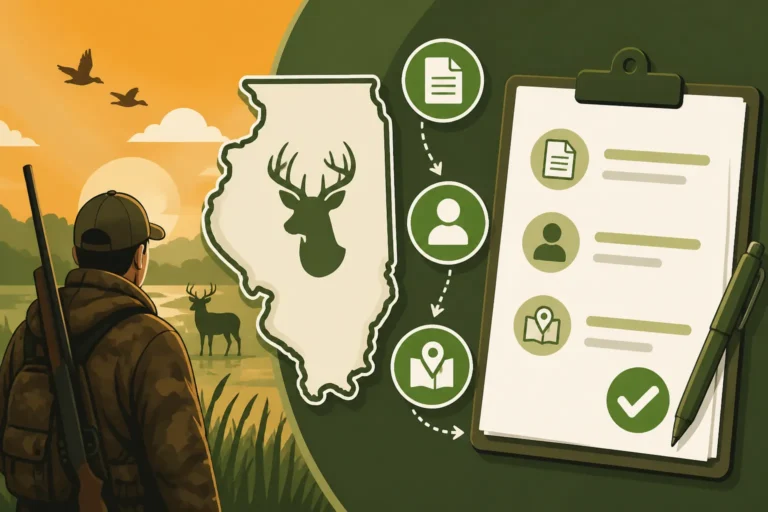
Many landowners prefer written permission precisely for this reason. It clarifies the terms: what species you can hunt, during which seasons, what areas of the property are off-limits, whether you can bring guests, and if you can use ATVs or set up permanent stands. A written agreement prevents misunderstandings and demonstrates that you are a serious, respectful, and responsible hunter. You can find simple templates online, or even just write one out on a piece of paper, listing the dates, the property address, the hunter's name, and both parties' signatures. This tiny effort can save a world of trouble down the line. Do You Need Written Permission in Illinois? goes into more detail on this critical point.
The Art of Asking: How to Approach Landowners
Securing private land permission isn't just about knocking on doors; it's a social skill, a bit of diplomacy, and a whole lot of common sense. Landowners are often wary of strangers, especially those asking for access to their property with a firearm. Your approach can make all the difference between a polite "no" and a resounding "yes."
Identifying Potential Properties and Landowners
Your first step is research, not just knocking. Start by identifying areas that hold the game you want to hunt. This could be by driving rural roads, observing habitat, or using satellite imagery tools like onX Hunt. onX Hunt is an invaluable tool here because it allows you to overlay property boundaries and landowner names onto aerial maps. This means you can pinpoint specific parcels that look promising and immediately identify who owns them, often even providing mailing addresses or phone numbers. GoHunt also offers similar mapping functionalities that can help you cross-reference and get a better picture of land ownership and habitat.
Focus on properties that have good cover, food sources, and water, but also consider parcels that might be overlooked. Smaller, less accessible woodlots that aren't large enough for a traditional deer drive or properties owned by elderly individuals who no longer hunt might be easier to gain access to. Don't be afraid to look at properties a little further afield. Sometimes the best opportunities are found a couple of counties away, where the local hunting pressure might be less intense. Finding Illinois Property Lines will further assist you in this crucial initial research phase.
Making the Initial Contact
Once you've identified a landowner, the best approach is often in person. Dress neatly, not in camo, and certainly not with hunting gear. You want to appear respectful, not like you're about to head straight into their woods. Choose a time when they're likely to be home and not busy, like late afternoon on a weekday or a weekend morning. Avoid mealtimes or late evenings. When they answer the door, introduce yourself clearly, state your purpose, and immediately convey respect for their property.
For example: "Good afternoon, my name is [Your Name]. I'm a local hunter, and I live just a few miles down the road. I noticed you have some beautiful timber behind your house, and I was wondering if you ever allow respectful hunters to access your property for deer hunting?" Be prepared for a "no." Don't argue or act disappointed. Thank them for their time, leave a card if you have one, and move on. A polite "no" today doesn't mean a "no" forever; you might try again in a different season, or if circumstances change. Knocking on Doors in Central Illinois Farm Country is a great resource specifically for this type of initial contact in a common Illinois landscape.
What to Say and How to Present Yourself
Your words and demeanor are your most powerful tools. Be polite, articulate, and honest. Clearly explain why you're asking for permission. Perhaps you're looking for a safe, low-pressure place to take your son hunting, or you want to help control a deer population that's impacting their crops, or you've simply been admiring their property from the road for years. Offer to help them in return, even if they don't ask. This could be helping with chores, fixing fences, clearing brush, or keeping an eye on their property. This willingness to reciprocate shows you're not just looking to take, but to build a relationship.
Be specific about what you want to hunt and when. "I'm primarily interested in bowhunting for deer during the archery season, and I'd only be out a couple of mornings or evenings a week, quietly, from a portable stand." This is much better than a vague "can I hunt here?" Emphasize safety: you're a safe hunter, you respect boundaries, and you'll always inform them when you'll be on the property. Reiterate that you will leave no trace, packing out everything you pack in. You are presenting yourself as an asset, not a liability, to their property.
Building and Maintaining Relationships
Getting permission once is a great start, but the true goal is to establish a long-term relationship based on trust and mutual respect. Landowners are more likely to grant permission to someone they know and trust, and maintaining that trust is critical for continued access.
The Importance of Trust and Respect
Trust is the bedrock of any successful landowner-hunter relationship. When a landowner grants you access, they are essentially inviting you onto their private domain, a place where they expect peace and security. Any breach of that trust—whether it's leaving trash, driving recklessly, bringing unapproved guests, or failing to communicate—can instantly sever that privilege. Respect for their property extends beyond hunting too; it means respecting their livestock, crops, fences, and personal space.
Always remember that you are a guest. Their property is not your private hunting club, and you should treat it with more care than you would your own. If you promise to call before you come, do it. If you say you'll close a gate, make sure it's latched. Little things add up and reinforce your reliability. This trust can open doors not just for you, but potentially for other ethical hunters in the future. A bad experience with one hunter can lead a landowner to close their property to everyone.
Communication is Key
Regular and clear communication is vital. Don't just show up and start hunting. Before each visit, give the landowner a call or text to let them know when you plan to be there and what you'll be doing. This simple courtesy allows them to know who is on their land and prevents any surprises or misunderstandings. It also allows them to let you know if there's a family gathering, farm work, or anything else that might make your presence inconvenient.
If you harvest an animal, inform them promptly. Offer them some of the venison, especially if they don't hunt themselves. It's a tangible way to say thank you and share the bounty. If you notice anything unusual on their property—like a broken fence, downed tree, or suspicious vehicle—let them know. This demonstrates that you're not just there for the hunt, but that you're an extra set of eyes looking out for their interests. Proactive communication reinforces your value as a responsible steward of their land.
Going Above and Beyond
To truly solidify your access, look for ways to help out, even when it's not hunting season. Offer to help with chores like mowing, clearing brush, fixing fences, or checking on livestock. Maybe they need help moving hay or repairing a barn door. Even a small gesture, like bringing them a pie or a gift basket around the holidays, can go a long way. These actions show genuine appreciation and strengthen your bond beyond just hunting.
Consider planting a small food plot in an out-of-the-way corner, with their permission, of course. This benefits the wildlife, and by extension, their property, while also demonstrating your commitment. Food Plots on Illinois Private Land can provide ideas for this. You might also offer to help with other forms of wildlife management, such as trimming shooting lanes that could benefit their property aesthetically, or removing invasive species. Your goal is to become an asset to the landowner, someone they trust and value, not just a seasonal visitor.
Navigating Different Types of Private Land
Illinois is a diverse state, ranging from vast agricultural fields to rolling timbered hills and river bottoms. The type of private land you're seeking permission on often dictates the best approach and what you can expect in terms of hunting opportunities.
Farmland and Crop Fields
Central and Northern Illinois are dominated by agriculture, making farmland a common type of private property. Farmers are often dealing with crop damage from deer and may be more open to hunters who can help manage populations. When approaching a farmer, emphasize your willingness to be careful around crops, equipment, and livestock. Always ask about their harvesting schedule and avoid hunting areas where machinery will be operating. Deer often bed in standing corn and move to woodlots or CRP fields, so understanding these patterns is crucial.
You might find great opportunities along field edges, fencerows, and small woodlots adjacent to cropland. These areas can funnel deer movement. However, hunting these areas requires extreme caution to avoid shooting toward homes or barns. Be extra respectful of gates and driveways. Offer to help with mundane tasks like picking up trash along field edges or checking fences. Farmers appreciate reliability and respect for their livelihood. Hunting Central Illinois Farmland Deer provides specific tactics for these agricultural landscapes.
Timbered Tracts and Woodlots
Whether it's a small five-acre woodlot or a sprawling timber parcel, these are often prime hunting spots. In Southern Illinois, particularly around the Shawnee National Forest Hunting region, you'll find more extensive timbered tracts. Landowners here might not be farmers, but rather private individuals who own recreational property, or simply inherited land. Their concerns might be less about crop damage and more about property security, peace and quiet, or maintaining the aesthetics of their woods.
When seeking permission for timbered areas, emphasize your quiet hunting style and your respect for the natural environment. Offer to help with timber stand improvement, clearing downed trees, or maintaining trails. If you're a bowhunter, highlight your low impact. Be mindful of property boundaries, especially if the timber abuts other private land or public access. Using an app like onX Hunt to clearly identify property lines and ensure you don't accidentally trespass is vital. These smaller Hunting Small Private Tracts in Illinois can be gems if you find a willing landowner.
Recreational Properties and Estates
Some private landowners have larger estates or recreational properties primarily for their own enjoyment. These might include fishing ponds, horseback riding trails, or simply a secluded retreat. Gaining permission here can be more challenging, as these owners might value solitude above all else. However, some might be open to hunting if they trust you implicitly and see you as someone who enhances, rather than detracts from, their property's value.
For these properties, a strong emphasis on your quiet demeanor, safety record, and willingness to integrate with their existing activities is key. Perhaps they have a problem with coyotes threatening their pets or livestock, offering an opportunity for predator hunting. Or maybe they simply enjoy seeing wildlife and appreciate ethical management. Again, offering assistance with property maintenance, trail upkeep, or security surveillance can be a powerful incentive. The more you can align your hunting goals with their property management goals, the better your chances.
Beyond a Handshake: Written Agreements and Leases
While a verbal agreement can get your foot in the door, formalizing your arrangement with a written agreement or a hunting lease offers significantly more protection and clarity for both parties. This is especially true as hunting interest grows and liability concerns become more prevalent.
Creating a Simple Written Agreement
Even if you're not paying for access, a simple written agreement is highly recommended. This document doesn't need to be complex or involve lawyers, though it certainly can if either party prefers. At its core, it should outline the fundamental aspects of your permission:
- Parties Involved: Your full name and the landowner's full name.
- Property Description: Legal description or physical address, clearly defining the boundaries.
- Duration: Start and end dates of the permission. Is it for a specific season, a calendar year, or indefinitely until revoked?
- Permitted Activities: What you can hunt (deer, turkey, small game), which seasons, and what methods (archery, firearm).
- Restrictions: Any areas off-limits, use of ATVs, guests, permanent stands, trail cameras.
- Liability Waiver: A statement acknowledging that hunting has inherent risks and that the landowner is not liable for accidents.
- Communication Clause: Agreement on how and when you will notify the landowner before hunting.
- Signature and Date: Both parties sign and date the document.
A written agreement forces both parties to think through the details and creates a clear record. It prevents "he said, she said" scenarios and provides peace of mind. This is a crucial step for protecting your hunting access and the landowner's property rights.
Understanding Hunting Leases
For longer-term access to prime hunting ground, especially if you're looking for more control or the ability to manage the property, a hunting lease might be the answer. Illinois Hunting Lease Costs can vary wildly depending on location, acreage, game quality, and amenities. A lease is a formal contract, typically involving monetary compensation to the landowner, granting you exclusive hunting rights for a defined period.
Leases offer several advantages:
- Exclusivity: You're often the only hunter or group of hunters on the property.
- Management Potential: With the landowner's permission, you might be able to implement food plots, hinge cutting, or other habitat improvements.
- Long-Term Access: Leases often run for multiple years, providing stability.
- Clear Terms: All aspects, including liability, guest policies, and specific hunting dates, are spelled out.
However, leases also come with responsibilities. You're essentially renting the hunting rights, and you'll be expected to adhere strictly to the terms, pay on time, and often maintain the property as agreed. This option is usually for more serious, committed hunters or groups who want to invest in a quality hunting experience. Sites like GoHunt (though less prevalent for IL leases) or local real estate agents specializing in rural properties might list leases, but often, the best leases are found through word-of-mouth.
Pros and Cons of Different Access Agreements
Understanding the trade-offs between different types of agreements can help you decide which approach is best for your situation. Here's a quick comparison:
| Feature | Verbal Permission | Written Permission (Free) | Hunting Lease (Paid) |
|---|---|---|---|
| Ease of Obtaining | Easiest, most informal | Slightly more effort than verbal | Most difficult, requires negotiation |
| Clarity of Terms | Low, relies on memory | High, all terms documented | Very high, legally binding contract |
| Hunter Protection | Low, easily disputed | Good, protects against misunderstanding | Excellent, clear rights and responsibilities |
| Landowner Protection | Low, hard to enforce rules | Good, establishes boundaries and rules | Excellent, clear legal framework |
| Exclusivity | Unlikely | Possible, if agreed upon | High, typically guaranteed |
| Ability to Improve Property | Unlikely, without explicit verbal approval | Possible, if agreed upon in writing | High, often part of the agreement |
| Cost | Free | Free | Significant annual cost |
| Relationship Building | Can be good, but vulnerable | Strong, shows respect and seriousness | Strong, professional relationship |
Leveraging Technology for Scouting and Research
In today's hunting world, technology is no longer a luxury; it's an essential tool for scouting, understanding property boundaries, and even identifying landowners. Using these tools effectively can give you a significant edge in securing private land permission in Illinois.
Using Mapping Apps for Landowner Information
Mapping applications like onX Hunt have revolutionized how hunters interact with land. With onX Hunt, you can pull up satellite imagery and immediately see property lines, landowner names, and often even parcel numbers. This is incredibly powerful. Instead of guessing who owns that promising looking timber block, you know instantly. You can then use this information to look up mailing addresses or phone numbers through county assessor websites or online white pages.
Being able to walk up to a door and say, "Mr. Johnson, I'm [Your Name], and I was admiring the timber on your property at 123 Main Street," shows that you've done your homework and are serious and respectful. It immediately sets you apart from someone who just randomly knocks on doors. These apps also allow you to mark potential access points, note down areas of interest, and even track your movements, ensuring you stay on the correct property lines once permission is granted. Scouting With the Illinois DNR App is also a great tool, especially for public land, but combining it with private land mapping apps gives you the full picture.
Aerial Imagery and Topographical Maps
Beyond just property lines, aerial imagery and topographical maps are invaluable for understanding the lay of the land without ever stepping foot on it. You can identify potential bedding areas, travel corridors, food sources, and water. Look for pinch points, funnels between woodlots, creek bottoms, and changes in elevation. Understanding these features helps you articulate to a landowner why their property is attractive and demonstrates your knowledge of deer movement.
For example, when looking at a potential property on a map, you might see a narrow strip of timber connecting two larger woodlots. This is a classic deer funnel. You could point this out to a landowner and explain how you'd quietly set up a stand to capitalize on such a feature, reassuring them of your strategic and low-impact approach. Reading Aerial Photos for Southern Illinois Deer is a skill that translates perfectly to private land, allowing you to identify key terrain features and predict game movement. GoHunt also offers robust mapping features, including 3D terrain views, that can help you visualize elevation changes and how they might affect animal movement or stand placement.
Utilizing Online Resources for Research
Beyond mapping apps, a wealth of online resources can aid your quest for private land access. County government websites, particularly those for the assessor's or recorder's office, often have searchable databases for property ownership. You can type in an address or a parcel ID and often find owner names, mailing addresses, and sometimes even tax information.
For specific areas, local hunting forums or social media groups might offer insights into regional hunting opportunities or challenges. While you won't typically find direct landowner contact info, you can gather general information about game populations, local sentiments towards hunting, or common access issues in an area. Remember to always cross-reference information and prioritize official sources for legal details and landowner contacts. This comprehensive research helps you present yourself as a knowledgeable and prepared hunter.
Alternative Private Land Access Strategies
Not every private land opportunity comes from knocking on doors. There are several other avenues you can explore to gain access, especially if you're willing to invest a little more time, effort, or money.
Joining a Hunting Club or Lease Syndicate
If solo door-knocking isn't yielding results, or you prefer a more communal hunting experience, joining a hunting club or a lease syndicate is a viable option. Illinois Hunting Club Territory Sizes can range from a few hundred acres to thousands, often with established management plans, shared responsibilities, and camaraderie among members. These clubs typically involve an annual membership fee, which covers the cost of leasing the land, insurance, and sometimes even habitat improvements.
Lease syndicates are similar but might be smaller groups of friends or acquaintances who pool resources to lease a piece of property. This can be a more affordable way to gain exclusive access without the higher costs of a fully outfitted lodge hunt. While there's a financial commitment, the benefits of consistent access, known hunting pressure, and the ability to implement management strategies often outweigh the cost for many dedicated hunters. Look for clubs or syndicates in the areas you want to hunt, and inquire about membership availability.
Short-Term Paid Access and Day Leases
Some landowners, particularly those with prime waterfowl or deer hunting ground, might offer short-term paid access or day leases. This is less common for general deer or turkey hunting in Illinois but can be found for specialized hunts, especially waterfowl. A day lease allows you to hunt a specific property for a set fee for a day or a weekend. It's a way for landowners to monetize their property without committing to a full season lease.
While potentially more expensive on a per-day basis, this can be a great option for a one-off trip or if you're targeting a specific time frame, like the peak of the Illinois Waterfowl Migration Timing or Hunting the Illinois Rut in Early November. These opportunities are often advertised through local hunting supply stores, classifieds, or specialized hunting websites. Always clarify what's included in the fee, what species you can hunt, and any specific rules or boundaries before committing.
Utilizing Family, Friends, and Networking
Sometimes, the easiest way to get private land permission is through existing connections. Do you have family members who live in rural areas? Friends who own farms or have relatives who do? Start by reaching out to your personal network. A warm introduction from a mutual acquaintance can go a long way in building trust with a landowner. People are often more willing to grant permission to someone vouched for by a trusted source.
Beyond direct connections, simply being active in your local hunting community, joining conservation organizations like Pheasants Forever or the National Wild Turkey Federation, or attending local sportsman's dinners can expand your network. You might meet landowners who are looking for responsible hunters, or other hunters who can offer advice or even share access on properties where they already have permission. Networking is a long game, but the relationships you build can lead to incredible opportunities down the line.
Disclaimer
This article is for general informational purposes only and does not constitute professional advice. Laws, prices and regulations vary by location and change over time. Consult a qualified professional for guidance on your specific situation.