Illinois Turkey Brood Survey Results
If you're an Illinois turkey hunter, you know the feeling: anticipating spring, hoping for those booming gobblers, but always wondering what kind of season it's going to be. Will it be a banner year with birds everywhere, or will you be scratching your head trying to locate even a lonely hen? A big part of that answer lies in the previous year's reproduction, specifically what the turkey brood survey results tell us. This guide will walk you through what these surveys are, how to interpret them, and how you can use this vital information to fine-tune your hunting strategy for the upcoming seasons.
Understanding Illinois Turkey Brood Surveys: Why They Matter to Hunters
For many of us, the spring turkey season is the highlight of the hunting calendar. There's nothing quite like matching wits with a wary gobbler as the woods come alive. But the success of any given season, and the long-term health of our wild turkey population, hinges directly on how well those birds reproduced the year before. That's where turkey brood surveys come in, providing a crucial snapshot of the future.
What is a Turkey Brood Survey?
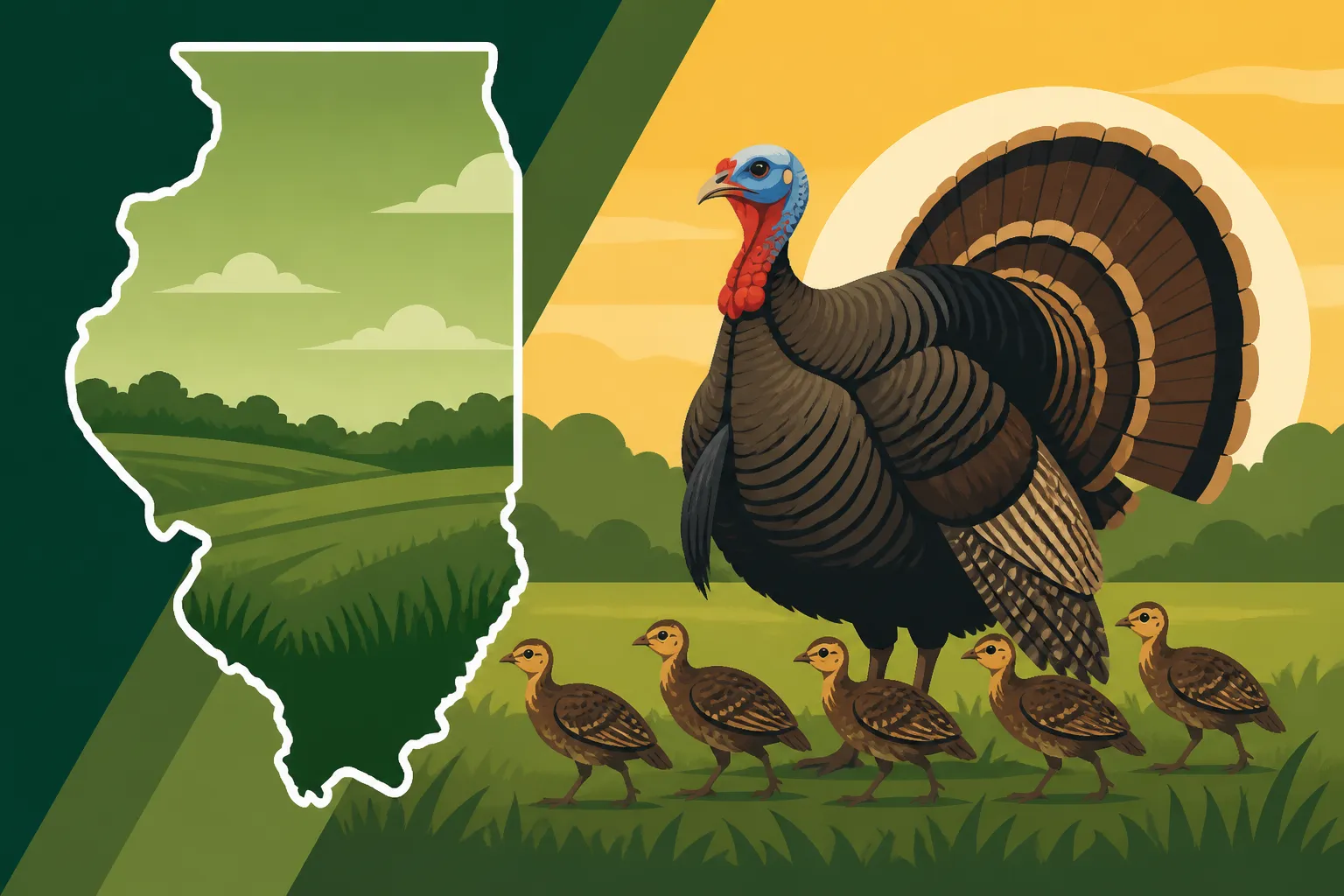
At its heart, a turkey brood survey is a systematic way for wildlife agencies, like the Illinois Department of Natural Resources (IDNR), to monitor the reproductive success of wild turkeys. Essentially, it's about counting poults (young turkeys) per hen observed during the summer months. This isn't just a casual headcount; it's a critical tool for biologists to gauge the health and trajectory of the turkey population. Think of it as an annual report card for our state's wild turkeys, indicating whether they had a good year raising their young. A robust survey helps us understand potential changes in numbers before we even step foot in the woods with a call.
The Importance of Poult-to-Hen Ratios
The primary metric derived from these surveys is the poult-to-hen ratio. This number represents the average number of young turkeys observed per adult hen. If you see a ratio like 2.5:1, it means that for every adult hen observed, there were, on average, 2.5 poults accompanying her. This ratio is incredibly important because it's a direct indicator of reproductive success. A high poult-to-hen ratio suggests a successful nesting and brooding season, leading to more jakes and adult gobblers in future seasons. Conversely, a low ratio often spells a tougher hunting season a year or two down the line, as fewer young birds survived to maturity. Understanding Poult-to-Hen Ratios and What They Mean can really help you set expectations and plan accordingly.
From Survey Data to Season Predictions
The data collected through these brood surveys isn't just interesting trivia; it directly informs wildlife management decisions and, by extension, your hunting prospects. Biologists use these trends to understand population fluctuations, identify areas where turkeys might be struggling, and even consider adjustments to season lengths or bag limits, though significant changes are rare and typically based on long-term trends. For hunters, knowing these trends can give you a significant edge. If the poult-to-hen ratio was strong in a particular region the previous summer, you might anticipate a higher density of jakes and 2-year-old gobblers in that area the following spring, offering more opportunities. Conversely, a poor hatch might mean focusing on established adult birds and adjusting your expectations for encounters.
How Illinois Collects and Analyzes Brood Data
You might wonder how a state as large and diverse as Illinois manages to gather this kind of detailed information across its turkey range. It's a testament to both dedicated wildlife professionals and, crucially, the participation of everyday citizens who have a passion for wildlife.
The Citizen Science Approach
The Illinois Department of Natural Resources relies heavily on a "citizen science" approach for its turkey brood surveys. What this means is that hunters, farmers, landowners, and other wildlife enthusiasts volunteer their time to observe and report turkey broods they encounter during specific summer months, typically June, July, and August. These volunteers are essential; they're out in the field, often on properties where IDNR staff simply can't be every day. Participants are asked to record the date, county, the number of adult hens, and the number of poults observed in each brood. This decentralized, widespread effort allows for a much broader data collection footprint than what a few biologists could achieve on their own. If you're out and about during the summer and see a hen with her chicks, your observation can be valuable.
Data Points Collected and Geographic Scope
When cooperators report their sightings, they're typically logging several key pieces of information:
- Date of observation: Helps track seasonal trends in poult development.
- County: Pinpoints geographic areas of success or struggle.
- Number of adult hens: Distinguishes between lone hens and those with young.
- Number of poults: The crucial count for reproductive success.
- Total number of turkeys: Provides an overall picture.
This data is then compiled by the IDNR. The geographic scope covers all areas of the state where wild turkeys are present, from the timbered hills of Southern Illinois to the woodlots and creek bottoms of the central and northern farmlands. This comprehensive approach allows biologists to identify regional differences in productivity, which can be influenced by local habitat, weather patterns, or predator populations. You might find that one zone had a booming hatch, while another nearby struggled due to a severe local storm, and resources like GoHunt can sometimes break down these reports regionally.
Annual Reporting and Public Access
Once all the summer observations are compiled and analyzed, the IDNR publishes an annual summary of the turkey brood survey results. These reports are usually made available in late fall or early winter, giving hunters plenty of time to digest the information before the next spring season. You can typically find these reports on the official Illinois Department of Natural Resources website. Wildlife publications and hunting media often summarize these findings, providing accessible insights for the average hunter. These reports provide invaluable long-term trend data for Illinois Turkey Population Trends and are a great tool for any serious turkey hunter to review annually.
Interpreting Brood Survey Results for Better Hunting
Knowing that a survey exists and that the IDNR publishes results is one thing, but actually translating those numbers into a tactical advantage for your next turkey hunt is where the real value lies. It's about looking beyond the raw data and understanding its implications.
High vs. Low Poult-to-Hen Ratios and Their Meaning
Let's talk brass tacks: what do those numbers actually mean for your hunting success?
- High Ratios (e.g., 3.0+ poults per hen): These are generally excellent numbers, indicating a very successful breeding and brooding season. If you see consistently high ratios from the previous year, especially in your target hunting areas, you can anticipate more young birds (jakes and 2-year-old gobblers) in the woods for the upcoming spring. These younger birds are often less wary and more aggressive, making them excellent targets. It suggests a strong recruitment into the population, which can lead to higher Illinois Spring Turkey Harvest Numbers in subsequent years.
- Moderate Ratios (e.g., 2.0-2.9 poults per hen): These are considered average or fair, suggesting a decent but not exceptional hatch. You'll still have young birds, but perhaps not in overwhelming numbers. Hunting might be a bit more challenging than in a "boom" year, and you might need to work harder to find responsive birds.
- Low Ratios (e.g., <2.0 poults per hen): These numbers point to a poor reproductive year. This means fewer young birds entering the population. The subsequent spring hunt will likely be more difficult, with fewer jakes and 2-year-old gobblers. In such years, hunters often need to focus more on locating and calling in older, more experienced birds, which require a different level of patience and skill.
Regional Differences and Local Hotspots
One of the most valuable aspects of the brood survey isn't just the statewide average, but the regional breakdowns. Turkey populations, and their reproductive success, aren't uniform across Illinois. Weather patterns, predator densities, and habitat quality can vary significantly from one county to the next.
For example, a late-season flood in one river bottom county might devastate nests, leading to a poor local hatch, while a neighboring upland county might have experienced ideal conditions. The IDNR's reports, or summaries provided by hunting resources, often highlight these geographical nuances. If you see a particular county or region consistently showing higher poult-to-hen ratios, that might be a strong indicator to focus your scouting efforts there. Knowing the Best Illinois Counties for Turkeys often involves understanding these regional population dynamics year to year. Utilizing a mapping tool like GoHunt can help you overlay this information with public land access or private land opportunities.
Planning Your Next Hunt Based on Brood Data
So, how do you put this knowledge into action?
- Adjust Expectations: If last year's brood survey showed low numbers in your favorite spot, don't get discouraged, but adjust your expectations. You might need to be more patient, persistent, and willing to cover more ground.
- Target Specific Age Classes: High ratios mean more jakes and 2-year-olds. These birds are often easier to call in and might respond to more aggressive tactics. Low ratios mean you might be better off focusing on older, more dominant gobblers, perhaps using softer, more subtle calling sequences.
- Scouting Focus: Use the regional data to prioritize your scouting. If Johnson County had a fantastic hatch, you might spend more time there. Conversely, if White County struggled, you might consider alternatives or concentrate on finding established winter flocks. Remember, Scouting Illinois Public Land Before Season is always important, but brood data can help you narrow down your focus.
- Permit Strategy: While not a direct correlation, if you hunt in an area that consistently shows strong hatches, you might feel more confident applying for multiple permits or targeting that area specifically. For example, if you're looking at Illinois Spring Turkey Permit Limits, a strong brood year might make you consider using all available options.
By integrating brood survey results into your hunting plan, you move beyond just guessing and start making more informed, data-driven decisions that can significantly improve your chances of success.
Factors Influencing Illinois Turkey Brood Success
Wild turkeys are resilient creatures, but their reproductive success is a delicate balance, highly susceptible to a variety of environmental and biological factors. Understanding these influences can help you anticipate how a given year's hatch might fare, even before the official survey results are released.
Weather and Climate Impacts
Perhaps the most significant external factor affecting turkey broods is the weather, especially during crucial periods like nesting and the early weeks of a poult's life.
- Wet and Cold Springs: Persistent cold rain during the nesting phase can saturate nests, reducing egg viability or even drowning young poults. Poult mortality is highest in the first few weeks after hatching; they are highly vulnerable to hypothermia when wet and cold. A long, drawn-out, and unusually wet spring can be devastating for a year's hatch.
- Severe Storms: Hail, strong winds, and heavy downpours can directly destroy nests, scatter poults from hens, or make foraging incredibly difficult for young birds.
- Drought Conditions: While not as immediately lethal as cold, wet weather, prolonged drought can reduce insect populations (a critical food source for growing poults) and limit succulent vegetation, indirectly impacting poult survival and growth.
- Ideal Conditions: Conversely, a warm, relatively dry spring with consistent temperatures and ample insect activity typically leads to excellent poult survival, bolstering the Illinois Turkey Population Estimate.
Predation and Habitat Quality
Beyond the weather, two intertwined factors play a huge role in how many poults make it to adulthood: predators and the quality of their habitat.
- Predation: Turkey nests and young poults are prime targets for a variety of predators. Raccoons, opossums, skunks, coyotes, and even some snake species are opportunistic nest predators. Nest Predation and Illinois Turkey Hatches is a constant challenge for turkeys. While predators are a natural part of the ecosystem, abnormally high predator densities in an area can severely limit turkey reproduction.
- Habitat Quality: This is where good management comes into play. Turkeys need diverse habitat for all stages of their life cycle.
- Nesting Cover: Dense, low-lying vegetation like briar thickets, tall grasses, and regenerating timber offers crucial concealment for nesting hens, protecting eggs from aerial and ground predators.
- Brooding Habitat: Once poults hatch, they need open, herbaceous areas rich in insects, like old fields, clover plots, or thinned timber stands, where they can forage easily while remaining protected from predators by overhead cover.
- Roosting Sites: Hens with broods will seek out safe roosting trees, often tall, mature trees with good visibility, to escape ground predators at night. Understanding Illinois Turkey Roost Tree Preferences is key for their safety.
A lack of suitable, diverse habitat leaves turkeys more exposed and makes them more vulnerable to predation and environmental stressors.
Disease and Other Population Dynamics
While less common than weather or predation, disease outbreaks can sometimes impact turkey populations and, consequently, brood success. Diseases like Avian Pox or other pathogens can weaken birds, making them more susceptible to other factors. Additionally, localized hunting pressure, especially if it leads to an imbalanced age structure or skewed sex ratios, can indirectly affect overall reproductive output, though Illinois's current management strategies aim to prevent this. The overall health and density of the hen population also play a role; healthy, well-fed hens are more likely to successfully nest and raise a brood.
Understanding these contributing factors allows you to not only appreciate the complexity of wildlife management but also to make more educated guesses about what the upcoming turkey season might hold, even before the official brood survey results hit the internet.
| Brood Survey Poult-to-Hen Ratio | Interpretation for Hunters | Likely Impact on Upcoming Spring Season |
|---|---|---|
| Below 2.0:1 | Poor Hatch | Fewer young birds (jakes, 2-year-olds), more challenging hunting for responsive birds. Focus on older, wary gobblers. |
| 2.0:1 to 2.9:1 | Average Hatch | Decent numbers of young birds, consistent with historical averages. Good mix of age classes. |
| 3.0:1 and Above | Excellent Hatch | High numbers of young birds, especially jakes and 2-year-old gobblers. More aggressive, responsive birds, higher success potential. |
Disclaimer
This article is for general informational purposes only and does not constitute professional advice. Laws, prices and regulations vary by location and change over time. Consult a qualified professional for guidance on your specific situation.