Illinois Turkey Population Trends
There’s nothing quite like the sound of a gobbler breaking the silence of an Illinois spring morning. But lately, many hunters have felt that silence more often, wondering where the birds have gone. It's a common frustration when turkey populations seem to vanish, leaving us scratching our heads about what’s happening in the woods. This comprehensive guide will pull back the curtain on the real story of Illinois’s wild turkey population trends, explore the environmental factors at play, and offer insights into what hunters can expect and how they can adapt.
The Rollercoaster of Illinois Turkey Numbers
If you've been chasing longbeards in Illinois for a while, you know that turkey numbers haven't always been as they are today. We've seen incredible highs, especially after the monumental restoration efforts, but also some noticeable dips that have left many of us concerned.
Historical Highs and Recent Declines
It’s easy to forget that wild turkeys were once completely extirpated from Illinois by the early 1900s. Habitat destruction and unregulated hunting took their toll, leaving our woods eerily quiet. But thanks to incredible conservation work, primarily spearheaded by the Illinois Department of Natural Resources (IDNR) and dedicated sportsmen, turkeys were successfully reintroduced starting in the 1950s. Birds were trapped in other states with healthy populations, like Arkansas, Mississippi, and West Virginia, and released into suitable habitats in Illinois. This effort gained significant momentum in the 1970s and 80s, leading to a truly remarkable comeback.
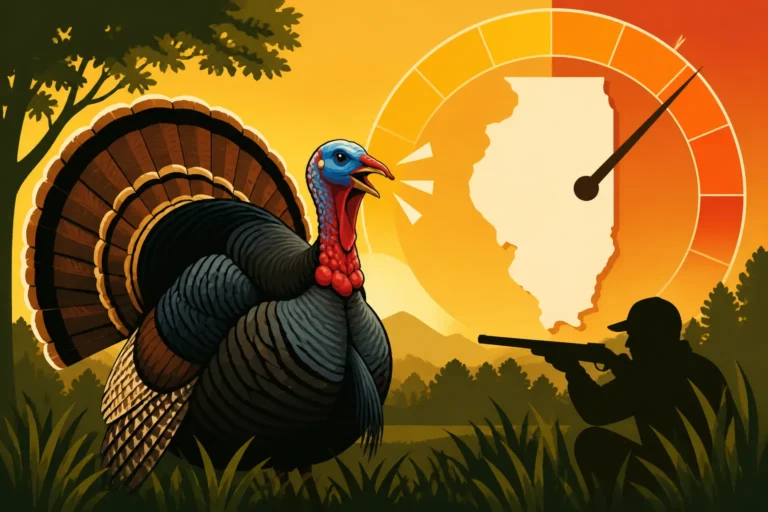
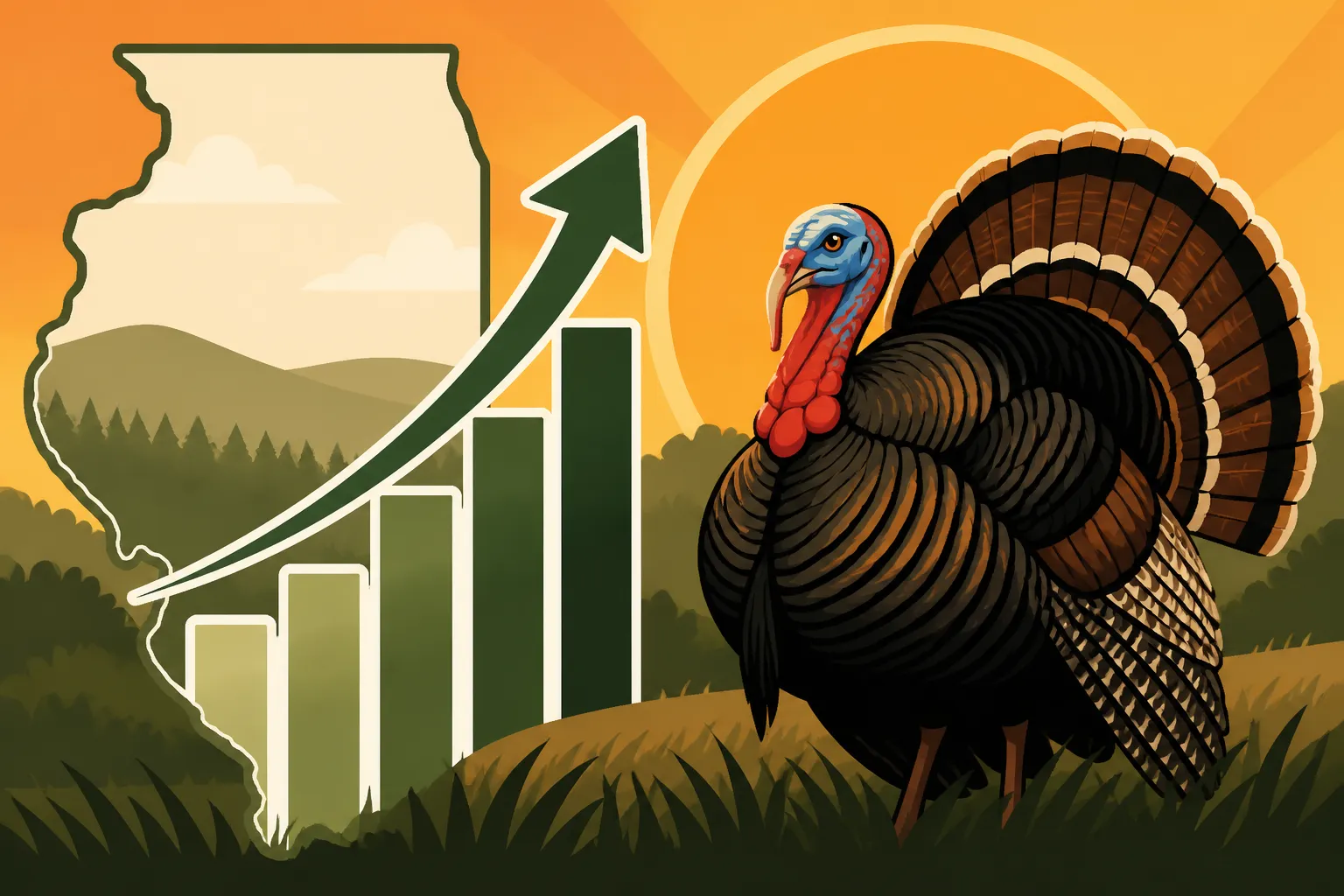
By the early 2000s, Illinois's wild turkey population was thriving, spreading across nearly all 102 counties. Hunters enjoyed robust seasons, and it wasn't uncommon to hear multiple gobblers sounding off from different directions on a spring morning. This period represented the historical high point for turkeys in the state, a testament to what focused conservation can achieve. However, like any wild population, numbers fluctuate. In recent years, many hunters, myself included, have anecdotally noticed fewer birds, less gobbling activity, and harder hunts. Data collected by the IDNR confirms this perceived decline, showing a downward trend in turkey harvest numbers across much of the state, particularly in the northern and central regions. This isn't just a feeling; it's a measurable shift that validates the concerns of many who spend time in the turkey woods. To understand the full scope of this success story, you might want to read more about How Turkeys Were Restored to Illinois.
Understanding Poult-to-Hen Ratios
One of the most critical indicators of a wild turkey population's health and its future trajectory is the poult-to-hen ratio. This ratio measures the number of poults (young turkeys) observed per adult hen, essentially telling us how successful the nesting and brood-rearing season was. A high ratio indicates good reproduction and survival of young birds, promising a healthy population in subsequent years. Conversely, a low ratio suggests poor productivity, meaning fewer young birds are surviving to replace older ones, which can lead to population declines.
The IDNR monitors these ratios annually through summer brood surveys, often relying on reports from wildlife biologists, conservation police officers, and even citizen scientists. These surveys typically take place from June to August when poults are still easily distinguishable from adult birds. When these ratios consistently fall below a certain threshold, generally around 2.0 poults per hen, biologists start to raise red flags because it signals that the population isn't replacing itself effectively. For example, if a region consistently shows a ratio of 1.5 or less, it means that for every two hens, only three poults are surviving, which is often not enough to offset natural adult mortality. It's a key piece of the puzzle in understanding Poult-to-Hen Ratios and What They Mean for overall flock health.
These ratios are crucial because they offer a glimpse into the future. A strong poult crop one summer translates to more jakes and two-year-old gobblers in the coming spring seasons, which are often the birds most responsive to calling and most accessible to hunters. When the ratios are low, it means fewer young birds entering the population, eventually leading to fewer mature birds down the line. This lag effect can be frustrating for hunters who might notice a decline in gobbling activity or fewer birds visible long before the official numbers fully catch up.
Factors Influencing Illinois's Wild Turkey Health
Wild turkeys are resilient creatures, but their populations are incredibly sensitive to a complex interplay of environmental factors. It's rarely one single issue that causes a decline but rather a perfect storm of challenges that can make life difficult for these magnificent birds.
Weather's Impact on Reproduction and Survival
Weather, particularly during the critical nesting and brood-rearing periods, plays an enormous role in determining annual turkey success. Imagine a hen, diligently incubating her clutch of eggs, only for an unseasonably cold, wet spring to arrive. Prolonged periods of cold rain can be devastating. Newly hatched poults are extremely vulnerable to hypothermia because their downy feathers don't provide much insulation, and they can't regulate their body temperature effectively. A cold, wet snap shortly after hatching can wipe out an entire brood. Heavy rains also make it harder for poults to find the protein-rich insects they need for rapid growth, as these insects become less active or harder to access.
Beyond direct mortality, severe weather can also indirectly impact turkeys. Extremely wet conditions can lead to increased instances of disease, as damp environments are breeding grounds for bacteria and parasites. Conversely, prolonged droughts can impact food sources, leading to poorer hen condition leading into nesting season, and potentially smaller clutch sizes or reduced poult survival due to lack of nourishment. For example, a severe drought might reduce the acorn crop in the fall, which is a vital winter food source for turkeys, leaving hens weaker when spring breeding season arrives. While we can't control the weather, understanding its profound impact helps explain the "boom and bust" cycles we sometimes observe in turkey populations.
Habitat Loss and Fragmentation
Illinois, being primarily an agricultural state, faces significant challenges regarding contiguous wildlife habitat. Wild turkeys thrive in diverse landscapes that offer a mix of mature timber for roosting and foraging, open woodlands with good understory for nesting, and brushy edges for brood-rearing. Unfortunately, these ideal conditions are often shrinking or becoming fragmented. The conversion of forested areas into agricultural fields, housing developments, or commercial properties directly reduces the available land for turkeys. When large tracts of timber are broken up into smaller, isolated woodlots, it creates what biologists call "habitat fragmentation."
Fragmented habitat not only reduces the overall amount of space turkeys have but also makes them more vulnerable. Hens nesting in smaller, isolated patches of woods often have less cover and are more susceptible to predation. Travel corridors between different habitat types (like roosting timber and feeding fields) can be eliminated, forcing birds into more exposed areas. This leads to higher rates of Nest Predation and Illinois Turkey Hatches. Even seemingly small changes, like widening a road or clear-cutting a woodlot without sustainable forestry practices, can disrupt critical turkey territories. In central Illinois, for instance, turkeys often rely on narrow river bottom funnels and isolated patches of timber among vast corn and soybean fields, making their existence precarious and their populations more scattered. Maintaining and restoring diverse, connected habitat remains a cornerstone of strong turkey populations.
Predation and Disease Pressures
Just like any wild prey species, turkeys face constant pressure from predators. Common turkey predators in Illinois include coyotes, raccoons, opossums, skunks, and even bobcats, which have been making a comeback in certain parts of the state. These predators especially target nests and young poults. Raccoons and opossums are notorious for raiding nests, devouring eggs, while coyotes are highly effective at preying on hens during nesting or on poults that haven't yet learned to fly to safety. While predation is a natural part of the ecosystem, an imbalance in predator-prey dynamics—perhaps due to a high density of certain predators combined with declining turkey numbers—can exacerbate population declines.
Illinois has a robust Predator Hunting in Illinois tradition, and regulated hunting of species like coyotes can sometimes help manage local populations, though it's a complex issue with varying opinions on its direct impact on turkey numbers. For a deeper dive into these cunning creatures, you might explore Coyotes and Predators in Illinois.
Disease outbreaks are generally less common and widespread in wild turkeys compared to deer (such as with EHD or CWD), but they can occur. Avian Pox, a viral disease, can cause lesions on unfeathered skin and, in severe cases, respiratory issues. Blackhead disease, caused by a protozoan parasite, can also affect turkeys, particularly those in close proximity to domestic poultry or areas with high concentrations of other ground-dwelling birds. The good news is that wild turkeys generally have strong immune systems, and large-scale, population-altering disease events are relatively rare in Illinois. However, localized outbreaks can certainly impact regional numbers, especially in conjunction with other stressors.
IDNR's Monitoring and Management Strategies
The Illinois Department of Natural Resources (IDNR) plays a pivotal role in monitoring the state's wild turkey population and implementing strategies designed to ensure their long-term health and provide hunting opportunities. It's a complex job, balancing scientific data with the experiences and concerns of hunters.
Harvest Data and Hunter Surveys
One of the primary tools the IDNR uses to track turkey populations is harvest data. Every successful turkey hunter in Illinois is required to report their harvest, either online or by phone, typically within 24 hours. This mandatory reporting provides the IDNR with a wealth of information: total birds harvested, which counties produced the most birds, breakdown of gobblers versus jakes, and even the time of day birds were taken. Analyzing Illinois Turkey Harvest Numbers over time allows biologists to identify trends, such as increasing or decreasing harvest rates, which can be an indicator of underlying population changes. For example, a significant drop in harvest numbers in a particular zone, even with similar hunter effort, can signal a decline in bird numbers in that area.
However, harvest data isn't a perfect science. It reflects hunter success and effort as much as it does population density. If fewer hunters go out, or if hunters are less effective due to tough conditions (like non-gobbling birds), the harvest numbers might appear lower even if the population isn't necessarily in steep decline. To get a more complete picture, the IDNR also conducts hunter surveys, gathering information on hunter participation, effort (days hunted), and success rates. These surveys help contextualize the harvest data and provide valuable qualitative insights into what hunters are experiencing in the field. This combination of quantitative and qualitative data helps the IDNR make informed decisions about season structures and other management practices.
Habitat Improvement Initiatives
Recognizing that healthy habitat is the cornerstone of healthy wildlife populations, the IDNR invests heavily in habitat improvement initiatives across Illinois. On public lands, such as State Fish and Wildlife Areas, State Forests, and State Parks, biologists and land managers actively implement practices designed to benefit turkeys. This can include prescribed burns, which mimic natural fire regimes to create diverse understory vegetation, reduce woody encroachment, and promote the growth of native grasses and forbs essential for nesting and insect production. Timber stand improvement (TSI) practices, such as thinning certain tree species, can open up the canopy, allowing sunlight to reach the forest floor and encourage the growth of vital ground cover.
The IDNR also works to engage private landowners through programs like the Conservation Reserve Program (CRP) or the Environmental Quality Incentives Program (EQIP), which provide financial incentives for landowners to convert marginal cropland into wildlife habitat, including native grasslands and pollinator plots. These efforts are crucial because the vast majority of Illinois land is privately owned. Educating landowners on sustainable forestry practices, creating brushy edges, and planting native warm-season grasses can significantly improve turkey habitat across the landscape. These initiatives aim to create more contiguous, diverse, and high-quality habitat that supports all stages of a turkey's life cycle, from nesting and brood-rearing to foraging and roosting.
Season Structure and Permit Adjustments
One of the most direct ways the IDNR manages turkey populations and hunting pressure is through adjusting season structures and permit allocations. Illinois has distinct spring and fall turkey seasons, each with its own set of rules and objectives. The spring season, focused on gobblers, is designed to coincide with the breeding season, allowing hunters to target adult males without significantly impacting the overall reproductive potential of the flock. The season is divided into multiple periods, often four in the South Zone and five in the North Zone, with varying permit numbers for each. This staggered approach helps distribute hunter pressure and ensures opportunities throughout the breeding season. You can learn more about these specific dates and regulations by checking out Illinois Spring Turkey Zones and Periods.
In response to declining poult-to-hen ratios and overall population trends, the IDNR has sometimes made adjustments, such as reducing the number of permits available in certain counties or zones, or even closing some counties to fall turkey hunting. Fall turkey hunting, which allows for either-sex harvest, is generally more conservative in Illinois, often with fewer permits and shorter seasons than the spring. For detailed rules on this, look into Illinois Fall Turkey Season Rules. These decisions are not made lightly; they are based on careful analysis of harvest data, population surveys, and long-term trends, all aimed at ensuring sustainable hunting opportunities while protecting the long-term health of the wild turkey population in Illinois. The goal is always to strike a balance between providing recreational opportunities for hunters and responsible wildlife management.
Regional Differences in Illinois Turkey Populations
Illinois is a large, diverse state, and it’s a mistake to think of turkey populations as a monolithic entity. What holds true for the rolling hills and deep timber of Southern Illinois might be entirely different from the scattered woodlots of Central Illinois or the more developed areas up north. Understanding these regional variations is key to a successful hunt and realistic expectations.
Southern Illinois Strongholds
When most hunters think of prime Illinois turkey country, their minds often drift south. And for good reason. The unglaciated, rugged terrain of Southern Illinois, dominated by the Shawnee National Forest, provides some of the best wild turkey habitat in the state. This region boasts extensive, contiguous blocks of mature hardwood timber, steep ridges, deep hollers, and an abundance of mast-producing trees like oaks and hickories. This diverse landscape offers everything a turkey needs: vast areas for roosting, plentiful food sources, excellent nesting cover in the understory, and protective terrain from predators and harsh weather.
Counties within the Shawnee National Forest region, such as Pope, Hardin, Union, and Jackson counties, consistently rank among the top for turkey harvest numbers and exhibit higher turkey densities. The habitat here is less fragmented by agriculture compared to other parts of the state, allowing populations to thrive in larger, more interconnected areas. Hunters in this region often report more consistent gobbling activity and higher success rates, particularly during the early spring periods. It’s no wonder many consider these counties the Best Illinois Counties for Turkeys. This expansive, wilder landscape also supports a greater diversity of wildlife, creating a more balanced ecosystem that benefits turkeys.
Central and Northern Illinois Challenges
Moving north into the heart of Illinois, the landscape shifts dramatically. Vast expanses of highly productive farmland characterize central and northern Illinois, leaving timbered areas significantly smaller and more fragmented. While turkeys have adapted to these conditions, often utilizing small woodlots, creek bottoms, and fencerows, their populations tend to be more localized and spread out. The intense agricultural practices mean less nesting cover, fewer diverse food sources, and increased exposure to predation when birds have to cross open fields.
In these regions, turkeys often concentrate in river bottom funnels, around major waterways like the Illinois River or the Sangamon, or in small, isolated patches of timber. Hunters often have to work harder, covering more ground and adapting strategies to highly pressured birds that might be more reluctant to gobble. While birds can still be found, the consistent success seen in Southern Illinois is rarer. Population trends here are often more sensitive to fluctuations in weather and habitat quality. For instance, a small, isolated flock might be heavily impacted by a single poor hatch, and it could take years for those numbers to rebound. Despite the challenges, dedicated hunters can still find success by thoroughly scouting and understanding the specific habits of birds in these fragmented landscapes. This often means focusing on overlooked pockets of cover or finding prime Illinois Turkey Roost Tree Preferences in unexpected places.
| Region | Primary Habitat Type | Relative Turkey Density | Hunter Success Tendency | Key Challenges |
|---|---|---|---|---|
| Southern Illinois | Extensive mature hardwood forests, rugged hills | High | Higher / More Consistent | Occasional pressure on public lands |
| Central Illinois | Fragmented woodlots, river bottoms, agricultural edges | Moderate | Moderate / Variable | Habitat fragmentation, agricultural pressure |
| Northern Illinois | Scattered small timber, urban fringe, limited large tracts | Lower | Lower / More Challenging | Habitat loss, development, human presence |
What Hunters Can Do and Realistic Expectations
So, what does all this mean for us, the dedicated hunters who love chasing Illinois gobblers? It means adapting, staying informed, and continuing to be part of the solution.
Adapting Hunting Strategies to Current Conditions
With shifting turkey population trends, a "one-size-fits-all" hunting strategy simply won't cut it anymore, especially in areas experiencing declines. If you've noticed fewer gobblers sounding off from the roost, it might be time to switch up your approach. Instead of relying solely on fly-down calling, consider spending more time "run-and-gun" hunting, covering more ground and trying to strike a bird in different locations throughout the morning. This tactic, often effective, is described in more detail in Run-and-Gun Turkey Tactics on Public Land. This involves moving quietly, stopping frequently to call, and listening intently for a response. Don't be afraid to use a variety of calls, from soft tree yelps at dawn to aggressive cutting and cackling later in the morning. Sometimes, a subtle approach can be more effective on pressured birds.
Increased scouting, both pre-season and during the hunt, becomes paramount. Tools like the GoHunt app, or other mapping software, can be incredibly useful for identifying potential roosting areas, feeding locations, and travel corridors, especially on public land where birds might be pushed into harder-to-reach pockets. Look for sign: tracks, droppings, scratch marks, and dusting bowls. Don't overlook small, overlooked parcels of timber or brushy creek bottoms that others might pass by. These smaller havens can hold birds, especially if they offer good escape cover and food. Also, be prepared to hunt later in the morning or even midday. While early morning is iconic, pressured gobblers sometimes become more active after the initial hunting pressure subsides.
Supporting Conservation Efforts
As hunters, we are often the first and most passionate conservationists, and our involvement is crucial for the future of wild turkeys in Illinois. One of the most direct ways to support conservation is by purchasing your hunting licenses and stamps. The revenue generated from these sales directly funds the IDNR's wildlife management and habitat restoration programs, including those specifically benefiting wild turkeys and other game species. It's an investment in the future of our hunting heritage.
Beyond financial contributions, consider becoming actively involved. Participate in IDNR surveys if given the opportunity, reporting your observations of poults and hens during the summer months. This citizen science provides valuable data that helps biologists track trends. Join local conservation groups like the National Wild Turkey Federation (NWTF), which dedicates significant resources to habitat improvement, research, and hunter recruitment. Volunteer for habitat projects on public lands, such as tree planting or brush clearing days. By being an ethical hunter, respecting all regulations, and serving as an ambassador for wildlife, you contribute to a positive public image of hunting, which is vital for maintaining our hunting privileges and garnering support for conservation initiatives. Understanding Illinois Hunter Education Requirements is also a crucial step for every responsible hunter.
The Future Outlook for Illinois Turkeys
It's natural to feel a bit disheartened when turkey numbers seem to be down, but it's important to maintain a realistic and balanced perspective. Wild turkey populations are cyclical, and they often experience periods of growth and decline. While recent trends in Illinois have shown a decline in many areas, this doesn't mean the birds are gone forever or that a comeback isn't possible. The restoration story of the wild turkey itself is a powerful reminder of how resilient these birds are and how effective conservation efforts can be.
The future outlook for Wild Turkeys in Illinois will largely depend on several key factors: favorable weather patterns during critical nesting and brood-rearing periods, continued and expanded habitat management efforts on both public and private lands, and sustained support from the hunting community. While we might not return to the historical highs of the early 2000s in every part of the state, especially in highly fragmented agricultural landscapes, dedicated conservation work can certainly help stabilize and improve populations. Hunters should approach each season with realistic expectations, understanding that the challenge might be greater, but also appreciating every gobble and every bird seen. The joy of the pursuit, the connection to nature, and the satisfaction of a hard-earned bird remain constant, regardless of population fluctuations.
Disclaimer
Please be aware that hunting regulations, season dates, and specific land access rules can change frequently. Always consult the most current Illinois Department of Natural Resources (IDNR) hunting regulations and local site-specific rules before planning any hunting trip. This guide provides general information and insights, but it is not a substitute for official IDNR publications.