Poult-to-Hen Ratios and What They Mean
It’s a feeling every turkey hunter knows: you spend hours in the woods, listening intently for a gobble, only to be met with silence. You start to wonder, "Where are all the turkeys?" Understanding the health of Illinois's wild turkey population, especially the success of their breeding season, is crucial for predicting future hunting prospects. This guide dives deep into poult-to-hen ratios, explaining what these numbers mean, why they fluctuate, and how you can use this vital information to strategize your Illinois turkey hunts.
Understanding the Poult-to-Hen Ratio
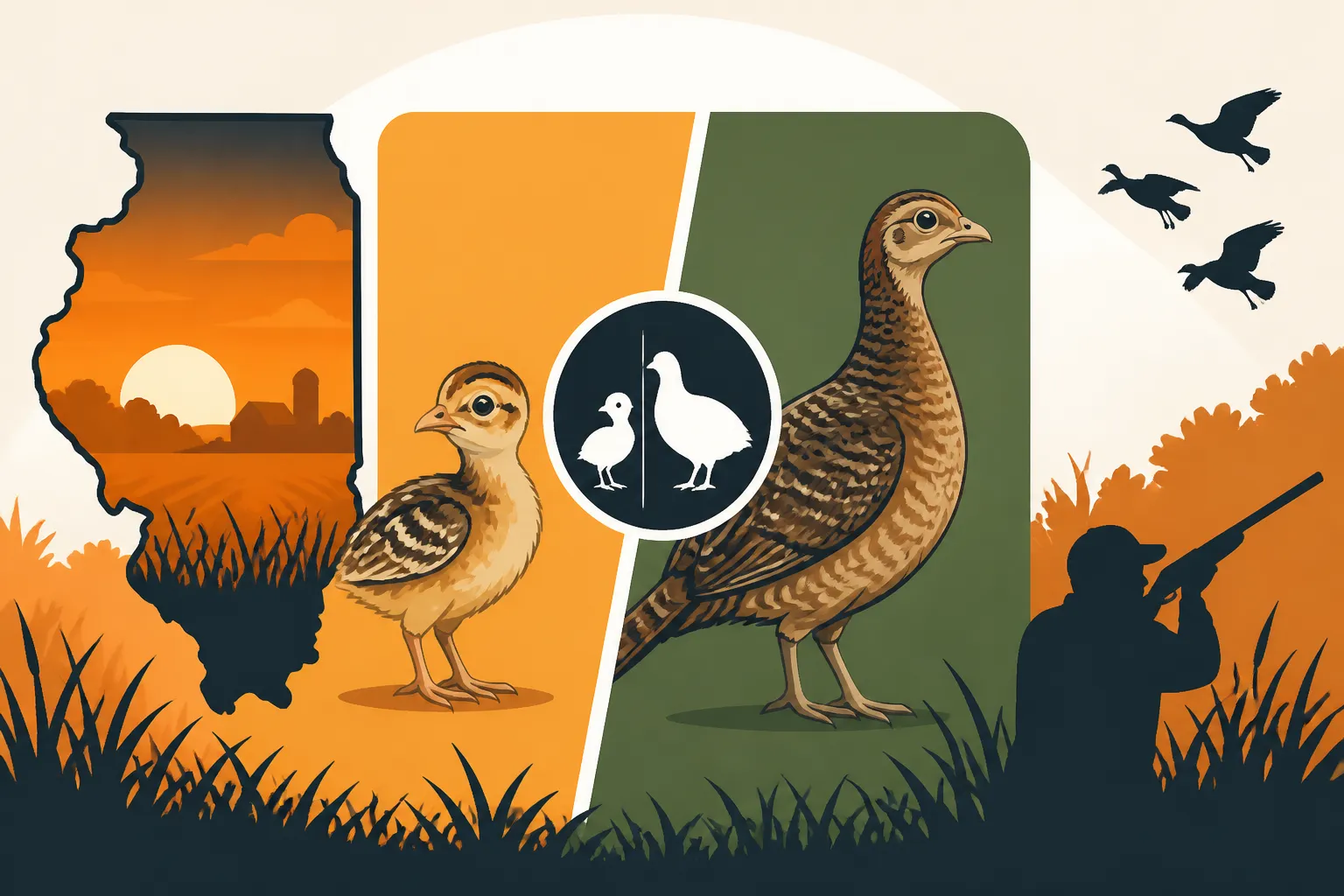
For us turkey hunters, the sound of a spring gobble is music to our ears, but the true health of the flock hinges on the next generation. The poult-to-hen ratio is a critical piece of that puzzle, a key metric biologists use to gauge breeding success and predict future turkey populations. It directly addresses the question of how many young turkeys (poults) are surviving per adult hen.
What the Ratio Represents
At its core, the poult-to-hen ratio is a simple count: the number of poults observed for every one hen during late summer surveys. Think of it as a report card on the year's reproduction. If a biologist observes, say, five poults with one hen, that’s a 5:1 ratio. If they see one poult with a hen, it's 1:1. These observations are collected through various methods, often involving roadside surveys or dedicated field surveys where staff record every turkey sighting and classify it by age and sex. This allows wildlife managers to get a snapshot of how many young birds are making it to the fall.
The significance of this ratio cannot be overstated. A high ratio indicates a successful nesting and brooding season, meaning lots of young birds have survived those vulnerable first few weeks. A low ratio, conversely, suggests poor recruitment, which can lead to a decline in overall turkey numbers in the coming years. For us hunters, it gives us an early heads-up about what kind of turkey hunting we might expect in future seasons, especially for those highly anticipated spring hunts.
Why This Metric Matters for Hunters
As someone who spends a lot of time chasing Illinois gobblers, I can tell you that understanding these numbers changes how you approach the season. A strong poult-to-hen ratio usually translates to a healthier, more robust population down the line. This means more birds on the landscape, potentially more gobbling activity, and ultimately, better hunting opportunities. If the numbers are consistently low, it suggests that hunting might be tougher, requiring more scouting, patience, and perhaps even a change in tactics.
The data gathered from these ratios directly informs wildlife management decisions. If biologists see a long-term trend of poor poult survival, they might consider adjusting season lengths, bag limits, or habitat management practices to help the population rebound. For us, knowing these trends from resources like the Illinois DNR or even through platforms like GoHunt, helps manage our expectations and allows us to focus our efforts where the odds might be a little more in our favor. It’s not just about predicting harvest numbers, but understanding the resilience and growth of the flock we pursue.
Factors Influencing Illinois's Turkey Production
Illinois's wild turkey populations are a testament to successful conservation, but their annual production isn't a guaranteed constant. Several interconnected environmental factors can significantly impact the poult-to-hen ratio, making each year a unique challenge for these birds and, by extension, for us hunters.
Weather Patterns and Their Impact
Mother Nature plays a huge role in the success of a turkey hatch. Poults are incredibly delicate, especially in their first few weeks of life. Cold, wet springs are absolute killers for young turkeys. Imagine a week of incessant rain and temperatures dipping into the 40s or 50s just as a brood hatches – those little poults can quickly succumb to hypothermia. They haven't developed the feathering to regulate their body temperature efficiently, and getting soaked makes them vulnerable.
Conversely, mild, dry springs create ideal conditions. Hens can incubate their nests without severe weather interference, and once hatched, poults can dry quickly and forage more easily without getting chilled. A long, warm stretch means healthier poults, which in turn leads to a higher survival rate. This directly impacts the "Poult-to-Hen Ratios and What They Mean" for future hunting prospects. We often hear anecdotal reports from hunters about "good hatch years" or "bad hatch years," and it almost always ties back to the weather patterns during nesting and brood-rearing. This kind of information is vital to connect to things like Illinois Wild Turkey Nesting Success.
Habitat Quality and Predation Pressure
Beyond the weather, the quality of the habitat and the presence of predators are huge determinants of poult survival. Hens need secure nesting cover—dense shrubs, tall grasses, or thick timber—to hide their nests from opportunistic predators like raccoons, opossums, coyotes, and even snakes. If prime nesting habitat is scarce or fragmented, nests are more exposed, and predation rates can soar. The loss of brushy fencerows and small woodlots in heavily agricultural areas can reduce nesting success.
Once poults hatch, they need bug-rich environments to grow quickly, like open woodlands, field edges, and clearings. These areas provide essential protein for rapid development. If these areas are overrun with invasive species or lack diversity, poults struggle to find enough food. Furthermore, predation pressure continues even after hatching. Foxes, bobcats, coyotes, and even birds of prey are all looking for an easy meal, and young, vulnerable poults are prime targets. Areas with healthy predator populations or those lacking sufficient escape cover will naturally see lower poult survival. This is why discussions around Nest Predation and Illinois Turkey Hatches are so crucial.
Disease and Reproductive Health
While less talked about than weather or predators, disease can also impact turkey production, though it's typically not a widespread annual issue. Avian pox, blackhead disease, or other pathogens can weaken hens, making them less capable of successful nesting and brooding. More significantly, overall hen health and age structure play a role. Older, healthier hens tend to be more successful at nesting and raising poults. Factors like food availability during winter and early spring can influence a hen's physical condition, affecting her ability to lay a clutch of eggs and endure the incubation period.
Reproductive health also ties into the population dynamics. If there's a skewed sex ratio with too few gobblers, or if hens are stressed from other environmental factors, their reproductive output can be diminished. While the Illinois turkey population is generally robust, these underlying biological factors are always at play. Understanding the full picture, from the harsh reality of a cold, wet spring to the subtle impact of hen health, helps us appreciate the delicate balance that determines the "Poult-to-Hen Ratios and What They Mean" for the upcoming hunting seasons.
Applying Poult-to-Hen Data to Your Illinois Hunt
Okay, so we know what poult-to-hen ratios are and why they fluctuate. But how does this actual data translate into better hunting for you? For hunters, this isn't just academic; it's intelligence that can inform your scouting and tactics, especially when you're preparing for seasons like Spring Turkey Hunting in Illinois or even Hunting Illinois's Over-the-Counter Fall Turkey Season.
Interpreting Current Season Data
When the Illinois Department of Natural Resources (IDNR) releases its annual Illinois Turkey Brood Survey Results or general population updates, pay close attention to the poult-to-hen ratios. These reports usually break down data by region or management zone. A ratio of 2.0 or higher is generally considered healthy, indicating stable or growing populations. Ratios below 1.5 might suggest a struggling population and potentially tougher hunting conditions in that area for the next year or two, as those poults won't be mature gobblers yet.
Here’s a quick guide to interpretation:
| Poult-to-Hen Ratio | General Indication for Turkey Population | Implications for Hunters |
|---|---|---|
| < 1.0 | Poor reproduction/decline | Expect tougher hunting, fewer young birds. |
| 1.0 – 1.5 | Below average, population stable-to-slow decline | Moderate hunting, focus on established birds. |
| 1.5 – 2.0 | Average, stable population | Solid hunting prospects, a good mix of birds. |
| 2.0 – 3.0 | Good reproduction, growing population | Excellent hunting prospects, more young birds. |
| > 3.0 | Exceptional reproduction | Outstanding hunting, strong recruitment. |
This table provides a general idea. Remember, these are averages, and pockets of excellent or poor production can exist within a broader region. Look for trends. Has the ratio been consistently low for several years in your preferred hunting zone? Or did it rebound after a few tough years? This context is crucial. Using tools like GoHunt, you can often cross-reference this data with specific land features and historical harvest numbers for a more comprehensive picture.
Adjusting Scouting and Tactics
Once you have a handle on the poult-to-hen ratios for your target area, you can start making smart adjustments to your hunting strategy.
If the ratios are high (2.0+):
- More Young Birds: Expect to encounter a higher number of jakes and younger gobblers in the spring. They are often less wary and more susceptible to calling than mature birds.
- Increased Activity: A robust population generally means more overall turkey activity. You might hear more gobbling and see more birds throughout the day.
- Focus on Food Sources: With more birds, competition for food might increase. Scouting for prime food sources, especially in the fall, becomes even more important. This is where insights from topics like Late-Season Food Sources for Illinois Whitetails can surprisingly cross over, as turkeys will often key in on similar food.
If the ratios are low (< 1.5):
- Fewer Young Birds: You'll likely encounter fewer jakes and two-year-old gobblers. The gobblers you do find will probably be older, more seasoned, and much warier.
- Target Mature Birds: Your focus should shift heavily toward locating and working mature gobblers. This requires more subtle calling, patience, and impeccable woodsmanship. Tactics discussed in Rattling and Grunting in Illinois for deer can sometimes apply to turkeys, emphasizing careful observation and reading body language before making a move.
- Intensive Scouting: You'll need to work harder to locate birds. Spend more time scouting pre-season, listening for roosts, and searching for fresh sign. Look for areas with persistent bird activity, perhaps focusing on protected pockets of habitat. This might involve Scouting Illinois Public Land Before Season with renewed vigor.
In both scenarios, understanding the habitat remains paramount. Even in a low-ratio year, turkeys will concentrate in areas with the best food, cover, and water. A high-quality mapping tool can help you identify these pockets, allowing you to focus your limited time in the most productive spots.
Using Poult-to-Hen Ratios for Long-Term Planning
Beyond just planning for the next spring or fall season, consistently tracking poult-to-hen ratios can give you a deeper understanding of Illinois's turkey dynamics, helping you make more informed decisions about where and when to hunt in the years to come. It’s about building a richer knowledge base, much like understanding the nuances of Illinois Turkey Population Trends.
Identifying Regional Trends and Hotspots
Turkey populations aren't uniform across Illinois. Some regions might consistently show higher poult-to-hen ratios, indicating more stable or growing turkey populations, while others might struggle. By reviewing historical data, you can start to identify these regional patterns. For example, some areas within the Shawnee Hills might consistently produce higher numbers than, say, heavily fragmented farmlands in central Illinois. This isn't just about total turkey numbers but about the health of the reproduction.
If you’re a traveling hunter, this long-term data can influence where you choose to apply for permits or where you concentrate your efforts. If a particular county or a section of the state shows a robust average ratio over several years, it’s a strong indicator of good habitat and successful breeding conditions, making it a potentially more rewarding destination. This kind of research is where platforms like GoHunt really shine, allowing you to dive into state-specific data and compare regions, helping you find Where Illinois Turkeys Are Densest.
Adapting to Population Swings
Turkey populations are cyclical; they ebb and flow based on a multitude of factors, as we've discussed. A string of bad weather years can temporarily depress the poult-to-hen ratio, leading to a noticeable drop in turkey numbers a year or two later. Conversely, a few excellent hatch years can lead to a boom. Understanding these swings through poult-to-hen ratios allows you to adapt your expectations and methods.
During periods of low ratios and fewer turkeys, you might need to adjust your approach significantly. Instead of aggressive calling and hoping for a quick response, you might need to become a more patient "still-hunter," covering ground quietly, reading sign, and trying to locate less vocal birds. It could also mean revisiting different areas or exploring public lands more thoroughly. If you typically rely on Calling an Illinois Gobbler Off the Roost, a low ratio year might mean fewer gobblers to respond, and you'll need backup plans for later in the morning.
Conversely, in years following high poult-to-hen ratios, you might find more success with more aggressive tactics, knowing there are plenty of young, eager gobblers around. You might be able to Run-and-Gun Turkey Tactics on Public Land more effectively, knowing there's a higher chance of striking a hot bird. By being aware of these population dynamics, you're not just hunting, you're becoming a more adaptive and knowledgeable turkey hunter, which is a big part of the challenge and reward of Illinois hunting.
Disclaimer
This article is for general informational purposes only and does not constitute professional advice. Laws, prices and regulations vary by location and change over time. Consult a qualified professional for guidance on your specific situation.