Hunting Illinois’s Over-the-Counter Fall Turkey Season
Hunting fall turkeys in Illinois can feel like a completely different ballgame compared to the high-energy, vocal spring season. Many hunters get frustrated when their tried-and-true spring tactics fall flat, unsure how to locate and call birds that seem to have vanished or gone completely silent. This comprehensive guide is here to demystify Illinois's over-the-counter fall turkey season, offering practical advice and strategies to help you fill your tag when the leaves start to turn.
Understanding the Fall Turkey Landscape in Illinois
The Illinois fall turkey season offers a fantastic opportunity to extend your time afield, but it truly demands a shift in mindset and strategy. Forget the booming gobblers and aggressive strutters of spring; fall turkeys are all about survival, food, and flock dynamics. This means your approach needs to be more akin to deer hunting in many respects, focusing on scouting, food sources, and understanding bird movement patterns rather than solely relying on calling. The over-the-counter nature of these permits also makes them incredibly accessible, removing the stress of a lottery system and allowing for more spontaneous hunting plans.
Key Differences from Spring Turkey Hunting
One of the biggest hurdles for hunters transitioning from spring to fall is recognizing just how fundamentally different the birds' behavior is. In spring, gobblers are driven by breeding, making them responsive to calls mimicking hens. They're often solitary or in small bachelor groups, actively seeking out hens. In the fall, however, turkeys are focused on survival. They've regrouped into larger flocks, often segregated by sex and age—hen and poult flocks, and all-gobbler flocks. These flocks prioritize food, water, and secure roosting sites. Their vocalizations are far less about attracting mates and more about maintaining flock cohesion. You won't hear booming gobblers nearly as often, and aggressive calling might actually spook them. Instead, soft clucks, purrs, and the distinct "kee-kee" run of young birds trying to locate the flock are your bread and butter. It's less about a challenge, and more about a reunion.
This shift in behavior also means that finding them often involves more legwork and observation than just listening for a gobble at dawn. You'll be looking for large groups, reading their travel corridors, and identifying their preferred feeding areas. The sheer number of birds in a typical fall flock can make them feel overwhelming when you first encounter them, but also offers a significant advantage if you can successfully break them up.
Illinois's Fall Turkey Zone Structure
Illinois manages its fall turkey season through specific zones, much like the spring season, but with some notable differences in permit availability. While spring might have highly localized zones and limited permits, the fall generally sees broader availability. Most of the state's counties fall into one of two zones, typically the North Zone or the South Zone, and the season dates will vary slightly between these. It's crucial to consult the Illinois Department of Natural Resources (IDNR) regulations annually to confirm the exact boundaries and season dates, as these can sometimes be adjusted.
Understanding which zone your desired hunting area falls into is the first step. For instance, counties in the southern part of the state, known for their more extensive timber and hilly terrain, often fall into the South Zone, while the more agrarian northern and central counties are in the North Zone. These zones often have different opening and closing dates, and sometimes even different length seasons. The good news is that for many of these zones, the permits are available as Illinois Fall Turkey Season Rules, meaning you don't need to go through a drawing or lottery system that characterizes some other Illinois big game permits.
Over-the-Counter Permits: What They Mean for You
The beauty of Illinois's fall turkey season is its over-the-counter (OTC) permit structure. This means that unlike the highly competitive lottery for many deer permits, or even some spring turkey permits, you can walk into a licensed vendor or purchase your fall turkey permit online directly from the IDNR. This accessibility is a huge benefit, especially for hunters who prefer flexibility or decide to hunt on a whim. There's no waiting period, no application deadlines to miss, and typically, no worry about whether you'll draw a tag. If you've got your Illinois Hunting Licenses and What They Cost and habitat stamp, you're good to go.
This ease of access also means you might encounter more hunters on public lands, especially during opening weekend. However, the sheer size of some public hunting areas, like parts of the Shawnee National Forest, means there's often plenty of room to spread out. The OTC system allows for last-minute trips and makes it easier for non-residents to plan a hunt without the logistical headache of a draw. It's important to remember that even with OTC permits, there are often limits on how many permits an individual can purchase, so always double-check the current year's regulations on the IDNR website.
Scouting and Locating Fall Flocks
Successful fall turkey hunting hinges on thorough scouting. These birds are constantly on the move, searching for reliable food sources, and their patterns can change rapidly depending on weather and available mast crops. What worked last week might not work today, so being adaptable and putting boots on the ground (or eyes on a map) is key. Don't underestimate the power of covering ground and truly observing the subtle signs these birds leave behind.
Reading the Land: Food and Roosting Priorities
Fall turkeys are voracious eaters, needing to pack on calories for the colder months. Their primary focus will be on food sources, which shifts throughout the autumn. Early fall might see them keying in on soft mast like wild grapes, dogwood berries, and persimmons, especially in timbered creek bottoms and edges. As fall progresses, hard mast becomes paramount. Oak stands, particularly those producing acorns, will be turkey magnets. Identifying groves of white oaks and red oaks is crucial, as white oaks drop earlier and are preferred for their lower tannin content, while red oaks provide sustenance later into the season. You'll also find turkeys moving into agricultural fields, especially those with waste grain like corn or soybeans, or even newly planted winter wheat.
Beyond food, roosting sites are critical. Turkeys prefer large, mature trees with strong horizontal limbs that allow them to fly up safely and spend the night well above ground. These are often found along creek beds, on ridge tops, or in mature timber near water sources. Look for areas with a mix of dense cover for security and open areas for feeding. Understanding these priorities allows you to predict where turkeys will be moving throughout the day, from their morning roost to their feeding grounds and back again in the evening.
Interpreting Fall Turkey Sign
Turkeys leave a wealth of clues if you know what to look for. One of the most obvious signs is droppings. Fall turkey droppings are typically larger and more amorphous than spring droppings, often found in concentrated piles where a flock has been feeding or loafing. Feather finds, especially larger primary feathers, can indicate a roosting site or a recent dust bath. Dust bowls—small, shallow depressions in dry, sandy soil—are another telltale sign. Turkeys use these to clean their feathers and get rid of parasites.
Tracks are also important, but can be tricky. Large numbers of tracks in soft earth or mud indicate frequent travel, especially along logging roads, field edges, or creek bottoms. Perhaps the most exciting sign is actual fresh scratchings in the leaf litter, indicating where a flock has been actively foraging. These will often appear as wide, V-shaped patterns where leaves have been pulled back, exposing the bare earth or smaller acorns underneath. The fresher the scratchings, the closer you are to the birds. Pay attention to the size of the tracks and scratchings; smaller ones suggest poults, while larger, deeper ones indicate adult hens or gobblers.
Pre-Season Digital Scouting Tools
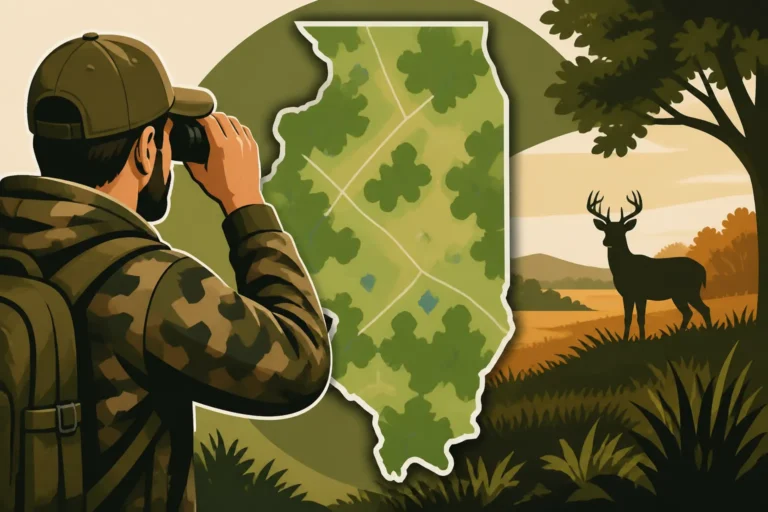
In today's hunting world, digital scouting is an indispensable tool, especially for hunters looking to explore new areas or maximize their limited time in the woods. Platforms like GoHunt offer powerful mapping features that can help you identify potential turkey hotspots without ever stepping foot outside. You can analyze aerial imagery to pinpoint oak ridges, identify creek bottoms, locate agricultural fields adjacent to timber, and even mark potential roosting areas based on tree canopy and topography.
When using tools like GoHunt, focus on layers that show public land boundaries, timber types, and elevation changes. Look for funnels, pinch points, and corridors where turkeys might naturally travel between feeding and roosting sites. You can mark these waypoints digitally, creating a detailed plan of attack before you ever leave home. This doesn't replace boots-on-the-ground scouting, but it drastically reduces the amount of aimless wandering and helps you focus your efforts on the most promising areas. It's like having an advanced scout that works 24/7, allowing you to maximize your efficiency during Scouting Illinois Public Land Before Season.
Effective Fall Turkey Hunting Tactics
Fall turkey hunting isn't about sitting in one spot and hoping a gobbler comes to your calls. It's often a much more active, dynamic pursuit that rewards patience, persistence, and a keen understanding of flock behavior. You need a repertoire of tactics ready, as what works one day might not work the next, and what works for one flock might not work for another.
Breaking Up Flocks: The Classic Fall Strategy
The quintessential fall turkey tactic is the "flock break." This strategy capitalizes on the turkeys' strong social instinct to regroup if separated. The idea is simple: locate a flock (often by hearing their yelps, clucks, or kee-kees, or by spotting them), then aggressively move in to scatter them. This usually means running or walking quickly into the flock, making noise, and getting them to fly or run off in multiple directions. The goal is to get individual birds or small groups to scatter wide, making them feel alone and prompting them to want to find their flock mates.
Once the flock is thoroughly broken, retreat to a central, concealed location that offers good visibility and shooting lanes. Ideally, this is where the birds were initially scattered. Wait quietly for 30 minutes to an hour, allowing the woods to settle down and for the individual birds to begin feeling isolated. They will then start calling—often with the distinctive "kee-kee" run of lost young birds, or soft yelps and clucks from hens—trying to locate the rest of the flock. This is your cue to respond with soft, reassuring clucks and purrs, mimicking a lost bird or a flock member trying to gather its kin. Patience is paramount here; it might take a while for a bird to commit and come back into your area, but when they do, they're often coming in silently and cautiously. This tactic can be incredibly effective, especially for younger birds, as outlined in strategies for Breaking Up a Fall Turkey Flock.
Calling Strategies for Fall Birds
While the primary objective might be different, calling remains a critical component of fall turkey hunting. However, the types of calls and the volume you use need to adapt. Forget the loud, aggressive yelps of spring. Fall calling is generally softer, more inquisitive, and focused on reassuring scattered birds rather than challenging dominant gobblers. The "kee-kee run" is arguably the most effective fall call, mimicking a lost young turkey. You can achieve this with a diaphragm call or a box call, creating a series of high-pitched whistles that fade into soft yelps. This call triggers the maternal instincts of hens and the social instinct of other young birds.
Beyond the kee-kee, soft clucks and purrs are excellent for imitating a contented flock member. These are non-threatening and can draw in cautious birds. Yelps, while still used, should be softer and less urgent than in spring. When calling, think about mimicking the sounds a lost turkey would make trying to find its family. Respond sparingly at first, letting the birds show you how vocal they are. If they're hot, you can be a bit more aggressive, but generally, less is more. For Fall Turkey Tactics With No Lottery Pressure, understanding these nuances is key to success on public land where birds may be call-shy.
Ambush and Still-Hunting Approaches
Sometimes, despite your best efforts, turkeys won't cooperate with calls, or you simply can't get a good flock break. This is where ambush and still-hunting tactics come into play, drawing heavily from deer hunting strategies. Ambush hunting involves setting up along known travel corridors between roosting sites and feeding areas, or near active food sources like oak flats or agricultural fields. You're essentially waiting for turkeys to come to you, much like still-hunting deer. This requires careful scouting to identify these routes and a good understanding of turkey daily routines. Get in early, set up with good concealment, and be prepared for a long, quiet sit.
Still-hunting is another effective technique, especially in timbered areas where you suspect turkeys are feeding or loafing. This involves moving slowly and deliberately through the woods, taking a few steps, pausing, and scanning thoroughly before moving again. Look for movement, listen for soft clucks or scratching, and constantly check for fresh sign. Use binoculars to scan ahead, looking for the tell-tale black blobs of turkeys against the fall foliage. When you spot birds, you can then try to stalk closer for a shot, or set up and attempt to call them in with soft vocalizations. This requires stealth and patience, as turkeys have incredibly sharp eyesight.
| Tactic / Season | Primary Bird Behavior | Key Calling Focus | Preferred Set-Up | Success Factors |
|---|---|---|---|---|
| Spring Turkey | Breeding, gobblers seeking hens | Aggressive gobbler challenge, hen yelps, cuts | Ambush near strut zones, listen for gobblers | Timing, realistic calling, patience |
| Fall Turkey | Feeding, regrouping, flock cohesion | Kee-kee run, soft clucks, purrs | Flock break & regroup, ambush food sources | Scouting, patience, subtle calling, adaptability |
Gear Considerations for Fall Turkey Hunting
Having the right gear isn't just about comfort; it's about legality, effectiveness, and safety. Fall turkey hunting, with its changing weather and often more active pursuit, requires thoughtful preparation of your equipment. From the type of weapon you choose to your camouflage and calls, each piece plays a role in your overall success.
Shotguns, Bows, and Legalities
For fall turkey hunting in Illinois, you have several weapon choices, primarily shotguns and archery equipment. Shotguns are a popular choice, typically in 12 or 20 gauge, loaded with heavy turkey loads designed for dense patterns at ethical ranges. The legal shot size for turkeys in Illinois usually ranges from #4 to #7, including popular blends of shot sizes like Federal's TSS or Winchester's Longbeard XR. It's always best to pattern your shotgun with your chosen load before the season to understand its effective range.
Archery equipment, including traditional bows, compound bows, and crossbows (which are generally permitted during the archery turkey season in Illinois), offers a silent, challenging hunt. Broadheads used for turkey should be sharp and designed for maximum tissue damage to ensure a quick, ethical kill. Many hunters opt for mechanical broadheads that create a large cutting diameter. Regardless of your weapon, ensure you understand Illinois Legal Firearms for Deer Hunting and turkey hunting rules, paying close attention to specific restrictions or requirements for crossbows during Crossbow Rules During Illinois Archery Season, even if it's the fall season. Always check the current year's IDNR regulations for any updates on legal weapons.
Camouflage and Concealment for Changing Foliage
The vibrant greens of spring give way to a kaleidoscope of reds, oranges, yellows, and browns in fall. Your camouflage should reflect these changes. While a universal pattern often works, consider patterns with more brown and gray tones, mimicking the bare branches and fallen leaves. A good leafy suit or ghillie suit can provide excellent concealment, especially when still-hunting or sitting against a tree. Remember, turkeys have exceptional eyesight and are incredibly adept at spotting unnatural shapes or movements.
Concealment is about more than just your clothing; it's about how you position yourself. Always set up with a solid backdrop, like a wide tree trunk or a dense bush, to break up your silhouette. Minimize movement, especially when calling or scanning. Face masks and gloves are non-negotiable to hide exposed skin. If you're using a ground blind, ensure it's well-brushed in and set up in a location that blends naturally with the surroundings, particularly when hunting Turkey Tactics for Farmland Field Edges where cover might be sparse.
Essential Decoy and Call Setup
Decoys in fall turkey hunting are used differently than in spring. While spring often calls for a strutting tom and a hen to draw in an aggressive gobbler, fall decoys are typically more about a lost hen or a small group of feeding birds. A single hen decoy, or even a jake decoy, can work to calm nervous birds and draw them into range after a flock break. Position decoys where they are visible but not so far out that they draw attention away from your immediate shooting lane.
As for calls, a good variety is essential. You'll want a reliable diaphragm call for hands-free calling, especially the kee-kee run. A box call or slate call can produce excellent yelps, clucks, and purrs, offering versatility in tone and volume. Having a push-button call can also be handy for quick, soft clucks to grab attention. Practice with all your calls to master the sounds necessary for fall birds. Carry your calls in an easily accessible vest or pouch so you can deploy them quickly when birds respond.
Navigating Public and Private Land Challenges
Hunting in Illinois, like many states, presents a mix of public and private land opportunities, each with its own set of challenges and rewards. The fall turkey season, with its OTC permits and less intense pressure than some other seasons, can offer great experiences on both fronts if you know how to navigate them.
Finding Undisturbed Public Land
Illinois boasts a surprising amount of public hunting land, from expansive tracts like the Shawnee National Forest to smaller state fish and wildlife areas. The challenge, especially with easily accessible OTC permits, is often finding areas with less hunting pressure. While the spring season sees a rush, fall can still draw crowds, particularly on weekends. To find undisturbed public land, consider looking at larger blocks of timber that are further from main roads or parking areas. Most hunters won't venture more than a mile or so from their vehicle.
Using mapping tools (like GoHunt) to identify remote corners or deep draws can be incredibly beneficial. Look for areas with difficult access—steep terrain, dense brush, or creek crossings—as these tend to deter casual hunters. Focusing on areas not directly adjacent to popular fishing spots or hiking trails can also lead to quieter hunts. Sometimes, even small, overlooked patches of timber surrounded by agricultural fields can hold turkeys that have learned to avoid pressure. Remember, persistence and willingness to walk further than others often pays off in finding game that hasn't been pressured. This is crucial for Hunting Illinois's Fall Turkey Zones where diverse landscapes mean varied pressure.
Securing Private Land Access for Fall Turkeys
Hunting private land offers the distinct advantage of reduced pressure and potentially higher turkey densities. However, securing permission can be daunting for many hunters. The key is respectful, polite persistence. Start by identifying landowners who have good turkey habitat—large timber blocks, creek bottoms, and fields. Many farmers welcome hunters who can help manage turkey populations that might be impacting crops, or simply appreciate polite individuals who ask.
Approach landowners well in advance of the season, not just days before. Dress neatly, be courteous, and clearly explain your intentions. Offer to share some of your harvest, help with chores, or bring them a small gift as a token of appreciation. Be explicit about your safety practices and respect for their property. Ask about their specific rules, such as where to park, where not to hunt, and if they have any other hunters. Having a hunting liability insurance policy, though not legally required, can also offer peace of mind to some landowners. While Illinois's Do You Need Written Permission in Illinois? laws typically only require verbal permission, a written agreement can add clarity and prevent misunderstandings. Building a good relationship is paramount; a respectful hunter is often invited back year after year.
Dealing with Hunting Pressure
Hunting pressure is an unavoidable reality on most public lands and even some private tracts, especially during popular seasons like fall turkey. The best way to deal with it is to anticipate it and adapt. If you know an area sees a lot of hunters, consider hunting mid-week when fewer people are out, or focus on areas that are physically challenging to access. Get to your spot earlier than everyone else, especially if you're trying to Roost Hunting Illinois Gobblers or hens in the morning.
When you encounter other hunters, always be polite and respectful. A simple wave and "Good luck!" can go a long way. If someone is already in the spot you planned to hunt, simply move on to your backup plan. Having multiple spots scouted is critical for managing pressure. Turkeys that have been pressured will often become call-shy and extremely wary. They might move into denser cover or shift their routines. In these situations, silent still-hunting or an ambush near a secluded food source might be more effective than aggressive calling. Understanding how to find Finding Ground Others Walk Past is key to success.
Common Mistakes and How to Avoid Them
Even seasoned hunters can make mistakes, especially when transitioning between different hunting styles or species. Fall turkey hunting presents its own unique set of challenges, and avoiding common pitfalls can significantly increase your chances of success. It often comes down to understanding the turkey's perspective and adapting your human expectations.
Misunderstanding Fall Turkey Behavior
The most frequent mistake hunters make is treating fall turkeys like spring turkeys. They go out, set up with a gobbler decoy, and aggressively yelp, expecting a hot tom to come strutting in. When this doesn't happen, frustration sets in. Remember, fall turkeys are not driven by breeding; they are driven by survival and flock cohesion. They are trying to find food, stay safe, and regroup with their family.
To avoid this, immerse yourself in understanding fall turkey biology and behavior. Read up on their seasonal diet shifts, their flock structures, and their preferred habitats during autumn. Watch online videos of fall turkey hunts to see different tactics in action. Go out scouting without a weapon, just to observe and learn. The more you understand why a fall turkey does what it does, the better equipped you'll be to predict its movements and choose the right tactic. Think like a turkey, not just a turkey hunter.
Over-Calling or Under-Calling
Calling in fall can be a delicate balance. Over-calling is a common error, especially for those accustomed to the more aggressive calling of spring. Blasting loud yelps and cuts might work to scatter a flock initially, but if you continue with incessant, loud calling, you risk sounding unnatural or alerting birds to your presence. Fall turkeys are more cautious; subtle, intermittent calling is usually more effective. Think of it as leaving breadcrumbs, not shouting directions.
Conversely, under-calling can also be a mistake. After a successful flock break, some hunters might wait too long or call too little, missing the window when scattered birds are most eager to regroup. It's about finding the cadence of the birds. If they're calling back frequently, you can be a bit more responsive. If they're quiet, be quieter still. Start soft and listen. Let the birds dictate the volume and frequency. A good rule of thumb after a flock break is to wait 30 minutes, then start with soft kee-kees and clucks, pausing frequently to listen for a response. If nothing, wait another 15-20 minutes and try again. This measured approach works wonders for Rattling Volume in Thick Cover for deer, and it applies to turkey as well.
Impatience and Persistence
Turkey hunting in fall, especially after a flock break, requires a level of patience that can test even the most dedicated hunter. It's not uncommon to wait an hour or two for a bird to come back to your calls. Birds that have been scattered are often cautious, sneaking in silently, constantly checking for danger. Many hunters give up too soon, packing up just before a bird was about to commit.
Persistence is equally important. If your initial flock break doesn't work, don't be afraid to try again, perhaps in a different location or with a different flock. If the turkeys are not responding to calls, shift to an ambush strategy on a food source or try still-hunting. The weather can also play a role; turkeys might be more vocal and active on crisp, clear days than on windy or rainy ones. Don't let a bad morning ruin your day; stay out there, adapt your strategy, and maintain your focus. Fall turkey hunting often rewards the hunter who stays in the woods the longest and refuses to give up.
Disclaimer
Hunting is an inherently dangerous activity. This guide provides general information and strategies, but it is not a substitute for formal hunter education or knowing and following all applicable federal, state, and local hunting laws and regulations. Always prioritize safety, respect wildlife, and obtain landowner permission when hunting private land. The author and publisher are not responsible for any incidents, accidents, or legal infractions that may occur. Always consult the Illinois Department of Natural Resources (IDNR) for the most current regulations and season dates before heading afield.