Shed Hunting on Illinois Public Land
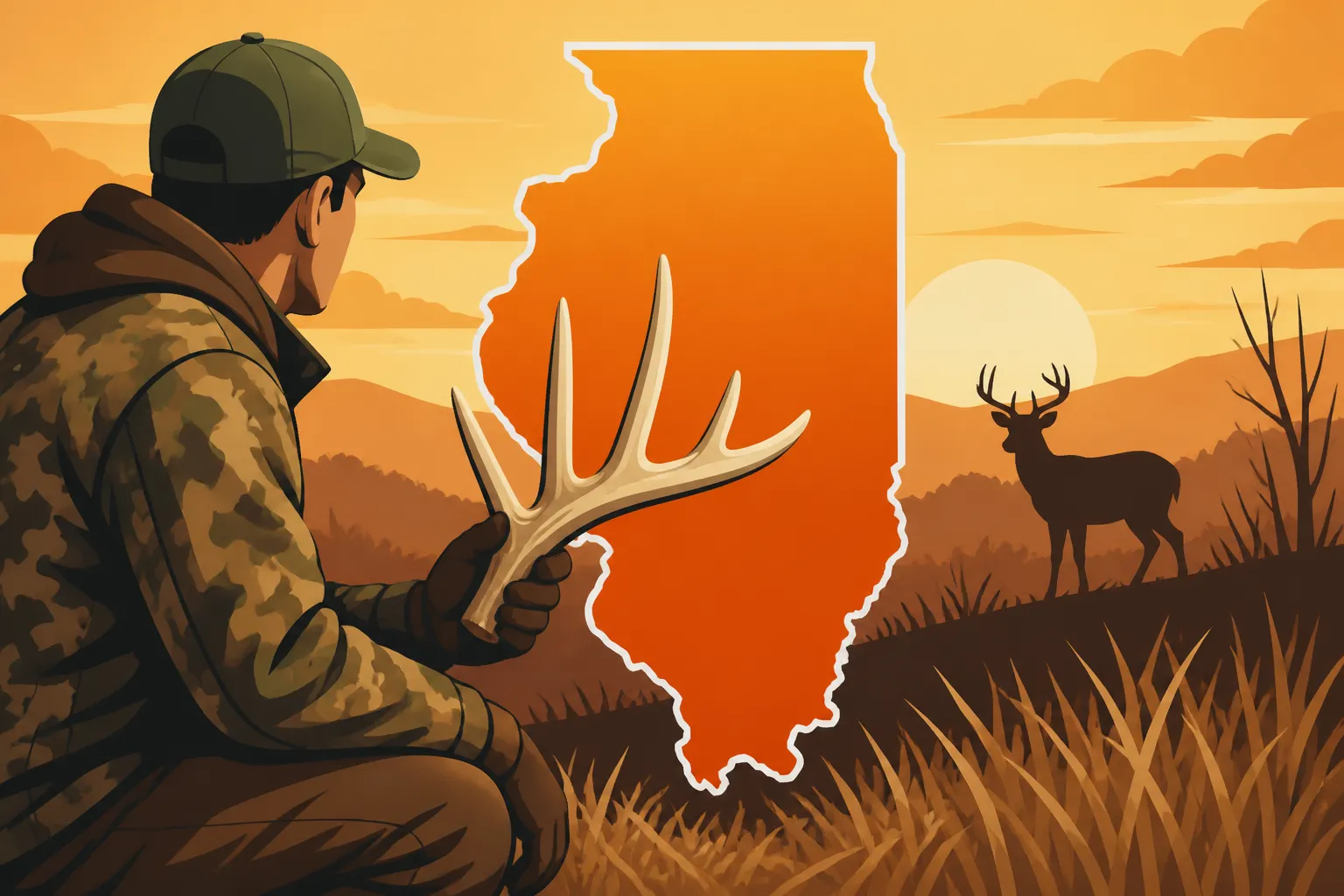
There's nothing quite like the thrill of finding a shed antler, that tangible piece of the majestic whitetail season, especially when you're out on Illinois's public lands. But let's be real, it's not always a walk in the park; public ground means more competition, diverse terrain, and often, bucks that have seen a fair share of human activity. This guide is all about helping you navigate the unique challenges and maximize your chances of success when shed hunting on public land across our beautiful state.
The Unique Allure and Challenges of Illinois Public Land for Shed Hunters
Shed hunting isn't just about finding antlers; it's a fantastic way to extend your time in the woods, scout for next season, and connect with nature after the hustle and bustle of the deer seasons have wrapped up. Illinois, with its mix of timber, vast agricultural fields, and river bottoms, offers incredible potential for big sheds. However, hunting sheds on public land comes with its own set of considerations that seasoned shed hunters learn to adapt to.
Understanding Public Pressure and Its Impact
One of the most significant factors when considering public land for shed hunting is the sheer amount of foot traffic it can receive. Unlike private parcels where you might be the only one accessing the property, public lands are open to everyone. This means other shed hunters, hikers, dog walkers, and even early-season turkey scouts are often out there, sometimes starting as soon as the last firearm season ends. This increased pressure can mean antlers are picked up quickly, or deer might have been pushed into less accessible areas, making your search more challenging. It's not uncommon to arrive at a promising spot only to find fresh boot tracks already crisscrossing the area. This necessitates a strategic approach, focusing on timing and finding those overlooked pockets.
Diverse Terrain and Habitat Considerations
Illinois public lands are incredibly diverse, from the rolling hills and dense timber of the Shawnee National Forest in the south to the river bottomlands along the Illinois and Mississippi Rivers, and even smaller state parks and fish and wildlife areas scattered throughout the central and northern parts of the state. Each type of terrain presents its own set of challenges and opportunities. The thick underbrush of southern Illinois can hide antlers incredibly well, requiring a slower, more methodical approach, while open timber in other areas might allow for faster scanning. Understanding the primary habitat types available on the specific public land you plan to visit, whether it's vast hardwood forests or smaller woodlots adjacent to agricultural fields, is crucial for developing an effective search strategy. Knowing how to read the landscape, including understanding Reading Aerial Photos for Southern Illinois Deer or other regional specific deer movements, can give you a significant advantage.
Timing Your Illinois Shed Hunting Expeditions
Knowing when to start looking for sheds in Illinois is just as important as knowing where to look. The timing of antler drop is influenced by a variety of factors, and hitting the woods too early or too late can significantly impact your success rate.
Factors Influencing Antler Drop Timing
Deer in Illinois typically begin shedding their antlers from late December through March, with the bulk of the drop usually occurring in January and February. Several key factors influence this timeline:
- Rut Activity and Physical Condition: Bucks expend immense energy during the rut (breeding season). A hard rut can leave them in poorer physical condition, causing them to shed earlier as their bodies prioritize recovery over maintaining antlers.
- Nutrition: A tough winter with limited food sources or poor mast crops can also lead to earlier shedding. If deer are struggling to find good late-season food sources for Illinois whitetails, their bodies will naturally shed antlers sooner to conserve energy.
- Stress and Pressure: High hunting pressure can keep deer moving more, burning calories, and potentially contributing to earlier shedding.
- Genetics: Individual deer genetics play a role. Some bucks are just early shedders, while others hold on to their headgear longer.
- Weather Conditions: While not the primary driver, severe cold snaps or heavy snow can stress deer, contributing to earlier drops. However, a mild winter might see some bucks holding their antlers well into March.
A good rule of thumb is to start checking trail cameras (if allowed on your chosen public land, always verify rules!) in late December and early January for signs of dropping. The When Illinois Bucks Shed Antlers reference explains more about this annual cycle.
The "Sweet Spot" for Public Land Sheds
For public land, many seasoned shed hunters agree that waiting until mid-February through early March often provides the best balance. Here's why:
- Deer Have Had Time to Drop: By mid-February, a significant percentage of bucks, especially mature ones, will have dropped their antlers.
- Reduced Competition: The initial rush of "early bird" shed hunters might have tapered off a bit, especially on weekdays. The hardcore folks are still out, but casual weekend warriors might be less frequent after the initial few weeks.
- Less Impact on Deer: Waiting longer ensures you're not disturbing deer while they're still holding their antlers, potentially pushing them off the public land before they drop. It's about respecting the animals.
However, if you're targeting specific, heavily pressured public areas known for big bucks, an argument can be made for getting out there in late January. You might face more competition, but you also might beat others to the very first sheds of the year. It's a risk-reward scenario. Monitoring deer movements and patterns, even just observing from a distance on public areas, can help you fine-tune your timing. Utilizing tools like GoHunt's mapping features can help you identify potential holding areas where deer might concentrate during the winter months, giving you an edge.
| Optimal Shed Hunting Period | Pros | Cons |
|---|---|---|
| Late December – Mid January | Potentially beat others to early sheds, less vegetation. | Many bucks still holding, risk disturbing deer. |
| Mid-January – Mid-February | Peak drop period, good chance for fresh sheds. | High competition on public lands, still some holding. |
| Late February – Early March | Most bucks have dropped, competition might lessen, easier to spot. | Older sheds might be weathered, more vegetation starting. |
| Late March – April | Very low competition, excellent for scouting next season. | Many sheds found, some might be damaged, high vegetation. |
Key Areas and Strategies for Public Land Sheds
Finding sheds on public land requires a systematic approach and an understanding of deer behavior, especially how it changes after hunting season. It's not just random wandering; it's about putting yourself in places where antlers are most likely to be dropped.
Focusing on Winter Food Sources and Bedding Areas
After the fall hunting seasons, deer shift their focus almost entirely to survival, which means finding readily available food and secure bedding. These are your prime targets for shed hunting.
- Food Sources: Look for areas with persistent food sources. This often includes cut cornfields (especially those missed by the combine), standing soybean fields (if not completely harvested), browse lines in timber, and pockets of leftover acorns. Even food plots on adjacent private lands can draw deer that then bed on public ground. Deer will spend significant time traveling to and from these areas, increasing the chances of an antler dropping along the way. Remember to check regulations about accessing agricultural fields on public land, as some may have restrictions.
- Bedding Areas: Bucks, especially mature ones, seek thick, secure bedding cover during the late season. This could be cedar thickets, dense pine plantations, steep hillsides with good thermal cover, or even brushy creek bottoms. These areas provide protection from harsh weather and predators. When Where Shawnee National Forest Bucks Bed is a key concern, look for south-facing slopes that get more sun. Antlers are often dropped right where a buck beds down, stands up, or moves through thick brush. Walk through these bedding areas slowly and meticulously, paying close attention to every detail.
Travel Corridors and Natural Funnels
Deer are creatures of habit, and they tend to use the same travel routes between their food and bedding areas. These travel corridors are excellent places to find sheds.
- Fence Lines and Field Edges: These are classic shed hotspots. Deer often jump fences, and the jarring motion can dislodge an antler. They also frequently walk along field edges, offering clear pathways for you to search.
- Creek Crossings and Ditches: Similar to fence lines, jumping across creeks or climbing out of ditches can cause antlers to fall. These low-lying areas often provide natural cover and travel routes.
- Pinch Points and Funnels: Any area that naturally constricts deer movement, like a narrow strip of timber between two fields, a saddle in a ridge, or a thick transition zone, is a high-traffic area. Deer will often rub trees or jostle through these areas, increasing the chance of an antler being shed. Learning to identify these spots, perhaps through a mapping application, is critical.
When you're out there, remember that deer don't just drop antlers in wide-open fields. Many are found in heavy cover or tucked away in unexpected places. The more you understand deer movement and habitat preferences on public land, the better your chances. GoHunt's detailed aerial imagery and public land boundary layers are incredibly helpful for identifying these kinds of areas and planning your routes.
Tools and Ethical Tips for Successful Shed Hunting
Shed hunting, particularly on public land, isn't just about knowing where to look; it's also about being prepared, respectful, and persistent. A few key tools and an understanding of ethical practices can greatly enhance your experience.
Essential Gear for the Trail
Having the right gear makes a huge difference, especially when you're covering miles of diverse Illinois public land.
- Good Boots and Clothing: This is non-negotiable. You'll be walking through mud, snow, briars, and uneven terrain. Waterproof, comfortable hiking boots are essential. Dress in layers, as late winter and early spring weather in Illinois can be unpredictable. Blaze orange is often a good idea, especially if there's an overlap with Squirrel and Small Game Hunting in Illinois or other late-season hunts, and check public land regulations for any mandatory requirements.
- Binoculars: Don't underestimate the power of optics. Sweeping open areas, distant field edges, or thick brush with binoculars can save you countless steps and help you spot sheds that would otherwise be missed. A good 8x or 10x binocular is perfect.
- GPS or Mapping App: A reliable GPS unit or a smartphone app like GoHunt is invaluable. It allows you to track your path, mark sheds you find, identify property lines (critical on public/private boundaries), and navigate effectively. Knowing onX Layers for Illinois Land Status can be a game-changer for avoiding trespass. The ability to see topography, satellite imagery, and public land boundaries helps you plan routes and avoid inadvertently crossing onto private land without permission.
- Backpack and Water: Carry plenty of water, snacks, a first-aid kit, and enough space for any sheds you might find. A pair of small pruning shears can be handy for clearing a path through thorny brush.
- Walking Stick/Trekking Poles: These provide stability on uneven terrain, help probe thick cover, and can be used to nudge potential sheds without bending over constantly.
Ethical Considerations and Public Land Courtesy
When shed hunting on Illinois public land, remember that you're sharing the resource with many others. Ethical behavior and courtesy are paramount.
- Respect Public Land Rules: Always check the specific regulations for the Illinois Fish and Wildlife Area, State Park, or National Forest you plan to visit. Rules can vary regarding access hours, dog use, trail camera placement (if you're scouting for sheds), and even shed collection itself. Some areas may have restrictions on Treestand Setups in Shawnee National Forest or other equipment that could apply to shedding activities if not carefully noted.
- Leave No Trace: Pack out everything you pack in. Don't litter, disturb wildlife unnecessarily, or damage habitat. The goal is to leave the land better than you found it.
- Be Mindful of Deer: While shed hunting, try to minimize your impact on the deer. If you constantly push deer out of an area, they might leave for good. This is particularly important if you're out early in the season when many bucks are still holding their antlers. Your presence can put additional pressure on animals already stressed by winter conditions.
- Share the Resource: If you encounter other shed hunters, be friendly and respectful. There's enough public land in Illinois for everyone to enjoy. Avoid "claim jumping" on someone else's actively searched area.
- Know Your Boundaries: Use your mapping app to clearly define public and private land boundaries. Accidentally trespassing, even for a shed, can lead to serious issues and give shed hunters a bad name. Understanding Finding Illinois Property Lines is crucial for this.
Shed hunting is an incredible way to extend your time in the woods and gather valuable intel for future hunting seasons. With the right preparation, a strategic approach, and a strong commitment to ethical practices, your adventures on Illinois public lands can be incredibly rewarding. The persistence required to find those elusive antlers, especially the big ones, makes the reward all the sweeter.
Disclaimer
The information provided in this guide is for general informational purposes only and does not constitute legal advice. Hunting regulations, license requirements, and public land rules in Illinois can change frequently. It is the responsibility of each individual hunter to thoroughly research and understand all current regulations from the Illinois Department of Natural Resources (IDNR) or other relevant authorities before engaging in any hunting or outdoor activity. Always prioritize safety and ethical practices.