When Illinois Bucks Shed Antlers
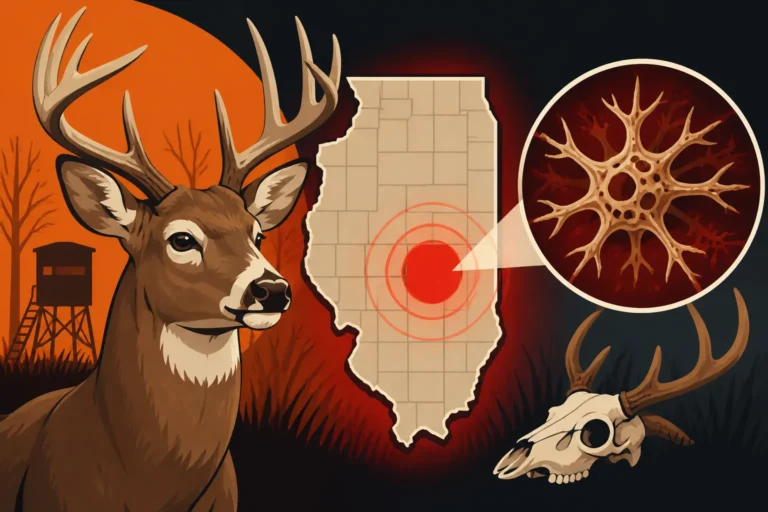
The anticipation surrounding whitetail deer can extend long after the hunting season closes, especially when it comes to the great mystery of shed antlers. Many of us spend countless hours in the stand, dreaming of a buck’s rack, and then as winter sets in, the next obsession begins: finding those dropped treasures. But knowing when Illinois bucks actually shed their antlers can feel like trying to solve a puzzle, with variables galore influencing the exact timing. This guide will unravel that mystery, helping you understand the factors at play and boosting your chances of finding those elusive Illinois sheds.
The Biological Impulse: Why Bucks Drop Their Antlers
Before we dive into when it happens, let's touch on the why. A buck's antlers are truly fascinating structures, growing from bony pedestals on the skull called pedicles. Their growth is driven primarily by hormones, especially testosterone, which surges during the breeding season (the rut) and then gradually declines afterward.
Once the rut is over and testosterone levels naturally drop, a specialized layer of cells forms at the base of the antler, right where it connects to the pedicle. This layer begins to reabsorb calcium, effectively weakening the connection. Think of it like a natural "dissolve" button. Eventually, the antler detaches, often with little to no pain for the buck. It’s a completely natural, cyclical process, with a new set of antlers beginning to grow soon after the old ones are shed. It’s incredible to think about, a whole new set of bone growing year after year, sometimes bigger and sometimes different, all part of the natural rhythm of the whitetail world.
This annual shedding and regrowth is directly tied to the buck’s overall health and the demands placed on its body throughout the year. It's not just a random event; it's a carefully orchestrated biological process that allows for the renewal of these impressive structures.
Key Factors Influencing Antler Drop in Illinois
While the biological mechanism is consistent, the exact timing of when a buck sheds his antlers can vary wildly from one deer to another, and even from one year to the next for the same buck. In Illinois, we see a range of factors that play a significant role in this variability. Understanding these can give you a real edge in predicting when to hit the timber for shed hunting.
Nutrition and Overall Health
This is arguably one of the biggest drivers. A buck that is well-fed and in prime physical condition, especially one that didn't expend excessive energy during the rut, tends to hold onto its antlers longer. Their body isn't under as much stress, so the resources needed for antler retention are more readily available. Conversely, bucks that went into the rut in poor condition, or those that ran themselves ragged chasing does and fighting rivals, might shed earlier. Their bodies are essentially saying, "Alright, rut's over, I'm exhausted, let's ditch these heavy things and conserve energy for winter survival."
Think about those big, old mature bucks that often look like shadows of their former selves by December. They've likely lost a significant amount of body weight and fat reserves. Their system is depleted, and the energy required to carry those antlers becomes a luxury their body can no longer afford. For Illinois hunters, particularly in counties where deer density is high or food sources might be limited, this nutritional aspect becomes even more critical. Keep an eye out for how the mast crop was in the fall, or how good the standing crops are through winter. These observations can provide clues about the general health of your local deer herd.
Severity of the Winter Weather
The harshness of an Illinois winter can have a direct impact on when antlers hit the ground. When temperatures plummet, snow piles up, and food becomes scarce, deer burn more calories just to stay warm and find sustenance. This increased metabolic demand can trigger an earlier shedding event. If a buck is struggling to find enough to eat and using all its energy simply to survive, holding onto bone isn't a priority.
Imagine a deer trying to navigate deep snow drifts, where every step requires immense effort. Or picture an ice storm glazing over all available browse. These environmental stressors demand more from a deer’s system, and shedding antlers can be a way to reduce energy expenditure, even if only slightly. In milder winters, with less snow and more accessible forage, bucks often hold their antlers later into the season. So, if we have a December with heavy snow and bitter cold, you might expect to find sheds earlier than after a mild January.
Age and Individual Buck Differences
Age plays a role, though it’s not always a hard and fast rule. Generally, younger bucks, in their prime antler-growing years, might hold their antlers a bit longer than very old or very young bucks. The most mature bucks, especially those past their physical peak, sometimes shed earlier as their bodies slow down and prioritize survival over the maintenance of their heavy headgear. However, it's also common to see a younger, less dominant buck hold his antlers well into March.
Every buck is an individual. Just like people, deer have variations in their biology and physiology. You might have one buck on your property that consistently sheds in mid-January, while another, seemingly identical buck, holds his until early March. Tracking individual deer with trail cameras, a feature many hunters use through mapping apps similar to GoHunt, can sometimes reveal these unique patterns year after year, but it still often comes down to individual variation. Disease, such as Chronic Wasting Disease in Illinois Deer, can also impact a buck's overall health and lead to earlier, or even abnormal, antler shedding.
Hunting Pressure and Stress Levels
While perhaps less direct than nutrition or weather, the amount of hunting pressure a deer experiences can contribute to its overall stress levels. Bucks that are constantly being pushed around, or that live in areas with high human activity, may be under more physiological stress. This chronic stress can, in turn, impact hormone levels and potentially contribute to earlier shedding.
Consider a buck living on a small, heavily hunted timber block versus one on a sprawling, secluded private tract. The constant vigilance and displacement required for survival in a high-pressure zone demand more energy and can wear a deer down. While a few days of being chased isn’t enough, a cumulative season of being pushed can take its toll. After the firearms seasons, when things quiet down, bucks might find a bit more peace, but the preceding stress can still influence their shedding timeline.
When to Hit the Woods for Sheds in Illinois
Alright, now for the million-dollar question: when should you actually start walking those timber blocks? While there's no single "shedding day" for all of Illinois, we can identify a general window and peak activity based on historical observations and the factors discussed above.
The General Illinois Shedding Window
For most of Illinois, the antler shedding process begins in earnest in late December and continues through late March. It's a broad window because of all the variables we just talked about. You might find an outlier shed on Christmas Eve, and another in April, but the bulk of the antlers will drop within these three months.
Peak Shedding Activity in Illinois
The sweet spot, the period when most Illinois bucks are dropping their racks, typically falls between mid-January and mid-February. This is often when the post-rut exhaustion, combined with the first significant cold snaps of winter, really kicks in for many deer across the state.
However, there can be regional nuances. In Southern Illinois Deer Density areas, where winters might be slightly milder and food sources more consistently available, bucks might hold their antlers a little later, pushing the peak shedding into late February. Conversely, in the northern reaches of the state, particularly after a brutal cold spell, you might find more early January sheds.
Here's a general breakdown, but remember, every year is different:
| Period | Description | Shed Hunting Outlook |
|---|---|---|
| Late Dec – Early Jan | Antlers begin to get "loose" for some stressed or older bucks. Early drops are uncommon but possible, especially after a tough rut or sudden cold. | Early Bird Gets the Worm – If you're eager, start looking after Christmas, focusing on prime bedding and feeding areas. Don't expect huge numbers yet. |
| Mid-Jan – Mid-Feb | Peak Shedding Window. Most bucks are dropping. Combination of post-rut stress and consistent winter conditions triggers mass shedding across the state. | Prime Time – Dedicate significant time during this period. The snow might be deep, but fresh sheds will be visible. |
| Late Feb – Early Mar | Many bucks have already shed, but a good number, especially younger, healthier ones, are still carrying. Southern Illinois bucks may be more active during this time. | Second Wave – Still very good. Continue searching, especially in areas with good cover or consistent late-season food sources. |
| Late Mar – April | The tail end of shedding. Only a few holdouts remain. Most sheds found now might be from younger bucks or those in exceptional health. | Cleanup Crew – Less productive, but you might find sheds that were missed earlier, or from the latest droppers. Be aware of emerging vegetation that can hide sheds. |
Using Trail Cameras to Pinpoint Timing
One of the most effective ways to gauge shedding activity on your specific property is to keep trail cameras out through the winter. Focus cameras on known late-season food sources like standing beans or Late-Season Food Sources for Illinois Whitetails, or on travel corridors leading to thick bedding cover. When you start seeing familiar bucks show up missing one side, or suddenly entirely bald, that’s your cue! Pay attention to the date and then start your search. This personalized approach can save you a lot of fruitless walking.
Maximizing Your Shed Hunting Success in Illinois
Finding shed antlers is often compared to an Easter egg hunt for adults, and it requires a similar blend of strategy, patience, and a keen eye. It's not just about luck; it's about knowing where to look and how to look effectively.
Where to Focus Your Search
Bucks tend to drop their antlers in areas where they are moving, feeding, or jumping. The act of shedding itself can be quite sudden, often occurring when a buck jumps a fence, crosses a creek, or even shakes his head vigorously.
- Food Sources: Bucks spend a tremendous amount of time around their winter food sources. Think standing corn, soybean fields, food plots, or even areas with persistent acorns if the mast crop was good. Bucks will spend hours grazing, and as they walk, an antler might just pop off. Pay close attention to field edges and entry routes through standing corn or along a Working a Timbered Fence Line for Deer.
- Bedding Areas: This is where bucks spend their rest periods, especially during cold weather. Look for thick cover, south-facing slopes that catch the sun, and sheltered pockets of timber. Bucks often drop antlers right where they get up from a bed. Think about Where Shawnee National Forest Bucks Bed if you're in southern Illinois – those thick cedars or brushy draws are key.
- Travel Corridors: Connect the dots between bedding and food. Deer trails, fence lines, and creek bottoms are highways for deer. They are often jostled as they move, and an antler can easily come off. Focus on bottlenecks and funnels, such as Hunting Illinois River Bottom Funnels.
- Water Crossings & Obstacles: Any time a buck exerts extra effort—jumping a ditch, crossing a creek, or navigating a downed log—there's a higher chance an antler could dislodge. Look carefully around these features.
Timing Your Excursions
While the peak shedding window gives you a general timeframe, consider some more specific timing tactics:
- After a Cold Front: A sudden, significant drop in temperature often coincides with increased shedding, as the deer's body responds to the environmental stress.
- After Snow Melt: Fresh snow can be a shed hunter's best friend. Antlers stand out against white, making them easier to spot. Once the snow melts, however, it's a race against time before new vegetation grows and hides them. If snow is still on the ground, but not too deep, it's a great time to search.
- Mid-Morning to Mid-Afternoon: Deer are often bedded during these hours, making it a good time to move through their daytime haunts without disturbing them too much.
Effective Searching Strategies
Don't just wander aimlessly. Have a plan!
- Grid Search: In promising areas, walk in a grid pattern to ensure thorough coverage. This is particularly effective in bedding areas or smaller woodlots.
- Walk the Trails: Follow deer trails meticulously, especially those leading to and from food sources. Many sheds are found right on the trail. Reading Illinois Mud for Fresh Deer Movement can also give you clues about heavily used trails.
- Use Binoculars: Especially in open fields or lightly timbered areas, use binoculars to scan ahead. A shed antler can often look like a stick or a broken branch, but binoculars can help you distinguish the real deal.
- Go Slow: Shed hunting is not a race. Walk slowly, scan constantly from side to side, and pause frequently to look behind you, as antlers can sometimes appear differently from another angle.
Essential Gear for Shed Hunting
You don't need much, but a few items can make a big difference:
- Good Boots: You'll be covering miles, often in challenging terrain and cold, wet conditions. Waterproof, comfortable boots are a must.
- Binoculars: As mentioned, they are invaluable for scanning.
- Mapping App: A reliable mapping app, like those offered by companies such as GoHunt, can help you mark spots where you find sheds, track your walking path, and identify potential bedding or feeding areas on public or private land. This is essential for remembering past success and planning future trips.
- Backpack: To carry water, snacks, and most importantly, your newfound treasures! You'd be surprised how heavy a few antlers can get.
Respecting Land and Wildlife
Always remember to obtain permission before shed hunting on private land. Illinois trespass laws are clear, and respecting landowners is paramount. For public lands, check local regulations. Some sites might have restrictions on off-season activities, though shed hunting is generally permitted. When scouting Illinois public land before season, you can also look for shed antlers, gaining valuable information about the deer and the land. Remember, this is a low-impact activity; avoid disturbing deer, especially during late winter when their energy reserves are low. Leave them be if you jump them.
Shed hunting is a fantastic way to extend your time in the woods and gather valuable intel for the next hunting season. By understanding the factors that influence antler drop and employing smart strategies, you'll increase your chances of finding those hard-earned Illinois treasures. Happy hunting!
Disclaimer
This article is for general informational purposes only and does not constitute professional advice. Laws, prices and regulations vary by location and change over time. Consult a qualified professional for guidance on your specific situation.