How IDNR Counts the Illinois Deer Herd
Have you ever stood in your deer stand, the woods quiet around you, and wondered, "Just how many deer are really out here?" It's a common thought, especially when you've gone a few sits without seeing much movement, or when you hear about fluctuating harvest numbers. Understanding the health and size of the Illinois deer herd is crucial not just for wildlife managers, but for every hunter who cherishes our state's whitetail tradition. The Illinois Department of Natural Resources (IDNR) doesn't just guess; they employ a multi-faceted approach to get the most accurate picture possible, and this guide will break down exactly how they do it.
Why Counting Deer Is Such a Complex Undertaking
Let's be honest: counting wild animals, especially something as elusive and widespread as the white-tailed deer, isn't like counting cattle in a pasture. Deer are masters of camouflage, they move constantly, and their habitats can range from dense river bottoms to vast agricultural fields to suburban woodlots. This inherent elusiveness makes any direct, comprehensive count virtually impossible, which can be frustrating for hunters who often rely on their personal observations.
The Challenges of Wildlife Surveys
Imagine trying to get an accurate headcount of every person in a sprawling city if they were constantly moving, hiding, and changing their appearance. That's essentially the challenge facing wildlife biologists. Deer don't stand still for roll call. They are most active at dawn and dusk, often in low light conditions, and they inhabit thick cover. Factors like weather, lunar phases, and hunting pressure can all influence their visibility and movement patterns, making consistent observation difficult. Plus, deer populations aren't static; they fluctuate based on breeding success, habitat quality, disease, and hunting pressure. This dynamic nature means that any "count" is really an estimate, and it needs to be an ongoing process to capture trends.
Why Accurate Data Matters for Illinois Hunters
Despite the difficulty, getting the best possible estimate of the Illinois deer herd size is absolutely critical. It's not just an academic exercise. This data directly informs the IDNR's management decisions, which in turn affect every hunter in the state. Decisions about permit quotas, season lengths, antlerless deer opportunities, and even disease management strategies all hinge on these population estimates. If the herd is growing rapidly in an area, the IDNR might increase antlerless permits to help manage crop damage or reduce vehicle collisions. Conversely, if a population is declining due to factors like disease or poor fawn recruitment, the agency might scale back permits to help the herd recover. These decisions directly impact your hunting opportunities and the long-term health of the resource we all value. Knowing the state of the herd is essential for understanding the reasoning behind regulations, allowing hunters to better plan their seasons, whether they are focused on Hunting Central Illinois Farmland Deer or stalking whitetails in the Shawnee Hills.
IDNR's Primary Tools for Deer Herd Assessment
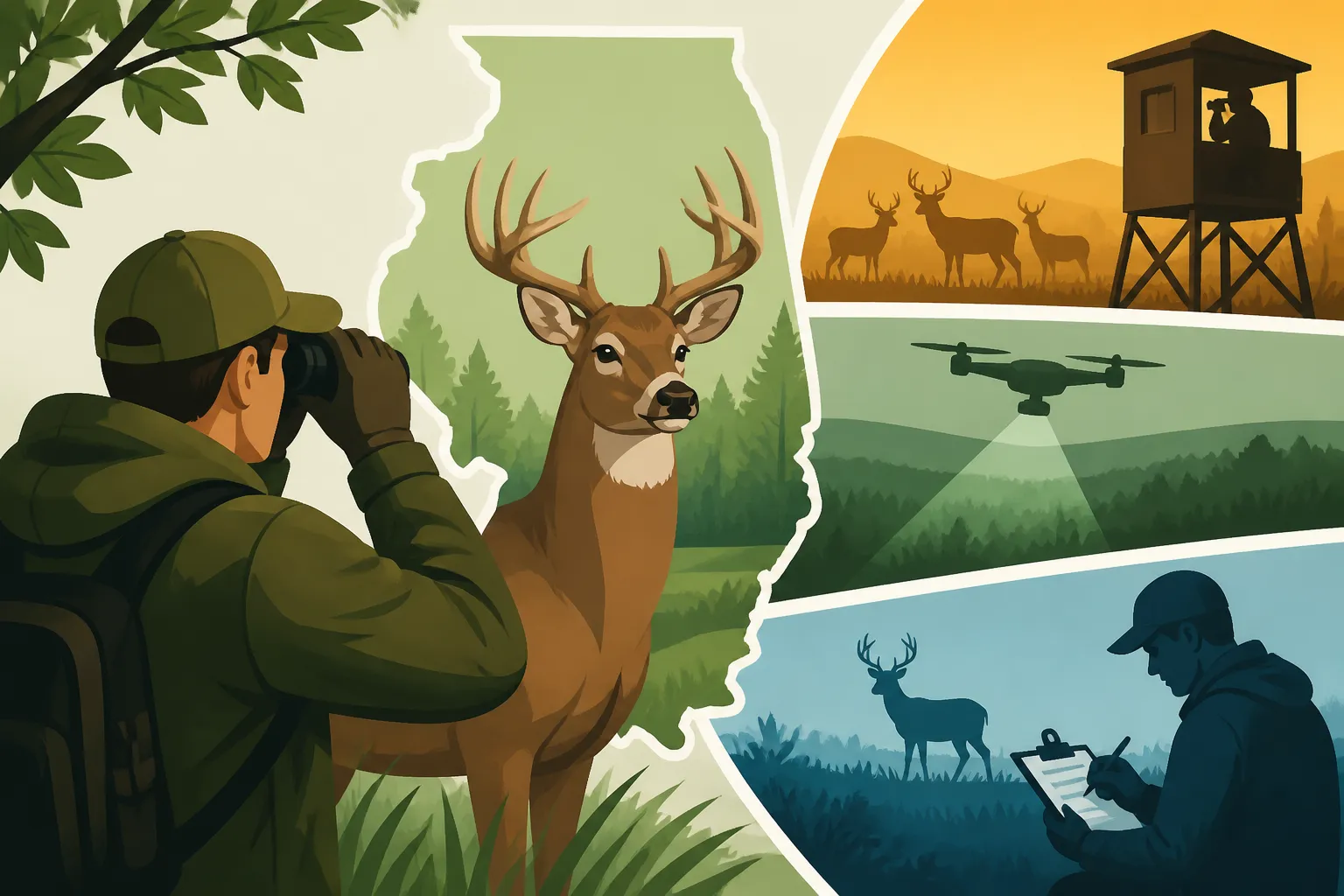
The IDNR uses a combination of direct and indirect methods to piece together the puzzle of the Illinois deer herd. No single method provides a perfect answer, but by combining data from several sources, biologists can develop robust estimates and identify trends. It’s a bit like being a detective, gathering clues from various witnesses and evidence.
Mandatory Harvest Data and Hunter Surveys
Perhaps the most significant and consistent data stream comes directly from hunters like you and me. Illinois has mandatory harvest reporting for deer, meaning every deer taken must be registered with the IDNR. This provides a wealth of information:
- Total Harvest Numbers: This gives a baseline of how many deer are removed from the population each season. You can often find detailed breakdowns of the Illinois Annual Deer Harvest by county and season.
- Sex and Age Ratios: Hunters report whether the deer was a buck or a doe, and often the county of harvest. This helps biologists understand the male-to-female ratio and, over time, the age structure of the buck herd.
- Location of Harvest: Knowing where deer are being harvested allows the IDNR to track local population densities and identify areas with higher or lower deer numbers.
- Success Rates: By comparing the number of permits sold to the number of deer harvested, the IDNR can estimate hunter success rates, which can indirectly reflect deer abundance and hunting pressure.
These reports, when compiled, offer an invaluable, large-scale dataset that helps track the Illinois Deer Herd Size and monitor trends year after year. Every time you use the Reporting a Deer Through Illinois's App, you're contributing to this vital research.
Spotlight Surveys and Aerial Reconnaissance
While harvest data is crucial, it only tells part of the story – specifically, what deer were harvested. To get a glimpse of the deer that aren't harvested, the IDNR employs direct observation methods:
Nighttime Spotlight Surveys
Biologists conduct these surveys after hunting seasons close, typically in late winter or early spring when foliage is minimal. Crews drive specific routes, usually at night, using powerful spotlights to scan fields and open areas for deer. The number of deer observed per mile driven gives an index of deer density in different areas. These surveys are generally conducted in consistent locations each year to allow for year-over-year comparisons. While they don't count every deer, they provide a standardized measure of population trends and help track the Deer Density by Illinois Region. However, they are limited to areas accessible by road and can be affected by weather conditions like snow cover, which can make deer more visible, or heavy fog, which can reduce visibility.
Aerial Surveys
In some parts of the state, particularly over larger, contiguous blocks of public land like the Shawnee National Forest Hunting or extensive river bottoms, aerial surveys are used. These involve flying fixed-wing aircraft or helicopters over designated transects, often when snow cover makes deer highly visible against the white background. Observers count and classify deer (bucks, does, fawns) from above. This method is excellent for covering vast areas quickly but is expensive, heavily reliant on ideal snow conditions, and still only provides an estimate based on what's visible from the air. Both spotlight and aerial surveys are crucial for grounding harvest data with direct observations of the living herd.
Disease Monitoring and Population Health
Disease can have a significant and rapid impact on deer populations, sometimes more so than hunting pressure or predator activity. The IDNR dedicates substantial resources to monitoring the health of the herd:
Chronic Wasting Disease (CWD) Surveillance
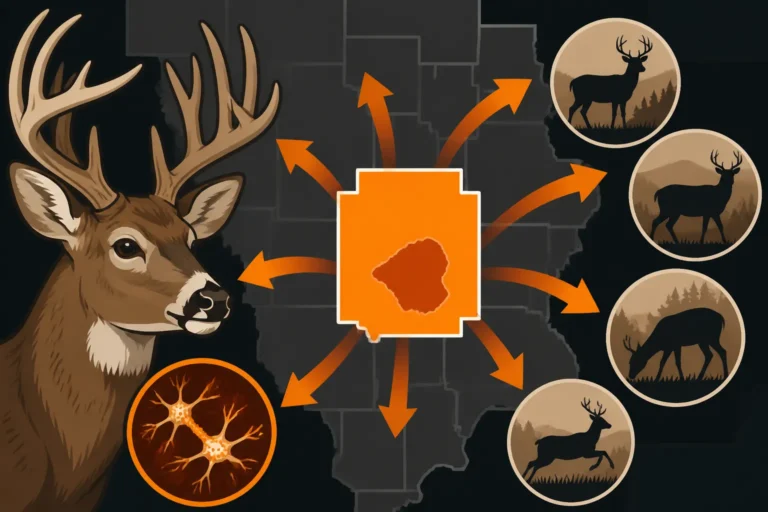
Illinois has been actively managing Chronic Wasting Disease (CWD) since its discovery in 2002. The IDNR collects thousands of deer samples annually, primarily from hunter-harvested deer, for CWD testing. This allows them to track the prevalence and geographic spread of the disease, particularly in the Illinois's Chronic Wasting Disease Zone. A rising prevalence rate of CWD can indicate a declining deer population, even if other numbers seem stable, because the disease is always fatal. Understanding the Illinois CWD Prevalence Rate Trends is vital for long-term herd health.
Epizootic Hemorrhagic Disease (EHD) and Other Pathogens
Periodically, deer populations can be affected by other diseases, most notably Epizootic Hemorrhagic Disease (EHD). This virus is transmitted by biting midges (no-see-ums) and can cause widespread deer deaths, especially in late summer and early fall during drought conditions. While EHD outbreaks are often localized and temporary, they can severely impact local deer numbers. The IDNR relies on hunter reports of sick or dead deer to identify outbreaks and assess their impact. Biologists also track other diseases and parasites to ensure overall herd health. This constant vigilance is part of a broader effort of Illinois Wildlife Disease Monitoring.
Fawn Recruitment and Mortality Studies
Understanding how many fawns are born and survive to adulthood is fundamental to predicting future deer populations. This is known as fawn recruitment.
Tracking Doe-Fawn Ratios
During spotlight surveys and incidental observations throughout the year, biologists try to count the number of fawns accompanying does. A healthy doe-fawn ratio indicates good reproductive success and potential for herd growth. If this ratio declines, it can signal problems like poor habitat quality, increased predator pressure, or poor doe health.
Predator Impact and Other Mortality Factors
While not extensively studied with radio collars on fawns in Illinois, the IDNR considers known factors affecting fawn survival. These include predation by coyotes (which are abundant throughout the state, as discussed in Illinois Coyote Range and Density), habitat quality (which provides cover and nutrition for does and fawns), and other forms of natural mortality. Information about Illinois Predator Impact on Fawn Recruitment is gathered from various sources, including field observations and research from other states with similar ecosystems.
Beyond the Numbers: Interpreting Trends and Hunter Impact
The raw numbers from harvest reports, surveys, and disease monitoring are just the ingredients. The real work comes in analyzing these data points over time to identify trends and make informed management decisions.
Analyzing Long-Term Trends
Biologists don't just look at one year's data in isolation. They compare current numbers to historical averages, looking for consistent increases or decreases in population indices. For example, a steady decline in deer harvested per hunter-day over several years might suggest a localized population decrease. Conversely, consistent high harvest numbers and healthy fawn recruitment rates indicate a robust and growing population. This long-term perspective is crucial for understanding the overall health and direction of the White-Tailed Deer Across Illinois. These trends help shape future hunting seasons and regulations, like those outlined in the Illinois Deer Season Structure Explained.
How Hunters Directly Influence Management Decisions
Your role as a hunter goes far beyond simply participating in the hunt. Every deer you tag, every online report you submit, and every observation you share contributes to the big picture. When you use resources like GoHunt to look at historical data or analyze mapping layers for public land, you're tapping into the same kinds of data points that influence wildlife managers. Your efforts on the ground provide the most comprehensive, widespread data set the IDNR has at its disposal. If you’re seeing significant deer activity in an area, or a noticeable lack thereof, your observations are valuable.
Understanding Data Limitations
It's important for hunters to understand that all these methods have limitations. No single data point is perfect, and sometimes, local observations by hunters might seem to contradict statewide trends. For example, a severe localized EHD outbreak might drastically reduce deer numbers in a specific creek bottom, even if the surrounding county still has a healthy overall population. The IDNR acknowledges these complexities and strives to balance broad-scale management with local nuances. This is why tools that allow for granular data analysis, like those sometimes offered by platforms like GoHunt, can be so valuable to the individual hunter planning their season.
The Role of Citizen Science and How You Can Help
The IDNR encourages hunters and outdoor enthusiasts to become active participants in wildlife monitoring. Your eyes and ears in the field are invaluable.
Reporting Observations and Unusual Sightings
If you observe an unusually high number of sick or dead deer, especially with symptoms like lethargy, open sores, or drooling, it's crucial to report it to the IDNR. These could be signs of a disease outbreak, such as EHD, and your timely report can help biologists quickly assess the situation and track the EHD Die-Offs in Illinois Deer. Similarly, if you see a truly unusual species or a unique behavior, reporting it can contribute to a better understanding of wildlife dynamics. The IDNR website typically has a dedicated section for reporting sick or dead wildlife.
The Value of Accurate Harvest Reporting
As mentioned, mandatory harvest reporting is the backbone of Illinois's deer management strategy. Taking the time to accurately report your harvest, including the correct county and sex of the animal, is perhaps the most direct way you contribute to herd management. It ensures that the IDNR has reliable numbers to factor into their population models and future season recommendations. Without this accurate data, the estimates would be far less precise, and management decisions would be based on less complete information, potentially leading to less effective outcomes for the deer herd and for hunters.
Using Technology to Track Your Own Success
Many hunters use apps or journals to track their own harvests, sightings, and scouting efforts. While this data is personal, it can provide valuable insights for your own hunting strategy over time. Platforms like GoHunt and others offer ways to log your hunts, map out public land, and even analyze historical harvest data for specific counties or regions, helping you make more informed decisions about where and when to focus your efforts. This kind of personal data collection, combined with the official IDNR data, empowers you to be a more effective and knowledgeable hunter.
| Data Collection Method | Information Provided | Pros | Cons |
|---|---|---|---|
| Hunter Harvest Reports | Total harvest, sex/age ratio, harvest location | Large sample size, widespread geographic coverage, cost-effective | Relies on hunter participation and accuracy, only captures harvested deer |
| Nighttime Spotlight Surveys | Deer density index, doe-fawn ratios | Standardized method for trend analysis, direct observation | Limited by road access, weather dependent, only an index not a full count |
| Aerial Surveys | Deer density, distribution in specific areas | Covers large, remote areas quickly, direct observation | Very expensive, highly weather-dependent (snow), limited visibility in thick cover |
| CWD Surveillance | Disease prevalence, geographic spread, herd health | Crucial for managing disease impact on population | Labor-intensive, requires sample collection from harvested deer |
| EHD & Disease Monitoring | Outbreak locations, severity, short-term impacts | Helps understand acute population declines | Relies heavily on public reporting, can be localized and sporadic |
| Fawn Recruitment Studies | Reproductive success, potential for growth | Predicts future population trends | Can be challenging to conduct directly, often inferred from other data |
The IDNR's approach to counting the Illinois deer herd is a dynamic and complex process that relies on a combination of scientific surveys, hunter participation, and ongoing monitoring. It's a testament to the dedication of wildlife biologists and the active role hunters play in conserving Illinois's most iconic big game animal. By understanding these methods and continuing to contribute through accurate reporting, we all help ensure a healthy and sustainable deer population for generations to come.
Disclaimer
This article is for general informational purposes only and does not constitute professional advice. Laws, prices and regulations vary by location and change over time. Consult a qualified professional for guidance on your specific situation.