Illinois Fawn Survival Rates
It's disheartening to spend countless hours scouting prime hunting ground in Illinois, only to realize that the deer herd, especially the younger generation, seems thinner than it should be. The truth is, the future of our deer hunting opportunities hinges heavily on how many fawns make it through their first year. This guide will dive deep into the factors influencing Illinois fawn survival rates, helping you understand the complex challenges these little ones face and what it means for our cherished wild deer populations.
The Critical First Weeks: Why Early Survival Matters
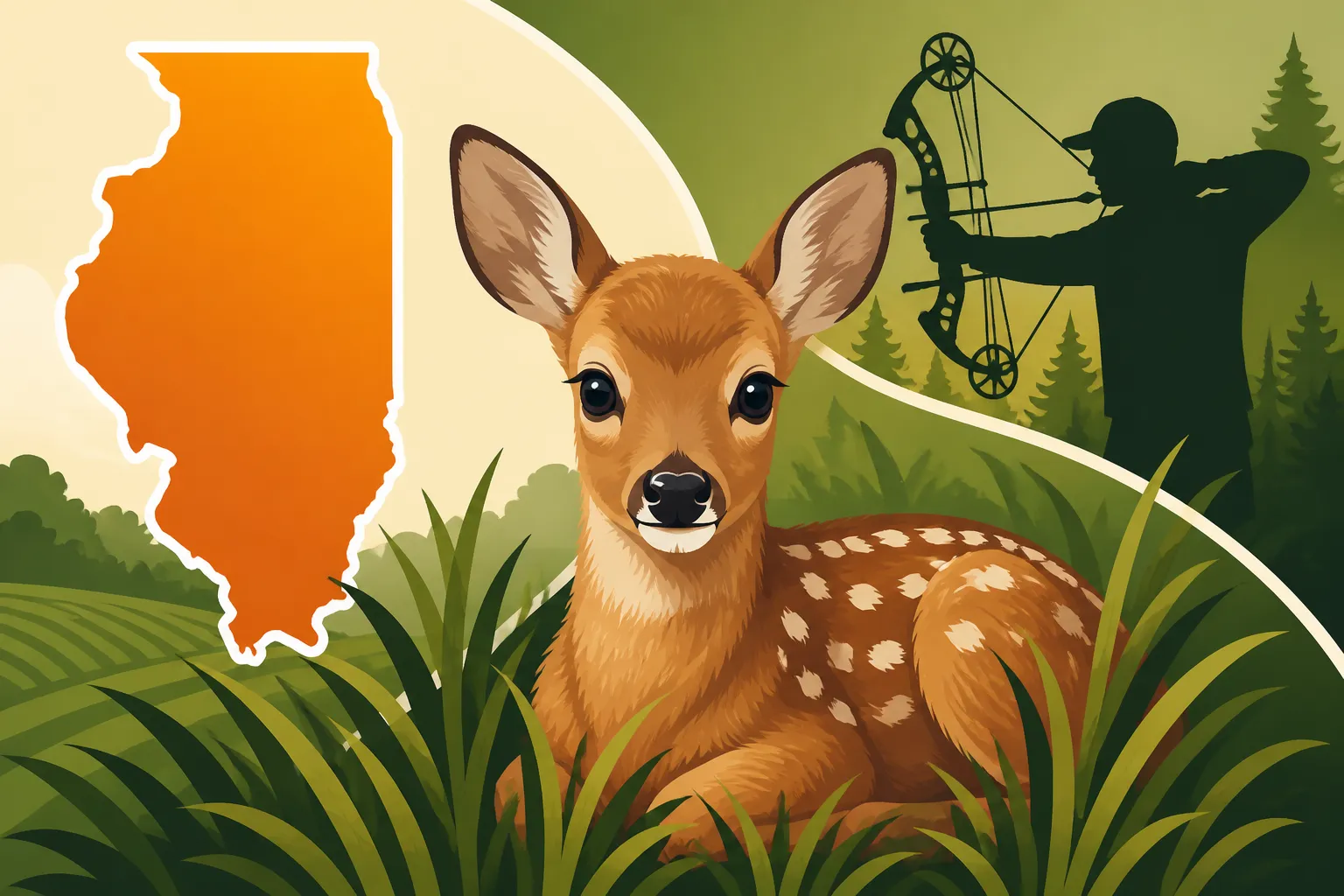
When you think about the incredible journey a whitetail fawn takes from birth to its first birthday, it's nothing short of a miracle they survive at all. Those initial weeks are a gauntlet, a period where they are most vulnerable to everything from hidden predators to the whims of Mother Nature. A strong fawn crop directly impacts the overall health and population trajectory of our deer herd, influencing how many deer we see in the woods years down the line. It's not just about next season; it's about the long game.
Predators and Their Impact
There's a common misconception that predators are always the primary driver of fawn mortality. While they certainly play a significant role, it's a more nuanced picture than just "coyotes eat fawns." The presence of predators like coyotes and bobcats in Illinois is a natural part of the ecosystem, and fawns are, unfortunately, a relatively easy meal for a hungry carnivore. Newborn fawns are masters of camouflage, relying on their spotted coats and remaining absolutely still to avoid detection. However, their scent is still potent, and a keen-nosed predator will eventually find them.
Many studies, including those across the Midwest, show that predation, especially from coyotes, accounts for a substantial portion of fawn losses. Often, it's not just one predator, but a combination. A fawn that is weak from poor maternal nutrition or born into a less-than-ideal cover situation might fall victim more easily. Understanding the role of Coyotes and Predators in Illinois helps paint a fuller picture of the challenges young deer face. It's a constant struggle for survival from the moment they drop.
Weather's Unpredictable Role
Beyond predators, the weather during fawning season can be a brutal and unforgiving force. Illinois springs can be notoriously fickle, swinging from warm, sunny days to sudden, sharp cold snaps or torrential downpours. A fawn born during a cold, wet spell is at a severe disadvantage. Hypothermia can set in quickly, especially for newborns whose thermoregulatory systems aren't fully developed. Heavy, prolonged rains can lead to respiratory issues or even drowning in low-lying areas.
Flooding, particularly in our river bottom regions like the Illinois River Valley or along the Mississippi, can decimate fawn populations. When floodwaters rise unexpectedly, fawns, particularly those bedded down in dense cover, may become trapped or simply succumb to exhaustion trying to escape. A mild, dry spring generally bodes well for fawn survival, allowing them to gain strength without added environmental stress. Conversely, a rough spring can suppress recruitment for an entire year, creating a noticeable dip in yearling deer two seasons later.
Habitat Quality: A Nursery for Deer
Just like humans, fawns need a safe, nurturing environment to grow and thrive. The quality of the habitat where a doe chooses to drop her fawns is paramount to their survival. It’s not enough to just have deer in the area; they need specific types of cover and ample, nutritious forage to ensure the next generation makes it. Hunters often look for mature timber or open fields, but for fawns, it's the thick, messy stuff that truly matters. A hunter using a tool like GoHunt's mapping features might notice how critical dense cover patches are.
Cover and Concealment
When a doe is ready to fawn, she seeks out the densest, most secluded cover she can find. This isn't just about hiding from human eyes; it's about hiding from everything with teeth. Think of it: thick briar patches, dense cedar thickets, tall native grass, or areas of heavy regenerating timber. These spots offer visual obstruction and a physical barrier that makes it harder for predators to locate a fawn. The more fragmented the landscape, the harder it is for does to find these ideal nurseries, which can severely impact Illinois Fawn Survival Rates.
Fawns are born with a phenomenal instinct to lie absolutely still, relying on their camouflage and lack of scent for the first few days. However, this strategy only works if the cover itself is sufficient. Without adequate concealment, that "frozen" fawn becomes a sitting duck for a hungry coyote or even an opportunistic fox. Managing habitat to ensure these dense cover pockets exist, especially near reliable food and water sources, is one of the best things landowners and managers can do for fawn recruitment. Consider Hunting a Funnel Between Two Woodlots to understand how deer utilize various covers.
Nutrition for Nursing Does
A healthy fawn starts with a healthy doe. The nutritional plane of the mother deer before and after fawning is a direct determinant of her fawns' survival. A doe that is well-fed, with access to high-quality forage rich in protein and energy, will produce healthier, stronger fawns that are more likely to withstand the initial challenges of life. They'll have a better birth weight, more vigor, and a stronger immune system. This directly impacts Illinois Deer Population Estimate and overall herd health.
Conversely, does that are stressed nutritionally—perhaps due to a poor mast crop the previous fall, harsh winter conditions, or overpopulation that leads to depleted food resources—will produce smaller, weaker fawns. These fawns are more susceptible to disease, less able to escape predators, and generally have lower odds of making it through those critical first weeks. Land management that focuses on providing diverse and abundant food sources throughout the year, not just during hunting season, is crucial. This includes natural browse, soft mast, and even properly managed agricultural crops.
| Factor Affecting Fawn Survival | Description | Impact on Survival |
|---|---|---|
| Predation | Coyotes, bobcats, and other opportunistic predators actively seek out vulnerable fawns. | Can be a significant source of mortality, especially in areas with high predator densities or poor fawn cover. Often targets weaker or less hidden fawns. |
| Weather Events | Extreme cold, prolonged heavy rain, or sudden flooding during fawning season (typically late May – early June in Illinois). | Hypothermia, pneumonia, or drowning can quickly kill newborns. Mild, dry weather is ideal for initial survival and strength gain. |
| Habitat Quality (Cover) | Availability of dense, undisturbed thickets, tall grass, and regenerating timber where does can hide fawns. | Excellent cover provides vital concealment from predators. Poor or fragmented cover leaves fawns exposed and vulnerable. |
| Habitat Quality (Nutrition) | Access to high-quality forage for pregnant and lactating does. | Well-nourished does produce heavier, stronger fawns with better immunity and vigor. Poor nutrition leads to weaker fawns with lower survival rates. |
| Disease | Endemic diseases like EHD, or other illnesses affecting either the fawn directly or the nursing doe. | While less common in fawns directly, diseases in does can weaken them, affecting milk production and their ability to protect fawns. EHD outbreaks can reduce overall deer numbers, including future fawn crops. |
| Human Disturbance | Agricultural activities (haying), recreational use of fawning areas, road mortality, uncontrolled domestic dogs. | Haying operations can inadvertently kill fawns. Increased human presence can disturb does, leading to fawns being abandoned or exposed. Road mortality is a constant threat as deer (including fawns once they start moving) cross busy areas. |
Disease and Human Impact
Beyond the natural struggles with predators and weather, Illinois fawns also face threats from disease and the ever-present influence of human activity. These factors, while sometimes less dramatic than a coyote attack, can quietly chip away at survival rates, impacting the long-term health and stability of our deer populations. Keeping an eye on these elements is part of being a responsible steward of our wildlife.
EHD and Other Health Challenges
While diseases like Epizootic Hemorrhagic Disease (EHD) are often associated with adult deer, their impact on fawn survival can be significant, albeit indirectly. EHD outbreaks, common during dry, late-summer periods, can decimate local adult deer populations, especially does. When a large number of adult does succumb to EHD, it means fewer does are alive to fawn in subsequent years, leading to a noticeable drop in fawn recruitment. You can learn more about EHD Die-Offs in Illinois Deer to understand its widespread impact.
Furthermore, a doe weakened by parasites or other non-lethal diseases might have reduced milk production or be less attentive, compromising her fawn's chances. While fawns are generally more resilient to some diseases than older deer, a fawn with a compromised immune system from birth due to a stressed mother is more susceptible to common ailments. Illinois's Chronic Wasting Disease in Illinois Deer is another concern, though its direct impact on fawn mortality is less pronounced than EHD, it certainly affects the overall health and management strategy of the herd.
Human Disturbances and Road Mortality
Humans, both intentionally and unintentionally, contribute to fawn mortality. Agricultural practices, while vital for our economy, can unfortunately lead to fawn losses. Haying operations, for instance, are often conducted during late spring and early summer, coinciding directly with fawning season. Fawns, instinctively "freezing" when danger approaches, become incredibly vulnerable to farm machinery in tall hayfields. Modern farming often leaves less edge cover too, pushing does to fawn in fields.
Beyond agriculture, increasing human presence in rural areas, whether through recreational activities like hiking and biking or expanding development, can disturb fawning areas. A doe repeatedly stressed by human activity might move her fawns, potentially exposing them to new dangers or causing her to abandon them if she feels the area is too risky. Road mortality is another persistent threat. While young fawns aren't crossing roads alone, as they grow and start following their mothers, they become susceptible to vehicle collisions. These events are part of the daily reality for deer, and often, we only hear about the ones that involve adult deer, but the younger ones are also caught in the crossfire. A comprehensive resource like GoHunt can help you understand human impact through land use maps.
Monitoring and Management Efforts in Illinois
Understanding Illinois fawn survival rates isn't just academic; it's crucial for wildlife managers to make informed decisions about hunting seasons, permit allocations, and habitat improvement projects. Hunters also play a vital role in this process, both through observation and reporting. It’s a collective effort to ensure healthy and sustainable deer populations for future generations to enjoy.
IDNR Surveys and Data Collection
The Illinois Department of Natural Resources (IDNR) works tirelessly to monitor our deer herd, and fawn recruitment is a key metric they track. They use a variety of methods to estimate populations, including aerial surveys, harvest data analysis, and citizen-science programs. Harvest data, which hunters provide when they check their deer, offers invaluable insights into the age structure and health of the herd. By looking at the percentage of yearling bucks and does harvested, biologists can infer the success of the previous year's fawn crop. Learning how to read an Illinois Harvest Report can show you how valuable this data is.
Biologists also conduct specific surveys, sometimes involving spotlight counts or even dedicated fawn studies using radio-collared does to track individual fawns after birth. This kind of detailed research, which also considers Illinois Predator Impact on Fawn Recruitment, helps them understand not just if fawns are surviving, but why or why not. This information is then used to refine management strategies, ensuring that our hunting opportunities remain robust while maintaining a healthy deer population.
What Hunters Can Observe and Report
As hunters, we are often the eyes and ears on the ground, spending countless hours in the woods observing deer behavior and populations. Your observations about doe-to-fawn ratios during late summer and early fall are incredibly valuable. When you see a doe, how many fawns are typically trailing her? Is she usually alone, or does she consistently have one or two youngsters by her side? This informal data, when collected by many hunters, can help paint a broader picture of local fawn survival.
If you notice a significant lack of fawns in an area where you normally see them, or if you spot deer acting strangely or appearing sick, reporting this to the IDNR can be crucial. This helps them track potential disease outbreaks or other localized issues. Tools like the GoHunt app allow users to mark observations on maps, which can be useful for your own records and pattern recognition. Being an active participant in wildlife observation, rather than just a consumer, helps everyone involved in conservation. Every piece of information, even anecdotal, contributes to a better understanding of Illinois Wildlife Disease Monitoring and overall deer health.
Disclaimer
This article is for general informational purposes only and does not constitute professional advice. Laws, prices and regulations vary by location and change over time. Consult a qualified professional for guidance on your specific situation.