Illinois Muskrat and Mink Trapping Trends
For many folks who love to spend time outdoors in Illinois, the thought of trapping might bring up images of pioneers or harsh winters. But for those dedicated few, the subtle art of trapping muskrat and mink continues, a tradition deeply woven into our state's natural history. It's not always easy, facing fluctuating fur markets, changing landscapes, and the ever-present challenge of outsmarting these wily furbearers. This guide aims to shed light on the current trends, techniques, and unique challenges faced by trappers pursuing muskrats and mink across the Prairie State.
Understanding Muskrat and Mink Populations in Illinois
Illinois's diverse waterways, from sprawling river systems to countless small creeks and drainage ditches, provide crucial habitat for a variety of furbearers. Among the most iconic are the muskrat and the mink, two species that have long been a staple of the Illinois trapping scene. Understanding their populations and habits is the first step for any aspiring or seasoned trapper.
Historical Context of Illinois Furbearer Management
Historically, furbearers like muskrats and mink were incredibly important, driving early exploration and settlement of Illinois. Trapping was a vital part of the economy, providing both income and sustenance. Over the centuries, populations have seen their ups and downs, largely influenced by habitat changes, unregulated harvest, and eventually, the implementation of sound wildlife management practices. Early trappers often operated under few rules, leading to localized declines. However, modern conservation efforts, guided by scientific research and regulated seasons set by the Illinois Department of Natural Resources (IDNR), have worked to ensure sustainable populations. This long history reminds us that trapping isn't just about harvest; it's about a deep connection to the land and a responsibility to manage its resources wisely. The state's approach to furbearer management, including for species like muskrats and mink, has evolved significantly to balance human activity with ecological health.
Current Population Status and Distribution
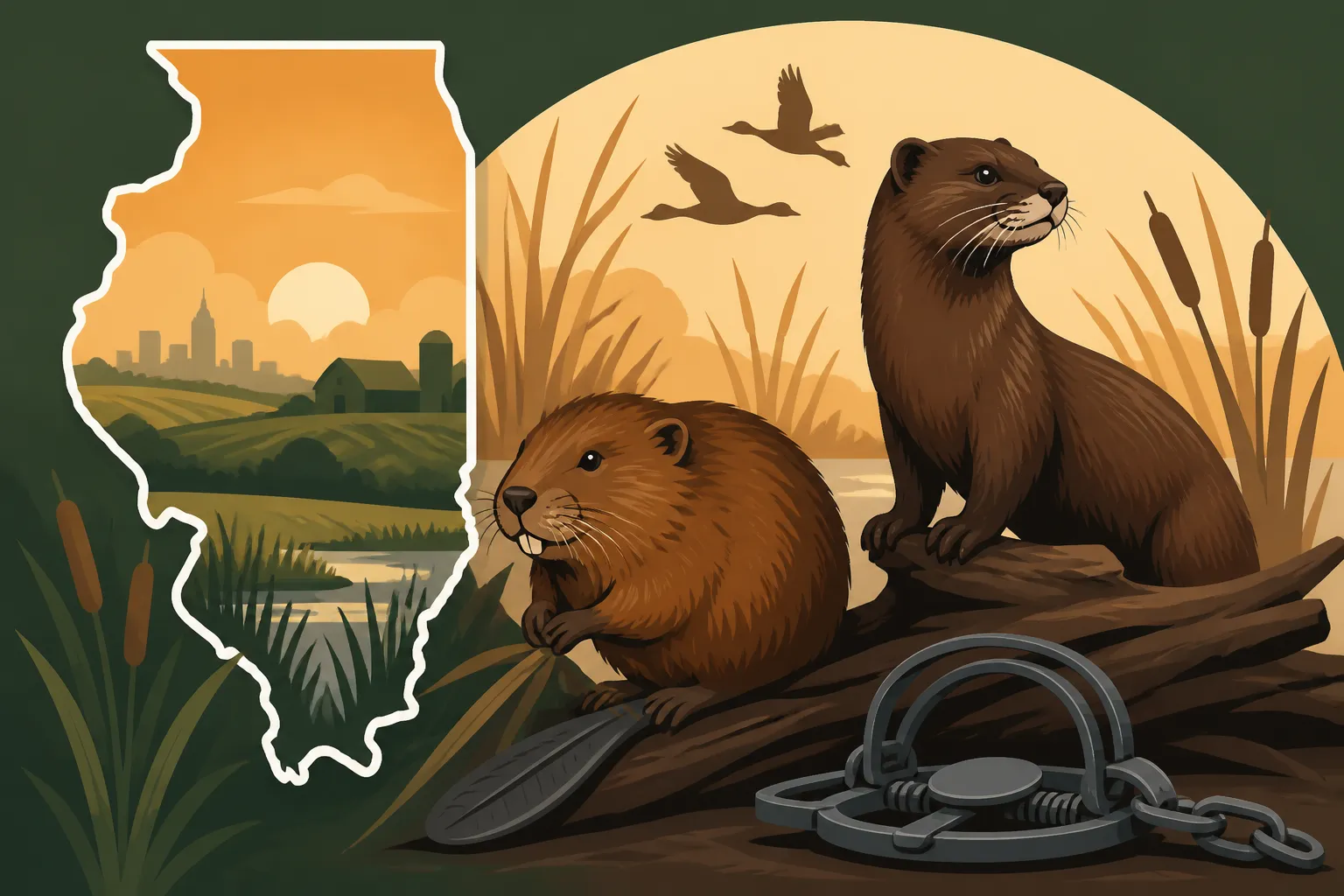
Today, both muskrats and mink are generally widespread across Illinois, though their densities can vary significantly depending on the region and habitat quality. Muskrats, true to their name, thrive in aquatic environments. You'll find them in nearly every county, from the drainage ditches of central Illinois farmlands to the slow-moving backwaters of the Mississippi and Illinois Rivers. They prefer calm or slow-moving water with abundant aquatic vegetation for food and building their iconic "push-ups" and bank dens. Mink, while also aquatic, are more adaptable and range across a wider variety of habitats, including woodlands and brushy areas adjacent to water. They are opportunistic predators, often found wherever their prey – which includes muskrats, small mammals, birds, and frogs – is plentiful.
Current observations suggest that while populations are generally stable, local fluctuations are common. Factors like severe droughts or heavy flooding can temporarily impact aquatic habitats, affecting muskrat numbers. Similarly, healthy prey bases and undisturbed riparian corridors contribute to robust mink populations. Trappers often rely on personal observations, historical trends, and information from the IDNR to gauge local furbearer health, which can be crucial for planning a successful season. These population dynamics are key to understanding Illinois Small Game and Furbearers as a whole.
Reading Habitat for Muskrat and Mink
Success in trapping muskrats and mink hinges on a trapper's ability to "read" the landscape and identify prime habitat. For muskrats, look for wetlands, marshes, slow-moving creeks, farm ponds, and drainage ditches with plenty of cattails, bulrushes, and other emergent vegetation. They'll create distinctive "runs" through the vegetation, visible trails in shallow water, and feed beds where they pull up and eat plants. Bank dens, often identified by slides leading into the water, are another clear sign.
Mink, being more mobile, can be a bit trickier, but they too are creatures of habit. They patrol shorelines, rock piles, logjams, and culverts, often leaving tracks in soft mud or snow. Look for signs of their presence where water meets upland, such as under bridges, along dense creek banks, or near beaver lodges and muskrat dens, which can be a direct food source for them. Knowing these micro-habitats is critical for setting traps efficiently and safely, ensuring you're targeting areas where these furbearers are most active.
Factors Influencing Trapping Trends
Trapping isn't a static pursuit; it's heavily influenced by external factors that can make or break a season. From the ground underfoot to the global economy, these elements shape how and where trappers pursue muskrats and mink.
Habitat Changes and Their Impact
Illinois is a highly agricultural state, and the constant pressure of land use changes has a significant impact on furbearer habitats. Wetland drainage for farming, channelization of creeks for flood control, and riparian zone alterations all reduce the quality and quantity of suitable homes for muskrats and mink. When a prime marsh is tiled and converted to cropland, or a brushy creek bank is cleared, the muskrats and mink that called that area home are forced to move or perish. This habitat fragmentation can isolate populations, making it harder for them to thrive.
Conversely, some conservation efforts, like wetland restoration projects and the establishment of filter strips along waterways, can create new pockets of habitat. Trappers are often keenly aware of these changes, constantly scouting for newly accessible areas or watching as traditional hotspots decline due to development or agricultural expansion. Understanding these landscape-level shifts is crucial for any long-term trapper looking to adapt their strategies and continue to find success in a changing environment. This highlights the importance of initiatives that help with Illinois River Otter Recovery and other water-dependent species.
Market Value and Trapper Motivation
The fur market is notoriously volatile, and the price fetched for muskrat and mink pelts can swing wildly from year to year. This fluctuation directly impacts trapper motivation and effort. When fur prices are high, more trappers are often willing to put in the time, effort, and expense required to run a successful trapline. The potential for a decent return on investment makes the hard work of scouting, setting, checking, skinning, fleshing, and stretching more appealing.
However, when prices are low, many trappers, especially those who rely on trapping for supplementary income, may choose to scale back their efforts or sit out a season entirely. The cost of fuel, traps, and equipment can quickly outweigh the potential profit, turning a passion into a financial burden. This economic reality means that trapping trends for muskrats and mink are often cyclical, closely mirroring the ups and downs of the global fur trade. The dedication required to sustain a trapline, regardless of market conditions, is a testament to the passion many Illinois trappers hold for this heritage.
Regulatory Framework and Season Adjustments
The Illinois Department of Natural Resources (IDNR) plays a pivotal role in managing furbearer populations through a detailed regulatory framework. These rules dictate when, where, and how trappers can operate, ensuring sustainable harvest and the long-term health of muskrat and mink populations. Seasons are set based on biological data, aiming to allow harvest when fur quality is prime, but before breeding seasons are heavily impacted.
| Species | Season Start (Approx.) | Season End (Approx.) | Typical Habitat | Primary Diet | Trapping Considerations |
|---|---|---|---|---|---|
| Muskrat | Early Nov | Early Mar | Marshes, ponds, slow creeks | Aquatic vegetation | Water sets, dens, feed beds |
| Mink | Early Nov | Early Mar | Riverbanks, wetlands, brush | Rodents, birds, fish, muskrats | Blind sets, cubbies, logjams, culverts |
Trappers must acquire the necessary Illinois Trapping License Requirements and adhere to specific trap types, set restrictions (e.g., distance from residences), and check times. For instance, traps must be checked at least once every 24 hours. These regulations are not arbitrary; they are designed to promote ethical trapping, minimize non-target catches, and maintain healthy furbearer numbers. Any changes to season dates, bag limits, or legal methods can significantly alter trapping trends, making it essential for trappers to stay informed through official IDNR channels. Furthermore, the IDNR's long-term monitoring is crucial for understanding species like Illinois Raccoon Season Dates and Illinois Fox and Bobcat Trapping Season.
Modern Trapping Techniques and Ethics
Trapping has come a long way from the frontier days. Modern trappers are keenly focused on efficiency, selectivity, and, above all, ethical practices that ensure quick, humane dispatch while minimizing risks to non-target animals.
Humane Trapping Methods and Best Practices
Today's trapping community places a strong emphasis on humane methods. For muskrats, commonly used traps include bodygrip traps (like the Conibear 110 or 120), which are designed to dispatch the animal quickly. Foothold traps (like the #1 or #1.5 coilspring) are also used, often set in water deep enough to ensure a quick submersion kill. These traps are highly effective when placed correctly in muskrat runs or at den entrances. For mink, smaller bodygrip traps (Conibear 120) are popular for their quick-kill capability, especially when set in cubbies or natural bottlenecks. Foothold traps can also be very effective for mink, again, often with drowning sets employed in aquatic environments.
Ethical trappers adhere to strict trap check times, typically checking their lines daily, to minimize the time an animal spends in a trap. They also prioritize proper trap maintenance, ensuring traps are clean, functional, and appropriately sized for the target species. Education on proper trap placement, baiting, and safety is paramount, often shared through local trapping organizations and online resources. This commitment to humane practices is not only good for the animals but also helps maintain the positive public image of trapping as a responsible wildlife management tool.
Scouting and Set Placement for Success
Successful muskrat and mink trapping isn't about setting dozens of traps haphazardly; it's about strategic placement based on thorough scouting. For muskrats, trappers look for their distinct "runs" or trails in shallow water, feed beds, push-ups, and bank dens. A well-placed bodygrip trap in a active run, or a foothold set on a feeding platform, can be incredibly effective. "Pocket sets" or "bank sets" using bait are also productive, mimicking a natural den entrance.
Mink, being more terrestrial in their movements along waterways, require different tactics. Trappers often look for natural funnels like logjams, culverts, or narrow sections of stream banks. Blind sets, where a trap is placed in a natural travel lane without bait, are common. Cubby sets, which are small enclosures containing bait or lure, are also highly effective, drawing mink into a confined space where a bodygrip or foothold trap is waiting. Tools like GoHunt can be invaluable for identifying prime habitat on public lands, pinpointing access points, and scouting potential trap locations by analyzing topographical maps and aerial imagery. This level of detail in scouting, whether using technology or keen observation, is crucial for maximizing efficiency and success on the trapline. Knowing how to interpret these signs in the wild is just as important as knowing Running a Trapline in Rural Illinois.
Processing and Pelt Preparation
After a successful catch, the work isn't over. Proper processing and pelt preparation are critical for maximizing the value of the fur and respecting the animal. This involves careful skinning, a meticulous process to remove the hide without damaging it. For muskrats, this often involves "case skinning," where the animal is skinned like pulling off a sweater, leaving the fur side out. Mink are also typically case-skinned, but with greater attention to preserving the tail.
Once skinned, the pelt must be fleshed – removing all fat and muscle tissue – to prevent spoilage and ensure a clean, pliable hide. Specialized fleshing knives and beams are used for this step. Finally, the pelt is stretched onto a drying board or stretcher, sized appropriately for the animal, and allowed to dry in a cool, well-ventilated area. This careful preparation prevents hair slip, preserves fur quality, and makes the pelt marketable. A well-processed pelt not only fetches a better price but also honors the animal and the trapper's skill.
Challenges and Opportunities for Illinois Trappers
Trapping in Illinois, like any outdoor pursuit, comes with its own set of unique challenges and exciting opportunities. It's a blend of tradition and adaptation, requiring dedication and an understanding of the changing landscape.
Overcoming Modern Trapping Obstacles
Modern trappers in Illinois face several significant hurdles. Perhaps one of the biggest is access to land. While Illinois has some public land, much of the prime furbearer habitat is on private property. Securing permission from landowners can be a time-consuming task, requiring good communication and trust. Urbanization and increased population density also lead to fewer remote areas suitable for long traplines, increasing the likelihood of human-wildlife conflicts or public perception issues.
Another challenge is the time commitment. Running a trapline requires daily checks, often in harsh weather conditions, on top of the hours spent scouting, setting, and processing. It's not a hobby for the faint of heart or those short on time. Fluctuating fur prices, as discussed earlier, also pose a financial challenge, making it difficult for many to justify the expense and effort. Aspiring trappers also face a steep learning curve, needing to understand animal behavior, trap mechanics, and local regulations. However, with perseverance and the right resources, these obstacles can be overcome. Understanding Hunting Pressure on Illinois Public Land can give trappers an edge in finding less disturbed areas.
Educational Resources and Mentorship
For those interested in learning the art of muskrat and mink trapping in Illinois, there are excellent resources available. The IDNR offers educational materials and often hosts workshops or provides information on Illinois Hunter Education Requirements which can touch on trapping. Local and state trapping associations, such as the Illinois Trappers Association, are invaluable. These organizations offer mentorship programs, hands-on clinics, and a wealth of collective experience. They provide a platform for new trappers to learn from seasoned veterans, gain practical skills, and understand the ethical responsibilities that come with trapping.
Online forums, instructional videos, and books also serve as excellent supplementary resources, offering detailed guides on trap modifications, set types, and pelt preparation. Many experienced trappers are more than willing to share their knowledge, recognizing the importance of passing on this traditional skill. Actively seeking out these educational opportunities and finding a mentor can significantly shorten the learning curve and foster a lifelong passion for responsible furbearer management. It's not just about learning how to trap, but why it matters for conservation and personal connection to nature.
The Future of Trapping in Illinois
The future of muskrat and mink trapping in Illinois, while facing challenges, also holds opportunities. As wildlife populations continue to be managed, trapping remains a critical tool for species control and population monitoring. Trappers play an important role in gathering data on furbearer health and distribution, often providing valuable insights that complement scientific surveys. The ethical focus of modern trapping ensures that the practice remains defensible as a sustainable harvest method.
Opportunities exist in promoting the educational aspects of trapping, showcasing its conservation benefits, and fostering a new generation of knowledgeable and responsible outdoorsmen and women. As public lands face increased pressure, smart use of mapping technologies, like GoHunt, for scouting and planning will become even more important for finding less-pressured areas. Continued advocacy for trapping as a legitimate and beneficial outdoor activity, combined with unwavering commitment to ethical practices, will secure its place in Illinois's outdoor heritage for years to come. The resilience of trappers and the adaptability of muskrats and mink suggest that this pursuit, though evolving, will endure. Trappers are often the first to notice changes in local wildlife populations, like those monitored through Illinois Wildlife Disease Monitoring.
Disclaimer
This article is for general informational purposes only and does not constitute professional advice. Laws, prices and regulations vary by location and change over time. Consult a qualified professional for guidance on your specific situation.