Illinois Raccoon Season Dates
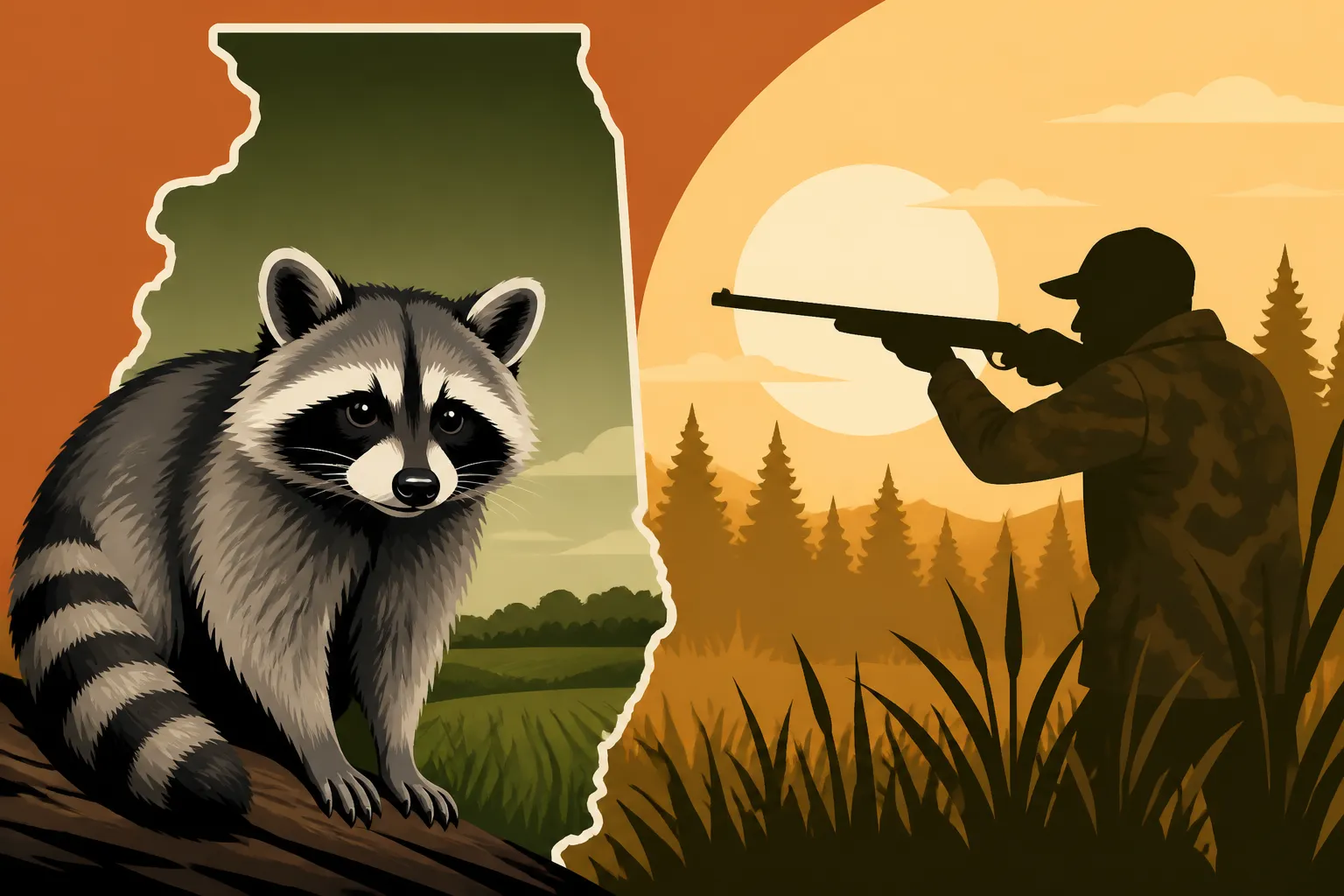
It can be incredibly frustrating to sift through dense regulations trying to pinpoint something as simple as when you can actually get out into the woods for a specific hunt. Many Illinois hunters feel overwhelmed by the sheer volume of information from various sources, especially when seasons are split by zones or methods. This guide aims to clear up all that confusion, giving you a crystal-clear understanding of Illinois raccoon season dates and all the key regulations you need to know to pursue these wily furbearers.
Understanding Illinois Raccoon Hunting Season Zones and Dates
Illinois, like many states, divides its hunting seasons into distinct zones to account for geographical and climatic differences across the state. This is especially true for furbearers like raccoons, where population dynamics and environmental factors can vary significantly from north to south. Knowing which zone you're hunting in is the very first step to ensure you're compliant with the law and hunting during the legal window. Misunderstanding these zones can lead to a ruined hunt or, worse, a violation.
The Illinois Department of Natural Resources (IDNR) typically separates the state into a North Zone and a South Zone for furbearer hunting and trapping. The dividing line usually runs along specific county borders. For raccoons, this means two different sets of opening and closing dates, designed to manage populations effectively and provide ample opportunity for hunters across the diverse landscapes of Illinois. You'll often find that the North Zone season kicks off a bit earlier and wraps up sooner than the South Zone, mainly due to colder weather arriving earlier up north and dictating when pelts are prime and when breeding cycles begin to shift.
North Zone Raccoon Hunting Specifics
If you're planning to chase raccoons in the northern half of Illinois, your season generally starts earlier in November and concludes in late January. This zone encompasses a broad range of habitat, from the farmlands of central Illinois to the more urban fringes north of Chicago. Hunters here often face different challenges, such as earlier snowfalls and frozen ground, which can influence raccoon behavior and hunter success. The early start allows hunters to take advantage of milder weather before the deep cold sets in, while the January end respects the impending breeding season and helps ensure healthy populations for future years.
During this period, hunters will be targeting raccoons when their fur is beginning to prime up, making them more valuable if you're looking to sell pelts. You'll also find raccoons actively foraging and storing up for winter, making them predictable around food sources. Many hunters in the North Zone focus their efforts around standing corn fields, timbered creek bottoms, and old farmsteads where raccoons are known to frequent. Remember, checking the current year's IDNR Furbearer Regulations is absolutely critical, as specific dates can shift slightly from year to year based on biological data and management goals.
South Zone Raccoon Hunting Specifics
Down in the warmer, more southern reaches of Illinois, the raccoon hunting season opens a little later in November and extends into mid-February. This zone includes areas like the Shawnee National Forest and the many river bottoms and swamps that characterize Southern Illinois. The later opening accounts for the milder climate, ensuring that fur is prime a bit later in the season. It also provides hunters with an extended opportunity to pursue raccoons, often during periods when deer season has wound down, offering a different kind of outdoor pursuit.
The extended season in the South Zone allows hunters to take advantage of various conditions, from late fall foraging to winter denning behavior. Many hunters find success by keying into the unique topography of the South, such as rocky bluffs, timbered ridges, and the dense cover found along the Ohio and Mississippi River systems. These areas can hold significant raccoon populations. Just like with the North Zone, always consult the most current IDNR regulations for precise dates, as they are your ultimate authority. Getting your hunting license and State Habitat Stamp in order early is a smart move, no matter which zone you plan to hunt.
Raccoon Trapping Season Regulations in Illinois
While hunting raccoons with dogs or firearms is a popular tradition, trapping is another highly effective method to harvest these abundant furbearers in Illinois. The trapping season often overlaps significantly with the hunting season, but it has its own set of distinct regulations, dates, and legal methods that trappers must adhere to. Understanding these nuances is crucial for any aspiring or experienced trapper. The IDNR sets these seasons to ensure sustainable harvest and manage populations, while also considering ethical trapping practices.
Trapping tends to target raccoons when their pelts are in peak condition, which generally means colder weather. This is why you'll see trapping seasons often starting a bit earlier than hunting seasons and potentially running slightly longer into the colder months. The regulations around trap types, placement, and checking frequency are particularly important for trappers, as these are designed to minimize non-target catches and ensure animal welfare. For anyone serious about furbearer management, knowing the ins and outs of both hunting and Trapping Illinois Furbearers is immensely beneficial.
North Zone Raccoon Trapping Dates
In the North Zone, the raccoon trapping season typically kicks off a bit earlier than the hunting season, often in late October or early November, and usually concludes in late January or early February. This early start allows trappers to get their lines out as soon as fur begins to prime and before heavy snows might make access more challenging. Trappers in this region often focus on waterways, drainage ditches, and the edges of agricultural fields, placing their sets strategically to intercept raccoons on their nightly patrols.
The cold temperatures common in the North Zone during these months are ideal for preserving pelts, a key consideration for trappers looking to sell their harvest. Trapping requires diligent effort, including regular trap checks, typically within a 24-hour period, to ensure humane practices. Using a mapping tool like GoHunt can be invaluable here, allowing trappers to mark trap locations, access points, and potential raccoon hotspots, making their efforts far more efficient.
South Zone Raccoon Trapping Dates
For trappers in the South Zone, the season generally opens in early November, a bit later than the North, and extends further into February. This reflects the milder climate and the later prime fur development in the southern part of the state. The extended season provides a longer window for trappers to work their lines, often allowing them to avoid the most intense cold fronts and take advantage of periods of higher raccoon activity.
Southern Illinois trappers often target the myriad of creeks, rivers, and wetland areas that crisscross the landscape. These water-rich environments are prime raccoon habitat, offering abundant food and denning sites. Understanding local raccoon movements and habitat preferences is key to successful trapping. Again, a careful review of the current year's IDNR Furbearer Regulations is non-negotiable for precise dates and specific trap requirements for the South Zone, ensuring that every trapper is operating legally and ethically.
Essential Regulations and Legal Methods for Raccoons
Hunting or trapping raccoons in Illinois involves more than just knowing the season dates. There are specific regulations concerning legal methods, hunting hours, and equipment that every hunter and trapper must understand and follow. These rules are in place not only for safety and fair chase but also for the sustainable management of Illinois's furbearer populations. Getting these details right ensures a legal and enjoyable experience.
One of the most exciting aspects of raccoon hunting for many enthusiasts is the ability to hunt them at night. This nocturnal pursuit, often done with the aid of dogs and lights, adds a unique challenge and thrill to the hunt. However, night hunting comes with its own set of specific rules and safety considerations. Similarly, the choice of firearm or archery equipment, and the regulations surrounding those, are important to review before heading afield.
Permitted Hunting Equipment and Methods
Illinois allows a variety of methods for hunting raccoons, offering flexibility for different hunting styles. For daylight hunting, you can use traditional firearms like shotguns, rimfire rifles (such as .22 caliber), centerfire rifles, handguns, and even archery equipment. The key is safe and responsible use of whatever method you choose. When it comes to Illinois Legal Firearms for Deer Hunting, many of those same principles of safe handling and ethical shot placement apply to raccoon hunting, even though the species are very different.
Many raccoon hunters prefer to use small caliber firearms, like a .22 rifle, which are often sufficient for harvesting raccoons without causing excessive hide damage if you're looking to pelt them. Air guns are also permissible. The choice often comes down to personal preference, accuracy, and the specific hunting scenario. For those who enjoy a more primitive approach, archery equipment can also be effective, especially if hunting near known travel corridors or den trees.
Night Hunting Rules and Lighting
One of the most iconic ways to hunt raccoons is at night, often with hounds. Illinois permits night hunting for raccoons, but with strict rules regarding the use of artificial lights. Hunters are allowed to use a handheld light, or a light attached to their person, provided it does not project beyond the hunting area. This means you can use a flashlight or headlamp to spot raccoons in trees or on the ground, but you can't use vehicle headlights to spotlight animals from a road, for example.
For anyone participating in night hunting, safety is paramount. Always be absolutely sure of your target and what lies beyond it. Using a powerful mapping tool like GoHunt can help you understand property boundaries, especially when pursuing a running dog in the dark. While the rules for Night Hunting Rules for Illinois Coyotes share some similarities, it's crucial to remember that each species has its own specific regulations. Always double-check the current furbearer guide for any updates on light restrictions or other night hunting stipulations.
Landowner and Public Land Considerations
Navigating landowner permission and understanding public land rules is critical for any hunter or trapper in Illinois. For raccoons, on private land where they are causing damage, landowners (or those with written permission) have additional flexibility. Raccoons are considered an unprotected species when they are actively causing damage to crops or property, allowing landowners to take them year-round outside of the regular season to mitigate issues. However, for general recreational hunting or trapping, you must always adhere to the published season dates and regulations.
When hunting on public lands, such as Illinois State Fish and Wildlife Areas or portions of the Shawnee National Forest, specific site regulations often apply. These can include restrictions on hunting hours, vehicle access, or even designated hunting areas. It's always a good idea to check the specific site regulations for any public land you plan to hunt or trap. Tools like the Using the Illinois DNR Map Tool can be incredibly helpful for identifying public land boundaries and understanding access points. Remember, having Do You Need Written Permission in Illinois? is not just good etiquette on private land, it's the law.
Preparing for a Successful Raccoon Season
A successful raccoon season, whether you're hunting or trapping, goes far beyond just knowing the dates. It involves preparation, scouting, understanding raccoon behavior, and having the right gear. Raccoons are adaptable and intelligent creatures, making them a fun challenge for hunters and trappers alike. Thinking ahead about where to find them, what they're eating, and how local conditions might affect their movement will drastically improve your chances.
Effective preparation also includes making sure your equipment is in top shape, from your firearms and ammunition to your traps and dog collars. A little bit of scouting before the season opens can save you a lot of time and frustration later on. Even observing areas while hunting other game, like during Squirrel and Small Game Hunting in Illinois, can give you valuable insights into raccoon presence and travel routes.
Scouting for Raccoon Sign and Habitat
Before you even think about setting a trap or unleashing your hounds, spend some time scouting. Raccoons are masters of leaving subtle signs, and learning to read these can be a game-changer. Look for tracks along muddy creek banks, especially distinct hand-like paw prints. You'll also find scat, often containing berry seeds or corn kernels, usually deposited at the base of trees, on logs, or around den sites. Rubs on trees, where raccoons climb, can also indicate activity.
Prime raccoon habitat often includes a combination of water, dense cover, and food sources. Think wooded creek bottoms, marshy areas, timbered fencerows, and the edges of agricultural fields, particularly corn or soybean fields. Old abandoned barns or hollow trees can also serve as denning sites. Pay attention to mast crops like acorns and pecans, as these can concentrate raccoons in the early season. Understanding Reading Illinois Mud for Fresh Deer Movement can also help you recognize fresh raccoon tracks and trails, indicating active areas.
Understanding Raccoon Behavior and Population Trends
Raccoons are primarily nocturnal, which is why night hunting is so popular. They are omnivores, eating almost anything from insects and crayfish to corn, berries, and small mammals. Their diet and activity patterns will shift throughout the season based on food availability and weather. In the early fall, they're focused on fattening up for winter, making them very active around abundant food sources. As winter sets in, their activity might decrease during the coldest spells, but they don't truly hibernate.
Illinois generally boasts a healthy and robust raccoon population across the state. They are incredibly adaptable, thriving in both rural agricultural landscapes and even suburban environments. However, localized factors like severe weather events or disease outbreaks can temporarily affect numbers. The IDNR monitors furbearer populations to set seasons and bag limits, though for raccoons, there generally isn't a statewide bag limit. Using a resource like GoHunt can help you understand regional trends and identify areas with higher reported furbearer harvests.
Essential Gear and Safety Practices
Having the right gear is crucial for a comfortable and effective raccoon hunt or trap line. For hunters, this includes a reliable firearm or archery setup, appropriate ammunition, and a good quality headlamp or flashlight for night hunting. If you're hunting with dogs, good dog training collars (GPS-enabled ones are fantastic for tracking at night), protective vests, and a reliable dog box for transport are essential. Dress in layers appropriate for the often-chilly night air, and consider waterproof footwear for navigating damp river bottoms.
For trappers, you'll need a variety of traps (cage traps, foot-hold traps, or body-gripping traps, all legal within certain size and placement restrictions), trap setters, bait, lures, and a good pair of gloves. Safety glasses are a must when setting body-gripping traps. Both hunters and trappers should carry a first-aid kit, a knife, and a way to communicate, especially when deep in the woods at night. Always let someone know where you're going and when you expect to return. Adhering to all firearm safety rules and ethical trapping practices ensures a safe and responsible outdoor experience.
| Zone | Hunting Season Open | Hunting Season Close | Trapping Season Open | Trapping Season Close |
|---|---|---|---|---|
| North | Early November | Late January | Late October/Early Nov | Late January/Early Feb |
| South | Mid-November | Mid-February | Early November | Mid-February |
Note: Specific dates shift slightly each year. Always consult the current Illinois Department of Natural Resources Furbearer Regulations for the most up-to-date and precise information.
Disclaimer
The information provided in this guide is for general informational purposes only and is not intended as legal advice. Hunting and trapping regulations are subject to change by the Illinois Department of Natural Resources (IDNR). It is the sole responsibility of the hunter or trapper to review and comply with all current IDNR regulations, statutes, and local ordinances before participating in any hunting or trapping activities. Always refer to the official IDNR website or printed regulations for the most accurate and up-to-date information.