Why Effingham and Scott Counties Worried Biologists
For years, hunters across Illinois have grappled with the persistent threat of Chronic Wasting Disease (CWD), a neurological condition that's fatal to deer. While primarily concentrated in the northern part of the state, recent detections in counties like Effingham and Scott have sent a ripple of concern through the wildlife biology community and hunting ranks alike. This guide dives deep into why these particular discoveries worried biologists so much, exploring the potential implications for our state's deer herd and what it means for every hunter who cherishes Illinois's whitetails.
The Alarming Southern Shift of CWD
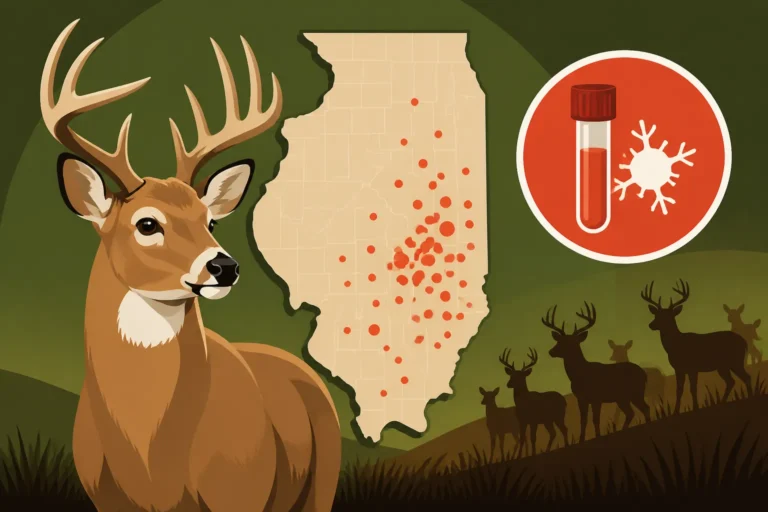
When Chronic Wasting Disease first reared its ugly head in Illinois back in 2002, in Boone County, the focus was understandably on containing it within the northern regions. For two decades, the primary CWD zone has been a band across northern Illinois, and while the fight has been ongoing, its geographical footprint felt somewhat predictable. That predictability shattered with detections further south and west, particularly in Effingham and Scott Counties. These weren't just new cases; they represented a significant, and worrying, expansion of the disease's known range.
Unprecedented Geographical Expansion
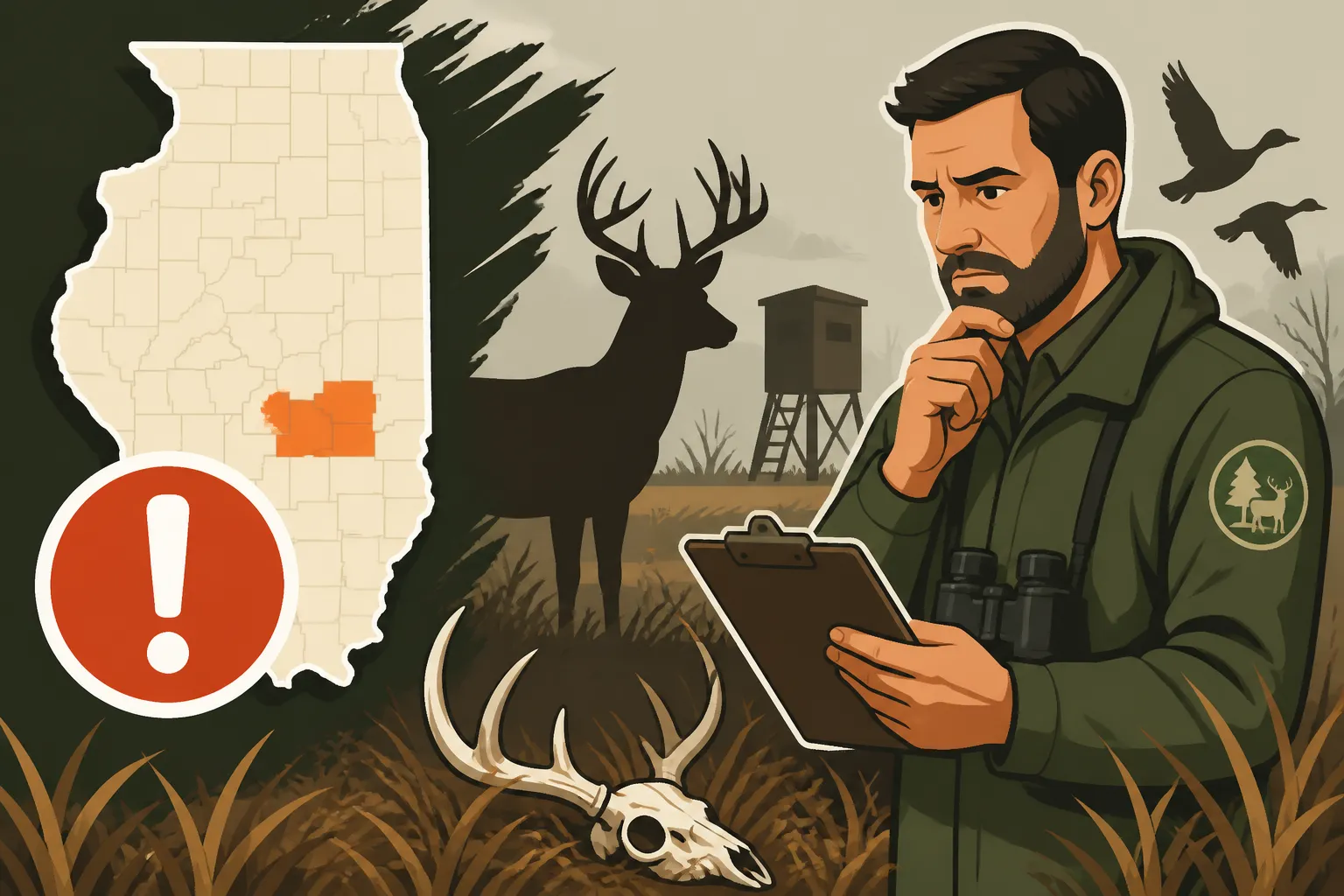
The detection of a CWD-positive deer in Effingham County in early 2023 was a truly landmark moment—and not in a good way. This marked the southernmost confirmed CWD case in Illinois to date. Imagine being a hunter in Effingham County, perhaps having hunted there your whole life, feeling a certain sense of distance from the CWD hotspots up north. You’ve likely heard about the disease, understood its gravity, but perhaps thought it was a problem for other parts of the state. Suddenly, that notion is gone. The fact that CWD jumped so far south suggests that the disease is either spreading through mechanisms not fully understood or has been present, undetected, for longer than anyone realized in these intermediate areas. This geographical leap makes containment and monitoring significantly more challenging for the Illinois Department of Natural Resources (IDNR).
This southern migration is a biologist's nightmare because it signals an active, uncontrolled spread. Each new county that tests positive becomes a new front in an already arduous battle. For hunters, it means that the vigilance once largely confined to the northern counties now needs to extend much further south, forcing a reevaluation of traditional hunting grounds and practices. The IDNR’s continued efforts in Illinois's Twenty-Three Year Fight Against CWD are more crucial than ever as the battleground expands.
The Westward Creep into Premier Deer Habitat
While Effingham County represented a significant southward expansion, the detection in Scott County in early 2020 (from a deer harvested during the 2019 season) presented a different, but equally concerning, problem: a westward creep into historically rich, high-density deer country. Scott County is located in west-central Illinois, bordering some of the state's most renowned trophy deer counties. For decades, areas like Pike County, just to the west, have been synonymous with monster whitetails and robust deer populations. The thought of CWD establishing a foothold on the doorstep of such prime habitat is incredibly unsettling.
Biologists understand that deer populations in these western counties often exhibit different movement patterns and densities compared to the more agricultural or suburban landscapes of northern Illinois. A disease like CWD, once introduced, could potentially spread rapidly through a healthy, concentrated deer herd, especially given the strong traditions of deer management and the prevalence of hunting leases that sometimes involve deer movement. This westward expansion means that areas previously considered safe havens for trophy deer are now under increased scrutiny. It changes the conversation from "if" CWD will arrive to "when," urging hunters in these regions to become proactive in monitoring and sampling.
Understanding the Biologist's Concern: Factors and Risks
The worry isn't just about new dots on a map; it's about the underlying factors that make these particular counties significant and the challenges they pose for effective CWD management. From deer movement to the sheer logistics of monitoring a wider area, Effingham and Scott Counties highlight complex issues in the fight against this devastating disease.
Population Dynamics and Connectivity
Deer are not static creatures; they move, and they move a lot, especially bucks during the rut or in search of new food sources. Biologists are intensely concerned with the connectivity of deer populations. Effingham County, though agricultural, has significant timber blocks and river corridors like the Little Wabash River, which can act as highways for deer movement. A CWD-positive deer could easily travel miles through these natural corridors, potentially exposing new populations far from the initial detection site.
Scott County, similarly, is characterized by its blend of agricultural fields and extensive river bottom timber, particularly along the Illinois River and its tributaries. These river systems are notorious for supporting high deer densities and providing natural travel lanes. Hunters using tools like GoHunt often utilize mapping applications to identify these exact corridors and pinch points, understanding how deer move through the landscape. The concern is that if CWD establishes itself in these highly connected areas, it could use these natural highways to spread efficiently into new territories, making it incredibly difficult to track and control. The dense, healthy deer populations that make these areas hunting meccas also make them potential vectors for rapid disease transmission.
Challenges in Monitoring and Management
Expanding the CWD zone puts an immense strain on the IDNR's resources. Monitoring efforts, which include mandatory or voluntary testing, surveillance flights, and public outreach, become more complex and expensive with each new county added to the list. For example, if CWD becomes widespread in these new counties, what does that mean for Illinois CWD Testing for Hunters or Illinois Carcass Movement Restrictions? Will new check stations be established? Will there be stricter guidelines on transporting deer meat out of these areas?
The geographical distance between the established northern CWD zone and these new southern/western detections also means that any local CWD clusters in the new areas might be genetically distinct or behave differently. This complicates research and management strategies. The IDNR must now allocate resources to distant regions, potentially stretching their capabilities thin. The goal for biologists is not necessarily eradication, which is largely considered impossible once CWD is established, but rather to slow the spread and manage deer populations to reduce prevalence. This requires robust, long-term funding and, crucially, consistent hunter cooperation, which can be challenging to maintain across a wider, more diverse geographical area.
What These Detections Mean for Illinois Hunters
For hunters, the news of CWD in Effingham and Scott Counties is more than just a biological curiosity; it has tangible impacts on how they approach their passion, their responsibilities, and even their mental peace of mind when harvesting a deer.
Shifting Responsibilities and Regulations
The immediate consequence for hunters in these newly affected areas is a shift in their responsibilities. What was once a relatively straightforward process of harvesting and tagging a deer may now involve additional steps. Hunters might be asked to submit deer heads for CWD testing, or certain zones might implement mandatory sampling during firearm seasons. These measures, while inconvenient, are absolutely vital for biologists to gauge the prevalence and spread of the disease. A hunter taking a deer in one of these counties, for instance, might suddenly find themselves navigating new check station locations or learning about specific rules for quartering and transporting their animal to comply with Illinois Carcass Movement Restrictions.
The IDNR may also consider special harvest strategies in CWD-positive counties, such as increased antlerless deer harvest quotas or extended seasons, to help manage herd density and slow the disease's transmission. While hunters often have strong feelings about herd management, these decisions are made with the long-term health of the deer population in mind. Understanding these potential changes and adapting to them becomes a critical part of ethical hunting in a CWD landscape. Keeping up with ever-changing regulations can be a headache, but resources like the official Illinois DNR site and comprehensive hunting apps such as GoHunt can help you stay informed on the latest CWD updates and sampling locations.
Adapting Hunting Strategies and Practices
The presence of CWD also encourages a deeper, more thoughtful approach to hunting. It's no longer just about pursuing a trophy buck; it's about being a steward of the land and the herd. Hunters might choose to harvest more does to help reduce overall deer density in an affected area, or they might become more selective about the deer they shoot, passing on any animal that appears sickly or exhibiting unusual behavior. This isn't just about compliance; it's about changing a mindset.
Beyond the harvest, scouting and understanding deer patterns become even more crucial. Utilizing mapping tools, perhaps through services like GoHunt, to identify potential areas of high deer concentration or travel corridors can help hunters make informed decisions about stand placement or drive routes. Understanding the Illinois Deer Season Structure Explained in the context of CWD management means recognizing that every deer harvested in an infected county contributes valuable data to the broader effort. This adaptation is a testament to the resilience and dedication of Illinois hunters in protecting their shared natural heritage.
Collaborative Efforts for CWD Mitigation
Combating a disease as insidious as CWD requires a monumental, collaborative effort. It's not just the responsibility of the IDNR or wildlife biologists; it’s a shared burden, and hunters are, without a doubt, on the front lines. The detections in Effingham and Scott Counties underscore the need for enhanced cooperation and proactive measures from everyone involved.
The Role of Hunter Participation in Data Collection
Hunter participation is arguably the single most important factor in the fight against CWD. Every deer harvested and submitted for testing provides invaluable data points that help biologists track the disease, understand its prevalence, and monitor its spread. Without this boots-on-the-ground contribution, the IDNR would be operating largely in the dark. In counties where CWD is detected, or even suspected, voluntary or mandatory sampling efforts become paramount.
Imagine the scenario: you harvest a beautiful deer in Effingham County. Instead of just heading straight home, you make a conscious effort to find an IDNR sampling location or follow instructions for submitting the head. This seemingly small act contributes directly to the larger scientific understanding of CWD in your area. This is true citizen science, where hunters become essential partners in wildlife health. Resources like the IDNR’s online portal and apps like GoHunt can often guide hunters to nearby sampling stations or provide instructions on how to properly collect and submit samples. For more information on what to do after a harvest in a CWD area, you can refer to Handling Venison From an Illinois CWD County.
Future Outlook and Long-Term Strategies
The long-term outlook for CWD in Illinois is complex. The goal is not eradication, which is generally considered unachievable, but rather to contain the disease, slow its spread, and reduce its prevalence within deer populations to minimize its impact. This involves continued research into CWD, adaptive management strategies based on new data, and ongoing collaboration between state agencies, landowners, and hunters. The detections in Effingham and Scott Counties are a stark reminder that CWD is not a static problem; it’s constantly evolving and requiring dynamic responses.
This means hunters should expect continued vigilance from the IDNR, and potentially, evolving regulations and recommendations. Discussions at deer camp might increasingly turn to CWD, with hunters sharing information, best practices, and experiences with testing. The future of Illinois's Chronic Wasting Disease Zone will depend heavily on sustained commitment to these long-term strategies, embracing the reality that CWD is a permanent resident in our landscape, and learning to manage our deer herds with that in mind. Understanding data from sources like the Reading an Illinois Harvest Report can also help hunters see the broader picture of herd health and disease prevalence.
| Factor | Boone County (Initial CWD Zone) | Scott County (Westward Creep) | Effingham County (Southernmost Detection) |
|---|---|---|---|
| First Detection Year | 2002 | 2020 (from 2019 harvest) | 2023 (from 2022 harvest) |
| Geographical Significance | Northern Illinois, first in state | West-Central Illinois, adjacent to prime deer country | South-Central Illinois, southernmost detection |
| Primary Concern | Establishment of CWD in IL | Spread into new, high-density areas | Major geographical expansion, new front for spread |
| Habitat Type | Mix of forest, agriculture, suburban | Primarily agricultural, river bottoms, timber | Mix of agriculture, timber, river corridors |
| Management Focus | Containment, herd reduction, monitoring | Rapid detection, hunter awareness, localized control | Prevent further southern spread, intense monitoring |
Disclaimer
Please note that hunting regulations and CWD management protocols are subject to change. Always consult the official Illinois Department of Natural Resources (IDNR) website or their current hunting guide for the most up-to-date and accurate information before planning any hunting activities.