Handling Venison From an Illinois CWD County
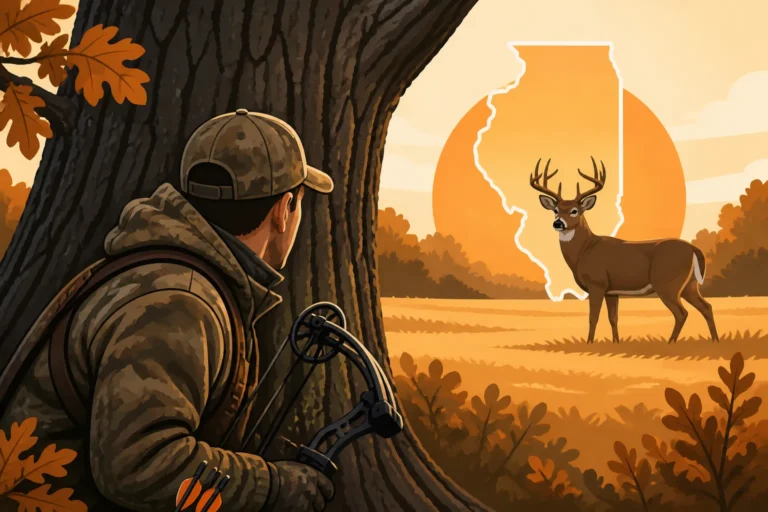
You've worked hard all season, putting in the time and effort, finally taking a beautiful Illinois whitetail, and now you're wondering, "What exactly do I need to do with this venison if it came from a CWD county?" It's a completely valid concern that can cast a shadow over an otherwise triumphant moment. The rules and recommendations around Chronic Wasting Disease (CWD) can feel overwhelming, but understanding them is crucial for both your peace of mind and the health of Illinois's deer herd. This guide will walk you through the specifics of safely handling venison from areas affected by CWD, providing clear, actionable steps from field to freezer.
Understanding Chronic Wasting Disease in Illinois Deer
Chronic Wasting Disease (CWD) is a serious issue that every deer hunter in Illinois needs to be aware of. It’s a naturally occurring, fatal neurological disease affecting deer, elk, and moose. While it can be daunting, having a clear understanding of what it is and how it spreads is the first step toward responsible hunting and venison handling.
What is CWD and How Does it Affect Deer?
CWD belongs to a family of diseases called Transmissible Spongiform Encephalopathies (TSEs), similar to "mad cow disease" in cattle. It's caused by abnormal proteins called prions, not bacteria or viruses. These prions slowly accumulate in the brain and spinal cord, eventually causing extensive damage. Deer infected with CWD might appear emaciated, hence the "wasting" in its name, but they can also show behavioral changes like stumbling, listlessness, excessive drooling, and a lack of fear of humans.
The scary part is that the incubation period can be long, sometimes years, meaning a deer can look perfectly healthy while carrying and shedding the prions. Currently, there's no scientific evidence that CWD can be transmitted to humans. However, public health officials, including the Centers for Disease Control and Prevention (CDC), strongly advise against consuming meat from CWD-positive animals. This is a "better safe than sorry" approach, and it’s one that responsible hunters should absolutely follow.
The Spread of CWD Across Illinois
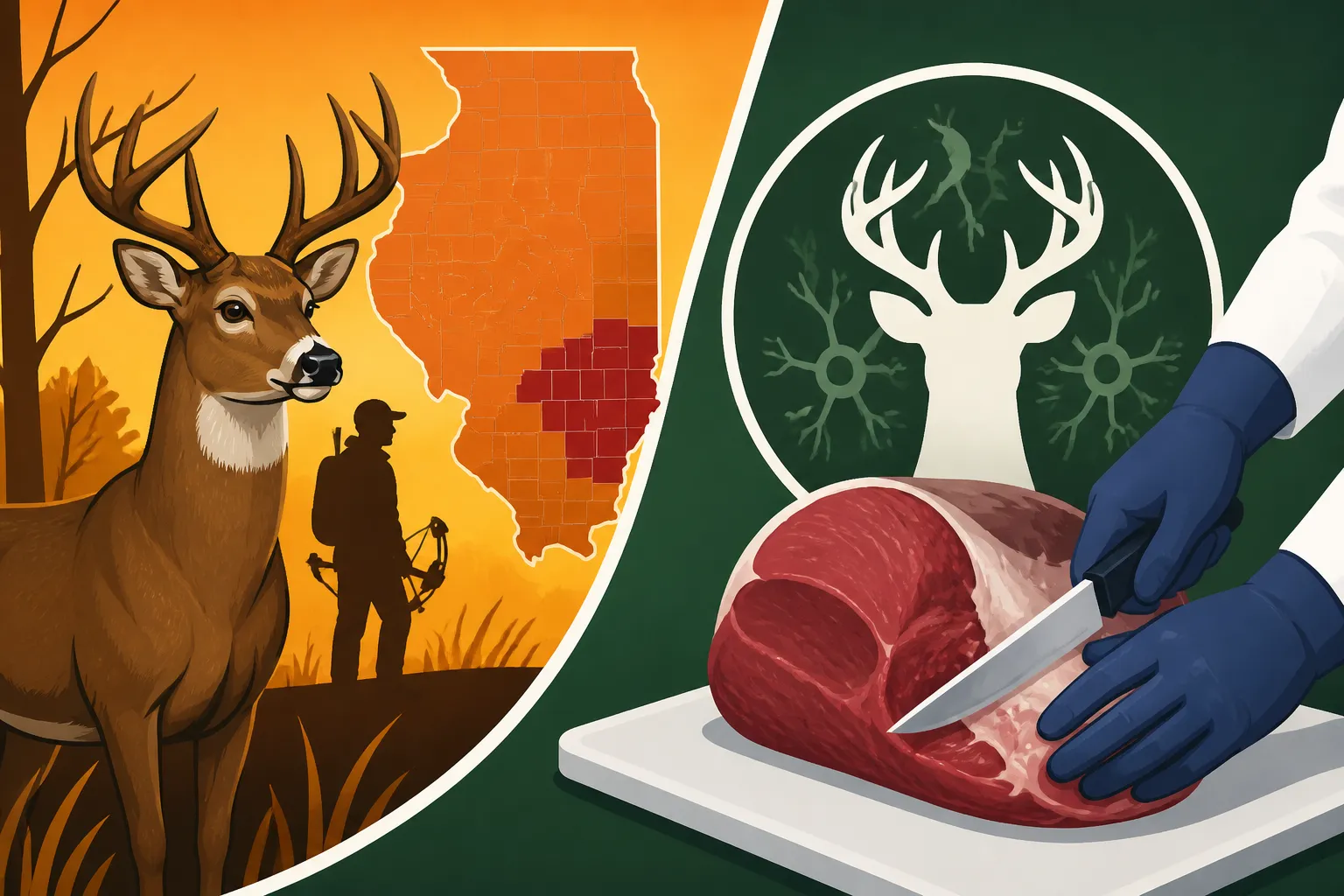
Illinois's fight against CWD began in 2002 when the first case was detected in Which County Found Illinois's First CWD Case, Boone County, in the northern part of the state. Since then, the disease has slowly but steadily spread, affecting additional counties primarily in northern and now some central parts of Illinois. This expansion has led to the establishment of Illinois's Chronic Wasting Disease Zone, which consists of counties where the disease has been detected or is considered a high risk.
The Illinois Department of Natural Resources (IDNR) has been working diligently for over two decades in what can only be described as Illinois's Twenty-Three Year Fight Against CWD. Their efforts involve surveillance, testing, and management strategies to limit the spread and prevalence of the disease. Hunters play an absolutely critical role in this. By participating in mandatory testing programs and following best practices for carcass disposal, we contribute directly to monitoring the disease and protecting the wider deer population. Knowing if your hunting grounds are within one of these CWD counties is easier than ever with modern tools. Many hunters use digital mapping apps like GoHunt to navigate public lands and check regulations, and it's a great tool for quickly identifying if you're hunting in a CWD-affected county before you even leave home. It's unsettling to think about, but understanding Illinois CWD Prevalence in the Northern Zone gives you the knowledge to act responsibly.
Navigating Mandatory Testing and Carcass Restrictions
Hunting in a CWD management area means taking extra steps, especially when it comes to testing and carcass transportation. These regulations aren't there to make your life harder; they are critical components of the state's strategy to contain and manage CWD. Ignoring them could inadvertently contribute to the problem.
When and Where Testing is Required
In Illinois, CWD testing is mandatory for all deer harvested during the first and second firearm deer seasons within specific CWD-affected counties. If you hunt within these designated zones, you are required to submit your deer for CWD sampling at an official IDNR sampling station. The list of these counties can change, so always double-check the latest IDNR regulations, which you can often find quickly through resources like the GoHunt app, to ensure you're in compliance.
Finding a sampling location is usually straightforward during the firearm seasons, as IDNR sets up check stations in convenient spots. These might be at state parks, conservation areas, or local businesses that partner with the IDNR. The process typically involves submitting the deer's head, or sometimes just specific tissues from the head, to trained IDNR staff. They'll collect the necessary samples and provide you with a unique identification number to track your results. For comprehensive details on where to go, look for information on Finding an Illinois CWD Sampling Location on the IDNR website or in their current hunting handbooks. Remember, compliance with Mandatory Testing Inside an Illinois CWD County is not optional; it’s a legal requirement designed to protect the herd.
Rules for Moving Deer Carcasses and Parts
This is where things can get a little tricky, and it's vital to get it right. To prevent the spread of CWD prions, strict rules are in place regarding Moving a Deer Carcass Out of a CWD County. Essentially, you cannot take certain high-risk parts out of a CWD management county. These high-risk tissues include the brain, spinal cord, eyes, spleen, and lymph nodes.
What does this mean in practice? It means that if you harvest a deer in a CWD county and plan to transport it to another county (especially a non-CWD county), you must remove these high-risk tissues before leaving the harvest county. This often involves boning out the meat, removing the skull cap (if you're keeping antlers), and disposing of the high-risk parts appropriately within the CWD county. Many hunters choose to quarter their deer in the field or at a local processor within the CWD zone to comply with these rules.
Here's a quick breakdown of what can and cannot be transported out of a CWD county:
| Permitted for Transport (after harvest & testing) | Restricted for Transport (must be removed in CWD county) |
|---|---|
| Boned-out meat | Brain |
| Hides (tanned or salted) | Spinal cord (including vertebral column) |
| Clean skull plates (antlers attached) | Eyes |
| Teeth | Spleen |
| Quarters (meat on the bone) | Lymph nodes |
| Taxidermy mounts (after processing) | Any nervous tissue |
Always confirm the latest regulations with the IDNR, as these rules are periodically updated based on disease prevalence and research.
Best Practices for Field Dressing and Processing Venison
Even if testing isn't mandatory in your specific hunt area or during your season, adopting best practices for field dressing and processing your deer is always a good idea. This minimizes any potential risk and ensures you're handling your harvest with the utmost care and respect.
Field Dressing Safely in a CWD County
Field dressing is typically the first step after a successful harvest, and doing it properly is key to both meat quality and CWD prevention.
- Wear Gloves: Always wear disposable rubber or latex gloves when field dressing, especially when handling organs or tissues. This protects you from potential exposure to any pathogens, CWD included.
- Minimize Contact with Nervous Tissue: When opening the body cavity, try to avoid cutting into the brain, spinal cord, or lymph nodes. For deer harvested in CWD counties, it's particularly important to avoid cutting through the backbone or opening the skull unnecessarily.
- Proper Gut Pile Disposal: If permitted, leave the gut pile at the kill site. This allows any potential prions in the digestive tract to remain localized. If you must transport the gut pile, do so in a sealed container and dispose of it in a designated landfill within the CWD county. Never dump gut piles where other deer might access them.
- Clean Your Tools: After field dressing, thoroughly clean all knives, saws, and other tools with a strong disinfectant like a 50/50 bleach-and-water solution. This helps prevent cross-contamination. For more general advice on dealing with your harvest in less-than-ideal temperatures, you might find useful tips in our guide on Field Dressing a Deer in Cold Weather.
Processing Your Deer for Consumption
Once you've field dressed your deer and, if required, submitted samples for CWD testing, the next step is processing the meat. This is where you really make sure your venison is ready for the table.
- Bone Out All Meat: The safest approach, especially in CWD-affected areas, is to bone out all the meat. This means separating the muscle tissue completely from the bone, spinal cord, and any visible nervous or lymphatic tissue. Prions are most concentrated in the brain, spinal cord, and lymph nodes, but can also be found in other parts like the spleen.
- Identify and Discard High-Risk Tissues: Pay close attention to removing all lymph nodes, which appear as small, often bean-shaped glands. The IDNR provides guides on identifying these. If you're unsure about a particular tissue, it's always best to discard it.
- Clean, Clean, Clean: Throughout the processing, maintain a clean workspace. Use separate cutting boards and knives for different tasks if possible, and regularly clean and disinfect all surfaces and tools. A bleach solution (1 part bleach to 9 parts water) is effective for decontaminating equipment.
- Package and Freeze: Once processed, package your venison in freezer paper or vacuum-seal bags to prevent freezer burn. Label everything clearly with the date and type of cut. Proper packaging helps maintain the quality of your meat for months. For more detailed insights into processing your deer, check out our piece on Butchering a Deer at Camp. Remember, even with a negative CWD test, these hygienic practices are simply good food safety.
What to Do with the Results and Waste
The waiting game for CWD test results can be nerve-wracking, but knowing how to interpret them and what to do afterward is crucial. Proper disposal of any potentially infected materials is paramount to preventing further spread.
Interpreting CWD Test Results
After submitting your deer for testing, the IDNR will process the sample. The turnaround time for results can vary, but typically, you'll receive notification within a few weeks. You can usually check the status of your results online using the unique identification number provided at the sampling station.
- Negative Result: If your deer tests negative for CWD, congratulations! This means the specific tissues tested showed no evidence of the disease. You can proceed with consuming your venison with confidence, following all standard game meat preparation guidelines.
- Positive Result: If your deer tests positive for CWD, the IDNR will contact you directly. In this unfortunate event, the strong recommendation from public health agencies is not to consume the meat. This decision is based on extreme caution, as the long-term effects of human consumption of CWD-positive meat are still being researched. While it's disheartening, the responsible choice is to dispose of the entire carcass properly. The IDNR will provide specific instructions on how to do this.
Remember, a negative test result is fantastic, but the best practice for handling venison still involves minimizing exposure to high-risk tissues, regardless of the test outcome. Always check the latest information from the IDNR for updates on test result notification procedures.
Proper Disposal of High-Risk Materials and Carcasses
When dealing with a CWD-positive deer, or even just the high-risk parts from a deer harvested in a CWD county, proper disposal is critical. Incorrect disposal can release prions into the environment, potentially infecting other deer.
- Designated Landfills: The IDNR often designates specific landfills or collection sites in CWD-affected counties where hunters can dispose of high-risk tissues or entire carcasses. These facilities are equipped to handle potentially contaminated material in a way that minimizes environmental risk. It's a good idea to know where these sites are located before you head out hunting. Before you even head out, checking the CWD zone boundaries on your GoHunt app can save a lot of headaches later, including knowing where you might need to dispose of parts.
- Avoid Improper Disposal: Absolutely avoid simply leaving carcasses or high-risk parts in the woods, along roadsides, or in residential trash. This can create a significant pathway for CWD to spread, as scavengers can move infected materials, and prions can persist in the soil for years.
- Transporting Waste: If you need to transport high-risk parts to a designated disposal site, seal them securely in heavy-duty plastic bags or containers. This prevents leakage and contamination during transport.
Participating in carcass disposal programs is a vital part of being a responsible hunter in Illinois. It helps to protect the deer herd and the future of hunting in our state. While the main focus after a successful hunt is often Reporting a Deer Through Illinois's App for harvest records, adhering to CWD protocols is just as important, if not more so, for the long-term health of our wildlife.
Disclaimer
The information provided in this guide is for general educational purposes only and is not a substitute for official regulations. Hunters are responsible for knowing and abiding by all current Illinois Department of Natural Resources (IDNR) laws, regulations, and recommendations regarding hunting, Chronic Wasting Disease (CWD) testing, and carcass handling. Always consult the official IDNR hunting regulations and CWD advisories before heading afield.