Setting Up Against a Big Oak
It's incredibly frustrating when you spend hours scouting, set up what feels like the perfect stand, only for deer to bust you or simply not show up. Often, the difference between a frustrating sit and a successful one comes down to the details of your stand placement, and sometimes, nothing beats the magnetic draw of a good, old-fashioned big oak tree. This guide will walk you through why these giants are so valuable, how to pick the best ones, and the crucial steps to setting up effectively to maximize your chances in Illinois' diverse hunting landscape.
Why Big Oaks Are Deer Magnets in Illinois
There's a reason seasoned Illinois hunters often talk about hunting "the white oaks" or "the red oaks" with almost reverent tones. These magnificent trees aren't just pretty; they are absolute powerhouses in the deer woods, offering a critical food source and often providing natural cover and strategic advantages that other trees just can't match.
The Irresistible Draw of Acorns
When those acorns start falling, deer shift their entire pattern. It's like flipping a switch. Illinois, with its vast hardwood forests and scattered timber blocks, provides an abundance of oak varieties, each dropping its bounty at slightly different times. Deer prioritize acorns because they are packed with carbohydrates and fats, providing a high-energy food source vital for building up reserves for the rut and surviving the harsh Illinois winter. You'll often find deer abandoning agricultural fields, especially soybeans, once a consistent acorn drop begins, opting for the natural buffet under a thriving oak. Knowing your oak species can make a huge difference in anticipating when and where deer will concentrate their feeding efforts.
| Oak Species | Acorn Drop Timing (General) | Flavor Profile (Deer Preference) | Hunting Significance |
|---|---|---|---|
| White Oak | Early to Mid-Fall | Sweet, Less Tannic | Highly preferred, first choice for deer. Hunt them early in the fall. |
| Bur Oak | Early to Mid-Fall | Sweet, Medium Tannic | Large acorns, very attractive to deer. Often found in open areas or savannas. |
| Pin Oak | Mid to Late Fall | Bitter, High Tannic | Less preferred but eaten after white oaks. Acorns are small and abundant, good for later season. |
| Red Oak Group | Late Fall to Winter | Bitter, High Tannic | Crucial late-season food source after white oaks are gone. Acorns can persist longer on the ground. |
| Black Oak | Late Fall to Winter | Bitter, High Tannic | Similar to Red Oak, important for late-season browsing. Found more in drier, upland sites. |
Natural Cover and Strategic Advantages
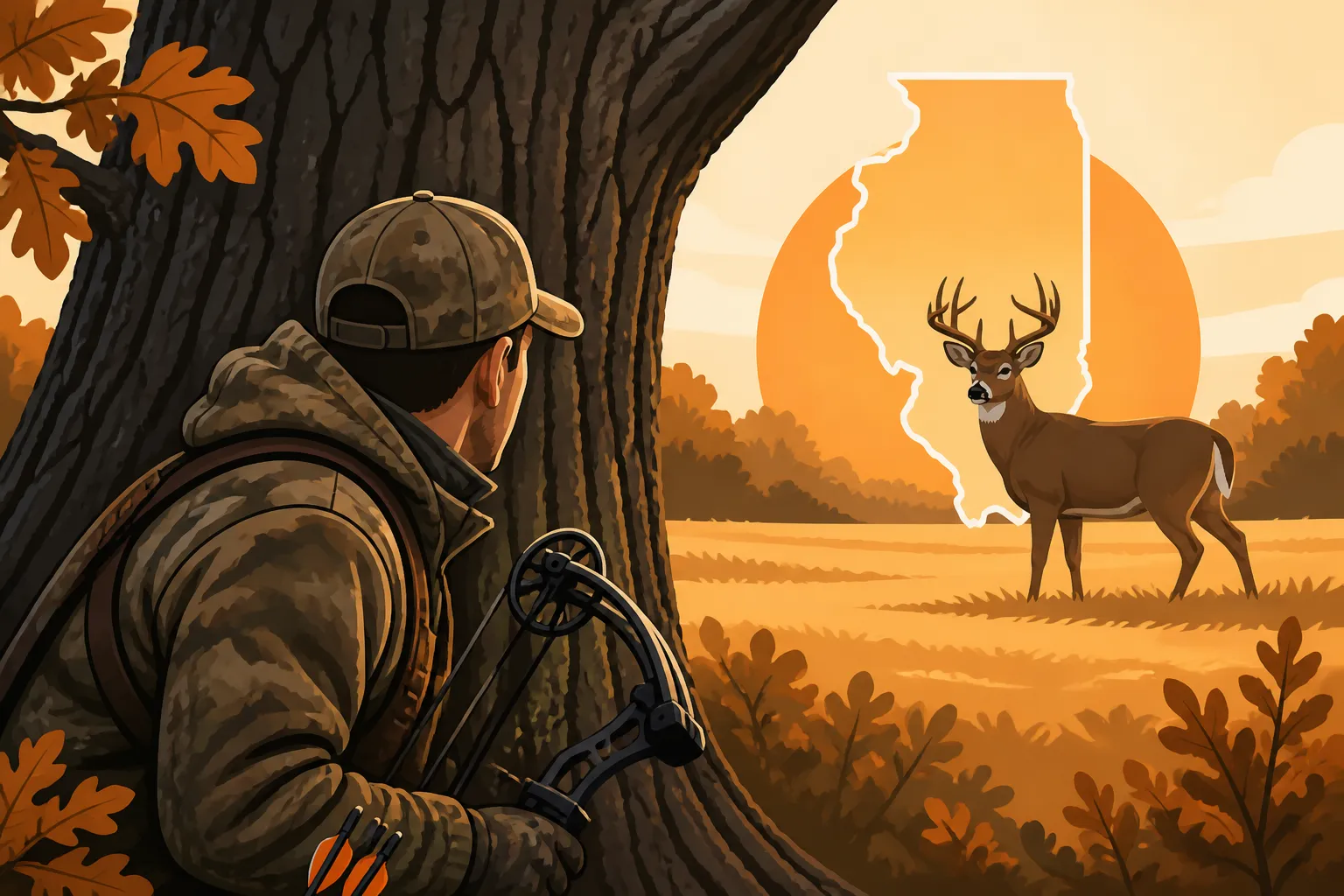
Beyond the food, big oaks offer excellent natural advantages for hunters. Their large, often gnarled trunks provide fantastic cover to break up your silhouette, even when leaves have fallen. The sheer size of a mature oak often means you can find ample limbs for securing a climbing stand or hanging a lock-on, giving you stable, quiet elevation. Furthermore, these trees are often located in high-traffic areas – along ridges, in saddles, or bordering creek bottoms – essentially acting as natural pinch points or travel corridors. A massive oak with a wide canopy can also scatter falling acorns over a broad area, keeping deer busy and less likely to notice your ascent if you're not careful. Think about how a big oak stands out in the landscape; deer use them as landmarks, often bedding nearby or routinely passing by on their way to water or other food sources. This makes them perfect ambush points, especially if you understand how to use the terrain around them, like how to utilize wind and thermals on a Southern Illinois ridge.
Scouting the Perfect Oak: Reading the Sign
Finding a big oak isn't enough; you need to find the right big oak. This means dedicating time to scouting, both digitally and on the ground, to identify which trees are actively attracting deer and offer the best setup opportunities. It’s a process that combines map analysis, boot leather, and understanding deer behavior.
Digital Reconnaissance and Map Work
Before you ever step foot in the woods, a good mapping application can be your best friend. Services like GoHunt allow you to zoom in on satellite imagery to identify oak-heavy timber stands. Look for distinct canopy shapes that suggest mature hardwoods. Pay attention to terrain features like saddles, points, and benches where deer naturally travel. These are often where the most productive oaks will be found. Identifying potential bedding areas nearby, water sources, and common travel routes between them will help you narrow down your search. For instance, if you're reading aerial photos for Southern Illinois deer, you might spot a large oak stand connecting a bedding thicket to an agricultural field, creating a natural funnel that's irresistible to deer. Plot out several promising locations on your map, noting potential access routes that minimize disturbing deer.
Ground Truth: Fresh Sign and Oak Health
Once you have your digital targets, it's time to hit the woods. This is where you confirm your suspicions and find the hot trees. Look for fresh deer sign directly under and around the oak. This includes:
- Fresh droppings: Indicating recent feeding activity. The more, the better.
- Acorn hulls: Cracked open shells under the tree are a clear sign that deer are actively feeding. Pay attention to the quantity and freshness.
- Tracks: Multiple tracks leading to and from the tree, especially well-worn trails, confirm it's a popular spot.
- Rub lines and scrapes: While not directly tied to acorn feeding, bucks will often establish rub lines and scrapes along travel routes that lead to or pass by preferred food sources. A scrape under a big oak can be a gold mine during the rut.
Beyond deer sign, observe the oak itself. Is it producing a good crop of acorns this year? Some years are better than others. Are there any signs of disease or pest infestation that might reduce its output? A healthy, acorn-laden tree is what you're after. During your scouting, make sure you also evaluate the overall area; are there other attractive food sources that might pull deer away, or is this oak truly the main event? This kind of detailed scouting is invaluable for scouting Illinois public land before season.
Strategic Stand Placement and Setup Details
Once you've identified your target oak, the real work begins: deciding exactly where and how to hang your stand. This isn't just about finding a branch; it's about minimizing your presence, maximizing your shot opportunities, and considering all the variables that can make or break a hunt.
Wind Direction and Access Routes
The wind is your ultimate boss in deer hunting, especially when setting up on a prime food source like an oak. You absolutely must hunt with the wind in your favor, blowing your scent away from where you expect deer to approach and feed. This means having multiple stand locations for different wind directions, or at least understanding when a particular oak is huntable. Scout several potential trees in the same general area, or identify different setup positions around a single large oak that accommodate varying winds.
Your access route to and from the stand is just as critical. The best oak in the world is useless if you spook every deer in the area getting to it. Plan a route that keeps you out of known bedding areas, avoids common travel corridors, and ideally utilizes natural cover like ditches, creek beds, or dense brush. Consider how you'll approach in the dark, before legal shooting light, and how you'll exit after the hunt without alarming deer. On private land, you might even get away with entry routes through standing corn to your oak stand. Remember, every time you step foot in the woods, you leave scent and disturbance, so make your visits count.
Tree Stand Type and Shooting Lanes
Choosing the right tree stand depends on the oak itself and your personal preference. Climbing stands are fantastic for versatility, allowing you to quickly set up on a straight-trunked oak. However, many massive, old oaks have lower limbs and gnarled trunks that aren't conducive to climbers. In these cases, a sturdy lock-on stand combined with climbing sticks or a ladder might be your best bet, giving you the flexibility to get into those tricky, mature trees. Safety is paramount, no matter the stand type. Always use a full-body harness and stay tethered to the tree from the moment your feet leave the ground until you're safely back down.
Once you're at hunting height, spend time clearing shooting lanes. Don't go overboard and create a barren circle, but judiciously remove small branches and twigs that could deflect an arrow or bullet. Think about the most likely approach paths for deer and clear lanes that give you clear shots at various distances and angles. It's better to clear a few key lanes than to have a busy shooting window obscured by a single, perfectly placed twig. Remember, you're not logging; just clear what's absolutely necessary. This attention to detail is crucial whether you're hanging a stand on a Southern Illinois ridge or anywhere else.
Maximizing Your Hunt Around the Oak
Setting up is only half the battle. To truly capitalize on a big oak stand, you need to think about timing, calling, and what to do when deer aren't showing up as expected. Patience and adaptability are key.
Timing Your Hunt: Early Season to Late Season
Big oaks are productive throughout much of the Illinois deer season, but when you hunt them depends heavily on the specific oak species and the time of year.
- Early Archery Season: This is prime time for white oaks. As soon as acorns start falling in September, deer will key in on them. Focus your efforts on these trees when the Illinois Archery Season opens.
- The Rut: While bucks are focused on does, they still need to eat. If your big oak is on a primary travel corridor or near a bedding area, it can be a great place to catch a cruising buck checking for receptive does that might be feeding. Consider where the Illinois rut peaks in early November and position yourself accordingly.
- Late Season: Once white oaks are picked clean, red oaks, pin oaks, and black oaks become vital. Their higher tannin content means deer eat them less enthusiastically initially, but they become a crucial food source when other options like agricultural fields are harvested or covered in snow. These can be exceptional spots to target deer trying to pack on calories during the brutal cold of late December.
Always pay attention to weather patterns. A sudden cold snap can increase deer activity around food sources as they seek calories. Likewise, after a strong wind storm, more acorns might be on the ground, drawing deer in.
Using Calls and Decoys Strategically
While a big oak primarily acts as a food plot, you can enhance your chances with strategic calling, especially during the rut. Light grunting can pique the interest of a buck passing by, making him curious enough to investigate. If your oak is in mature timber, using grunt calls in mature Illinois timber can be very effective without being overly aggressive. Rattling antlers can also work if you suspect a buck is nearby, but use caution; rattling can also attract unwanted attention from other hunters or spook deer if overdone.
Decoys are generally less common for strictly oak hunting, but if your oak is on an open ridge or field edge, a single buck or doe decoy could entice a deer closer, especially a rut-crazed buck. Just ensure the decoy is clearly visible and offers a safe backdrop for a shot. Always consider the hunting pressure in your area; overly aggressive calling or decoy use might be counterproductive on highly pressured public land.
What to Do When the Oak Isn't Producing
Sometimes, despite your best scouting, the deer simply aren't hitting your chosen oak. Don't get discouraged, but be prepared to adapt.
- Check Other Oaks: Deer might have shifted to a different oak grove nearby if it's dropping more consistently or offers better cover. Re-scout the immediate area for alternative hot trees.
- Move to Transition Areas: If the oaks aren't producing, deer might be focused on other food sources or simply traveling more between bedding and other areas. Consider moving your stand to a natural funnel, a ridge-top saddle for rutting bucks, or a field edge that acts as a transition zone.
- Hunt Bedding to Food: If you can identify nearby bedding areas (often thickets, dense timber, or creek bottoms), you might need to adjust your strategy to intercept deer moving from bed to feed. This is a higher-risk strategy as it puts you closer to where deer spend most of their time, requiring even more meticulous entry and exit. Tools like GoHunt can help you visualize these transitions with topographic and land cover maps.
The key is to learn from each hunt. If an oak stand isn't working, analyze why. Was the wind wrong? Did deer approach from an unexpected direction? Is the acorn crop poor? Each observation helps you refine your strategy for the next hunt and become a more effective Illinois deer hunter.
Disclaimer
Hunting is an inherently dangerous activity. Always prioritize safety, follow all local and state regulations, and use appropriate equipment. The information provided in this guide is for educational purposes only and should not replace professional instruction or personal experience. Be aware of your surroundings and hunt responsibly.