When Illinois’s Archery Season Opens
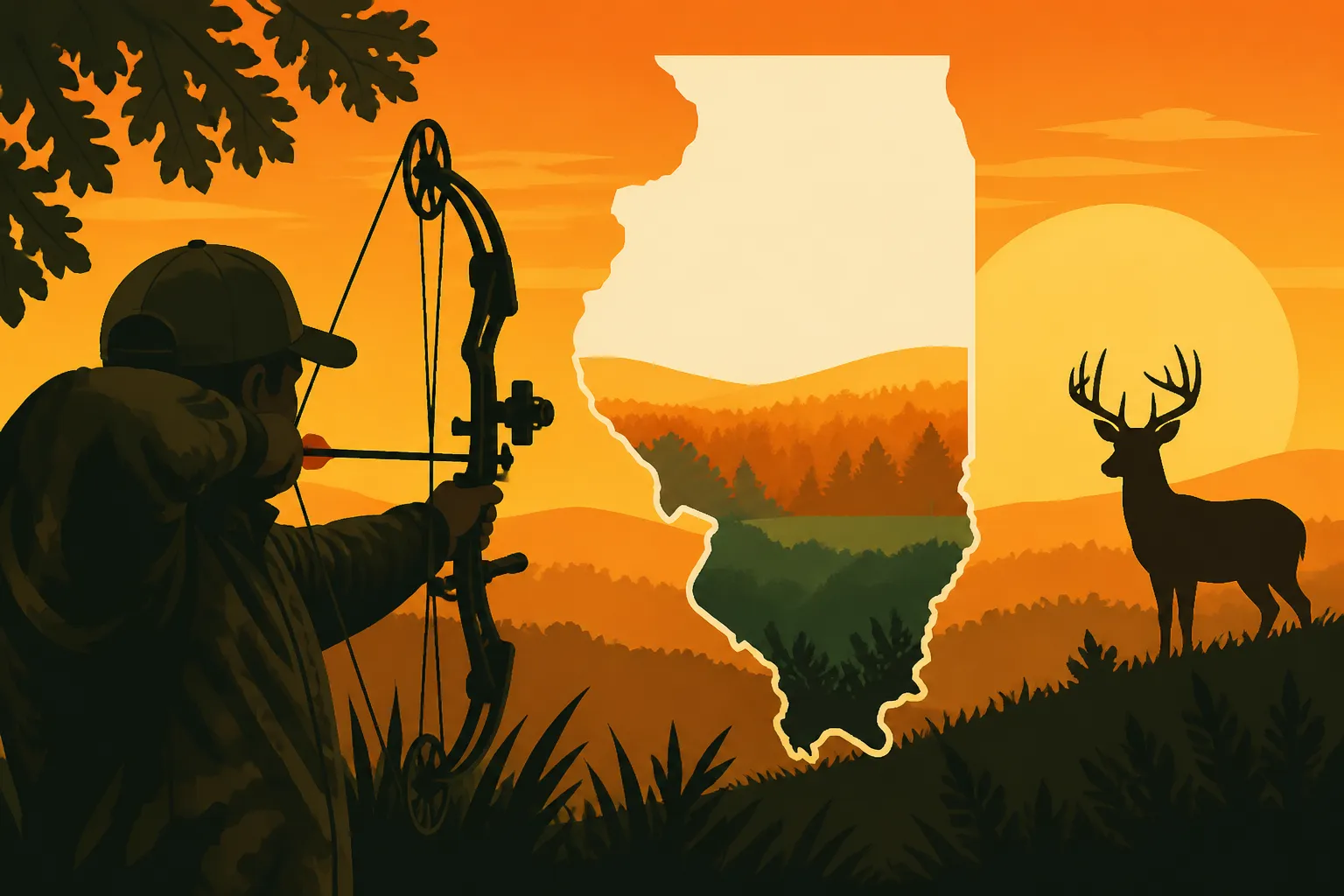
That feeling of anticipation, right? You've spent months thinking about it, watching deer patterns, checking trail cameras, and now you're just itching to know when you can finally nock an arrow. For many of us, the opening day of Illinois archery season isn't just a date on a calendar; it's practically a holiday. This guide will meticulously break down exactly when Illinois's archery season begins, what that means for your hunting strategy, and how to ensure you're fully prepared to hit the timber.
Understanding the Illinois Archery Season Opening Date
Illinois hunters eagerly await the start of archery season each year, a period that offers generous opportunities for pursuing white-tailed deer. Unlike firearm seasons, which are typically confined to short, intense windows, archery season spans a much longer stretch, allowing for varied hunting conditions and strategies. Knowing the precise opening date is crucial for everything from booking vacation days to fine-tuning your equipment.
Illinois Archery Season Key Dates and Periods
The Illinois archery deer season consistently kicks off on October 1st each year. This date holds true across the entire state, offering a uniform start for all bowhunters, regardless of whether you're hunting the northern reaches near Rockford or the deep woods of the Shawnee National Forest in the south. This consistent opening day provides a reliable benchmark for annual planning. The season then runs all the way through January 14th of the following year, with a brief interruption during the firearm deer seasons.
It's a really long window, which is one of the things that makes Illinois archery so appealing. You get the crisp, early fall days, the magic of the rut in November, and the challenging but rewarding late-season hunts when snow might blanket the landscape. This extended period allows hunters to adapt their tactics to changing deer behavior, weather patterns, and even their own busy schedules. You're not just limited to a single weekend; you have months to punch your tag, if you're persistent.
The Significance of the October 1st Opener
The October 1st opener isn't just an arbitrary date; it marks a significant shift in the hunting landscape. Deer are still largely in their early-season patterns, often predictable as they move between bedding and feeding areas. Food sources like acorns, soybeans, and corn are still abundant, and mature bucks haven't yet dispersed widely in search of does. This predictability can be a huge advantage for hunters who have done their homework.
However, it also presents its own unique challenges. The weather can still be quite warm on October 1st, particularly in southern Illinois, which means scent control is paramount. Mosquitoes and other biting insects can still be an issue, requiring careful preparation with repellents and appropriate clothing. Deer are often still in their summer bachelor groups, and while they might be visible, getting close to a dominant buck can be tricky if he's constantly surrounded by other deer and their many eyes and noses. It's a different game than the rut, and successful early-season hunters understand these nuances.
Navigating Illinois DNR Regulations for Archery Season
Understanding the Illinois Department of Natural Resources (IDNR) regulations is not just important; it's absolutely essential. The IDNR sets all the rules, from season dates to weapon requirements, and staying informed is every hunter's responsibility. Ignorance of the law is never an excuse, and a simple mistake could cost you your harvest, your permit, or worse.
Official Sources for Illinois Season Dates
The primary source for all official Illinois hunting season dates and regulations is the annual Illinois Digest of Hunting and Trapping Regulations. This comprehensive guide is published by the IDNR each year and is available online as a downloadable PDF, as well as in print at most license vendors and IDNR offices. It's truly your hunting bible for the season. Don't rely solely on what you hear at the coffee shop or read in online forums; always cross-reference with the official digest.
The IDNR website (dnr.illinois.gov) is another invaluable resource. They typically update their hunting pages with the latest season information well in advance. Many hunters also find the IDNR's interactive map tools helpful, especially when trying to discern regulations specific to certain public lands or Using the Illinois DNR Map Tool for scouting. Remember that while season dates like the October 1st archery opener are very consistent, other regulations, such as specific site rules on public land, can change from year to year.
Permit Requirements for Archery Hunting in Illinois
Before you even think about climbing into a treestand on October 1st, you need to ensure you have the proper permits and licenses. To hunt deer with a bow in Illinois, you'll need a valid Illinois hunting license, an Illinois Habitat Stamp, and an Archery Deer Permit. These permits are typically available for purchase starting in August, well before the season opens, giving you ample time to secure what you need.
Illinois offers both resident and nonresident archery permits. Nonresident permits tend to be more limited and can be quite a bit pricier, so if you're coming from out of state, plan ahead. You can find detailed information on these costs, including the Illinois Resident Archery Deer Permit Cost, directly on the IDNR website. Always double-check your permits to make sure they are valid for the correct species, weapon type (archery vs. firearm), and period you intend to hunt. Most hunters carry proof of their license, either a physical copy or through digital means, and it's a good idea to know about Carrying Proof of License on Your Phone in case a warden asks.
Planning Your Early Archery Season Strategy
The opening of archery season, particularly in early October, demands a distinct strategy compared to the pre-rut or rut periods. Deer behavior is still heavily influenced by food sources and comfort, and understanding this is key to success. Don't just rush out there; take the time to really put a plan together.
Pre-Season Preparation Checklist
Successful early-season hunting often boils down to meticulous pre-season work. This isn't just about practicing your shot; it's about knowing your hunting area inside and out. Start with extensive scouting in late summer and early fall. Look for primary food sources like acorn groves, particularly white oaks, which deer often hit first. Observe travel corridors between these food sources and known bedding areas. Tools like aerial maps and GPS apps, such as those offered by GoHunt, can be invaluable for identifying potential hotspots and planning entry and exit routes that minimize disturbance.
Your equipment also needs to be dialed in. Ensure your bow is shooting true, broadheads are sharp, and all your gear is in working order. Check your treestands for safety and stability, making sure they're secured well in advance of opening day. Don't forget scent control! Early season means warmer temperatures, and deer are not yet accustomed to heavy human activity. Laundering your hunting clothes in scent-free detergent, showering with scent-free soap, and storing your gear properly can make a significant difference. A quick read on Scouting Illinois Public Land Before Season can also provide some excellent pointers to get you started.
Early Season Deer Behavior and Tactics
In early October, deer are generally in a relaxed state. Bachelor groups of bucks might still be together, and does will be moving with their fawns. Their primary motivations are food, water, and security. They'll often feed heavily in agricultural fields, like corn and soybeans, or in mast-producing timber. Bedding areas will be thick cover, often near these food sources, to minimize travel distance. This predictability is what you're trying to exploit.
Focus your efforts on ambush points along transition routes. Think about pinch points, creek crossings, or funnels that connect bedding to feeding. Early morning hunts can be productive as deer move from night feeding back to bedding, and late afternoon hunts are ideal as they begin to stir for their evening meal. Consider using ground blinds in areas with good cover, especially if you're hunting smaller woodlots or field edges, as they can be less intrusive than hanging a new treestand right before the season. Understanding things like Reading Aerial Photos for Southern Illinois Deer can help identify these key locations before you even step foot in the woods.
Essential Gear and Considerations for Illinois Archery
Hunting in Illinois, especially during the archery season, requires a specific set of gear and an understanding of key regulations that differentiate it from firearm seasons. While the core principle of ethical hunting remains, the methods and tools can vary.
Crossbows and Other Archery Equipment
Illinois allows crossbows during the regular archery deer season for all hunters, not just those with special permits. This is a huge benefit for many, opening up the sport to a wider range of people, including youth, seniors, or those with physical limitations who might find a traditional vertical bow challenging to draw. If you're considering a crossbow, ensure it meets the minimum draw weight and bolt length requirements specified by the IDNR. You can get more details on Crossbow Rules During Illinois Archery Season if you're thinking of making the switch or starting with one.
Beyond your weapon, think about what you need to be comfortable and effective. Good quality optics, like binoculars or a rangefinder, are indispensable for judging distance and identifying deer in varying light conditions. A reliable headlamp for early morning walks and late-night retrieves is a must. And don't skimp on a good safety harness for treestand hunting; your life literally depends on it.
Hunting Pressure and Finding Secluded Spots
Even on opening day, certain public lands can see significant hunting pressure, especially around easy-access points. Don't be discouraged by this. One of the best strategies, whether you're hunting public land or smaller private parcels, is to literally go where others aren't willing to go. This might mean walking an extra mile, crossing a creek, or navigating through thick brush. Deer will naturally seek out these less-pressured areas.
Using advanced mapping tools can help you identify these hidden pockets of habitat. GoHunt, for instance, offers detailed topographic and satellite imagery that can reveal forgotten corners of public land or overlooked travel routes on private property. Look for features like steep ravines, dense swamps, or thick timber blocks that deter casual hunters. Often, a mature buck will call such an area home, knowing he'll find sanctuary there. Being willing to put in the extra effort is often the difference between seeing a few deer and encountering that elusive trophy.
Long-Term Planning and the Illinois Deer Season
While October 1st marks the exciting start of archery season, it's just one part of the broader Illinois deer season. Understanding the entire framework can help you plan multiple hunts and adapt your strategies as the season progresses. The whitetail woods are constantly changing, and your approach should too.
Overlapping Seasons and Considerations
One key aspect of Illinois Deer Season Structure Explained is how archery season overlaps with other hunting opportunities. Archery season is temporarily closed during the first and second firearm deer seasons (typically in mid-November and early December). This is a critical time to be aware of, as you cannot legally bowhunt deer during these specific firearm periods. It's a brief hiatus, but one that every archer must respect for safety and compliance. During these firearm seasons, the focus shifts to different weapons and tactics, like those used in Illinois's Two Firearm Deer Seasons.
However, this doesn't mean your scouting and planning should stop. The firearm seasons can often push deer into new areas or change their patterns, which can be advantageous for late-season archery opportunities once the firearm seasons conclude. Observing deer movement after a firearm season can give you clues about where they've sought refuge and where they might be feeding as winter approaches.
Beyond the Opener: Adapting Your Approach
After the initial excitement of opening day subsides, deer patterns will begin to shift. As October progresses, temperatures will drop, and the pre-rut phase will begin to subtly influence buck behavior. They'll start making scrapes and rubs, becoming more territorial. By early November, you'll be right in the thick of Hunting the Rut in Early November, a time when bucks are highly active and often less cautious, making it prime time for many archers.
Later in the season, as winter sets in and food sources become scarce, deer will congregate around remaining high-energy foods, like standing corn or specific types of mast. This late season presents its own unique challenges and rewards. The point is, while October 1st is the start, the journey through the entire archery season offers a dynamic and engaging hunting experience. Staying abreast of the IDNR's annual changes and overall Illinois Deer Population Estimate can help you refine your long-term strategies, ensuring you're always prepared for the challenges and opportunities each phase of the season brings. Don't forget your basic Illinois Hunting Licenses and What They Cost and Illinois Hunter Education Requirements before you even start planning.
| Illinois Deer Archery Season Overview | Details |
|---|---|
| Opening Date | October 1st |
| Closing Date | January 14th (of the following year) |
| Closed Periods | During the statewide First and Second Firearm Deer Seasons (specific dates vary annually, check IDNR) |
| Legal Weapons | Vertical bows (compound, recurve, longbow), Crossbows |
| Permit Required | Archery Deer Permit (resident/nonresident), Illinois Hunting License, Illinois Habitat Stamp |
| Blaze Orange | Not required during archery-only periods, but always recommended for walking to/from stand in low light |
| Hunting Hours | Half-hour before sunrise to half-hour after sunset |
Disclaimer
Hunting regulations and season dates can be subject to change. While we strive to provide the most accurate and up-to-date information, it is always the hunter's responsibility to consult the official Illinois Department of Natural Resources (IDNR) website and the current year's Illinois Digest of Hunting and Trapping Regulations before heading afield.