Crossbow Rules During Illinois Archery Season
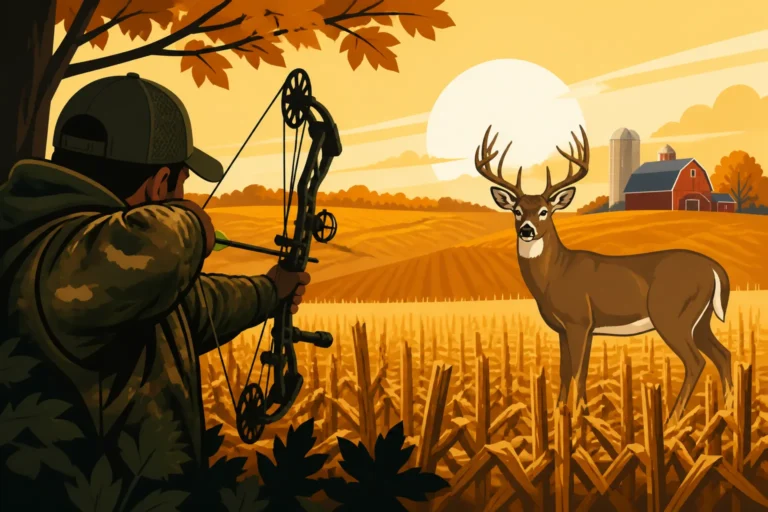
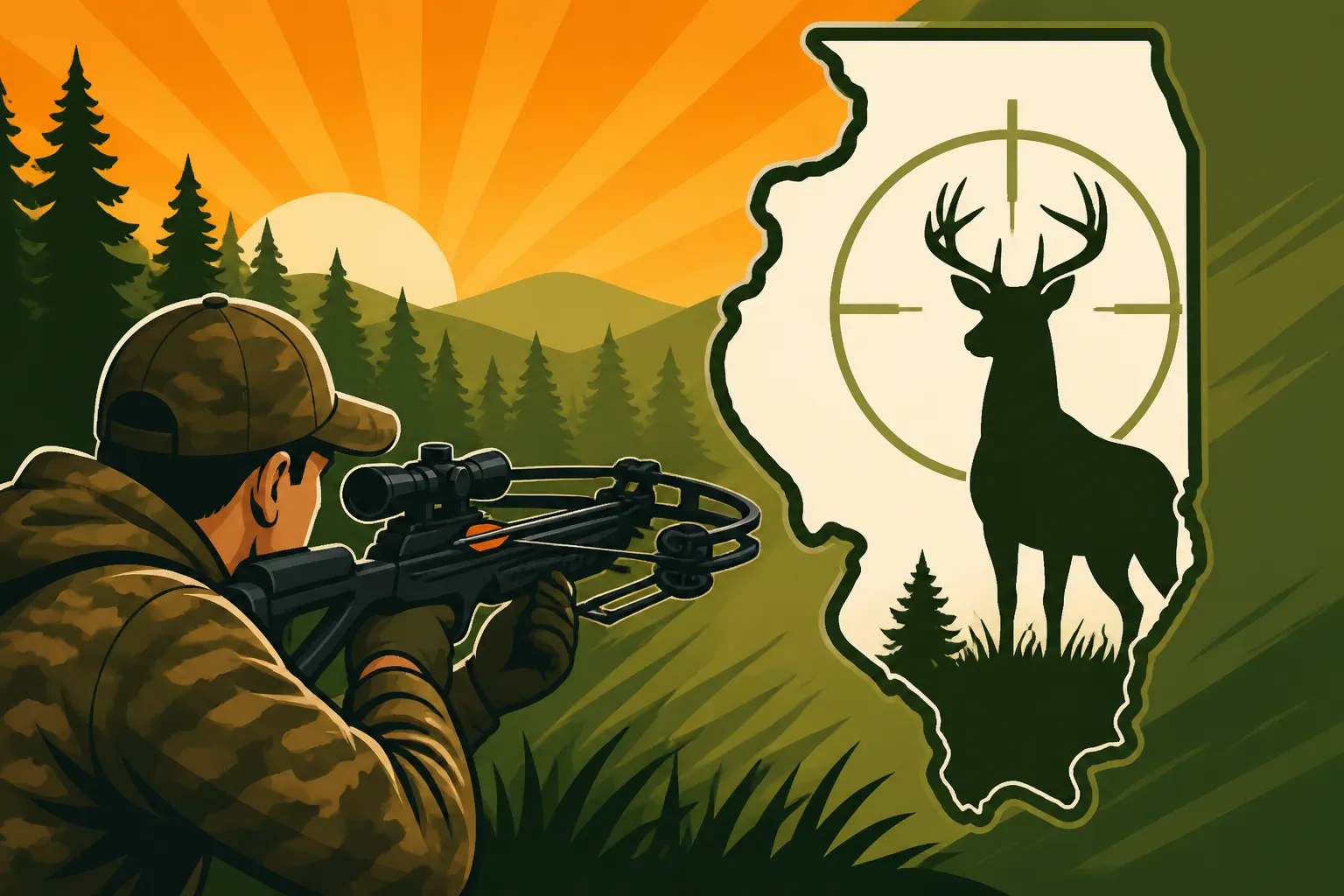
It wasn't that long ago that the idea of using a crossbow during Illinois's regular archery deer season was met with a lot of head-scratching, debate, and often, outright resistance from many traditional bowhunters. For years, only a select few – those with disabilities or certain age requirements – were granted the privilege. This created a lot of confusion and frustration, making it tough to understand who could use what, and when. But times change, and so do regulations. This guide is here to clear up all that uncertainty, walking you through the current rules, how to comply, and what you need to know to legally and ethically hunt with a crossbow during Illinois's archery season.
The Evolution of Crossbow Regulations in Illinois Archery Season
Let's be honest, the conversation around crossbows in Illinois's archery season has been a bit of a rollercoaster. For decades, the purists of archery saw crossbows as a bridge too far, a step removed from the physical demands and skill of traditional recurve or compound bows. This wasn't unique to Illinois, of course; similar debates raged in states all across the country. But what many folks don't realize is that hunting regulations aren't just about tradition; they're also about wildlife management, hunter recruitment, and making sure everyone has a fair shake at enjoying our wild spaces.
Acknowledging Past Debates and Current Realities
For a long time, if you wanted to hunt deer in Illinois with a crossbow, you needed a special permit. This permit was typically reserved for hunters with a certified disability that prevented them from using a conventional bow, or for older hunters who met specific age criteria. This created a two-tiered system where some hunters felt excluded, or at the very least, faced unnecessary hurdles. It was a source of contention, with arguments from both sides often passionate and deeply held. On one hand, you had those advocating for the preservation of "traditional" archery, fearing that crossbows would increase harvest pressure and diminish the challenge. On the other, you had hunters, often older or with physical limitations, who just wanted to participate in the season they loved, finding the crossbow a perfect tool to extend their time in the woods.
The Illinois Department of Natural Resources (IDNR) had to weigh these arguments carefully, balancing tradition with accessibility. They looked at data from other states, considered hunter recruitment trends (especially among youth and those new to hunting), and evaluated the actual impact on deer populations. The reality is, hunting participation across the board has been facing challenges, and removing barriers, where appropriate, can often lead to more people getting outdoors and contributing to conservation through license and permit sales. This shift in thinking, driven by a blend of conservation goals and a desire for broader participation, gradually paved the way for the changes we see today.
The Shift Towards Inclusive Hunting Opportunities
Fast forward to recent years, and Illinois has embraced a more inclusive approach. The big change came when the IDNR opened up crossbow use to all hunters during the entire archery deer season, regardless of age or physical ability. This was a pretty monumental shift for many, and it signaled a clear move to ensure that hunting remains accessible and appealing to a wider demographic. Now, instead of needing a doctor's note or waiting until a specific birthday, any hunter who holds a valid Illinois hunting license and archery deer permit can choose to hunt with a crossbow from opening day until the season closes.
This expansion has brought a lot of new hunters into the fold or brought back those who might have sidelined themselves due to physical limitations. It's about giving hunters more options and making the sport more accommodating. Think about it: a hunter with a shoulder injury can still participate, a parent can easily teach their child the fundamentals of aiming without worrying about drawing a heavy bow, and older hunters can continue their passion well into their golden years. This change aligns with a broader national trend to promote hunter retention and recruitment, recognizing that every hunter contributes to the financial health of wildlife conservation efforts. It's a positive step towards ensuring the future of hunting in Illinois for generations to come. For more details on the general archery season, you can always check out resources like Bowhunting Illinois's Long Archery Season.
Who Can Legally Use a Crossbow During Archery Season
With the rule changes, the question of "who can use a crossbow" has become refreshingly simple: virtually any licensed hunter can. This broad access is a game-changer, removing the previous layers of complexity and special permits that used to be a point of confusion for many. Let's dive into the specifics, because while the general answer is "everyone," there are still foundational requirements every hunter must meet.
General Archery Hunters and Universal Access
If you're an Illinois resident or a nonresident looking to hunt deer during the state's archery season, and you've got your valid hunting license and an Archery Deer Permit, you're good to go with a crossbow. It's really that straightforward now. There's no separate "crossbow permit" or additional stamp required beyond your standard archery deer permits and state hunting license. This means a hunter who prefers a crossbow for its ease of aiming, minimal draw weight during the shot, or simply personal preference, is now on equal footing with those who prefer a compound or traditional bow.
This universal access is particularly beneficial for new hunters. Learning to shoot a traditional or compound bow effectively takes a significant amount of practice and physical conditioning. While crossbows still demand skill and practice, their mechanics often allow for a quicker entry into hunting, reducing the initial learning curve. For families looking to introduce youngsters to deer hunting, a crossbow can be an excellent tool to build confidence and accuracy early on. It allows them to focus on vital skills like tracking, scent control, and stand placement, without the added pressure of mastering a bow draw. Just remember, proper hunter education is still mandatory, and for non-residents, understanding Illinois Nonresident Archery Deer Permit Cost is essential.
Special Permits for Disabled Hunters and Seniors
While crossbows are now universally available, it's worth noting that the original provisions for disabled hunters and seniors were critical in paving the way for these broader regulations. Historically, these groups were the first to gain access, and those specific considerations were vital. Even though the "special permit" is no longer needed just for crossbow use for these groups, Illinois does have other programs and considerations for hunters with disabilities or seniors that might affect other aspects of their hunt.
For instance, certain sites might have enhanced access for hunters with mobility challenges, or there might be specific guidelines for using assistive devices. While a crossbow is now just another legal tool in the archery season toolbox, it's a testament to these earlier advocacy efforts that led to such an inclusive policy. Hunters with disabilities should always consult the IDNR regulations for any other accommodations or rules that might apply to their specific situation, ensuring they are fully compliant and can enjoy their hunt safely and effectively. The state is committed to making hunting accessible to as many people as possible, and the crossbow rule is a shining example of that commitment.
Youth Hunters and Crossbow Use
For young hunters eager to get into the deer woods, crossbows offer a fantastic entry point. Illinois allows youth hunters to use crossbows during the regular archery deer season, provided they meet all other licensing and permit requirements, and, crucially, adhere to the state's Mentored Youth Hunting Program rules if they are under the age of 18 and haven't completed hunter education. This means a properly licensed and permitted youth, under the direct supervision of an adult mentor, can legally hunt with a crossbow.
This is a huge advantage for recruitment. Learning to shoot a bow with precision, especially with varying draw weights, can be challenging for smaller frames or those still developing strength. A crossbow eliminates the need to hold a bow at full draw, allowing young hunters to concentrate on shot placement and ethical hunting practices. It can make the early hunting experiences more positive and less physically demanding, fostering a love for the outdoors that will last a lifetime. Of course, all youth hunters must successfully complete a hunter education course to hunt unsupervised, and understanding Illinois Hunter Education Requirements is paramount for both youth and their mentors. The goal is to make hunting safe, enjoyable, and accessible for the next generation, and crossbows play a significant role in achieving that.
Specific Rules for Crossbow Use in the Field
Alright, so you've got your license and permit, and you're ready to hit the woods with your crossbow. That's awesome! But before you head out, it's super important to understand the specific rules that govern crossbow equipment, how to handle and transport it safely, and the overarching season dates. Ignorance of the law is never an excuse, and a simple mistake could cost you your permit or worse.
Equipment Specifications and Legal Requirements
Illinois has pretty clear rules about what constitutes a legal crossbow for hunting deer. Generally, the IDNR specifies that crossbows must have a minimum draw weight, though this detail can sometimes change, so it's always best to check the latest regulations. More importantly, it must be equipped with a working safety mechanism. You absolutely cannot modify your crossbow to increase its kinetic energy beyond factory specifications or to defeat its safety features. When it comes to bolts (the crossbow equivalent of arrows), they must be fitted with broadheads that meet certain criteria.
Specifically, broadheads need to be of a fixed blade or expandable design, with a minimum cutting diameter. This is usually specified in the regulations, but typically you're looking for fixed blade broadheads that are at least 7/8 inch wide, or expandable broadheads that achieve that same cutting diameter upon impact. Barbed broadheads are generally illegal, as are those that contain explosives or poisons. It's critical to make sure your broadheads are sharp and in good condition to ensure a clean, ethical harvest. Investing in quality broadheads and regularly inspecting them is part of responsible hunting. For a deeper dive into specific equipment, you might want to look at Illinois Crossbow Equipment Requirements.
Safety Considerations and Transport Regulations
Safety is paramount, always. Crossbows, like any other hunting weapon, demand respect and adherence to strict safety protocols. Always treat a loaded crossbow as if it were a loaded firearm. Keep the safety on until you're ready to shoot, and never point it at anything you don't intend to shoot. When transporting your crossbow, whether in a vehicle, ATV, or on foot, it needs to be uncocked. An uncocked crossbow is much safer and less prone to accidental discharge. Many hunters choose to carry their crossbow in a case during transport, which is always a good practice, especially in a vehicle.
When you're afield, make sure your shooting lane is clear, and always be aware of your surroundings, identifying your target beyond a shadow of a doubt before taking a shot. Never climb a tree stand with a cocked crossbow; use a haul rope to pull it up once you're safely secured in your stand. Platforms like GoHunt often have great safety checklists and mapping tools that can help you plan safe entry and exit routes, minimizing accidental encounters and ensuring you're always aware of your location relative to others.
Season Dates and Reporting Requirements
Illinois's archery deer season is long, running from early October through mid-January, with a few breaks during the firearm seasons. You can use your crossbow during any open archery period. It's crucial to check the IDNR's current year's hunting digest for exact dates, as they can shift slightly from year to year. Knowing the specific Illinois Archery Season Opening Day is key for planning your first hunt.
Once you've successfully harvested a deer, the reporting requirements are the same whether you used a crossbow, compound, or traditional bow. All harvested deer must be reported to the IDNR by 10 PM on the day of harvest. This can typically be done online through the IDNR website, via a phone app, or by calling a designated number. You'll need your permit number and the county of harvest. This data is incredibly important for wildlife biologists to monitor deer populations, assess harvest success, and make informed management decisions. Skipping this step is a violation, so make it a priority after every successful hunt.
Navigating Public and Private Land with a Crossbow
Hunting with a crossbow opens up the same vast opportunities as hunting with a traditional bow, whether you're stalking the timber of public lands or sitting over a food plot on private property. However, it's vital to remember that while the weapon might be permitted, specific locations can have their own nuances you need to understand.
Understanding Site-Specific Regulations
While the statewide regulations allow crossbow use during the entire archery season, many public hunting areas in Illinois have site-specific rules that can either restrict certain activities or impose additional requirements. This is especially true for State Fish and Wildlife Areas, State Parks, and National Wildlife Refuges. For example, some sites might have specific check-in/check-out procedures, limit the type of stands you can use (like portable stands only, no screwing into trees), or even have special lottery draws for specific hunting periods.
Before you head out to any public land, it's non-negotiable to check the individual site's regulations. The Illinois DNR website is your best friend here, often providing detailed fact sheets or specific rules for each managed area. Platforms like GoHunt are also excellent for identifying public land boundaries and sometimes even overlaying specific site rules. Imagine showing up to a prime spot in Shawnee National Forest, only to find out you need a special windshield card or that crossbows are only allowed during certain dates on that particular unit. Don't let that happen! A little homework upfront can save a lot of frustration and wasted time. Remember, even on public land, there are rules around Illinois Public Land Hunting Hours and other general site regulations.
Considerations for Private Land Access
Hunting private land with a crossbow is typically more straightforward in terms of equipment, as long as you adhere to statewide regulations. The biggest consideration here is, of course, obtaining permission from the landowner. In Illinois, hunting on private property without permission is trespassing, which carries serious penalties. It's not enough to assume; you need explicit consent.
When approaching a landowner, be polite, respectful, and clear about your intentions. Offer to help with chores, respect their property boundaries, and leave no trace. Many landowners appreciate hunters who are proactive about Finding Illinois Property Lines and understanding exactly where they are allowed to hunt. Establishing a good relationship is key to long-term access. If you're fortunate enough to have private land access, you have a bit more freedom in terms of stand placement and access methods, but you still must comply with all state laws regarding weapon choice, season dates, and reporting. Using a crossbow on private land gives you a versatile tool for various setups, whether you're hunting a small woodlot or a sprawling farm field.
Common Questions and Misconceptions About Crossbows
Despite crossbows being fully legal for general archery season in Illinois, there are still some lingering questions and old misconceptions that pop up. It’s important to address these directly, especially for new hunters or those who haven’t kept up with the changes. Getting the facts straight ensures everyone is on the same page and can hunt confidently.
Crossbows Versus Compound Bows
One of the most frequent debates centers around whether crossbows are "easier" or "less sporting" than compound bows. It's true that a crossbow doesn't require the physical strength to hold at full draw, nor does it demand the extensive practice time needed to develop perfect form and release with a compound bow. You can cock a crossbow, engage the safety, and wait for extended periods for the perfect shot, which is a significant advantage in certain hunting scenarios. This characteristic is precisely why they've become so popular, especially for hunters with physical limitations or those seeking a less strenuous method.
However, calling them "easy" can be misleading. While the mechanics of shooting are simpler, the actual act of hunting still requires immense skill, patience, and woodsmanship. You still need to effectively scout, understand deer behavior, manage your scent, make ethical shot placements, and navigate the challenges of weather and terrain. A crossbow doesn't automatically make you a successful hunter; it simply offers a different tool to achieve the same objective. The core skills of hunting remain unchanged, regardless of your chosen weapon. Both crossbows and compound bows are formidable tools in the hands of a responsible hunter.
| Feature | Crossbow | Compound Bow |
|---|---|---|
| Draw/Hold Weight | Cocked and held by mechanical lock, no physical hold | Requires continuous physical hold at full draw |
| Learning Curve | Generally quicker to achieve accuracy | Requires significant practice for form and release |
| Physical Demand | Lower physical demand for shooting | Higher physical demand for drawing and holding |
| Accuracy Potential | Very high, especially with optics | High, dependent on shooter skill |
| Shot Range | Similar effective range to compounds for ethical hunting | Similar effective range, often requires more practice to achieve |
| Transport | Must be uncocked when transported | Typically carried unstrung or uncocked |
| Reload Speed | Slower to reload for a second shot | Faster for a second shot if not moving much |
Ethical Considerations and Fair Chase
The concept of fair chase is deeply ingrained in hunting ethics, and it's another area where crossbows sometimes spark discussion. Fair chase essentially means giving the animal a reasonable chance to escape and ensuring the hunter's advantage isn't so overwhelming as to eliminate the challenge. Some traditionalists argued that crossbows, with their rifle-like accuracy and ability to be held cocked and ready, reduced the element of fair chase.
However, the reality is that a crossbow's effective range for an ethical kill is quite similar to that of a compound bow – typically within 20-50 yards, depending on the hunter's skill and equipment. Beyond that, the trajectory drops significantly, and factors like wind become more pronounced, making ethical shots difficult. Responsible crossbow hunters understand these limitations and practice extensively to know their personal maximum effective range. Just like a rifle hunter wouldn't take a 500-yard shot without significant practice and appropriate equipment, a crossbow hunter understands that success isn't about the weapon, but about patience, stealth, and making a clean shot at close range.
Ultimately, fair chase is more about the hunter's conduct and self-imposed limitations than the specific tool in hand. A hunter who practices ethical shot placement, respects the animal, and follows all regulations, regardless of whether they use a recurve, compound, or crossbow, upholds the principles of fair chase. The IDNR's decision to allow crossbows universally reflects a recognition that they are a legitimate and ethical tool for hunting deer in Illinois, provided hunters exercise good judgment and follow the rules. It’s about being a responsible steward of our wildlife, no matter your gear.
Disclaimer
The information provided in this guide is intended for general informational purposes only and is subject to change. Hunting regulations are dynamic and can be updated by the Illinois Department of Natural Resources (IDNR). It is the hunter's responsibility to consult the most current official IDNR Hunting and Trapping Digest or their official website for the definitive and most up-to-date rules and regulations before participating in any hunting activity. Failure to do so may result in legal penalties.