Illinois Archery Season Opening Day
There’s nothing quite like the restless anticipation leading up to the Illinois archery season. For bowhunters across the state, the wait can feel endless, filled with summer scouting, gear prep, and dreams of whitetails. Figuring out the exact start date and understanding all the nuances for that crucial first sit can be confusing amidst all the excitement. This comprehensive guide will walk you through everything you need to know about the Illinois archery season opening day, from official dates and license requirements to essential tactics for early success.
The Anticipation and Official Start of Illinois Archery Season
That crisp morning air, the rustle of leaves underfoot, and the promise of a new deer season – it's a feeling every Illinois bowhunter knows well. The archery season is a significant period for deer management and offers some of the most challenging yet rewarding hunting opportunities. Getting ready for that initial opening day hunt takes careful planning and an understanding of what to expect.
When Bowhunting Kicks Off in the Prairie State
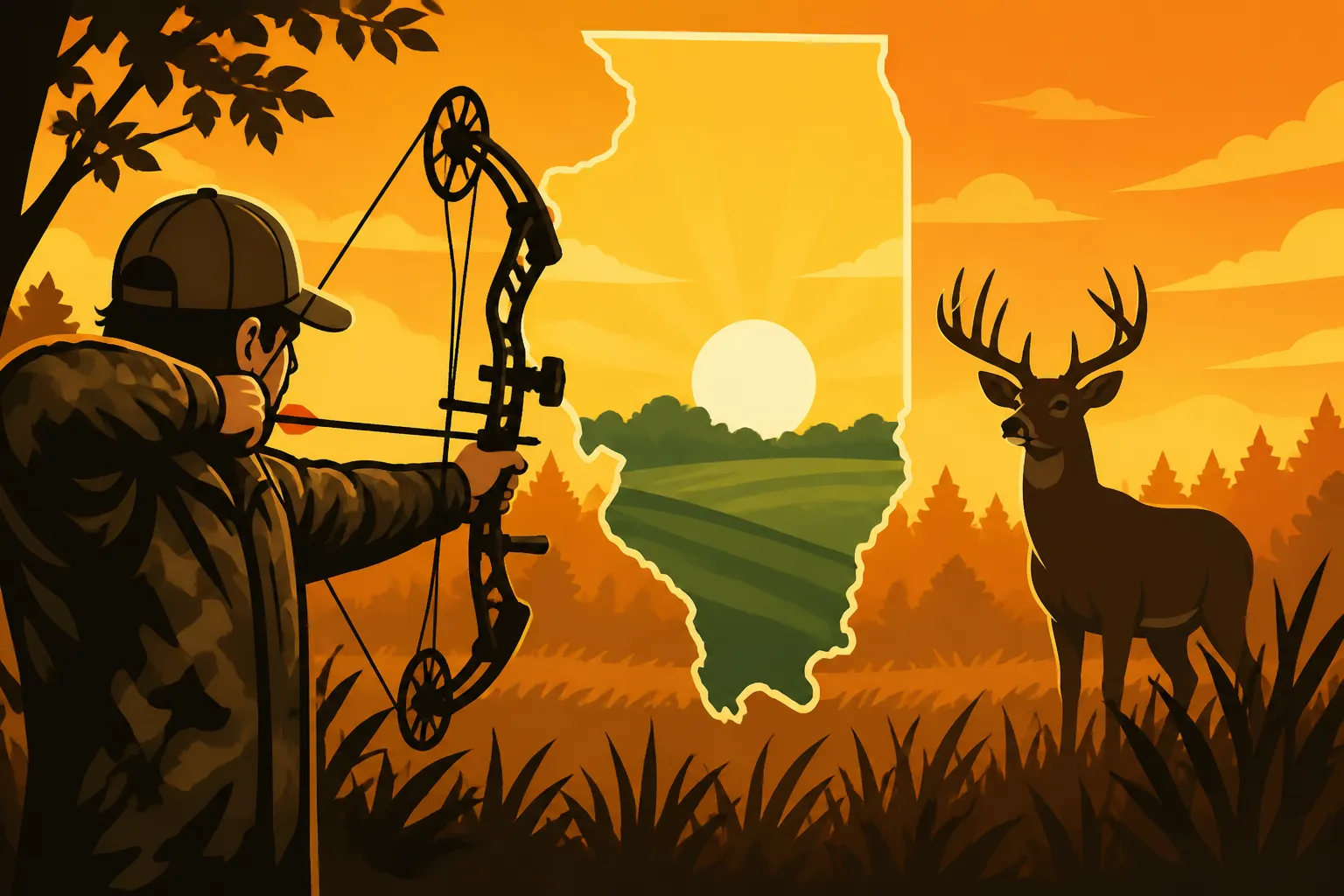
The Illinois archery deer season consistently kicks off on October 1st each year. This is a date etched into the minds of bowhunters, marking the beginning of a long and opportunity-rich season that extends through January 14th of the following year, with a brief closure during the firearm deer seasons. While the late September days might still feel like summer, October 1st ushers in a new phase, a period of transition where deer are still relatively unpressured, and their patterns are often more predictable, tied closely to early fall food sources. This fixed opening date helps hunters plan their vacation days, scouting trips, and equipment checks well in advance, ensuring everyone is ready when that first legal hunting light breaks over the horizon. The entire season, often referred to as Bowhunting Illinois's Long Archery Season, provides ample opportunity, but opening day holds a special allure.
Understanding the Early Season Conditions
When October 1st rolls around, Illinois can present a mixed bag of conditions. More often than not, expect mild temperatures, especially during midday, which can make long sits challenging. Early mornings might bring a chill, but it often warms up quickly. The foliage is typically still very dense, offering excellent cover for both deer and hunters, but it also means visibility can be limited. Deer are generally still operating on their late-summer patterns, focused heavily on food and water. They haven't felt significant hunting pressure yet, so they might be less nocturnal than later in the season. You'll primarily find them keying in on abundant food sources like standing soybeans, alfalfa, or newly dropped acorns, especially after a good mast crop year. Understanding these variables is critical for your opening day strategy, as it often differs significantly from tactics used during Hunting the Rut in Early November or the late season.
Navigating Licenses and Permits for the Opener
Before you even think about setting foot in the woods on October 1st, ensuring all your paperwork is in order is paramount. Illinois has specific requirements for licenses and permits, and failing to secure them beforehand can quickly turn your exciting opening day into a frustrating one. The state has made the process increasingly user-friendly, but it still requires attention to detail.
Securing Your Illinois Archery Deer Permit
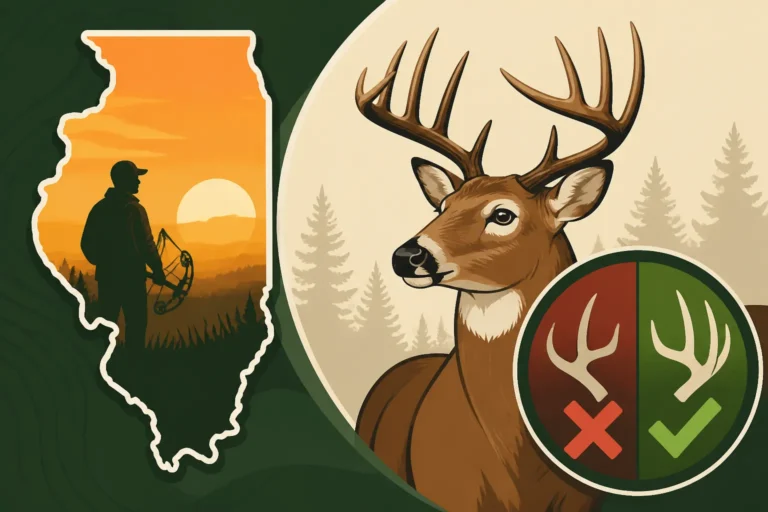
To legally hunt deer with a bow in Illinois, you'll need an Archery Deer Permit. For Illinois residents, these permits are generally available over-the-counter from licensed vendors or online through the Illinois Department of Natural Resources (IDNR) website. Most resident hunters opt for an "Either-Sex" permit, which allows them to harvest either a buck or a doe. Many also purchase a separate "Antlerless-Only" permit to fill their freezers and help manage the deer population. Nonresidents, on the other hand, face a slightly different process. Nonresident archery deer permits are typically issued via a lottery system, meaning you need to apply well in advance of the season, usually in the spring or early summer. These permits are often more limited and can be more expensive, so planning ahead is crucial. The cost of an Illinois Resident Archery Deer Permit Cost is quite reasonable, but non-residents should be aware of the higher Illinois Nonresident Archery Deer Permit Cost. Always double-check the IDNR website for current application periods and costs.
Essential Licenses and Stamps Beyond the Permit
Beyond your specific Archery Deer Permit, every hunter in Illinois needs a valid Illinois hunting license. This is your fundamental permission slip to hunt any game species in the state. For deer hunters, regardless of weapon choice, you are also required to purchase a State Habitat Stamp. This stamp is a critical source of funding for wildlife habitat acquisition and restoration projects across Illinois, directly benefiting the animals we love to hunt. Think of it as your contribution to ensuring healthy wildlife populations for future generations. While not directly related to deer, if you plan to hunt migratory birds, remember to get your Federal Duck Stamp and HIP certification. For new hunters, especially youth, consider reviewing the Illinois Hunter Education Requirements to ensure compliance, as this is a foundational step for all hunters.
Key Regulations and Equipment Considerations for Opening Day
Opening day isn't just about showing up with your bow; it's about being prepared and compliant with all the rules. Illinois has specific regulations regarding legal equipment and safety, which are especially important to understand before you head out for that first hunt of the season. Knowing these details prevents potential issues and ensures a safe and ethical hunting experience.
Legal Archery Equipment and Crossbow Rules
Illinois law specifies what constitutes legal archery equipment for deer hunting. This generally includes longbows, recurve bows, and compound bows with a minimum draw weight of 30 pounds at a 28-inch draw, or as marked by the manufacturer. All arrows must be equipped with a broadhead that has a minimum of two cutting edges, with a minimum cutting diameter of 7/8 inch. Expanding broadheads are legal as long as they meet these criteria when open. It’s also important to note that crossbows are indeed legal during the entire Illinois archery season. While they once had specific use windows, current regulations allow them to be used by all hunters during the regular archery season. However, there might be specific requirements for crossbow draw weight or safety mechanisms, so always consult the latest IDNR hunting digest or resources like GoHunt to ensure your equipment is fully compliant. Understanding Crossbow Rules During Illinois Archery Season is crucial for those who prefer them.
Blaze Orange and Safety in the Early Season
One common question for archery hunters is about blaze orange requirements. During the regular Illinois archery deer season, blaze orange is generally NOT required if you are strictly hunting with archery equipment and outside of any firearm seasons. This allows bowhunters to utilize camouflage more effectively for closer encounters. However, there are exceptions. If you are hunting during a period when a firearm deer season (like the youth firearm season or one of the main Illinois's Two Firearm Deer Seasons) is also open in the same area, then blaze orange requirements for firearm hunters would apply to everyone, even archers. It’s always best practice to check the current year’s hunting digest for exact dates and overlapping seasons. Regardless of blaze orange, general safety rules always apply: positively identify your target, know what's beyond it, and always treat every weapon as if it's loaded. Use a safety harness if hunting from a tree stand, and let someone know where you're hunting and when you expect to return.
Early Season Tactics for Opening Day Success
Opening day offers a unique set of challenges and opportunities. Deer haven't been pressured much, but they're also transitioning from summer patterns. Your strategy needs to be precise, capitalizing on their habits while minimizing your impact. This is where meticulous planning and understanding deer behavior truly pay off.
Scouting and Stand Placement Ahead of Time
Success on opening day isn't born on October 1st; it's forged in the weeks and months leading up to it. Extensive pre-season scouting is your most valuable asset. Focus on identifying consistent food sources that deer are actively using, such as acorn flats, standing soybeans, or even small, unpressured clover plots. Locate primary bedding areas and, most importantly, the travel corridors connecting them. These early season patterns are often defined by food-to-bed movements.
When hanging stands or placing ground blinds, think about ease of access and, more critically, your exit route. You want to be able to get in and out without spooking deer, especially mature bucks, which might still be moving in daylight. Utilize aerial maps and GPS tools, like those found on GoHunt, to identify pinch points, funnels, and natural cover that deer will use. Consider a more aggressive setup if you're targeting a specific buck that's been consistently showing up on trail cameras, but remember that the first sit can make or break a spot for a while. For hunters exploring new areas, resources on Scouting Illinois Public Land Before Season can be incredibly helpful.
Understanding Deer Movement Patterns
In early October, deer are often still in their bachelor groups (bucks) or family units (does and fawns) and are heavily focused on available food sources. They haven't yet been scattered by hunting pressure or the impending rut. This means targeting their preferred feeding areas at dawn and dusk can be highly effective. If acorns are dropping, those areas will be hot. If not, look to agricultural fields. Wind direction is critical; deer will often approach food sources with the wind in their favor, so set up accordingly.
Midday movement can be slow, but it's not non-existent. Sometimes, a deer will shift between smaller, secluded bedding thickets closer to food during the day. Don't be afraid to sit all day if the conditions are right, especially if you've done your homework and know deer are in the area. Pay attention to rub lines and scrape lines; while the rut isn't in full swing, bucks will start making their presence known. However, the intense activity associated with When the Illinois Rut Peaks is still a few weeks away.
Managing Scent and Approach for the First Sit
Scent control is paramount on opening day, perhaps more so than any other time. Deer are less wary, but they are still deer, and their noses are their primary defense. Shower with scent-eliminating soap, wear clean clothes stored in scent-free bags, and use scent-eliminating sprays on your outer layers. Pay close attention to your entry and exit routes. The goal is to get to and from your stand without alerting any deer in the vicinity.
Avoid walking through known bedding areas or across heavily used deer trails. Use natural cover like creek beds, ditches, or fencerows to mask your approach. The first time you hunt a spot, you want to leave as little trace as possible. If you spook deer on opening day due to poor scent control or a noisy approach, it can sour that spot for weeks. Think of it as a chess match; your first move needs to be subtle and strategic. Even on public lands, where hunting pressure can be higher, these tactics will significantly increase your odds. For those hunting the timber, especially in southern Illinois, understanding Wind and Thermals on a Southern Illinois Ridge becomes even more critical for managing scent.
Early Season Gear Checklist for Illinois Archery Opening Day
To make your opening day as smooth as possible, here's a quick checklist of essentials. This isn't just about what you carry, but what you prepare beforehand. Using tools like GoHunt to scout and mark waypoints for your stands, bedding, and food sources can save you invaluable time and reduce disturbance.
| Category | Essential Items | Notes |
|---|---|---|
| Hunting License/Permit | Illinois Hunting License, Archery Deer Permit(s), State Habitat Stamp | Digital copies on phone are allowed, but a physical copy is wise. |
| Archery Equipment | Bow (recurve, compound, or crossbow), Arrows, Broadheads, Quiver | Ensure broadheads are sharp and legal. |
| Safety Gear | Safety Harness, Lifeline, First-Aid Kit, Knife | Never hunt from a tree stand without a harness. |
| Navigation & Scouting | GPS device or smartphone with hunting app (GoHunt), Compass, Headlamp | Pre-download maps for areas with no cell service. |
| Clothing | Scent-controlled layers, Rain gear (if needed), Camouflage outer layer | Dress in layers for variable early season temps. |
| Accessories | Rangefinder, Binoculars, Grunt Tube (optional), Calls (optional) | Early season grunting volume in thick cover can be effective. |
| Comfort/Miscellaneous | Water, Snacks, Scent Eliminator, Seat Cushion, Pee bottle | Stay hydrated, especially if sitting long hours. |
| Post-Harvest Gear | Game Bags, Drag Rope, Field Dressing Kit, Gloves | Be prepared for a successful harvest. |
This comprehensive list ensures you're prepared for whatever opening day throws at you, from the first light of morning to the walk out after dark. Planning ahead for Blood Trailing After Dark in Illinois can prevent a lost animal.
Maximizing Your Illinois Archery Season Opportunity
Opening day is just the beginning of what can be a fantastic hunting season in Illinois. By understanding the regulations, preparing your gear, and applying sound early-season tactics, you're setting yourself up for success. Remember, hunting is about the experience as much as the harvest. Enjoy the peace of the woods, the challenge of the hunt, and the unique opportunities that Illinois offers. Whether you're hunting in the timber of the Shawnee National Forest Hunting or the fringes of Hunting Central Illinois Farmland Deer, the thrill of opening day is unmatched.
Disclaimer
The information provided in this guide is for informational purposes only and is not a substitute for official regulations. Always consult the current Illinois Department of Natural Resources (IDNR) hunting regulations and official sources before participating in any hunting activities, as rules and dates can change annually. The author and publisher are not responsible for any errors or omissions.