Finding an Illinois CWD Sampling Location
Hunting in Illinois is an incredible experience, but it also comes with a responsibility to protect our state's deer herd, especially with the ongoing challenge of Chronic Wasting Disease (CWD). Navigating where and how to get your deer tested can feel a bit overwhelming, adding another layer to an already demanding hunting season. This guide is here to simplify that process, walking you through exactly how to find an Illinois CWD sampling location so you can contribute to the health of our deer population with confidence and ease.
The Critical Role of CWD Sampling in Illinois Hunting
Let's be honest, after a successful hunt, the last thing many of us want to think about is another step before processing our hard-earned venison. But when it comes to Chronic Wasting Disease, taking that extra step for sampling isn't just a suggestion; it's a vital part of safeguarding the future of White-Tailed Deer Across Illinois. Understanding why this testing is so crucial makes the process feel less like a chore and more like an essential contribution to conservation.
Why Participating in Testing Protects Our Deer Herd
Chronic Wasting Disease is a fatal neurological disease affecting deer, elk, and moose. It's caused by abnormal proteins called prions that slowly degrade the animal's brain. Unlike bacterial or viral infections, CWD is relentlessly progressive and always results in death, often after a period where the animal appears lethargic, emaciated, and behaves abnormally. The tricky part is that infected animals can carry the disease for months or even years without showing symptoms, all while potentially spreading it through their saliva, urine, and feces.
For hunters, this means a few things. First, testing helps the Illinois Department of Natural Resources (IDNR) track the disease's spread and prevalence, which is essential for managing the herd effectively. Without accurate data, it's impossible to implement targeted strategies to mitigate its impact. Second, by testing, you're ensuring the venison you consume is free from CWD, even though the Centers for Disease Control and Prevention (CDC) advises against consuming meat from CWD-positive animals. It’s about being a responsible hunter and steward of the land. Our participation is critical to Illinois's Twenty-Three Year Fight Against CWD, providing invaluable data that informs management decisions statewide.
Distinguishing Mandatory from Voluntary CWD Testing Zones
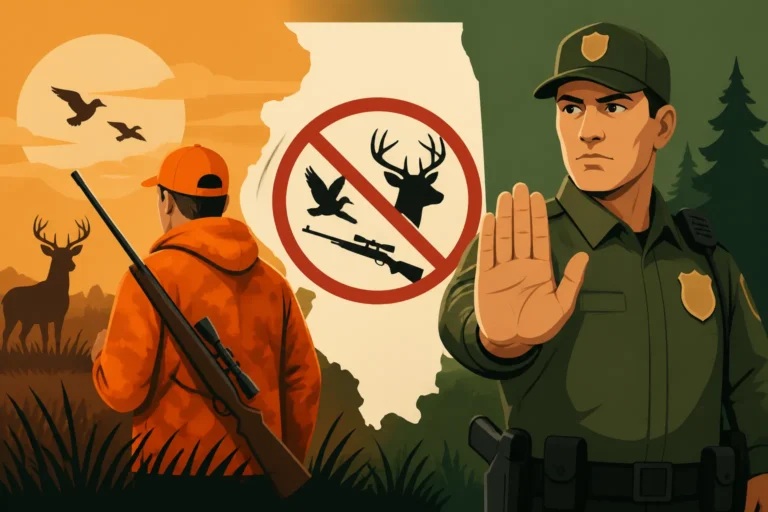
Illinois has a designated CWD Management Zone, primarily located in the northern part of the state, but it has expanded over the years since Why Boone County Became Ground Zero for CWD. In these specific counties, testing your harvested deer is often mandatory during certain firearm seasons. This requirement is in place because these areas have a higher prevalence of the disease, and intensive monitoring is needed to understand its dynamics. The IDNR takes this seriously, and hunters in these zones must comply to avoid penalties.
However, even outside these mandatory zones, voluntary testing is highly encouraged. CWD doesn't respect county lines, and a sporadic case could pop up anywhere. Many hunters, myself included, feel a strong commitment to doing their part, even when it's not mandated. Knowing the status of your harvested deer and contributing to the statewide surveillance effort helps the IDNR maintain a comprehensive picture of the disease across Illinois. You can usually find a detailed map of Illinois's Chronic Wasting Disease Zone on the IDNR website, which clarifies where mandatory testing applies and where voluntary options are available.
Official Avenues for Finding CWD Sampling Locations
When it's time to get your deer sampled, the last thing you want to do is drive around aimlessly with a fresh harvest. Luckily, the Illinois Department of Natural Resources has worked hard to provide clear and accessible resources to help hunters locate official CWD sampling sites. Knowing exactly where to look and what to expect can save you a lot of time and effort during what can already be a very busy few days.
Navigating the Illinois DNR Website and Mobile Tools
The primary resource for finding CWD sampling locations is the official Illinois DNR website. They typically have a dedicated section for CWD information, which includes maps and lists of sampling locations, often updated seasonally. It's usually under their "Wildlife" or "Deer Hunting" sections. You'll want to look for links specifically mentioning "CWD sampling locations," "check stations," or "taxidermist/processor partners."
When planning your hunt, a quick check on the IDNR website, perhaps cross-referenced with your GoHunt app for aerial imagery of potential access points near a sampling site, can save you a lot of time. The IDNR also offers the Scouting With the Illinois DNR App, which is incredibly useful. While its primary function might be scouting and checking regulations, it often integrates real-time information about CWD sampling sites, their operating hours, and any special instructions during peak hunting periods. It’s always a good idea to download this app and check it before you head out, as information can change due to weather, staffing, or harvest pressure.
Understanding Different Types of Sampling Sites and Their Operations
Illinois provides several options for CWD sampling, designed to accommodate hunters across various regions and during different seasons. Knowing the distinctions between these sites will help you plan your submission.
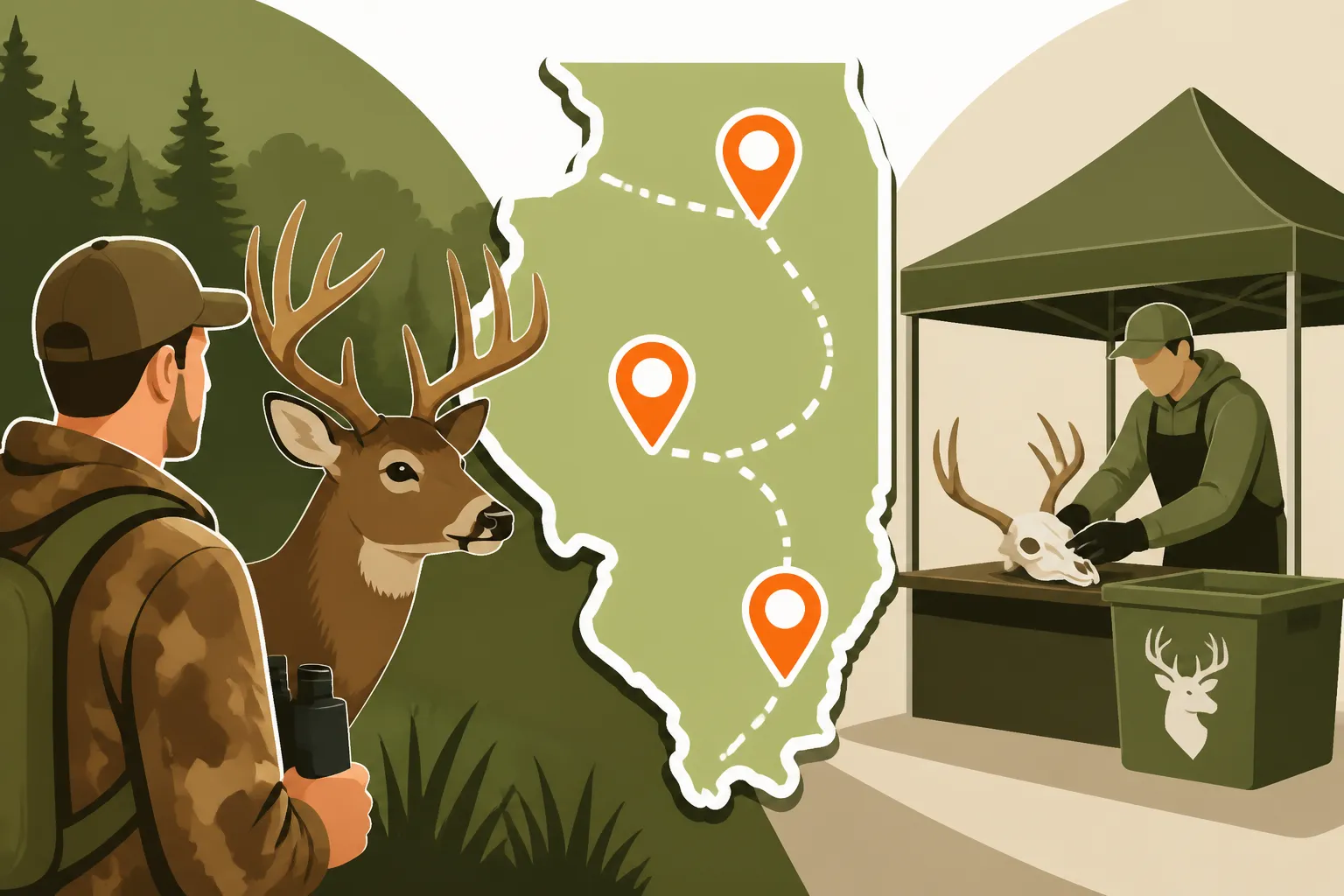
- Permanent Drop-Off Sites: These are typically found at IDNR regional offices, certain State Fish and Wildlife Areas, or even some larger state parks that have regular staff. They usually have a clearly marked cooler or freezer where you can deposit your deer head (or specific samples, as instructed) along with required paperwork. These sites often have more consistent hours, making them reliable options outside of peak firearm seasons.
- Temporary Check Stations: During the popular Illinois's Two Firearm Deer Seasons, the IDNR often sets up temporary check stations. These are usually manned by IDNR staff or volunteers and are designed for high-volume collection during the short, intense firearm periods. They might be located at fairgrounds, community centers, or specific entrances to public hunting lands. Their hours are typically limited to the hunting season dates, and they can sometimes get very busy, especially on opening weekend.
- Cooperating Taxidermists and Meat Processors: To expand sampling accessibility, the IDNR partners with many local taxidermists and meat processors throughout the state. These businesses are trained to collect the necessary CWD samples from your deer while they are processing or preparing it for mounting. This is an incredibly convenient option for many hunters, as it integrates sampling into the post-harvest care process. Always call ahead to confirm if your preferred processor or taxidermist is a cooperating CWD sampling location and what their specific requirements are. They'll also be able to advise you on Illinois CWD Testing for Hunters specifics.
Each type of site will have specific requirements regarding what you need to bring and how the sample should be prepared. Always confirm these details before you go to ensure a smooth submission.
Preparing and Submitting Your Deer for CWD Testing
Once you've successfully harvested your deer and identified a sampling location, the next step is getting your deer ready for testing. This part might seem intimidating, especially if you're new to it, but with a little preparation, it's a straightforward process that plays a big part in CWD surveillance.
Essential Steps for Field Dressing and Sample Preparation
The key to a successful CWD sample is ensuring the lymph nodes or brain stem are intact and accessible. For most sampling stations, particularly those at check stations or staffed drop-off points, they will ask for the deer's head. If you're dropping off just the head, ensure it's removed cleanly from the carcass, ideally with a few inches of neck still attached to aid the sample collector.
If you're taking your deer to a cooperating processor or taxidermist, they will handle the head removal and sampling as part of their services, which is a huge convenience. However, if you're planning to process your own deer and then drop off only specific tissue samples (less common for public drop-offs, but sometimes an option), you need to be very careful to extract the retropharyngeal lymph nodes, which are located near the jaw, or a portion of the brain stem. This requires some anatomical knowledge and sterile technique, so for most hunters, submitting the head is the easiest and most recommended method.
Proper field dressing of the carcass itself should happen as usual, ensuring good meat quality. Just be mindful not to damage the head or neck area if you plan to submit the head for testing. Keep the head cool, just as you would the meat, especially in warmer weather. It's also critical to be aware of the rules regarding Moving a Deer Carcass Out of a CWD County. If you harvest a deer in a CWD-positive county, there are restrictions on transporting certain parts of the carcass outside that county to prevent further spread of the disease. This usually means deboning the meat and leaving the brain and spinal column, which contain the prions, within the CWD zone.
The Sampling Process: What to Expect at a Drop-Off Point
When you arrive at a CWD sampling location, the process is generally pretty efficient. Here's a breakdown of what to expect:
- Proof of Harvest: You'll need to show your valid hunting license and deer permit. This is standard procedure to ensure all deer being sampled are legally harvested.
- Information Collection: You'll be asked to fill out a short form providing details about your harvest, such as the county and date of kill, sex of the deer, and your contact information. This is how the IDNR links the sample back to you and the specific hunt.
- Sample Collection: If you brought the head, IDNR staff or trained volunteers will carefully remove the necessary lymph nodes or a section of the brain stem. This is a quick and clean process. If you're at a processor, they handle this as part of their service.
- Tagging and Submission: The collected sample will be placed in a special container, labeled with a unique ID number, and prepared for transport to the lab. You'll often receive a small card with this ID number so you can track your results online.
- What to do with the carcass: After sampling, you'll take your deer (or the remaining head/antlers) with you to continue with processing.
Many hunters, myself included, use resources like GoHunt to mark potential drop-off points on their maps even before the season starts, integrating this into their overall hunting strategy. This proactive approach saves time and reduces stress post-harvest. The turnaround time for results can vary, but the IDNR usually provides a timeframe on their website. You can typically check your results online using the ID number provided.
Here's a quick reference table for what to expect:
| Item/Action | Details |
|---|---|
| Proof of Harvest | Valid hunting license and deer permit (check Illinois Resident Deer Permit Options for details) |
| Deer Condition | Field dressed, ideally with head attached; keep head cool. |
| Information Required | Hunter's name, phone, email, county of harvest, date of harvest, sex of deer. |
| Sampling Method | Staff will extract lymph nodes or brain stem. At processors, they handle it. |
| Tracking Results | Receive a unique ID number to check results online (IDNR website). |
| Post-Sampling | Take your deer carcass for processing. Adhere to Moving a Deer Carcass Out of a CWD County rules. |
| Wait Time for Results | Typically 2-4 weeks, but can vary by lab workload and time of season. |
Additional Resources and Local Knowledge
While the official IDNR channels are your go-to for finding CWD sampling locations, there's a wealth of information and support available from local experts and the broader hunting community. Tapping into these resources can provide invaluable, up-to-the-minute details and insights that complement the official guidelines.
Engaging with Local Biologists and Wildlife Managers
Sometimes, the most direct way to get current information on CWD sampling is to speak with the folks on the ground. Your local IDNR district wildlife biologist or site superintendent at a nearby State Fish and Wildlife Area often has the most up-to-date information on sampling locations, potential changes in hours, or special collection events. They can also provide context on Illinois CWD Prevalence in the Northern Zone or other areas of concern and share the nuances of their specific region.
Don't hesitate to give your local IDNR office a call. These professionals are dedicated to wildlife management and are typically very eager to help hunters understand their role in CWD surveillance. They can often provide tips specific to your hunting area and might even know about smaller, less publicized drop-off points or special arrangements for larger deer camps. It’s also a great way to build a relationship with your local wildlife agency, demonstrating your commitment to responsible hunting.
Leveraging Online Hunting Forums and Community Groups
The internet is a powerful tool for connecting with fellow hunters, and this extends to sharing information about CWD sampling. Online hunting forums, state-specific Facebook groups dedicated to Illinois hunting, and even platforms like GoHunt often host active discussions where hunters share real-time updates. You might find posts about a temporary drop-off site that just opened up, current wait times at a popular check station, or recommendations for a taxidermist who offers sampling services.
For those looking to deepen their connection with the hunting community and stay abreast of local CWD news, platforms like GoHunt often have forums or community features where hunters share real-time updates on sampling locations and wait times. This kind of grassroots information exchange can be incredibly helpful, especially during the frenetic pace of opening weekends. Just remember to cross-reference any unofficial information with IDNR sources when possible, as details can sometimes be inaccurate or outdated. These communities are also fantastic for learning about Illinois Deer Camp Traditions and other aspects of hunting life. Staying informed and connected ensures you're never caught off guard and are always contributing positively to the health of Illinois's deer herd.
Disclaimer
The information provided in this guide is for general informational purposes only and does not constitute legal or official advice. Hunting regulations, CWD zones, and sampling procedures in Illinois are subject to change. Always consult the most current regulations and official resources from the Illinois Department of Natural Resources (IDNR) before engaging in any hunting activities.