White-Tailed Deer Across Illinois
Navigating the world of Illinois white-tailed deer hunting can feel like trying to solve a complex puzzle, especially with varying regulations, diverse landscapes, and a constantly shifting herd. From understanding permit applications to deciphering deer behavior across the state's distinct regions, it's easy to get overwhelmed. This comprehensive guide is designed to cut through the confusion, offering a deep dive into everything you need to know about pursuing white-tailed deer in the Prairie State, ensuring you're well-equipped for a successful season.
The Illinois Whitetail: An Overview
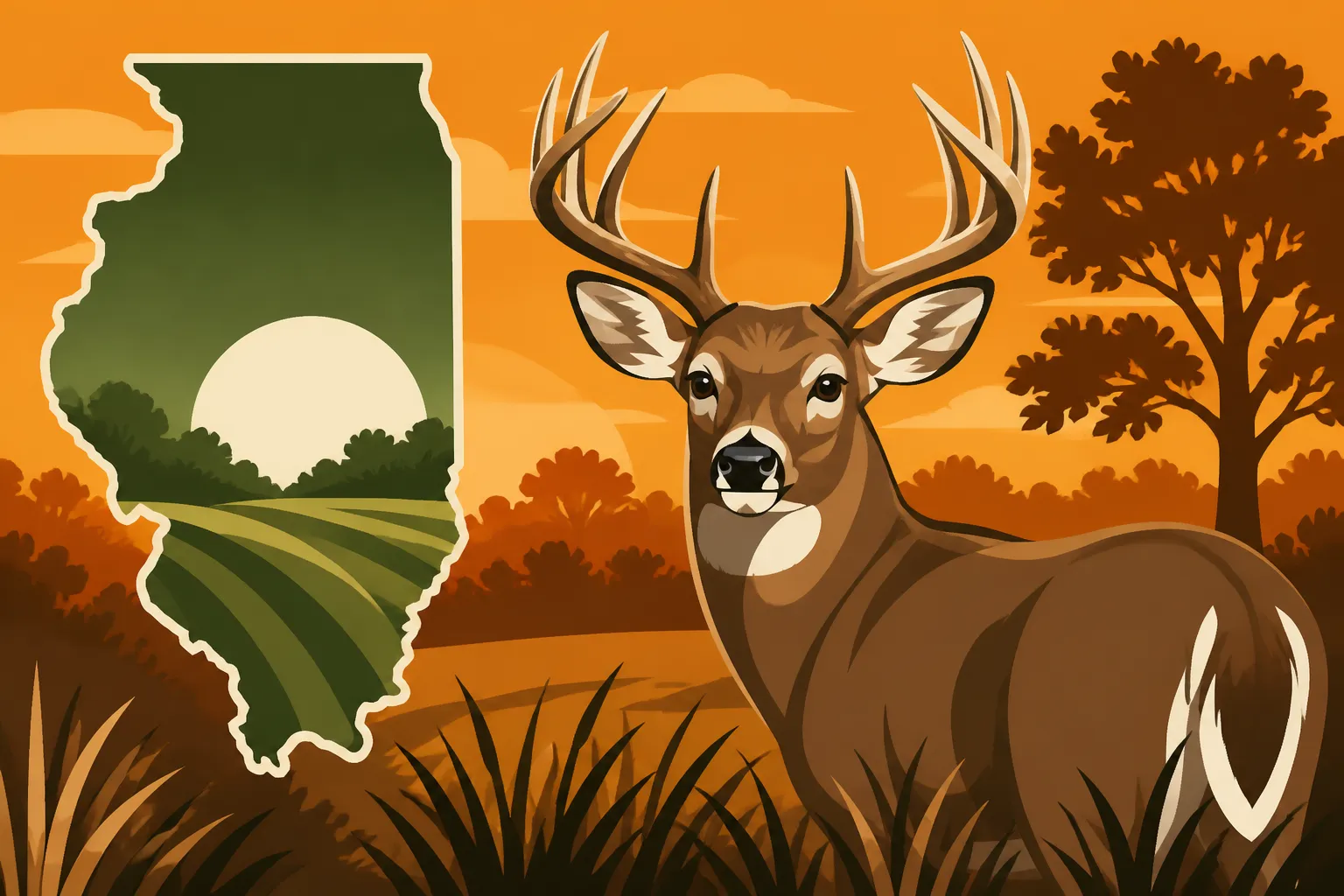
Illinois is renowned across the nation for its robust white-tailed deer population, often producing some of the largest bucks in North America. This isn't by accident; it's a testament to incredible habitat, fertile soils, and dedicated management efforts. But beyond the trophy potential, understanding the nuances of the Illinois whitetail is key to consistent success in the field.
A Legacy of Abundance
The story of deer in Illinois is one of remarkable recovery. Just over a century ago, white-tailed deer were virtually extirpated from the state due to unregulated hunting and habitat loss. Thanks to reintroduction programs and diligent conservation efforts by agencies like the Illinois Department of Natural Resources (IDNR) starting in the mid-20th century, the population has bounced back with a vengeance. Today, you'd be hard-pressed to find a county in Illinois without a healthy deer herd. This incredible comeback isn't just a historical footnote; it shapes how and where we hunt today, influencing everything from bag limits to season structures. It's a true conservation success story, giving us the amazing opportunities we now enjoy.
The sheer numbers of deer across Illinois are impressive, especially in certain regions. The combination of vast agricultural fields providing abundant food sources and timbered river bottoms or hardwood forests offering excellent cover creates a deer paradise. This high population density means more opportunities for hunters, but it also necessitates careful management to prevent overpopulation, disease spread, and agricultural damage. Understanding the state's history with deer helps us appreciate the present and plan for the future, ensuring these opportunities continue for generations of hunters. This history directly impacts aspects such as Illinois Deer Population Estimate, which guides IDNR's management strategies.
Key Characteristics and Behavior
Illinois whitetails, while sharing many traits with their cousins across the Midwest, exhibit behaviors uniquely shaped by their environment. Bucks often grow massive racks due to the protein-rich agricultural diet from corn and soybeans. Beyond antler size, hunters need to understand their daily patterns, especially how they react to pressure and changes in food availability. Early season deer might be found in standing bean fields, while late-season animals will gravitate towards cut corn or remaining mast crops like acorns. Their survival instincts are finely tuned, making them challenging but rewarding quarry.
Throughout the year, a deer's behavior is dictated by survival and reproduction. In the spring and summer, bucks focus on growing antlers and does raise fawns. Their movements are often predictable, centered around food, water, and secure bedding areas. As fall approaches, the pre-rut kicks in, and bucks become more active, rubbing trees and making scrapes, signaling the impending breeding season. Then comes the frenetic energy of the rut, typically in early to mid-November, when bucks are driven by the urge to breed, often letting their guard down. Finally, the post-rut and late season see deer conserving energy, focusing intensely on high-calorie food sources to survive the winter. Learning to read these seasonal shifts is paramount for any successful hunt.
Where the Deer Roam: Regional Differences
Illinois, while often perceived as flat farmland, is actually quite diverse geographically. This diversity directly influences deer densities, genetics, and even the hunting strategies that prove most effective. Understanding these regional differences is crucial for any hunter planning to pursue whitetails here.
Northern Farmland and Suburban Edge
The northern third of Illinois is a mosaic of sprawling agricultural fields, interspersed with woodlots, creek drainages, and rapidly expanding suburban areas. Deer in these regions face unique challenges and opportunities. While food is rarely an issue, with endless corn and soybean fields, consistent, undisturbed cover can be at a premium. This often leads to deer adapting to smaller pockets of timber, fencerows, and even residential green spaces. Hunting pressure can be high in the limited public land tracts, requiring hunters to be extra stealthy or seek private land access.
One significant factor in Northern Illinois is the prevalence of Chronic Wasting Disease (CWD). Areas like Boone, Winnebago, and McHenry counties, for instance, are within the CWD management zone. This means hunters in these regions might encounter mandatory CWD testing requirements for harvested deer and carcass movement restrictions. The IDNR works to monitor and manage the disease here, and hunters play a vital role in data collection. Deer in these areas often become nocturnal quickly due to human activity, making scouting for transition routes between bedding and feeding areas even more critical. Utilizing mapping tools like those from GoHunt can help pinpoint these smaller, overlooked pockets of cover in an otherwise open landscape.
Central Illinois Agricultural Powerhouse
Central Illinois is the heartland of the state's agriculture and, by extension, its trophy deer potential. Counties like Pike, Adams, Brown, and Schuyler have legendary reputations for producing massive whitetails. The fertile soils lead to incredibly nutritious crops, which translate directly into larger body weights and impressive antler growth. Here, deer densities are often very high, and access to vast private land holdings often means less hunting pressure on individual animals compared to some public land tracts.
The hunting culture in Central Illinois often revolves around private land management, food plots, and carefully controlled harvests. While large tracts of timber are present, especially along river systems like the Illinois River Valley, much of the deer's diet comes from the surrounding corn and soybean fields. Hunters in these areas spend significant time scouting, setting up ambush points along field edges, pinch points, and travel corridors between timber blocks. Understanding Best Illinois Counties for Big Bucks often means looking at this region and how its unique combination of genetics, nutrition, and management contributes to its reputation. The sheer scale of agriculture here means deer often have vast areas of standing crops to hide in, making them incredibly elusive until the combine headers roll through.
Southern Hills and Hardwood Forests
Venturing into Southern Illinois brings a dramatic change in landscape. The flat plains give way to rolling hills, steep ravines, and extensive tracts of mature hardwood forests, most notably within the Shawnee National Forest. Here, the deer's diet shifts more towards natural browse, mast crops like acorns and hickory nuts, and smaller agricultural plots nestled into the valleys. Deer densities can be lower than in the fertile central plains, but the challenging terrain offers a different kind of hunting experience.
Hunting the Shawnee National Forest Hunting presents both opportunities and difficulties. It's vast public land, offering extensive areas to roam, but it also demands a more physical approach. Hunters need to be prepared for rugged hikes, navigating dense timber, and understanding how deer use topography to their advantage. Water sources are often more abundant, and deer might utilize thick creek bottoms for bedding cover. Scouting here often involves hiking miles, looking for sign on ridges, saddles, and draws. While the "trophy factories" of Central Illinois get a lot of press, Southern Illinois offers a more traditional, big-woods hunting experience, and success often comes from sheer persistence and a deep understanding of how deer use the terrain.
Understanding Illinois Deer Season Structure
Illinois's deer seasons are carefully crafted to provide ample opportunity while managing the herd responsibly. It can seem a bit complex at first glance, with different weapon types, zones, and permit structures, but breaking it down makes it much easier to understand. The overall goal is to offer diverse hunting experiences and manage the deer population effectively.
Archery Season: The Long Haul
Illinois boasts one of the longest archery seasons in the country, typically running from early October all the way through mid-January, with a brief closure during the firearm deer seasons. This extended window gives bowhunters incredible flexibility and the chance to experience deer behavior across various phases, from early-season patterns to the intense rut, and finally, the challenging late season. Most resident hunters will purchase an over-the-counter archery permit, which typically allows for the harvest of one antlered deer and one antlerless deer, though specific regulations can vary by county and year. For non-residents, archery permits are available but are often allocated via a lottery system, so planning ahead is key.
During the early part of archery season, deer are still mostly on summer patterns, often hitting agricultural fields with precision. As the season progresses into late October and early November, the pre-rut kicks in, and bucks become more visible, making scrapes and rubs. This is a fantastic time for calling and ambushing bucks near historical scrape lines or travel corridors. During the peak of the rut, usually around the second week of November, bucks are actively chasing does, and anything can happen. After the firearm seasons, the late archery season can be tough, as deer are pressured and focused solely on food sources, often becoming nocturnal. Successful late-season archery hunting means identifying prime food plots, cut crop fields, or standing cover and adjusting tactics accordingly, often requiring long sits in cold weather. Hunters using crossbows will find that Illinois Crossbow Rules During Illinois Archery Season are quite accommodating, making it an accessible option for many. For a detailed look at this extended opportunity, check out Bowhunting Illinois's Long Archery Season.
Firearm Seasons: High Impact Windows
Illinois's firearm deer seasons are short, intense windows of opportunity, designed to maximize harvest in a limited timeframe. There are typically two firearm seasons: the First Firearm Season, usually a three-day weekend in mid-November, and the Second Firearm Season, another four-day stretch in early December. These seasons are incredibly popular and account for a significant portion of the state's total deer harvest. Legal weapons typically include shotguns (20 gauge or larger, firing slugs), muzzleloaders, and straight-wall cartridge rifles, which have become increasingly popular.
Hunting during firearm seasons can be a completely different ballgame than archery. With more hunters in the woods, deer quickly become pressured, often seeking the thickest cover available. Many hunters organize deer drives on private land or strategically position themselves along escape routes on public land. It's a high-stakes, fast-paced environment where quick decisions and teamwork often lead to success. Permits for firearm seasons are typically awarded via a lottery system, and non-residents face even tighter quotas. Understanding Illinois's Two Firearm Deer Seasons is essential for planning, as the dates are set annually and application periods are critical. The sheer number of hunters means safety is paramount, and wearing blaze orange or blaze pink is mandatory during these seasons.
Muzzleloader and Late-Winter Seasons
Beyond the main firearm seasons, Illinois offers additional opportunities for deer hunters, each with its own specific regulations and appeal. The Muzzleloader-Only Season, usually a few days in December, provides a chance for hunters who enjoy the challenge and tradition of black powder firearms. This season often takes place during colder weather, when deer are intensely focused on food, making it an excellent time to target specific feeding areas. Muzzleloader permits are also allocated through a lottery.
Furthermore, Illinois often implements Late-Winter Antlerless Only Deer Seasons or CWD Special Seasons in specific counties, particularly those with higher deer populations or within the Chronic Wasting Disease management zone. These seasons, typically held in late December or January, are designed to increase antlerless harvest, helping to manage herd numbers and curb the spread of CWD. These permits are often easier to obtain and are crucial for meeting population management goals. While not always glamorous, participating in these later seasons is a fantastic way to extend your time in the woods and contribute to responsible deer management. Understanding the nuances of Muzzleloader Deer Hunting in Illinois is key for those looking to embrace traditional firearms.
The Whitetail Rut: Peak Activity and Hunter Strategy
For many deer hunters, the whitetail rut is the holy grail – a magical, frenzied period when mature bucks, normally reclusive and nocturnal, throw caution to the wind in pursuit of does. In Illinois, this window of opportunity is incredibly exciting and can make or break a season. Understanding its phases and how deer behave during them is absolutely essential for maximizing your chances.
Early November Madness
The peak of the rut in Illinois typically occurs in early to mid-November, although "pre-rut" activity often starts in late October. During this period, bucks are actively seeking out does, covering vast amounts of ground and exhibiting distinct behaviors that hunters can capitalize on. You'll see more scrapes appearing along travel corridors and rub lines becoming fresh as bucks assert their dominance and prepare for breeding. This is when rattling and grunt calls can be incredibly effective, as bucks are more likely to investigate perceived rivals or estrous does. It's a time of high energy and unpredictable movement, where a mature buck might appear at any moment, sometimes even in broad daylight.
Hunters often focus on pinch points, funnels, and transition areas between bedding and feeding sites, knowing that cruising bucks will utilize these natural travel routes. Long hours in the stand are often rewarded, as deer movement can be sporadic but intense. Scouting for fresh sign – specifically active scrapes with pawed earth and overhanging licking branches, or fresh, dark rubs on trees – becomes crucial. The weather also plays a role; a sudden cold snap during this period can really get deer on their feet. If you want to understand more about this exciting period, definitely read up on Hunting the Illinois Rut in Early November.
Post-Rut Challenges and Late Season Persistence
Once the peak breeding activity subsides, typically by late November or early December, the post-rut sets in. Bucks are often exhausted, having spent weeks expending massive amounts of energy chasing does and fighting rivals. Their focus shifts dramatically from breeding to recovery. They need to replenish lost body mass and regain energy to survive the coming winter. This means their behavior becomes almost entirely centered on high-calorie food sources. Hunters need to adapt quickly to these changes.
For the late season, which typically runs through December and into January for archery and muzzleloader, finding the primary food source becomes paramount. This could be standing corn, untouched soybean fields, green winter wheat, brassicas in a food plot, or persistent mast crops. Deer will often congregate in these areas, especially during cold snaps. Bedding areas will be chosen for thermal cover and protection from the elements, often in thickets, cedar swamps, or south-facing slopes that catch the sun. Hunting these late-season deer requires patience, attention to detail, and a willingness to brave colder temperatures. It's a completely different game than the rut, but highly rewarding for those who figure out the puzzle of late-season food and cover.
Managing the Herd: CWD and Hunter Impact
Deer management in Illinois isn't just about providing hunting opportunities; it's a critical aspect of ecological health and agricultural stability. One of the most significant challenges facing Illinois's white-tailed deer population, and indeed deer herds across North America, is Chronic Wasting Disease (CWD).
Chronic Wasting Disease: The Ongoing Battle
Chronic Wasting Disease (CWD) is a progressive, fatal neurological disease affecting deer, elk, and moose. It's caused by abnormal proteins called prions and leads to severe weight loss, behavioral changes, and ultimately death. CWD has been present in Illinois since 2002, initially identified in Boone County, and has since spread to a number of northern and central counties. The IDNR has been actively monitoring and managing CWD through extensive surveillance, testing programs, and special harvest seasons aimed at reducing deer densities in affected areas.
Hunters play a crucial role in the fight against CWD. In designated CWD counties, mandatory testing of harvested deer is often required during firearm seasons, and hunters are strongly encouraged to submit samples during archery season. There are also strict regulations regarding the movement of deer carcasses out of CWD-positive counties to prevent the further spread of the disease. While there's no evidence CWD can spread to humans, it's vital for hunters to stay informed, follow all guidelines, and process deer safely. Understanding Chronic Wasting Disease in Illinois Deer is not just for IDNR; it's critical for every hunter. You can often find testing stations or drop-off sites at local check stations or through cooperating meat processors.
Hunter Contribution to Management
Beyond CWD, hunters are the primary tool for managing Illinois's deer population. Without regulated hunting, deer herds can quickly exceed the carrying capacity of the land, leading to over-browsing, increased vehicle collisions, and agricultural damage. Each deer harvested contributes vital data to the IDNR's biological models, helping them assess herd health, population trends, and the effectiveness of current management strategies.
When you harvest a deer in Illinois, you are required to report it to the IDNR, typically through an online portal or a phone system. This harvest reporting is not just a formality; it provides crucial information on the number of deer taken, their sex, and the county of harvest. This data is essential for setting future permit quotas, adjusting season lengths, and making informed decisions about herd management. By adhering to bag limits, purchasing appropriate permits (like bonus antlerless tags), and accurately reporting harvests, hunters directly support the long-term health and sustainability of Illinois's white-tailed deer resource.
Scouting and Locating Illinois Whitetails
Successful deer hunting in Illinois, regardless of your chosen weapon or season, begins long before you ever step into the woods with a tag in hand. It starts with diligent and effective scouting. Knowing where deer are, what they're eating, and how they're moving is the foundation of any successful hunting strategy.
Pre-Season Intelligence Gathering
The off-season is prime time for gathering intelligence. Before a single leaf falls, you should be out in the woods, hiking suspected bedding areas, following creek bottoms, and examining field edges. Look for old rubs and scrapes from the previous season, indicating historical buck activity. Identify natural funnels created by topography or changes in habitat, which deer will naturally use as travel corridors. Pay close attention to food sources – which mast trees are producing? Where are the preferred browse species? Are farmers planting corn or beans, and where will those fields be come fall?
Utilizing modern technology like mapping apps (such as the GoHunt app or onX Hunt) is an absolute game-changer. These tools allow you to study aerial photos, identify property lines (crucial for private land or public land borders), mark potential stand locations, and create detailed scouting maps. You can pinpoint access points, escape routes, and even plan your entry and exit strategies to minimize disturbance. Trail cameras are another invaluable tool, providing 24/7 surveillance of your hunting grounds. Set them up on active trails, scrape lines, or pinch points to monitor deer movement, identify specific bucks, and understand their patterns before the season even starts. For more detailed advice, check out Scouting Illinois Public Land Before Season.
Adapting to In-Season Movement
While pre-season scouting lays the groundwork, deer are dynamic animals, and their patterns can change rapidly once the season begins. Hunting pressure, shifting food sources, and weather conditions are constant variables that require hunters to adapt. A standing cornfield might be a deer sanctuary in October, but once it's harvested, deer will immediately shift to other food sources or thicker cover. Similarly, a sudden cold front can put deer on their feet and change their feeding times.
This means continuous scouting, even during the season, is vital. Look for fresh sign – newly worked scrapes, fresh rubs, and hot tracks in the mud or snow. Observe deer movement from a distance if possible, noting where they're entering and exiting fields, and which bedding areas they prefer given the current conditions. Don't be afraid to move your stands or blinds if your initial spots aren't producing. Being flexible and responsive to the deer's behavior, rather than sticking rigidly to a plan that isn't working, is a hallmark of a consistently successful hunter. This adaptive approach is especially important when considering the diverse habitats found while Hunting Central Illinois Farmland Deer or other varied landscapes.
Securing Hunting Access: Public and Private Land
One of the biggest hurdles for any deer hunter in Illinois, especially non-residents, is securing consistent access to quality hunting land. Illinois offers a mix of public and private opportunities, each with its own benefits and challenges.
Navigating Illinois Public Lands
Illinois does offer a significant amount of public hunting land, managed by the IDNR, the U.S. Forest Service (like the Shawnee National Forest), and various other agencies. These areas range from large tracts of timber to smaller state fish and wildlife areas, and even some state parks with managed hunting programs. The beauty of public land is its accessibility to everyone, but this often comes with increased hunting pressure, especially on opening weekends or during the firearm seasons.
To successfully hunt public land, you need to be willing to put in the work. This means extensive scouting, often hiking deep into areas others don't want to go, and being prepared to navigate changing rules and regulations specific to each site. Many state sites operate on a lottery or permit draw system for specific seasons (especially firearm or quota hunts), so understanding application deadlines is critical. The Illinois DNR website and their annual hunting digests are your best friends here. They provide maps, specific site rules, and contact information. Patience, persistence, and a willingness to explore often lead to finding overlooked gems on public ground. For more information, check out Public Hunting Land in Illinois and Shawnee National Forest Hunting.
| Illinois Public Land Type | Description | Hunting Pressure | Typical Regulations |
|---|---|---|---|
| State Fish & Wildlife Areas | Managed by IDNR, often offer diverse habitats and specific draw hunts. | Moderate to High | Site-specific rules, some lottery/permit requirements, check-in/out may be required. |
| State Parks | Limited hunting, usually managed deer reduction programs. | Moderate | Quota hunts, strict access dates, often archery-only. |
| National Forests | Large tracts, like Shawnee National Forest. | Low to Moderate | General state regulations apply, but specific zones might have nuances. |
| National Wildlife Refuges | Federally managed, specific hunting programs, often draw-based. | Moderate | Very specific rules, limited access periods, extensive application process. |
| Conservation Areas | Various sizes, often managed for multiple uses. | Variable | Check individual site for rules; can be walk-in or limited access. |
The Art of Gaining Private Land Permission
For many Illinois hunters, especially those seeking consistent opportunities for mature bucks with less pressure, private land access is the holy grail. However, getting permission to hunt private property can be challenging and requires a respectful, thoughtful approach. It's not about "asking for a spot"; it's about building a relationship with a landowner.
Start by identifying potential properties, perhaps using the GoHunt app or other mapping tools to see land ownership. Then, consider a face-to-face approach. Knock on doors (during appropriate hours, never during mealtimes or late evening) or send a polite, handwritten letter introducing yourself. Be clean, well-spoken, and respectful. Offer to help with chores around the property – fixing fences, clearing brush, or helping with harvest. Emphasize safety and your commitment to ethical hunting practices. Crucially, always follow through on your promises and be sure to thank the landowner after every hunt. Offering to share venison is often a welcome gesture. Many landowners are dealing with deer damage to crops or gardens, so presenting yourself as a solution to their problem can open doors. For more advice, definitely look into Getting Private Land Permission in Illinois. Remember, private land access is a privilege, not a right, and it should always be treated with the utmost respect.
Essential Gear for Illinois Deer Hunters
Having the right gear can make or break your Illinois deer hunt. Beyond the obvious necessities like camouflage, it's about being prepared for the conditions, understanding weapon regulations, and optimizing your chances of success.
Weapon Choices and Regulations
Illinois offers diverse weapon options for deer hunting, each with its own set of rules. For archery season, both traditional bows (recurve, longbow) and compound bows are legal, as are crossbows. There are specific draw weight and arrow length requirements, so always check the current year's regulations. Crossbows have become increasingly popular for their ease of use and longer effective range.
During firearm seasons, the regulations are a bit more specific. Shotguns (20 gauge or larger, firing a single slug) are a traditional choice. However, the rise of straight-wall cartridge rifles has revolutionized firearm hunting in Illinois. Calibers like .450 Bushmaster, .350 Legend, .44 Magnum, and .45-70 Gov't are popular, offering increased accuracy and range compared to slugs. Muzzleloaders, typically .45 caliber or larger, are also legal during all firearm seasons and the dedicated muzzleloader season. Always ensure your chosen firearm and ammunition comply with the current Illinois Legal Firearms for Deer Hunting. No matter your choice, proficiency with your weapon through regular practice at the range is paramount for an ethical harvest.
Optics, Scent Control, and Comfort
Beyond your weapon, several other pieces of gear are crucial for an effective Illinois deer hunt. Quality optics are a non-negotiable. A good pair of binoculars (10×42 is a common choice) allows you to scan distant field edges, identify deer in dense cover, and assess antler size without moving or spooking animals. A rangefinder is equally important for ethical shots, especially when hunting with a bow or a straight-wall rifle where range estimation is critical.
Scent control is another key factor, particularly for bowhunters. Deer have an incredible sense of smell, and any unnatural odor can alert them to your presence. This includes using scent-free soaps, detergents, sprays, and storing your hunting clothes in airtight containers. Many hunters also incorporate ozone generators or carbon-lined clothing into their regimen. Finally, comfort and safety in the stand are paramount. A comfortable treestand or ground blind that allows for long, quiet sits is essential. Always use a full-body harness when in a treestand, regardless of height, because safety should never be compromised. Layered clothing is also key for adapting to Illinois's unpredictable weather, keeping you warm and focused throughout your hunt.
Common Challenges and Solutions for Illinois Deer Hunters
Even with abundant deer and excellent habitat, hunting in Illinois isn't without its challenges. Understanding these common hurdles and having strategies to overcome them can significantly increase your chances of success.
Dealing with Hunting Pressure
Illinois is a popular hunting state, and public lands, in particular, can see significant pressure, especially during opening weekends and the firearm seasons. This pressure makes deer wary, often pushing them into thicker cover or causing them to move primarily at night. It can be incredibly frustrating to sit in a stand all day and see nothing, feeling like other hunters have scared all the deer away.
The solution involves a multi-pronged approach. First, be willing to walk further than most. Deer will often seek refuge in areas that require more effort to reach. Study maps on apps like GoHunt to identify hard-to-access pockets, deep timber, or areas surrounded by water or rough terrain. Second, consider hunting during weekdays or less popular seasons, such as the late archery or muzzleloader seasons when pressure tends to drop. Third, focus on overlooked transition areas. Instead of hunting a popular food plot, find the thickest, nastiest cover between that plot and a known bedding area, and ambush deer moving between the two at dawn or dusk. Finally, hunt smart with the wind; deer will use human scent as a predictor of danger, so staying downwind is critical to not alerting them to your presence, even if others are in the area. Finding Ground Others Walk Past is a skill developed over seasons of effort.
Weather Variability and Adaptability
Illinois weather is notoriously fickle. You can start the archery season in October with 80-degree temperatures and end the late season in January with sub-zero wind chills and heavy snow. This extreme variability means hunters need to be highly adaptable and prepared for anything Mother Nature throws their way. Hunting after a Cold Front can be incredibly productive, but it requires appropriate gear.
During the early archery season, heat and humidity can be a major factor. Focus on morning and late-evening hunts, and choose stand locations near water sources or in shaded, cooler spots. Hydration is key. As temperatures drop in late fall, layering becomes crucial. Start with a moisture-wicking base layer, add insulating layers like fleece or down, and top it with a waterproof and windproof outer shell. Hand warmers and insulated boots can be lifesavers during prolonged sits in freezing conditions. Snow can be a blessing and a curse; it makes tracking easier and can push deer to specific food sources, but it also means colder temperatures and reduced visibility. Always check the forecast before heading out, pack accordingly, and don't be afraid to adjust your hunting times or locations based on current conditions. Staying comfortable is essential for staying alert and focused for that critical moment.
Disclaimer
Please note that hunting regulations, season dates, and permit requirements are subject to change annually. Always consult the most current Illinois Department of Natural Resources (IDNR) hunting regulations and official publications before planning any hunt. This guide is for informational purposes only and should not be considered a substitute for official IDNR resources. Hunters are responsible for knowing and adhering to all applicable laws and regulations.