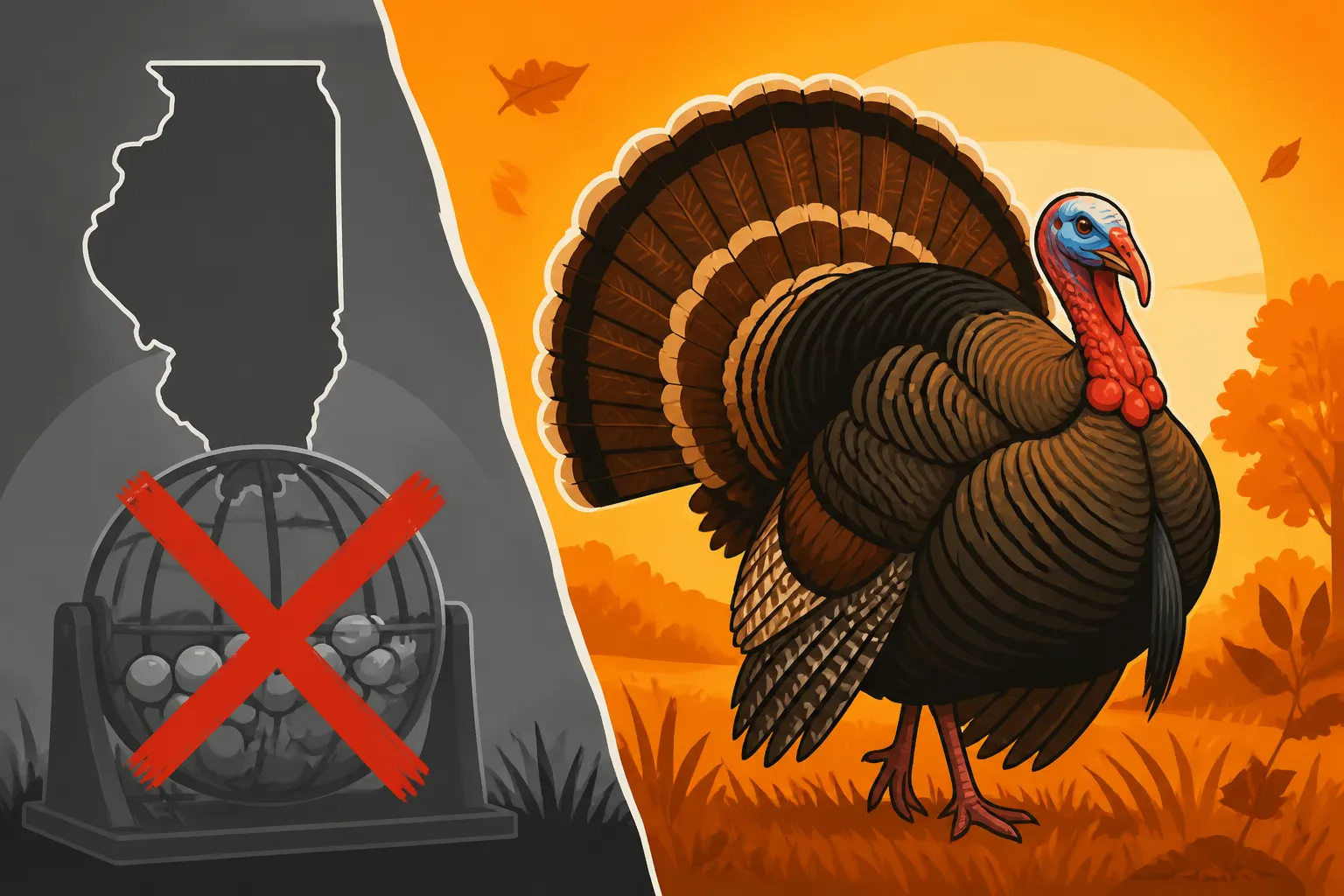
Why Illinois Fall Turkey Skips the Lottery
If you're an Illinois hunter, you're probably all too familiar with the anticipation—and sometimes frustration—that comes with state permit lotteries. Waiting to see if you drew that coveted firearm deer tag or a prime spring turkey period can really mess with your season planning. It's a necessary evil for managing demand on popular species and seasons, but it often feels like you're rolling the dice. So, when you look at the Illinois fall turkey season, it might come as a pleasant surprise to discover there's no lottery system at all. You just walk in and buy your permit. But why the difference? This guide will dive deep into the specific reasons Illinois manages its fall turkey season this way and how this straightforward approach can greatly benefit your hunting strategy, making it easier to secure your tags and get out into the timber.
The Rationale Behind Illinois's Over-the-Counter Fall Turkey Permits
The decision to offer fall turkey permits over-the-counter (OTC) isn't arbitrary; it's rooted in the historical success of turkey restoration, fundamental differences in turkey behavior, and the Illinois Department of Natural Resources (IDNR) management philosophy for the species. Understanding these factors helps paint a clearer picture of why this season stands apart from others.
Historical Context and Population Management
Decades ago, wild turkeys were practically non-existent in Illinois. Thanks to intensive restoration efforts, including trap-and-transfer programs, the wild turkey population has seen an incredible rebound across the state. They've not only recovered but thrived, establishing robust populations in nearly every county. This success story means that while spring turkey hunting remains incredibly popular, the overall population can generally sustain a more generous harvest during the fall season without jeopardizing future breeding stock.
The IDNR's primary goal for fall turkey season often shifts slightly from the spring. In spring, the focus is more on harvesting gobblers, which typically have less impact on the overall population's reproductive potential. The spring lottery for permits in specific zones and time periods is a tool to manage hunter density and harvest pressure during this peak breeding period. However, in the fall, hunting is allowed for both hens and gobblers, but the hunting success rates are generally lower, and the biological impact on the overall population is less acute. The population is strong enough that limiting hunter access through a lottery isn't deemed necessary for sustainable management. Instead, the focus is on providing ample opportunity for hunters to participate. You can read more about Illinois Turkey Population Trends to understand the recovery better.
Behavioral Differences Between Spring and Fall Turkeys
The core reason for the "no lottery" rule in fall largely boils down to how turkeys behave and how they are typically hunted during different times of the year. This significantly impacts hunter success rates and, subsequently, the demand for permits.
During the spring, turkeys are in their breeding cycle. Gobblers are highly vocal, strutting, and actively seeking hens. This behavior makes them relatively easier to locate by sound and often more responsive to calling. Hunters can pinpoint a gobbler on the roost or hear one sounding off from a ridge away, then set up and try to call him in. This combination of vocal birds and a strong breeding drive leads to higher success rates and, consequently, higher hunter interest and pressure. When more hunters want to chase a limited number of "easy" gobblers, a lottery becomes a necessary tool to distribute permits fairly and manage the harvest.
Contrast this with the fall season. By autumn, the breeding season is long over. Turkeys have transitioned from small breeding groups to larger, often mixed-sex flocks. These flocks spend their days foraging for acorns, waste grain, and other food sources to build up reserves for winter. They are far less vocal than in spring, with gobbling being a rare occurrence. This means hunters can't just listen for a gobble to find birds. Instead, fall tactics revolve around locating flocks visually, identifying their travel and feeding patterns, and then often "breaking up" a flock and calling individual birds back in with kee-kee runs, clucks, and purrs, mimicking lost birds. This method is generally more challenging and requires different skill sets, leading to lower overall hunter success rates compared to spring. Because fewer hunters are successful, the IDNR can afford to offer permits over-the-counter without fear of overharvest or overcrowding.
Navigating the Fall Turkey Permit Acquisition Process
The absence of a lottery streamlines the process of getting your fall turkey permit, removing a significant hurdle that many hunters dread. This straightforward approach is a welcome change for those accustomed to complex application windows and draw odds.
The Ease of Over-the-Counter Purchases
For Illinois fall turkey season, the term "over-the-counter" truly means just that. There are no application periods, no deadlines to remember months in advance, and certainly no agonizing wait for lottery results. As long as permits are available (which they almost always are, given the lack of quotas), you can purchase one right up until the season closes. This offers unparalleled flexibility, allowing you to decide to hunt based on weather forecasts, last-minute time off, or recent scouting intel.
You can purchase your Illinois Fall Turkey permit in a few convenient ways. The most common method for many hunters is online, directly through the IDNR's license and permit sales system. This digital storefront allows you to buy your permit from the comfort of your home, print it out, or even carry an electronic copy on your phone as proof of purchase. Alternatively, permits are also available at hundreds of authorized license vendors located throughout the state, including many sporting goods stores, bait shops, and even some general merchandise retailers. These vendors are typically equipped to issue your permit on the spot. While a platform like GoHunt is excellent for mapping and scouting, when it comes to the actual purchase of an Illinois fall turkey permit, you'll be directed to the official IDNR channels. This simplicity stands in stark contrast to the often nerve-wracking process of applying for Illinois Resident Deer Permit Options or a coveted spring turkey tag.
Permit Types and Zone Specifics
While the permit acquisition process is simple, it's still important to understand the specifics of the permits themselves, especially regarding resident versus non-resident status and the application of turkey zones.
For residents, securing a fall turkey permit is very straightforward. You purchase a permit valid for a specific turkey hunting zone, and you're good to go. Each hunter is typically allowed to purchase one fall shotgun/archery permit and one fall archery-only permit, giving you options depending on your preferred hunting method and how much time you want to spend afield. Non-residents also have access to over-the-counter fall turkey permits, making Illinois an attractive destination for hunters from neighboring states looking for a less restrictive turkey hunting experience compared to the often-limited non-resident opportunities in the spring. Just remember to check the current year's regulations for any specific non-resident requirements or limitations, as these can sometimes change.
Illinois is divided into different turkey hunting zones, primarily for spring season management, but these zones also dictate where your fall permit is valid. When you purchase your permit, you'll select the zone you intend to hunt. Unlike the spring season, where certain zones might be heavily pressured or have specific quotas, fall permits are generally available for all open zones without a specific draw. This means you can pick the zone that best suits your scouting efforts or geographical convenience without worrying about lottery odds. Always consult the official Illinois Fall Turkey Season Rules for the most up-to-date information on zones and bag limits.
Tactical Advantages and Considerations for Fall Turkey Hunters
The over-the-counter nature of Illinois fall turkey permits offers several strategic advantages, giving hunters more freedom and flexibility in their planning and execution. However, it also demands a different set of hunting skills and a keen understanding of fall turkey behavior.
Flexibility in Planning and Opportunity
One of the biggest boons of an OTC permit system is the sheer flexibility it offers. You're not beholden to arbitrary application deadlines that force you to commit to a specific hunting period months in advance, long before you know what the weather will be like or how the turkey populations are faring in your chosen area. This flexibility allows you to make decisions closer to the season, reacting to real-time information.
For instance, you can scout right up to the opening day, identify strong food sources like heavy acorn drops, and then purchase your permit for that specific zone. If early season reports indicate low turkey activity or unseasonably warm weather, you can hold off on buying a permit until conditions improve later in the season. This "wait and see" approach is simply not possible with a lottery system. It also means you can potentially hunt multiple times or in multiple zones throughout the fall season, as long as you secure the appropriate permits and abide by the Illinois Turkey Hunting Hours. This creates incredible opportunities for hunters who might have limited vacation time or want to introduce new hunters to the sport without the added stress of permit draws. It's a fantastic entry point for those looking to experience turkey hunting without the high barriers to entry often found in other seasons.
Adapting Hunting Strategies for Fall Birds
While the permit process is easier, hunting fall turkeys requires a significant shift in strategy compared to the spring. Forget those loud gobbler yelps and strutting decoys; fall hunting is a more subtle, often more physically demanding, affair.
The most common and effective fall turkey tactic is the "flock break." This involves locating a flock, then aggressively running at them to scatter the birds in all directions. Once the flock has dispersed, you immediately set up and begin calling. The goal is to mimic the sounds of lost birds—gentle clucks, soft purrs, and especially the distinctive "kee-kee run" of young birds trying to regroup. These calls tap into the turkeys' strong social instinct to reassemble after being scattered. Patience is key, as it can take a long time for birds to feel secure enough to start calling back and making their way to your position. This method works well because fall turkeys are highly social and want to get back together.
Beyond the flock break, understanding fall food sources is paramount. Turkeys will heavily pattern areas with abundant acorns, particularly white oak acorns, which are a preferred food. They also feed on waste grain in harvested crop fields (corn and soybeans), as well as various soft mast like wild grapes or dogwood berries. Scouting involves looking for scratching in the leaves, droppings, and dusting bowls near these food sources. Instead of listening for gobblers, you're looking for physical sign and visual confirmation of flocks. Using a mapping platform like GoHunt can be incredibly helpful here, allowing you to mark roost trees, feeding areas, and travel corridors, helping you pattern the birds throughout the season. Remember that you'll need to develop different skills than what you might apply when Hunting the Rut in Early November for deer or Roost Hunting Illinois Gobblers in the spring.
Making the Most of Illinois's Generous Fall Turkey Season
With an easily accessible permit and a season that offers unique challenges and rewards, Illinois fall turkey hunting presents a fantastic opportunity for hunters of all experience levels. To truly maximize your chances, a deep understanding of key turkey behaviors and the right gear is essential.
Key Behaviors and Habitat for Fall Success
In the fall, turkeys prioritize two things: food and security. Understanding how these factors influence their daily patterns is critical for success. Turkeys move in larger, often extended family groups. Hens with their poults will often merge with other hen groups, and adult gobblers will form bachelor groups. These larger flocks can range from a dozen birds to fifty or more, especially later in the season. Locating these flocks is the first step, and it often involves extensive walking and glassing.
Ideal fall turkey habitat in Illinois typically involves a mix of mature hardwood timber for roosting and foraging, coupled with agricultural fields for waste grain. Ridge tops and creek bottoms can serve as natural travel corridors, and dense cover provides security for loafing during the midday hours. Areas with good mast crops, like the oak forests in Southern Illinois, or regions with abundant agricultural lands in Central Illinois, can be hotspots. Turkeys will often roost in tall trees along creek beds or on ridge lines, then fly down at first light to feed, spending most of the day scratching for acorns or gleaning fields.
Paying attention to fresh sign—tracks in the mud, fresh droppings, and heavy scratching in the leaf litter—can tell you where turkeys have been recently and help predict where they might be headed. Sometimes, simply sitting quietly and observing a likely feeding area, especially in the afternoon, can reveal a flock's patterns. For more localized tactics, you might find insights in guides like Hunting Illinois River Bottom Funnels which can apply to turkey movement as well as deer.
Essential Gear and Scouting Tools
While fall turkey hunting doesn't require an arsenal of specialized gadgets, having the right gear can significantly improve your experience and success.
Camouflage: Full concealment is always important, but arguably even more so in fall. Turkeys are constantly on alert for predators, and their flocking behavior means there are many eyes to spot movement. Earth-tone camouflage patterns that blend with the autumn woods are ideal. A good face mask and gloves are also crucial.
Calls: Your spring gobble call can stay at home. For fall, focus on calls that mimic hen and young turkey sounds. A slate call or box call can produce excellent clucks, purrs, and yelps. Diaphragm calls are invaluable for executing soft kee-kees and kee-kee runs, allowing for hands-free calling when birds are close. Understanding the nuances of fall calling is a game-changer; it’s a lot different from Rattling Volume in Thick Cover for deer.
Optics: Binoculars are indispensable for spotting flocks at a distance, especially when glassing open fields or distant timber edges. Fall leaves can make visual identification challenging, so good optics help confirm if that dark blob is a flock of turkeys or just shadows.
Mapping Apps: Modern mapping applications like GoHunt are a fall turkey hunter's best friend. They allow you to pinpoint public land boundaries, identify potential food sources (like oak stands or agricultural fields), mark roosting areas, and track your movements. Many apps also offer satellite imagery that can reveal subtle terrain features, like saddles or creek crossings, that turkeys might use. Being able to drop pins for sightings or sign helps build a comprehensive picture of turkey movements over time. This kind of detailed scouting is invaluable when Scouting Illinois Public Land Before Season.
Comfortable Footwear: You'll likely be covering more ground in the fall than in the spring, so comfortable, waterproof hiking boots are a must. Whether you're breaking flocks or simply walking logging roads looking for sign, good footwear will keep you in the game longer.
By combining the freedom of over-the-counter permits with strategic fall hunting techniques and the right gear, you'll be well-equipped to enjoy a rewarding Illinois fall turkey season.
| Feature | Illinois Spring Turkey Permit | Illinois Fall Turkey Permit |
|---|---|---|
| Acquisition Method | Lottery application, specific draw periods | Over-the-counter (OTC) |
| Availability | Limited per zone/period, subject to draw odds | Generally unlimited, available throughout the season |
| Application Deadlines | Strict, typically months in advance of the season | None, buy anytime before or during the season |
| Permit Cost | Varies (Resident/Non-Resident, often higher for NR) | Varies (Resident/Non-Resident, often more accessible for NR) |
| Hunter Success Rate | Generally higher, due to vocal, breeding birds | Generally lower, due to flocking, less vocal birds |
| Primary Tactics | Locating gobblers by sound, calling to breeding males | Locating flocks visually, flock breaking, calling lost birds |
| Flexibility | Low, rigid adherence to draw periods and zone assignments | High, allows for spontaneous hunts and adaptable planning |
| Target Species | Primarily gobblers (bearded birds) | Either sex (gobblers or hens) |
Disclaimer
Hunting is an inherently dangerous activity. Always prioritize safety, follow all local, state, and federal regulations, and be aware of your surroundings. The information provided here is for informational purposes only and should not replace official regulations or professional guidance. Consult the Illinois Department of Natural Resources (IDNR) for the most current rules and season dates.