What Ending Sharpshooting Means for Hunters
For years, hunters in Illinois have witnessed various strategies deployed to combat Chronic Wasting Disease (CWD), a neurological illness that's slowly, inexorably, affecting our wild deer herd. Among the most controversial methods was sharpshooting, a professional culling program designed to rapidly reduce deer populations in CWD-affected areas. Now, with the official end of this program, many hunters are left wondering: what does this change actually mean for us, our hunting seasons, and the long-term health of Illinois's deer? This guide aims to demystify the shift, explaining the implications for your hunting opportunities and responsibilities in a CWD-managed landscape.
The End of an Era: Sharpshooting's Role in CWD Management
For over two decades, the Illinois Department of Natural Resources (IDNR) employed various tactics to try and slow the spread of CWD. Among these, professional sharpshooting stood out as the most direct and, arguably, most contentious. Understanding its history and why it was discontinued is crucial to grasping the current management philosophy.
What Sharpshooting Was and Why It Was Used
Sharpshooting involved deploying highly trained professionals to specific CWD hot zones, typically during off-season or nighttime hours. These teams would utilize bait, often corn, and thermal imaging or night vision equipment to efficiently cull deer. The primary goal was to quickly reduce deer density in localized areas where CWD prevalence was high or had just been detected. The idea was that by drastically lowering the deer population, you'd reduce deer-to-deer contact, which is the main way CWD prions are transmitted.
This approach was initially implemented in the early 2000s, shortly after CWD was first detected in Illinois in Boone County. The scientific rationale was rooted in epidemiological studies that suggested a direct correlation between deer density and disease transmission rates. By removing a large number of animals quickly, especially those that might be carrying the disease, the hope was to create a buffer or a localized reduction in prevalence, preventing its wider spread. It was a tool of rapid response, meant to be surgical and impactful, particularly in urban-interface areas or places where traditional hunter harvest might be insufficient to meet management goals.
The Controversies and Criticisms
Despite its scientific backing, the sharpshooting program faced significant public scrutiny and internal debate. One of the main points of contention was the ethical implication of professional culling outside of traditional hunting seasons. Many hunters felt that it usurped their role in wildlife management and went against the ethos of fair chase. Animal rights groups also voiced strong opposition.
Beyond ethics, questions arose regarding its long-term effectiveness and cost. Sharpshooting operations were expensive, requiring specialized personnel, equipment, and extensive planning. Some critics argued that while it might reduce deer numbers locally in the short term, it didn't fundamentally alter the landscape-level spread of CWD, which is an incredibly persistent disease. There were also concerns about public perception and how the sight of professional culling teams, even if operating discreetly, might negatively impact the public's view of wildlife management. The debate intensified as CWD continued its slow southward march, despite sharpshooting efforts, prompting the IDNR to re-evaluate its strategy and eventually lead to the discontinuation of targeted culling by state personnel.
New Strategies for CWD Control: A Hunter-Centric Approach
With the end of sharpshooting, the IDNR is placing a greater emphasis on hunter participation and expanded hunting opportunities as the cornerstone of CWD management. This shift means more responsibility – and potentially more opportunity – for you, the hunter.
Shifting Focus to Hunter Harvest
The discontinuation of sharpshooting doesn't mean the IDNR is throwing in the towel on CWD. Instead, it signals a strategic pivot, doubling down on the most effective and widely accepted method of deer population control: hunter harvest. Illinois is now relying more heavily on licensed hunters to manage deer populations, especially in affected areas. This often translates to increased opportunities for hunters in CWD counties.
We're seeing things like expanded hunting periods, earlier opening dates, and more readily available permits. For instance, the IDNR has introduced Illinois Chronic Wasting Disease Special Season opportunities and Illinois Special CWD County Bonus Permits that allow hunters to take additional antlerless deer. These permits are crucial because adult does are the primary reproductive engine of the herd. Removing more does in CWD zones helps reduce overall deer density and, by extension, the potential for disease transmission. It's a pragmatic approach that empowers hunters, acknowledges their vital role in conservation, and aims to achieve population reduction goals through traditional sporting methods rather than professional culling. Keep an eye on the IDNR's annual hunting summaries and county-specific regulations, which often detail these expanded harvest opportunities.
The Importance of Mandatory Testing and Carcass Restrictions
Perhaps the most critical component of the new hunter-centric CWD strategy is the continued emphasis on mandatory CWD testing and carcass movement restrictions. As hunters, our cooperation here is absolutely vital. In designated CWD counties, often located in northern and parts of central Illinois, it's mandatory to submit your harvested deer for testing. This isn't just a formality; it's how the IDNR tracks the prevalence and spread of the disease. Every sample provides crucial data points that inform future management decisions.
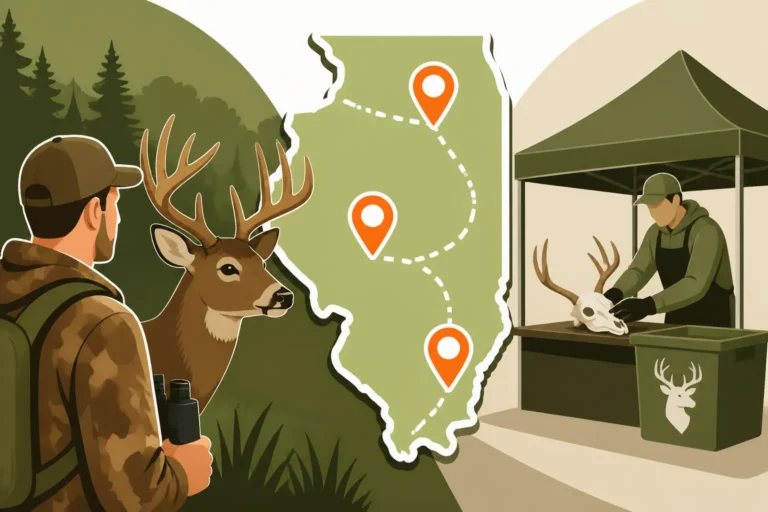
You'll find various CWD sampling locations, often staffed during firearm seasons, or self-serve drop-off points. Information on finding an Illinois CWD Sampling Location is readily available on the IDNR website and through the Scouting With the Illinois DNR App. It's your responsibility to know if you're hunting in a CWD county and to comply with these testing requirements.
Furthermore, Illinois Carcass Movement Restrictions are strictly enforced. These rules are in place to prevent hunters from inadvertently moving CWD-infected carcasses from an infected county to a CWD-free county, which could introduce the disease to new areas. Generally, this means only certain parts of the deer—deboned meat, antlers, hides, and cleaned skull plates—can be transported out of a CWD management area. The backbone, brain, and other lymphatic tissues, which hold the highest concentration of CWD prions, must remain within the infected zone. These regulations are sometimes frustrating, especially after a successful hunt, but they are a non-negotiable part of responsible hunting in a CWD landscape. Tools like GoHunt can be invaluable here, offering up-to-date mapping and regulation details that keep you informed on the go.
How Hunters Are Impacted on the Ground
This shift in strategy directly affects every hunter who pursues deer in Illinois, especially those in or near the CWD management zones. It brings both new opportunities and a set of unique challenges that require adaptation.
Opportunities and Challenges for Deer Hunters
On the opportunity side, hunters in CWD management zones may find more liberal tag allocations and extended seasons. If your goal is simply to put venison in the freezer, these changes can be a boon, allowing for more time afield and a higher potential harvest. For instance, the IDNR often provides additional antlerless permits that can be used during various seasons, including late-season opportunities when deer might be concentrating on Late-Season Food Sources for Illinois Whitetails. This means more chances to harvest deer and contribute directly to the state's management goals.
However, there are undeniable challenges. In areas where CWD prevalence is high, you might experience lower deer densities. This isn't always the case, as CWD often exists in pockets, but sustained high mortality rates from the disease combined with increased harvest can reduce local populations. This could make hunting more difficult, requiring more effort and strategic thinking. There's also the mental aspect: the concern about CWD itself. While scientific consensus suggests the risk to humans is low, many hunters grapple with the thought of consuming meat from an infected animal. This makes the mandatory testing program even more important, as it provides peace of mind or, if positive, guides proper carcass disposal. Understanding How Many Deer Have Tested CWD-Positive in Illinois over the years can help hunters contextualize the disease's spread.
Adapting Your Hunting Strategy
Adapting your hunting strategy in CWD zones is paramount. First and foremost, prioritize antlerless harvest. The goal of CWD management is to reduce overall deer numbers, and removing does is the most effective way to do this. Consider purchasing those additional CWD bonus permits if you hunt in an affected county.
Secondly, rigorous scouting becomes even more critical. You'll need to pay close attention to deer sign, understand their movement patterns, and identify areas of high activity. Tools like GoHunt can assist with aerial imagery and property boundary information, helping you pinpoint potential hotspots. Focus on pressure points, funnels, and prime feeding or bedding areas. Reading Illinois Mud for Fresh Deer Movement can provide clues, as can analyzing other deer sign. Be prepared for longer sits and perhaps more difficult hunts if deer densities are indeed lower.
Another important aspect is understanding the local regulations for the specific county you're hunting. CWD regulations can vary slightly by county, so always double-check the IDNR's current guide. This includes knowing your Illinois Deer Reporting Deadline and where to find the nearest CWD sampling station. When Field Dressing a Deer in Cold Weather, remember the carcass movement restrictions; plan your field dressing location and disposal of high-risk parts carefully.
Here's a quick comparison of the situation for hunters:
| Feature | Before Sharpshooting End (in CWD Zones) | After Sharpshooting End (in CWD Zones) |
|---|---|---|
| Primary Population Control | Sharpshooting + Hunter Harvest | Primarily Hunter Harvest |
| Antlerless Harvest | Encouraged, but professional culling also contributed | Highly encouraged, cornerstone of management |
| Permit Availability | Standard, with some special CWD permits | Potentially increased availability for antlerless/bonus permits |
| Deer Density | Sharpshooting aimed for rapid reduction in hot spots | Hunter harvest dictates local densities over time |
| Mandatory Testing | Required in CWD zones, crucial for data | Still required, even more critical as main data source |
| Carcass Restrictions | Enforced to prevent CWD spread | Still strictly enforced |
| Hunter Role | Important, but supplemented by professional culling | Essential, direct participant in management |
| Opportunity | Good, but some felt culling reduced their opportunity | Expanded potential for tags and season length |
The Future of CWD Management and Your Role
Chronic Wasting Disease is not going away anytime soon. It's a persistent, complex challenge that will require ongoing vigilance and adaptive management strategies. As a hunter in Illinois, your role in this fight has never been more vital.
Long-Term Outlook for CWD in Illinois
The reality is that CWD is now an established part of Illinois's wildlife landscape. While the IDNR continues its research and monitoring, the goal has shifted from eradication, which is largely considered impossible, to containment and management. This means slowing its spread, keeping prevalence rates manageable, and minimizing its impact on the overall Illinois Deer Herd Size and health. Scientists and biologists are constantly learning more about the disease, including its environmental persistence and varied impacts on deer populations.
The long-term outlook involves a continuous partnership between wildlife agencies and hunters. Hunter harvest will remain the primary tool for population control, complemented by strict regulations on carcass movement and mandatory testing to monitor the disease. The success of this strategy hinges on widespread hunter cooperation and adherence to regulations. It's a marathon, not a sprint, and requires sustained effort from everyone who cares about Illinois's deer.
Being a Responsible Hunter in a CWD Landscape
Being a responsible hunter in a CWD-affected state like Illinois means more than just following the law; it means actively participating in the management effort. Here’s what that looks like:
- Stay Informed: Regularly check the IDNR website for the latest CWD updates, county classifications, and regulation changes. Information is power, and knowing the current situation for your hunting area is essential.
- Comply with Testing: If you harvest a deer in a CWD county, submit it for testing. Period. This data is invaluable.
- Follow Carcass Restrictions: Understand and strictly adhere to the rules about moving deer carcasses out of CWD zones. This is one of the most effective ways to prevent the disease from spreading to new areas.
- Prioritize Antlerless Harvest: Especially in CWD zones, consider taking does to help reduce population density, a key factor in CWD transmission.
- Report Sick Deer: If you see a deer exhibiting symptoms consistent with CWD (emaciation, drooling, neurological issues), report it to the IDNR. Do not attempt to harvest it or consume its meat.
- Support Research: Be open to new research findings and adaptive management strategies as scientists learn more about CWD.
By embracing these responsibilities, you're not just hunting; you're actively contributing to the health and future of Illinois's wild deer herd. Websites like GoHunt provide excellent resources to help hunters stay compliant and informed, from interactive maps to regulation summaries, helping you navigate the complexities of hunting in a CWD landscape. Your commitment to ethical and informed hunting truly makes a difference.
Disclaimer
The information provided in this guide is for general informational purposes only and does not constitute legal advice or an exhaustive list of all Illinois hunting regulations. Hunters are responsible for knowing and adhering to all current Illinois Department of Natural Resources (IDNR) laws, regulations, and permit requirements before hunting. Always consult the official IDNR website and current hunting digests for the most up-to-date and specific information.