Illinois Special CWD County Bonus Permits
It can be incredibly frustrating when you're trying to manage deer populations effectively, especially in areas where Chronic Wasting Disease (CWD) is a real and pressing concern. Many hunters want to do their part but might feel overwhelmed by the shifting regulations and the different permit types available. This guide is designed to cut through that confusion, explaining everything you need to know about Illinois's Special CWD County Bonus Permits, how they work, and why they're so crucial for our state's deer herd.
Understanding Chronic Wasting Disease in Illinois
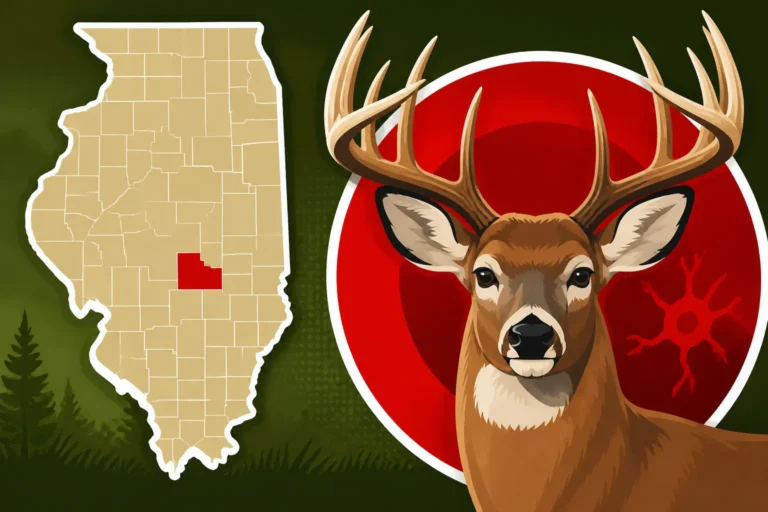
Chronic Wasting Disease, or CWD, is a neurological disease that affects deer, elk, and moose. It's always fatal, and there's no known cure or vaccine. Here in Illinois, CWD has been a serious topic for wildlife biologists and hunters for decades, initially identified in our northern counties in 2002. This disease slowly degrades the brain of infected animals, leading to emaciation, abnormal behavior, and ultimately, death. It's spread through direct contact between animals, and also indirectly through contaminated environments, such as soil where infected deer have been.
The IDNR has been working tirelessly to monitor and manage CWD spread, and for good reason. Left unchecked, CWD can decimate deer populations, making hunting less fruitful and impacting the overall health of our state's treasured wildlife. Hunters are on the front lines, and understanding this disease is the first step in being an effective partner in management. If you're looking for more background, our guide on Illinois's Chronic Wasting Disease Zone delves deeper into the history and geographical spread.
The Impact of CWD on Deer Populations
When CWD takes hold in an area, the effects can be devastating. We're talking about more than just individual deer getting sick; it can alter the age structure, sex ratios, and overall density of a herd. Fawns might have lower survival rates if their mothers are infected, and mature bucks, often the most sought-after by hunters, are frequently found to have higher infection rates. This isn't just about deer numbers; it's about the long-term health and resilience of the entire ecosystem. The IDNR’s concern isn't just about preserving hunting opportunities, but about maintaining healthy wildlife populations for future generations.
From a hunter's perspective, this means potentially seeing fewer deer, especially older animals, and knowing that the deer you do harvest could be carrying a serious disease. This concern alone highlights why programs like the CWD bonus permits are so important – they're a proactive measure to try and mitigate these devastating impacts before they become irreversible.
Why CWD is a Hunter's Concern
Beyond the ethical considerations of diseased animals, CWD directly affects hunters. First and foremost, there are safety concerns, though current scientific consensus suggests minimal risk to humans, it’s always recommended to exercise caution, especially when handling or consuming meat from CWD-positive animals. The biggest impact, however, is on the quality of hunting. High prevalence of CWD can lead to reduced deer densities, especially of older, healthier animals, impacting trophy potential and overall hunting success.
Moreover, hunters often face stricter regulations, such as carcass movement restrictions or mandatory testing requirements in CWD counties, which can add complexity to their hunting plans. Our article on Illinois Carcass Movement Restrictions details these rules. It’s a collective effort, and hunters complying with these measures are crucial to the broader fight against CWD. This is where programs like the CWD bonus permits come in; they offer a way for hunters to contribute directly to disease management while still enjoying their passion.
The Purpose Behind CWD Bonus Permits
The Illinois Department of Natural Resources (IDNR) didn't create the CWD bonus permit system on a whim. These permits are a targeted response to a very specific and challenging problem: how to effectively manage deer populations in areas where CWD is present and spreading. The science tells us that reducing deer density, particularly in localized hotspots, can help slow the transmission rate of the disease. It's a difficult but necessary strategy to protect the overall health of Illinois’s deer herd. These permits are a tool, giving hunters additional opportunities to harvest deer, thereby contributing to the biological goal of CWD management.
Imagine an outbreak in a densely populated suburban area where traditional hunting methods are limited. CWD bonus permits can be designed to allow more focused harvesting in these specific zones, complementing broader strategies. The goal isn't just to kill deer, but to remove specific animals from the population that might be contributing to disease spread, particularly antlerless deer which are key to population growth.
How These Permits Aid in Disease Management
The primary aim of CWD bonus permits is to increase the harvest of deer, especially antlerless deer, within designated CWD counties. Why antlerless? Because does are the primary drivers of population growth. By increasing the doe harvest, especially in areas with high CWD prevalence, the IDNR can achieve two critical objectives: reduce overall deer density and, in theory, reduce the chances of CWD transmission. It's a targeted approach that leverages the passion and efforts of hunters for a crucial conservation outcome.
This strategy is particularly important because CWD is a "density-dependent" disease to a certain extent. The more deer there are packed into an area, the more opportunities there are for the disease to spread. By thinning out the herd, especially in those problematic areas, the hope is to create a healthier environment for the remaining deer, and slow down the devastating march of CWD.
The IDNR's Strategy in Affected Zones
The IDNR's approach to CWD management is comprehensive, and bonus permits are just one piece of the puzzle. They combine these permits with extensive surveillance, including testing harvested deer (which is often mandatory in CWD counties, as discussed in Mandatory Testing Inside an Illinois CWD County), public education, and occasionally, even targeted culling efforts. The specific rules for CWD bonus permits can vary from county to county, reflecting the localized nature of the disease and the unique challenges each area presents. This nuanced strategy ensures that resources are allocated where they're most needed and that hunters are given clear guidance on how to participate effectively.
For instance, in counties with higher CWD prevalence, you might find more liberal bonus permit options, sometimes allowing for the harvest of multiple antlerless deer or extending into specific weapon seasons. This adaptability is key to responding to the dynamic nature of CWD. Hunters should always check the most current IDNR regulations for the specific county they plan to hunt.
Who is Eligible for CWD Bonus Permits and How to Apply
Understanding who can get a CWD bonus permit and how to apply for one can sometimes feel like navigating a maze, but it's really quite straightforward once you know the process. Generally, these permits are available to both resident and nonresident hunters, though there might be different quotas or application windows depending on your residency status. The IDNR wants as many hunters as possible to participate in this critical management effort, so they aim to make the permits accessible.
Unlike some lottery-based permits, CWD bonus permits are often sold over-the-counter or through a simpler application process designed to maximize their uptake. This ease of access is intentional, as the goal is to encourage greater participation in disease management. You'll typically find information on eligibility and application procedures directly on the IDNR website, or through official channels. Many hunters find using a comprehensive app like GoHunt invaluable for keeping track of these season details, application periods, and even researching specific counties.
Resident vs. Non-Resident Eligibility
For Illinois residents, CWD bonus permits are generally quite accessible. You’ll typically need a valid Illinois hunting license and a Habitat Stamp, just like with any other deer permit. These permits often come with specific stipulations, such as being valid only for antlerless deer, or for either-sex deer under certain conditions, and are almost always tied to a specific CWD-affected county. The idea is to direct hunting pressure to the areas that need it most.
Nonresidents can also apply for CWD bonus permits, but it's important to remember that nonresident permits, in general, can be more limited or have different pricing structures compared to resident options. Always double-check the current year's IDNR hunting guide for the most up-to-date information on nonresident CWD permit availability and costs. Whether resident or nonresident, using a platform like GoHunt can simplify finding these details quickly, helping you plan your hunt without missing critical deadlines. Our guide on Illinois Nonresident Deer Permit Costs provides more context on general nonresident permit structures.
Application Process and Key Dates
Applying for a CWD bonus permit is usually done through the IDNR's online permit system. This centralized portal makes it relatively easy to navigate, but you'll still need to be aware of the specific permit types and the counties they're valid for. These permits are typically made available closer to or during the start of the deer seasons, ensuring that hunters have the most current information on affected areas.
The most crucial step is always to check the official IDNR regulations for the current hunting year. Dates, specific county designations, and bag limits can change based on disease prevalence and management needs. It’s not a "set it and forget it" situation; staying informed is key. Tools like GoHunt can send notifications for season dates and permit sales, making sure you don't miss out on an opportunity to secure these important tags.
Comparing CWD Bonus Permits to Regular Permits
It's helpful to see how CWD bonus permits differ from your standard Illinois deer permits. This table outlines the general distinctions you'll encounter:
| Feature | Standard Deer Permit (Archery/Firearm) | CWD County Bonus Permit |
|---|---|---|
| Primary Purpose | General harvest, recreational hunting | CWD disease management, population reduction |
| Availability | Lottery for firearm, OTC for archery (some areas) | OTC or specific application process in CWD zones |
| Cost | Standard permit fees | Often lower or similar to standard permits |
| County Specificity | Can be statewide or county-specific (firearm) | Always specific to designated CWD counties |
| Antlered/Antlerless | Varies by permit (either-sex, antlerless-only) | Primarily antlerless-only; some either-sex if combined with another permit and in certain counties. |
| Bag Limit Impact | Counts towards general statewide bag limit | Generally allows for additional harvest beyond regular permit limits |
| Season Validity | Specific to archery, firearm, or muzzleloader seasons | Can be valid during specific portions of archery, firearm, and muzzleloader seasons, often extended. |
| Disease Testing | Voluntary in non-CWD counties | Often mandatory in designated CWD counties |
This table highlights that CWD bonus permits are designed to be an additional tool, allowing hunters to increase their harvest in targeted areas without necessarily impacting their general statewide permit options. They are distinct and serve a critical conservation purpose. For information on general permits, our detailed guide on Illinois Deer Season Structure Explained is an excellent resource.
Using Your CWD Bonus Permit: Rules and Restrictions
Alright, you've got your CWD bonus permit in hand, ready to head to the woods. But hold on a second! These permits come with their own set of specific rules and restrictions that are crucial to follow. The whole point of these permits is to help manage CWD, so misusing them defeats that purpose. Understanding the nuances, like weapon restrictions, county boundaries, and reporting requirements, is vital for a legal and ethical hunt.
Think of it like this: these aren't just "extra tags." They are part of a scientific management plan, and your adherence to the rules makes you a part of that plan. Illinois, like many states, takes CWD very seriously, and violations, even unintentional ones, can have consequences. So, let’s dive into the specifics to ensure you're squared away before you head out.
Specific County Limitations
The "CWD County Bonus" part of the name is key – these permits are only valid in the specific counties designated by the IDNR as CWD-affected zones. You cannot use a CWD bonus permit for a deer harvested in a county that isn't on that list, even if it's adjacent to a CWD county. This hyper-local focus ensures that hunting pressure is applied exactly where it's needed most to control the disease.
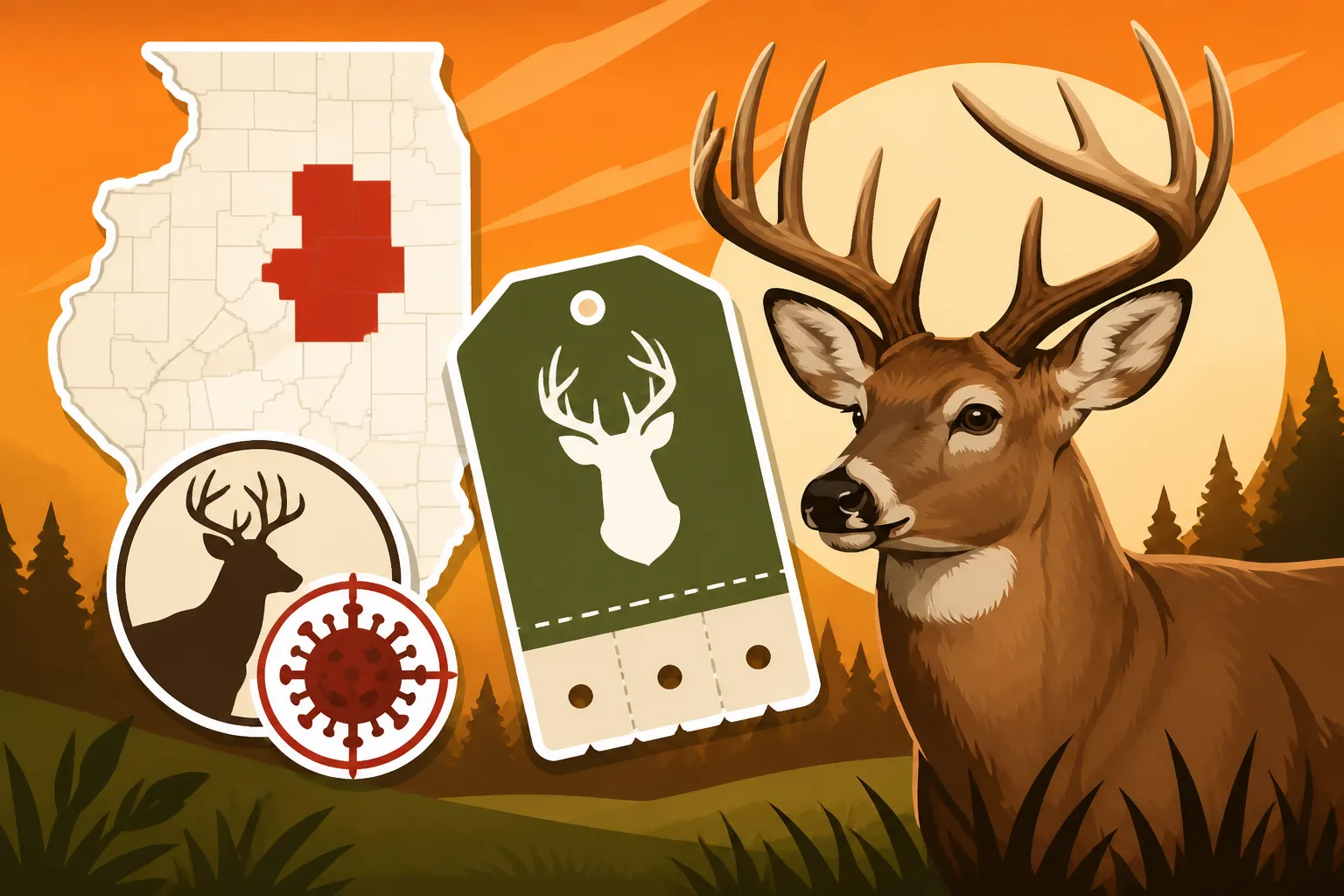
These designated counties are typically in northern and some central parts of Illinois, where CWD has been detected and is most prevalent. It's imperative to consult the most current Illinois hunting regulations map and list of CWD counties before you ever step foot into the field. This also means scouting and identifying specific huntable properties within those counties. Using mapping apps like GoHunt can help you verify county lines and plan your access points within the designated zones.
Antlered vs. Antlerless Restrictions
Most CWD bonus permits are issued as "antlerless-only" permits. This is a deliberate strategy because harvesting does (antlerless deer) has the greatest impact on population reduction, which is the primary goal of CWD management. Reducing the number of breeding females helps to slow population growth and, consequently, the potential spread of the disease.
While it's less common, some CWD bonus permits, particularly if they are combined with an either-sex permit, might allow for the harvest of an antlered deer. However, this is the exception, not the rule. Always, always verify the specific wording on your permit and the current regulations for the county you're hunting. Misidentifying an antlerless deer and accidentally harvesting an antlered buck on an antlerless-only permit is a violation, and the IDNR takes those very seriously.
Weapon Types and Season Overlap
CWD bonus permits often align with various weapon seasons, including archery, firearm, and muzzleloader. However, the validity period might be slightly different or extended compared to standard permits. For example, a CWD bonus permit might be valid for the entire archery season, or it might have specific dates that overlap with one of the Illinois firearm deer seasons or the Illinois Muzzleloader-Only Season Dates.
It’s not a one-size-fits-all situation. The IDNR sometimes uses CWD permits to extend hunting opportunities into late seasons when deer are concentrated around food sources, or to offer additional tags during the intense firearm seasons. Make sure to check which weapon types are permitted with your specific CWD bonus permit and during which exact dates it is valid. This attention to detail will prevent any accidental violations and ensure your efforts contribute positively to CWD management.
Reporting Requirements and CWD Testing
Just like with any deer harvested in Illinois, you are required to report your harvest using the IDNR's online system or mobile app. This is typically done by 10 PM on the same day the deer was harvested. The reporting data from CWD bonus permits is especially crucial for the IDNR to track harvest success in CWD-affected areas and adjust their management strategies as needed.
Additionally, if you harvest a deer in a CWD-affected county, there may be mandatory CWD testing requirements. This means you’ll need to take the head of your harvested deer (or specific lymph nodes) to an official CWD sampling station designated by the IDNR. This testing provides vital data on disease prevalence and helps map its spread. Our detailed article on Illinois CWD Testing for Hunters provides all the necessary information on how and where to get your deer tested. This entire process, from harvest to reporting and testing, is a fundamental part of the CWD management program, and your participation is critical.
Making the Most of Your CWD Bonus Permit Hunt
Hunting in a CWD county with a bonus permit isn't just about bagging an extra deer; it's about being an active participant in wildlife conservation. These hunts require a thoughtful approach, focusing on understanding deer behavior within these affected areas and adhering to all disease mitigation protocols. It’s an opportunity to contribute directly to the health of the herd you love to hunt.
So, how can you maximize your chances of success while also being a responsible steward? It comes down to smart scouting, understanding the local landscape, and being mindful of the unique challenges and responsibilities that come with hunting in a CWD zone.
Effective Hunting Strategies in CWD Zones
When hunting in a CWD county, your strategies should be informed by the goal of population reduction. This often means focusing on areas with higher deer density, which could include prime food sources, travel corridors, or bedding areas that are easily accessible. Early season archery hunts or late-season firearm/muzzleloader hunts when deer are concentrated can be particularly effective. Pay close attention to recent mast crops – after a poor acorn year, deer will be drawn to other reliable food sources.
Scouting is paramount. Utilize aerial maps, topographic maps, and game cameras to identify high-traffic areas. Deer sign, like fresh tracks, rubs, and particularly scrape lines along a logging road, can point to good locations. Sometimes, in areas with high CWD prevalence, you might find deer exhibiting unusual behavior, but generally, focusing on fundamental deer hunting tactics like finding food, water, and cover will still yield results. Being adaptable and willing to move if your initial spots aren't producing is key, especially when you have a bonus permit to fill.
Scouting and Understanding Deer Movement
Thorough scouting before and during the season is even more critical in CWD zones. You're not just looking for any deer; you're often targeting specific segments of the population (like does) in specific areas. Use tools like GoHunt to scout public land near Where Shawnee National Forest Bucks Bed or to identify potential pinch points on central Illinois farmland. Knowing historical deer movement patterns in your chosen county is invaluable.
Look for areas with dense cover adjacent to agricultural fields or natural food sources. Deer often feel secure moving through standing corn or thick brush. Consider using ground blinds in areas where you might need to stay concealed but have a wide field of view, particularly if you're targeting multiple deer. Pay attention to wind and thermals, especially in southern Illinois ridgelines, as deer will use these to their advantage. Effective scouting can help you identify pockets of deer that might be less pressured, even on public land.
Carcass Movement and Processing Considerations
This is perhaps one of the most vital aspects of hunting in a CWD county. After you harvest a deer with your CWD bonus permit, you are typically restricted from moving the entire carcass out of the designated CWD county. This rule is in place to prevent the inadvertent spread of CWD prions (the infectious proteins) to new areas. You usually need to process the deer within the CWD county, leaving behind the high-risk parts such as the brain, spinal cord, and sometimes even the skull plate.
This often means taking your deer to a local processor within the CWD county, or being prepared to debone the animal yourself in the field or at a local processing station. The IDNR provides clear guidelines on what parts can and cannot be moved. Always carry a copy of these regulations and plan your hunt accordingly. Being prepared for field dressing a deer in cold weather, or even butchering a deer at camp, will make this process smoother and ensure you comply with all CWD mitigation efforts. This step is non-negotiable for responsible hunting in CWD zones.
Disclaimer
The information provided in this guide is for general informational purposes only and does not constitute legal advice. Hunting regulations, permit requirements, and CWD zones in Illinois are subject to change. Always consult the official Illinois Department of Natural Resources (IDNR) website or the current Illinois Hunting and Trapping Regulations digest for the most up-to-date and accurate information before planning or engaging in any hunting activities. Adherence to all state and federal laws is the sole responsibility of the hunter.