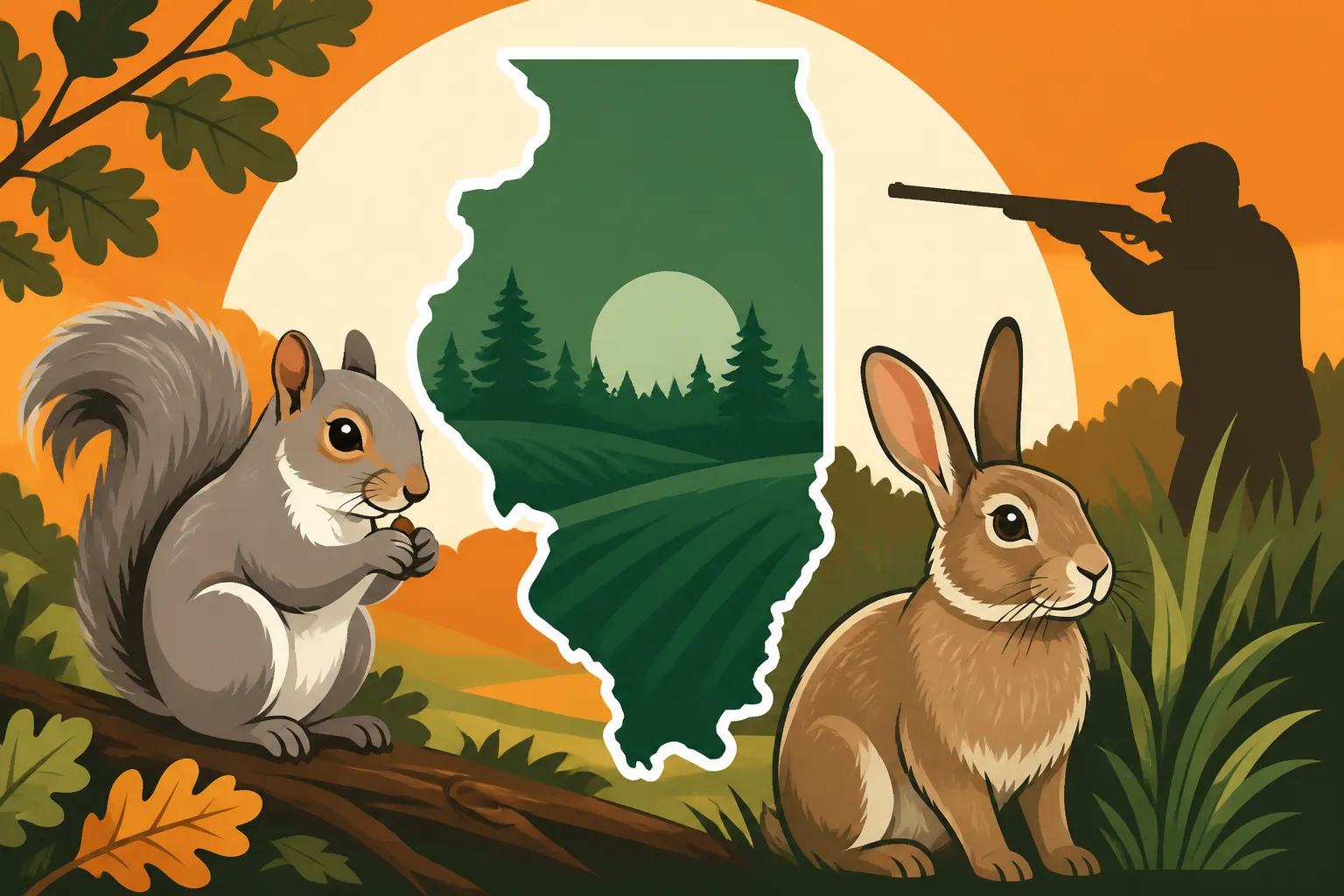
Illinois Squirrel and Rabbit Season Rules
Navigating the myriad rules and regulations for hunting in Illinois can feel like trying to untangle a ball of fishing line after a long day on the water – frustrating, confusing, and with a high chance of getting snagged. Many of us just want to enjoy the simplicity of chasing squirrels or rabbits, but the thought of missing a crucial detail on seasons, permits, or legal methods can really put a damper on the excitement. This guide is here to cut through that complexity, breaking down everything you need to know about Illinois's squirrel and rabbit season rules so you can hit the woods with confidence.
The Enduring Appeal of Small Game Hunting in Illinois
For many, small game hunting isn't just a pastime; it's a foundational experience, a connection to the rhythms of the wild that goes back generations. There's something inherently satisfying about the chase, the quiet stalking, and the challenge of outsmarting these agile creatures. It’s a pursuit that often gets overlooked in favor of the flashier big game, but the truth is, small game hunting offers immense rewards and vital lessons.
Why Squirrel and Rabbit Hunting Still Matters
In a world increasingly focused on trophy bucks and elaborate waterfowl spreads, the simple joy of squirrel and rabbit hunting can feel like a forgotten art. Yet, it remains a crucial part of the hunting tradition in Illinois for so many reasons. For starters, it's incredibly accessible. You don't always need vast tracts of private land or expensive gear to find success. A decent shotgun or .22 rifle, some comfortable boots, and a willingness to walk are often all it takes. Beyond the practical aspects, there's a deep sense of heritage here. Many of us learned to hunt by following a parent or grandparent through the woods, patiently waiting for a bushytail to show itself or kicking through a brush pile hoping to flush a cottontail. These hunts forge bonds and create memories that last a lifetime, far removed from the pressures of a highly competitive deer season.
Moreover, squirrel and rabbit hunting can provide a fantastic source of lean, organic protein. There’s a profound satisfaction that comes from putting wild game on your family's table, knowing exactly where it came from and the effort you put into harvesting it. It's a healthy, sustainable food source that many Illinois families have relied on for generations. Plus, let's be honest, fried squirrel or rabbit stew on a cold winter's night is pure comfort food, a delicious reward after a chilly day afield.
The Accessible Gateway to Hunting
One of the greatest benefits of squirrel and rabbit hunting is its role as a perfect entry point for new hunters, especially youth. The pace is often more forgiving than deer hunting, with plenty of opportunities for movement, conversation, and hands-on learning without the intense pressure to stay perfectly still for hours on end. It teaches fundamental hunting skills like tracking, stealth, patience, and firearm safety in a practical, engaging environment. You learn to read the woods, understand animal behavior, and develop marksmanship without the high stakes associated with larger game.
Think about it: a young hunter might get discouraged sitting in a deer stand for an entire morning without seeing a thing. But spending an hour or two slowly moving through a timber stand, spotting squirrels scampering up trees, or flushing rabbits from cover provides constant engagement and often more immediate opportunities for success. It builds confidence and instills a love for the outdoors, fostering a new generation of ethical and responsible hunters. Many veteran hunters started their journey with small game, and these experiences laid the groundwork for all their future outdoor adventures. You can even find great resources online, like through platforms like GoHunt, to help scout and plan these introductory trips, making it even easier to get started.
Illinois Squirrel Season Rules and Regulations
Illinois offers fantastic opportunities for squirrel hunting, with healthy populations throughout the state. However, understanding the specific rules is paramount to a successful and legal hunt. Don't assume anything; always check the current regulations before heading out. The Illinois Department of Natural Resources (IDNR) provides detailed information, but we'll break down the key points here.
Key Dates and Zones for Squirrel Hunters
The squirrel season in Illinois typically opens quite early, offering hunters a chance to get afield before the hustle and bustle of deer season begins. Historically, the season begins on August 1st and runs through February 15th statewide. This long season provides ample opportunities, from early-season hunts in lush, green woods where squirrels are busy cutting nuts, to late-season hunts in barren timber where a keen eye can spot them against the stark branches. There are no specific "zones" for squirrel hunting in Illinois; the season dates are generally uniform across all counties, making it straightforward to plan your trips.
However, there's a crucial caveat: if you're hunting within a county where the firearm deer season is open, squirrel hunting is not permitted during those specific firearm deer season dates. This is a critical safety measure to avoid conflicts and ensure everyone's safety during high-pressure deer hunting periods. Always double-check the current year's firearm deer season dates for your specific county. For instance, you can find information on dates for the first and second firearm seasons in Illinois. These specific closures mean you need to be extra vigilant with your calendar, especially if you plan to hunt during late fall or early winter. Using a tool like GoHunt can help you overlay different season dates on maps to avoid any accidental overlap.
Legal Methods and Bag Limits for Squirrels
When it comes to harvesting squirrels, Illinois offers hunters a good range of legal methods, catering to different preferences and skill levels. Most commonly, hunters use shotguns, typically 20 gauge or 12 gauge, with smaller shot sizes like #4, #5, or #6. Rifles, usually rimfire .22 caliber, are also popular, especially for more precise shots on treed squirrels. Muzzleloaders, air rifles, and even bows are also permissible. The key is to ensure your chosen method is safe for the area you're hunting and that you're proficient with it.
Illinois regulations specify a daily bag limit of five squirrels per hunter. This means you can legally harvest up to five gray and/or fox squirrels combined in one calendar day. The possession limit is ten squirrels, which means you can have up to ten squirrels in your possession after multiple days of hunting. These limits are designed to ensure sustainable populations while providing ample opportunities for hunters. Remember to identify your target correctly; while gray and fox squirrels are abundant, protected species should not be harvested. Shooting hours for squirrels generally extend from sunrise to sunset, aligning with most other game species in the state.
Essential Licenses and Stamps for Squirrel Hunting
Before you even think about stepping into the woods, you need to make sure your paperwork is in order. Hunting without the proper licenses and stamps can lead to hefty fines and loss of privileges, so it's not something to take lightly. To hunt squirrels in Illinois, residents aged 16 and over will need a valid Illinois Resident Hunting License. Non-residents will need an Illinois Nonresident Hunting License. These are your foundational permits.
Beyond the basic hunting license, almost all hunters (with a few specific exemptions like landowners hunting their own property) are also required to purchase an Illinois State Habitat Stamp. This stamp contributes directly to conservation efforts, improving wildlife habitat across the state, which benefits not just game animals but all wild species. If you're under 16, and properly supervised, you might fall under the Illinois Mentored Youth Hunting Rules, which can simplify the process. Always carry proof of your licenses and stamps with you while hunting, whether it's a physical copy or a digital version on your phone via the IDNR app. You can find comprehensive information about Illinois Hunting Licenses and What They Cost on our site.
Illinois Rabbit Season Rules and Regulations
Just like squirrels, rabbits offer an exciting and rewarding hunting experience in Illinois, particularly as the leaves fall and winter approaches. Cottontails are widespread, providing excellent opportunities for both seasoned hunters and newcomers. Understanding their specific season rules is just as crucial as it is for squirrels.
Key Dates and Zones for Rabbit Hunters
The rabbit season in Illinois typically kicks off a bit later than squirrel season, usually opening on the first Saturday in November. It then generally runs through February 15th. This timing often places rabbit hunting squarely in the cooler months, which is fantastic for walking cover and spotting flushed game. The season is also typically statewide, meaning no specific zones to worry about.
Similar to squirrel hunting, firearm deer season can impact rabbit hunting. If you are hunting in a county where a firearm deer season is open, rabbit hunting is not permitted during those specific dates. This overlap primarily affects the first and second firearm deer seasons. Always consult the most current IDNR regulations or use a mapping application like GoHunt to verify open hunting dates for your specific county to avoid any conflicts. While deer drives on public land are common during firearm season, it's vital to respect the no-hunting rule for small game during those times.
Legal Methods and Bag Limits for Rabbits
Rabbit hunting methods are varied and often depend on personal preference and whether you're hunting with or without dogs. Shotguns, particularly 20 or 12 gauge with #6 or #7.5 shot, are the most common choice for flushing rabbits from cover. Small caliber rifles, like a .22, are legal but less frequently used due to the fast-flushing nature of rabbits in thick brush. Muzzleloaders and air rifles are also permissible. Hunters often employ Beagles or other rabbit dogs to help flush rabbits, adding an exciting dimension to the hunt.
Illinois regulations set a daily bag limit of four rabbits per hunter. This means you can harvest up to four cottontail rabbits in a single day. The possession limit is eight rabbits, allowing you to accumulate game over several hunting trips. As with squirrels, always confirm the species you are targeting to avoid accidentally harvesting protected wildlife. Shooting hours for rabbits are typically from sunrise to sunset. Remember, the focus is on cottontails, which are abundant. You can learn more about Rabbit Hunting Illinois Fencerows if you're looking for specific tactics.
Essential Licenses and Stamps for Rabbit Hunting
The licensing requirements for rabbit hunting in Illinois are identical to those for squirrel hunting. Any resident hunter aged 16 or older will need a valid Illinois Resident Hunting License. Non-residents will, of course, need the appropriate Nonresident Hunting License. These licenses are the fundamental entry point to hunting any game species in Illinois.
Additionally, don't forget the Illinois State Habitat Stamp. This is a mandatory purchase for most hunters, including those pursuing rabbits. It's a small investment that directly supports the conservation and enhancement of vital wildlife habitat throughout the state. New hunters, especially youth, can also take advantage of the Illinois Apprentice Hunter License rules, which allow them to hunt under the direct supervision of a licensed adult without first completing a hunter education course. However, completing a Illinois Hunter Education Requirements course is always a good idea for anyone seriously getting into hunting.
Overlap and Opportunities: Hunting Both Species
One of the great advantages of Illinois's small game seasons is the significant overlap between squirrel and rabbit hunting opportunities. This overlap creates unique chances for hunters to pursue multiple species in a single outing, maximizing their time in the field. However, it also requires careful planning and an understanding of how to manage different game at the same time.
Concurrent Seasons and Strategic Planning
For much of the late fall and early winter, both squirrel and rabbit seasons are open concurrently in Illinois. This means you could theoretically start your morning hunt targeting squirrels in a mature timber stand, and then transition in the afternoon to kicking brush piles and fencerows for rabbits. This flexibility is a huge bonus, allowing you to adapt to changing conditions or simply pursue whatever game you encounter. Imagine a chilly November morning: you might find squirrels active in an oak grove, then later in the day, move to a dense hedgerow where rabbits are bedding down.
Strategic planning for these combined hunts involves considering habitat, weather, and hunting pressure. If you're going after squirrels, you'll often be focusing on mature hardwoods, particularly oak and hickory stands, where mast crops are prevalent. For rabbits, thick cover is key – fencerows, briar patches, downed trees, and CRP fields. A good hunting partner and perhaps a well-trained dog can make these combined efforts incredibly productive. Always remember the separate bag limits for each species: five for squirrels, four for rabbits. This means if you're successful with one, you still have opportunities for the other, allowing you to fill your cooler with a diverse harvest. It’s also wise to check a resource like the Illinois DNR app or GoHunt to confirm the daily legal shooting hours for each species you intend to pursue, though for small game, they are typically uniform.
Public Land Considerations for Small Game
Illinois boasts a good amount of Public Hunting Land in Illinois, including state fish and wildlife areas, state forests, and even portions of the Shawnee National Forest, all of which offer opportunities for small game. However, hunting public land comes with its own set of considerations, especially during overlapping seasons. You're likely to encounter other hunters, potentially pursuing deer, waterfowl, or other species, so awareness and safety are paramount.
When planning a small game hunt on public land, research the specific area's regulations. Some areas may have unique site-specific rules regarding access, hunting methods, or even temporary closures during special hunts. Websites like GoHunt can be incredibly helpful for scouting these areas, identifying potential habitat for both squirrels and rabbits, and understanding property boundaries. Look for areas with a mix of mature timber and dense undergrowth or fencerows. Pay attention to signs of other hunters – parked vehicles, worn trails, or even spent casings. Early mornings or weekdays often see less pressure. Always display the required amount of How Much Blaze Orange Illinois Requires for visibility, especially during firearm deer seasons, even if you are only after small game. Respecting other hunters and sharing the resource responsibly ensures a positive experience for everyone. If you're lucky enough to obtain permission for private land, that's often ideal, and we have a guide on Getting Private Land Permission in Illinois to help you with that.
General Small Game Hunting Requirements and Best Practices
Beyond the specific season dates and bag limits, there are overarching requirements and best practices that every small game hunter in Illinois should adhere to. These are not just about following the law; they're about ensuring safety, promoting ethical hunting, and fostering positive relationships with landowners and the broader community.
Blaze Orange and Safety Reminders
Safety is, without question, the number one priority for any hunter. When hunting rabbits or squirrels, particularly during any portion of the firearm deer season (even if you're not targeting deer), Illinois law mandates the wearing of blaze orange. The requirement is a minimum of 400 square inches of solid blaze orange material, including a blaze orange cap or hat, visible from all sides. This applies to anyone hunting in areas where upland game hunting is permitted during the firearm deer seasons. Even outside of firearm deer season, or if you're not legally required, wearing blaze orange is always a smart choice when hunting small game in heavy cover or areas with other hunters.
Beyond blaze orange, basic firearm safety rules are non-negotiable: treat every firearm as if it's loaded, always keep the muzzle pointed in a safe direction, keep your finger off the trigger until you're ready to shoot, and be absolutely certain of your target and what lies beyond it. When hunting with partners, maintain safe distances and communicate frequently. If you're hunting with dogs, make sure they are well-trained and under control. The excitement of a flushed rabbit or a barking squirrel should never override your commitment to safety.
Ethical Hunting and Respecting Landowners
Ethical hunting goes beyond simply following the letter of the law. It's about demonstrating respect for the animals you pursue, the land you hunt on, and your fellow outdoors enthusiasts. For small game, this means only taking clean, ethical shots that ensure a quick and humane harvest. Avoid shooting at animals that are too far away, running quickly, or in dense cover where a clean kill is unlikely. If an animal is wounded, make every reasonable effort to track and recover it. Wasting game is not only unethical but also illegal.
When hunting private land, maintaining a stellar relationship with the landowner is paramount. Always obtain explicit permission before entering their property, and make sure you understand any specific rules they might have, such as areas they don't want you to hunt or gates they want left open or closed. Leave gates as you find them, pick up any litter (including spent shotshells), and avoid driving off established trails without permission. Offering some of your harvest or helping with a chore can go a long way in showing your appreciation and securing future hunting access. Even on public lands, being a good steward means packing out everything you pack in and leaving no trace of your presence. These simple acts reflect positively on all hunters and help preserve our hunting heritage. Illinois offers a variety of hunting opportunities, even for game like Hunting Illinois's Year-Round Feral Hogs, but respect for regulations and landowners is always the golden rule.
Illinois Small Game Season Summary
To help you keep track of the main details for squirrel and rabbit hunting in Illinois, here's a quick reference table. Always remember to check the current year's IDNR regulations for the most up-to-date and specific information, as dates can shift slightly year to year.
| Species | Typical Season Start | Typical Season End | Daily Bag Limit | Possession Limit | Legal Methods | Licenses Required (Age 16+) | Key Restrictions |
|---|---|---|---|---|---|---|---|
| Squirrel | August 1st | February 15th | 5 (combined) | 10 (combined) | Shotgun, .22 Rifle, Muzzleloader, Air Rifle, Bow | IL Hunting License + IL State Habitat Stamp | No hunting during firearm deer seasons in open counties |
| Rabbit | First Sat. in November | February 15th | 4 | 8 | Shotgun, .22 Rifle, Muzzleloader, Air Rifle, Bow | IL Hunting License + IL State Habitat Stamp | No hunting during firearm deer seasons in open counties |
Note: Shooting hours for both species are generally sunrise to sunset. Always refer to official IDNR publications for precise, current-year dates and regulations.
Disclaimer
The information provided in this guide is intended for general informational purposes only and is subject to change. While we strive to offer accurate and up-to-date content, hunting regulations, season dates, and licensing requirements in Illinois can be modified by the Illinois Department of Natural Resources (IDNR) at any time. It is the responsibility of every individual hunter to consult the official IDNR hunting and trapping regulations prior to engaging in any hunting activity. Always confirm current laws and obtain all necessary licenses and permits directly from the IDNR or an authorized vendor. Failure to do so could result in fines or legal penalties.