The Illinois State Habitat Stamp
Navigating the myriad of licenses, permits, and stamps required to hunt in Illinois can feel like a bureaucratic labyrinth, often leaving even seasoned hunters scratching their heads about what they really need. This comprehensive guide aims to demystify one often-overlooked but incredibly vital component of your Illinois hunting journey: the State Habitat Stamp. We'll explore its purpose, impact, and how it plays a crucial role in preserving the hunting heritage we all cherish.
What Exactly is the Illinois State Habitat Stamp?
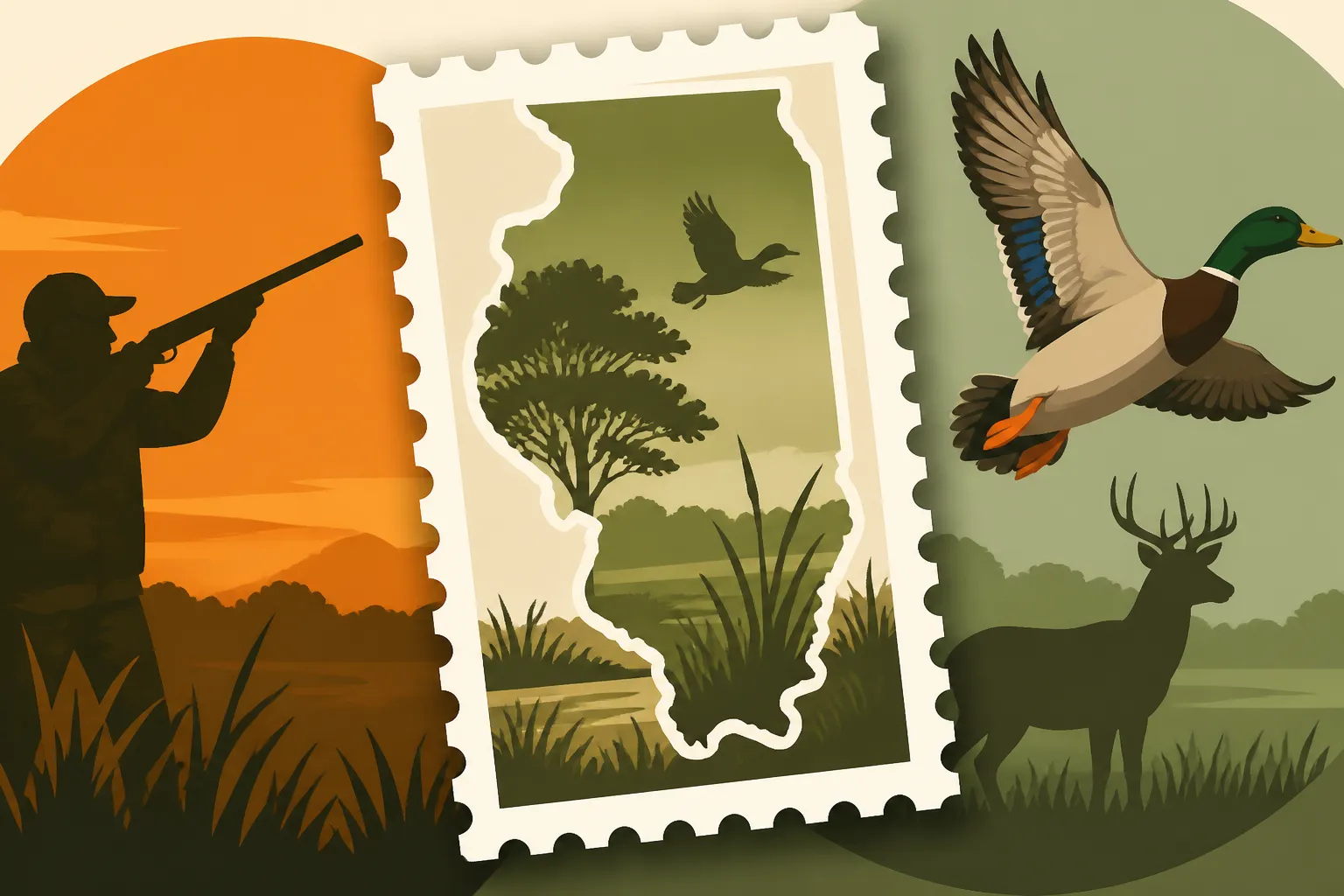
When you’re gearing up for a hunt, whether it's chasing whitetails or calling in turkeys, you naturally think about your basic hunting license and species-specific permits. But tucked away in the requirements for many hunters is the Illinois State Habitat Stamp. It’s not just another piece of paper; it’s a dedicated funding mechanism for conservation efforts across the state. Think of it as your direct investment into the land and wildlife that make Illinois a fantastic place to pursue your passion.
Understanding Its Core Purpose
At its heart, the Illinois State Habitat Stamp exists for one primary reason: to generate funds specifically earmarked for the acquisition, management, and restoration of wildlife habitat within Illinois. It’s a conservation user fee, meaning those who benefit from healthy wildlife populations – hunters and trappers – contribute directly to sustaining those populations and their environments. Without dedicated funding streams like this, the critical work of land managers and wildlife biologists would be severely hampered. These funds are not just for game species; they support the entire ecosystem, benefiting everything from songbirds to pollinators, which in turn creates a more robust environment for deer, turkey, and ducks.
This stamp ensures that when you buy it, your money isn't just disappearing into a general state fund. Instead, it's channeled directly to projects that improve nesting cover, create food sources, enhance water quality, and secure critical corridors for wildlife movement. It’s a tangible link between your hunting efforts and the health of the broader ecosystem. Many states have similar programs, and Illinois's stamp is a cornerstone of its wildlife conservation strategy, working alongside federal funding and other state initiatives.
The Legal Requirement for Hunters
So, who actually needs this stamp? The Illinois State Habitat Stamp is mandatory for nearly all hunters and trappers who are required to possess an Illinois hunting license, with very few exceptions. This includes both residents and nonresidents pursuing deer, turkey, waterfowl, upland game, and furbearers. If you're old enough to need a hunting license, chances are you need this stamp too. It’s designed to be a universal contribution from the hunting community.
The key takeaway here is that if you're hitting the woods, fields, or marshes with a weapon to harvest game, you should assume you need this stamp. It's a simple, inexpensive addition to your overall license package, but one that carries significant weight in its contribution to conservation. Failing to possess the required stamp could lead to fines and other legal repercussions, so it's always best to double-check your permits before heading afield. Reputable platforms like GoHunt make it easy to ensure you have all your necessary licenses and stamps in order before season opens, so there are no surprises when you’re out in the field.
Why the State Habitat Stamp Matters for Illinois Wildlife
It’s easy to view required stamps as just another fee, but the Illinois State Habitat Stamp is genuinely different because of its direct and measurable impact. This isn't just about collecting money; it's about channeling those funds strategically to ensure the long-term health and abundance of Illinois's diverse wildlife populations and the landscapes they call home. Every dollar collected through the sale of these stamps goes back into improving the very places we love to hunt.
Funding Habitat Restoration and Acquisition
One of the most critical roles of the Habitat Stamp is to provide a dedicated funding source for habitat restoration projects. Illinois, like many agricultural states, has seen significant habitat fragmentation and loss over the decades. Farms stretch across vast acreages, and urban sprawl continues to eat away at wild places. The funds from your Habitat Stamp purchases directly support efforts to reverse some of this damage. This can include restoring native prairies, reforesting timber stands, managing wetlands, and improving riparian zones along creeks and rivers.
Beyond restoration, the stamp also contributes to the acquisition of new land for public use and wildlife conservation. This means expanding existing public hunting areas, creating new ones, and securing critical tracts of land that might otherwise be developed or lost to wildlife forever. Imagine the frustration of finding a perfect piece of ground, only for it to be developed the following year. The Habitat Stamp helps prevent that by allowing the state to purchase and protect these vital areas, ensuring future generations of hunters and wildlife enthusiasts have places to go. This ongoing effort is why places like Illinois State Fish and Wildlife Areas and other public lands are so valuable to hunters.
Direct Impact on Game and Non-Game Species
While hunters often think of the immediate benefit to game species like deer, turkey, and ducks, the habitat improvements funded by the stamp have a much broader ecological impact. When you restore a wetland, you're not just creating prime duck hunting opportunities; you're also providing critical breeding grounds for countless bird species, amphibians, and insects. Similarly, managing a forest for optimal deer habitat also benefits squirrels, rabbits, and countless migratory birds. The health of the entire ecosystem is interconnected.
For example, projects focused on improving early successional habitat, often benefiting rabbits and quail, also create vital nesting and brooding cover for wild turkeys. Waterfowl initiatives in the Illinois River Valley, funded in part by the Habitat Stamp, not only attract more ducks and geese but also support a rich diversity of aquatic life. This holistic approach ensures that your contribution supports a robust and resilient wildlife population across the board, providing greater opportunities for hunters pursuing White-Tailed Deer Across Illinois or those Waterfowl Hunting the Illinois River Valley.
Investing in Future Hunting Opportunities
Ultimately, purchasing the Illinois State Habitat Stamp is an investment in the future of hunting in Illinois. Without healthy habitats, wildlife populations decline, and with fewer animals, hunting opportunities dwindle. By contributing to habitat restoration and protection, hunters are ensuring that their children and grandchildren will have the same, if not better, opportunities to experience the thrill of the chase. This isn't just about today's hunt; it's about a legacy.
This long-term perspective is crucial. Habitat work isn't always glamorous, but it's the foundation upon which all wildlife populations depend. From planting native grasses to managing prescribed burns, these efforts directly translate into more robust game herds, healthier turkey populations, and better waterfowl staging areas. It’s a proactive step that hunters take to secure their sport for generations to come, validating the very reason Why the State Habitat Stamp Is Required.
Who Needs to Buy the Habitat Stamp?
Understanding the precise requirements for purchasing the Illinois State Habitat Stamp can sometimes be a bit confusing, especially with various license types and exemptions. However, the general rule is quite straightforward: if you're hunting or trapping in Illinois, you likely need it. Let's break down the specifics to ensure you're compliant.
Resident and Nonresident Requirements
The requirement for the Illinois State Habitat Stamp applies to virtually all hunters and trappers, regardless of residency. This means if you are an Illinois resident heading out for Squirrel and Small Game Hunting in Illinois, you'll need it. Likewise, if you're a nonresident coming into the state for deer or turkey season, this stamp is a mandatory part of your permit package. It's a universal contribution from the hunting community to fund essential habitat work that benefits everyone.
The only real differences in purchasing the stamp for residents versus nonresidents come down to the associated base hunting license requirements. Residents will typically purchase the stamp alongside their Illinois Resident License Options, while nonresidents will do so with their Illinois Nonresident License Options. The stamp itself is the same price for both, reflecting the shared investment in Illinois's natural resources. It's designed to be an equitable contribution from everyone who participates in hunting or trapping activities within the state.
Exemptions and Special Cases
While the rule is broad, there are a few specific exemptions to the Illinois State Habitat Stamp requirement. These are generally tied to age or specific hunting scenarios that don't require a base hunting license. For instance, individuals who are under the age of 16 and not required to have a hunting license are typically exempt from needing the Habitat Stamp. Similarly, landowners hunting on their own property, who are otherwise exempt from the general hunting license requirement, may also be exempt from the stamp.
It's absolutely vital to confirm your specific situation with the Illinois Department of Natural Resources (IDNR) if you believe you might be exempt. Regulations can change, and misinterpreting an exemption could lead to a violation. For example, if you are a youth hunter participating in a mentored youth hunt, you may not need the full suite of licenses, but it’s crucial to check the current rules. Always err on the side of caution and verify your needs directly from official sources or through trusted platforms that integrate with state regulations like GoHunt.
When and Where to Purchase
The Illinois State Habitat Stamp follows the state's license year, which typically runs from April 1st through March 31st. This means you’ll need to purchase a new stamp annually if you plan to hunt or trap across multiple license years. It's a common practice for hunters to buy all their required licenses, permits, and stamps at the same time, usually when they are preparing for the upcoming fall seasons.
Purchasing the stamp is incredibly convenient these days. You can easily buy it online through the Illinois Department of Natural Resources (IDNR) website. This is often the quickest and most efficient way to ensure you have all your documentation. Alternatively, you can purchase the stamp in person at various authorized license vendors across the state, including many sporting goods stores, bait shops, and some county clerks' offices. Just make sure you get an official, valid stamp that's properly affixed to or printed with your hunting license.
The Cost of the Habitat Stamp and How It Compares
Nobody likes paying more fees, but understanding the cost of the Illinois State Habitat Stamp in context often helps hunters appreciate its value. It's a relatively small investment that generates significant returns for wildlife and hunting opportunities across the state.
Current Pricing and Validity
As of the current license year, the Illinois State Habitat Stamp costs $5.50. This is a remarkably affordable price point for a dedicated conservation fund. This $5.50 is added to the total cost of your hunting license and any specific permits you acquire. The stamp is valid for the duration of the Illinois license year, which, as mentioned, runs from April 1st to March 31st. So, if you buy it in August for deer season, it will be valid until the end of March the following year.
It's a straightforward fee with no hidden charges, and it applies uniformly to all who are required to purchase it. When you consider the vast amount of land management, research, and conservation work that goes into sustaining Illinois's diverse wildlife populations, five and a half dollars is a modest contribution. It's one of the most direct ways hunters contribute financially to the very resources they enjoy.
Breaking Down the License Fees Stack
The Habitat Stamp is just one piece of the puzzle when it comes to the overall cost of hunting in Illinois. Hunters typically face a "stack" of fees, each serving a specific purpose. For example, a resident hunter might need a basic hunting license (which includes a Habitat Stamp as a prerequisite for most), plus a deer permit, and possibly a Illinois Migratory Bird Certification if they're pursuing waterfowl. Nonresidents face similar requirements, often with higher base license and permit fees.
Let's look at a hypothetical breakdown for a resident deer hunter:
| Item | Cost (Approx.) | Purpose |
|---|---|---|
| Illinois Resident Hunting License | $12.50 | General authorization to hunt. |
| Illinois State Habitat Stamp | $5.50 | Dedicated funds for habitat acquisition and restoration. |
| Resident Archery Deer Permit | $26.00 | Specific permit for archery deer season. |
| Archery Deer Tag (Bonus) | $26.00 | Optional additional antlerless deer tag. |
| Total (Example) | ~$70.00 | All fees combined for a comprehensive archery deer hunt. |
This table illustrates that while each fee adds up, the Habitat Stamp remains a relatively small but critical component. Platforms like GoHunt can help you navigate this stack, ensuring you don't miss any required items based on the species you intend to hunt and your residency status, saving you headaches and potential violations in the field.
The "Bang for Your Buck" in Conservation
When you consider that $5.50 directly contributes to projects like improving nesting cover, planting food plots, restoring wetlands, and acquiring new public hunting lands, the "bang for your buck" in conservation from the Habitat Stamp is substantial. This isn't just about paying to play; it's about actively investing in the health of the resource. Without these funds, the Illinois Department of Natural Resources would have significantly less capacity to undertake the vital work necessary to maintain thriving wildlife populations and expand access for hunters.
For many hunters, knowing that their money is directly supporting the animals and places they love makes the fee an easy pill to swallow. It’s a transparent way for the hunting community to demonstrate its commitment to conservation, and it highlights the crucial role hunters play as primary funders of wildlife management in North America. This minimal cost provides an incredible return in terms of biodiversity, healthy game populations, and sustained outdoor recreational opportunities.
Where Your Habitat Stamp Dollars Go: Projects and Progress
It’s one thing to know you’re paying a fee, but it’s another entirely to understand exactly where that money goes and the tangible results it achieves. The funds generated by the Illinois State Habitat Stamp are not just pooled; they are strategically invested in a wide array of conservation initiatives that directly benefit wildlife and, by extension, hunters and outdoor enthusiasts.
On-the-Ground Conservation Initiatives
The Habitat Stamp funds are directly applied to physical, on-the-ground projects throughout Illinois. This includes everything from constructing and maintaining critical infrastructure like dikes and water control structures in wetland areas to planting native vegetation that provides food and cover. Biologists and land managers use these funds to improve existing wildlife areas and acquire new parcels of land. For example, some funds might be used to implement prescribed burns, a vital tool for managing grasslands and forests, promoting new growth, and reducing invasive species. Other funds go towards creating or enhancing food plots on public lands, drawing in game and providing essential nutrition, especially during harsh winter months.
These initiatives are carefully planned and executed by professional wildlife managers with specific conservation goals in mind. They’re not random acts of kindness; they are scientifically informed projects designed to maximize benefits for a wide range of species. Whether it’s improving critical deer habitat in the Shawnee National Forest or enhancing nesting areas for Wild Turkeys in Illinois, the work is intentional and impactful, directly supported by your stamp purchase.
Specific Examples of Habitat Improvements
To give you a clearer picture, let’s consider some specific types of projects the Habitat Stamp supports. In central Illinois, where farmland dominates, funds might be used to establish native prairie strips along field edges or in fallow areas. These strips provide crucial nesting cover for pheasants and quail, as well as vital forage and shelter for deer. They also benefit pollinators and help reduce soil erosion, showcasing the multi-faceted benefits of habitat work.
Down in the southern part of the state, particularly in areas like the Illinois River Valley, stamp funds are critical for wetland restoration and management. This could involve restoring oxbow lakes, managing water levels in shallow impoundments, or planting specific aquatic vegetation to provide food for migrating waterfowl. These efforts not only enhance duck and goose hunting but also support a vast array of other wetland-dependent species. Furthermore, funds also support forest management practices on lands designated for Public Hunting Land in Illinois, ensuring healthy timber stands and diverse understories crucial for deer and turkey populations. These are not just abstract ideas; they are visible, impactful changes on the landscape.
Measuring the Success of the Program
The IDNR doesn't just spend the money; they also monitor the effectiveness of these habitat programs. Biologists conduct surveys, track wildlife populations, and analyze habitat quality to ensure that the funds are being used efficiently and effectively. This data-driven approach allows the state to adapt its strategies, focus resources where they are most needed, and demonstrate the tangible benefits derived from the Habitat Stamp.
Success can be measured in many ways: an increase in local game populations, enhanced biodiversity, expanded public hunting opportunities, or improved water quality. While some outcomes take years to materialize, the consistent investment through the Habitat Stamp creates a foundation for long-term ecological health. This accountability ensures that your $5.50 isn't just a fee, but a direct investment in the vibrant hunting heritage of Illinois, reinforcing the critical need for initiatives like the Illinois State Habitat Stamp.
Common Misconceptions and FAQs About the Stamp
Even with all the information out there, certain questions and misunderstandings about the Illinois State Habitat Stamp still pop up regularly. It's easy to get confused with all the different licenses and rules, so let's clear up some of the most common points of confusion.
Is it just for deer hunters?
A common misconception is that the Illinois State Habitat Stamp is primarily, or even solely, for deer hunters. While deer certainly benefit immensely from the habitat work funded by the stamp, it's absolutely not limited to deer hunting. The stamp supports habitat for a wide array of species, including wild turkeys, waterfowl, upland birds like pheasants and quail, and small game such as rabbits and squirrels. If you're going after Wild Turkeys in Illinois or trying your hand at Illinois Small Game Season Rules, you'll likely need this stamp.
Think about it: improved forest health, restored wetlands, and native grassland plantings don't just magically benefit one species. They create a healthier, more diverse ecosystem that supports the entire food chain and provides cover, food, and breeding grounds for countless animals. So, whether your passion is chasing a trophy buck, calling in a spring gobbler, or jump-shooting ducks, your Habitat Stamp contributes to the health of all these pursuits.
Does it cover migratory birds?
This is another frequent question, especially given the specific federal and state stamps required for migratory bird hunting. The Illinois State Habitat Stamp is indeed required for migratory bird hunters who are otherwise required to possess an Illinois hunting license. However, it does not replace the Federal Migratory Bird Hunting and Conservation Stamp (often called the "Federal Duck Stamp") or the Illinois Migratory Bird Certification. These are separate requirements.
So, if you're planning to hunt ducks, geese, doves, or woodcock in Illinois, you will generally need three things: your base Illinois hunting license, the Illinois State Habitat Stamp, and the Federal Duck Stamp (plus HIP registration). Each of these serves a distinct purpose and funds different levels of conservation. The Illinois Habitat Stamp contributes to state-level habitat work, while the Federal Duck Stamp primarily funds the acquisition of national wildlife refuges. They work in tandem to provide comprehensive conservation funding.
What if I only hunt private land?
Some hunters mistakenly believe that if they only hunt on private land, they are exempt from certain state requirements like the Habitat Stamp. While some landowners may be exempt from the base hunting license requirement when hunting on their own property, the Habitat Stamp is generally still a requirement if you are required to have a hunting license. If you are hunting on private land that you do not own, you will absolutely need the Habitat Stamp in addition to your regular hunting license and species-specific permits.
The logic here is simple: wildlife doesn't respect property lines. A deer or turkey that beds on your private land may forage on public land, or vice versa. The habitat improvements funded by the stamp benefit wildlife across the entire state, irrespective of land ownership. Therefore, all hunters who participate in the taking of game and are required to hold a hunting license are expected to contribute to these vital conservation efforts. It's a foundational piece of Illinois's conservation funding, designed to be comprehensive and impactful.
Disclaimer
The information provided in this guide is for general informational purposes only and does not constitute legal advice. Hunting regulations, license requirements, and fees can change. Always consult the official Illinois Department of Natural Resources (IDNR) website or their current hunting and trapping digests for the most up-to-date and accurate information before engaging in any hunting activities. Adherence to all state and federal laws is the sole responsibility of the individual hunter.