Waterfowl Hunting the Illinois River Valley
Hunting waterfowl in the Illinois River Valley is a dream for many, but it can also feel like an overwhelming endeavor. The legendary status of this migratory hotspot often comes with a hefty dose of reality: unpredictable conditions, intense competition, and a vast, complex landscape that can leave even seasoned hunters scratching their heads. This guide is here to cut through the confusion, offering real-world strategies and insights to help you confidently navigate the challenges and experience the magic of an Illinois River Valley waterfowl hunt.
The Enduring Allure and Challenges of the Illinois River Valley
There's something truly special about the Illinois River. For generations, it has been a magnet for migrating waterfowl, a vital artery on the Mississippi Flyway, drawing in immense numbers of ducks and geese each fall. But understanding its unique draw, and its inherent difficulties, is the first step toward a successful hunt.
A Waterfowler's Paradise with a Rich History
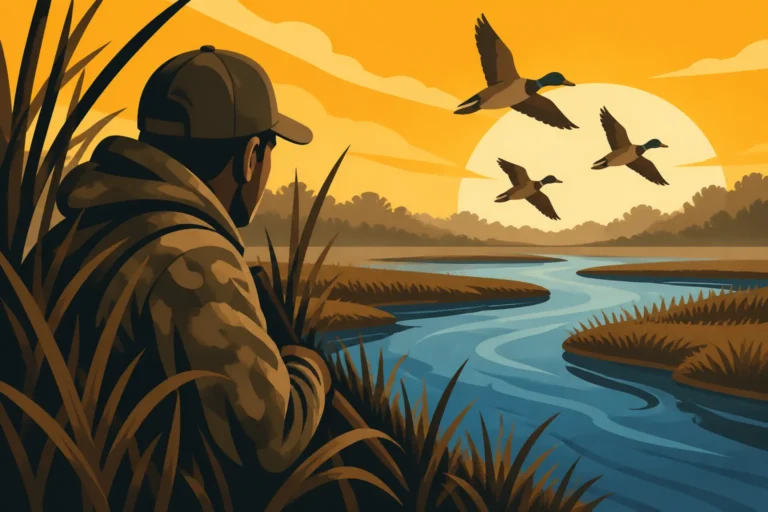
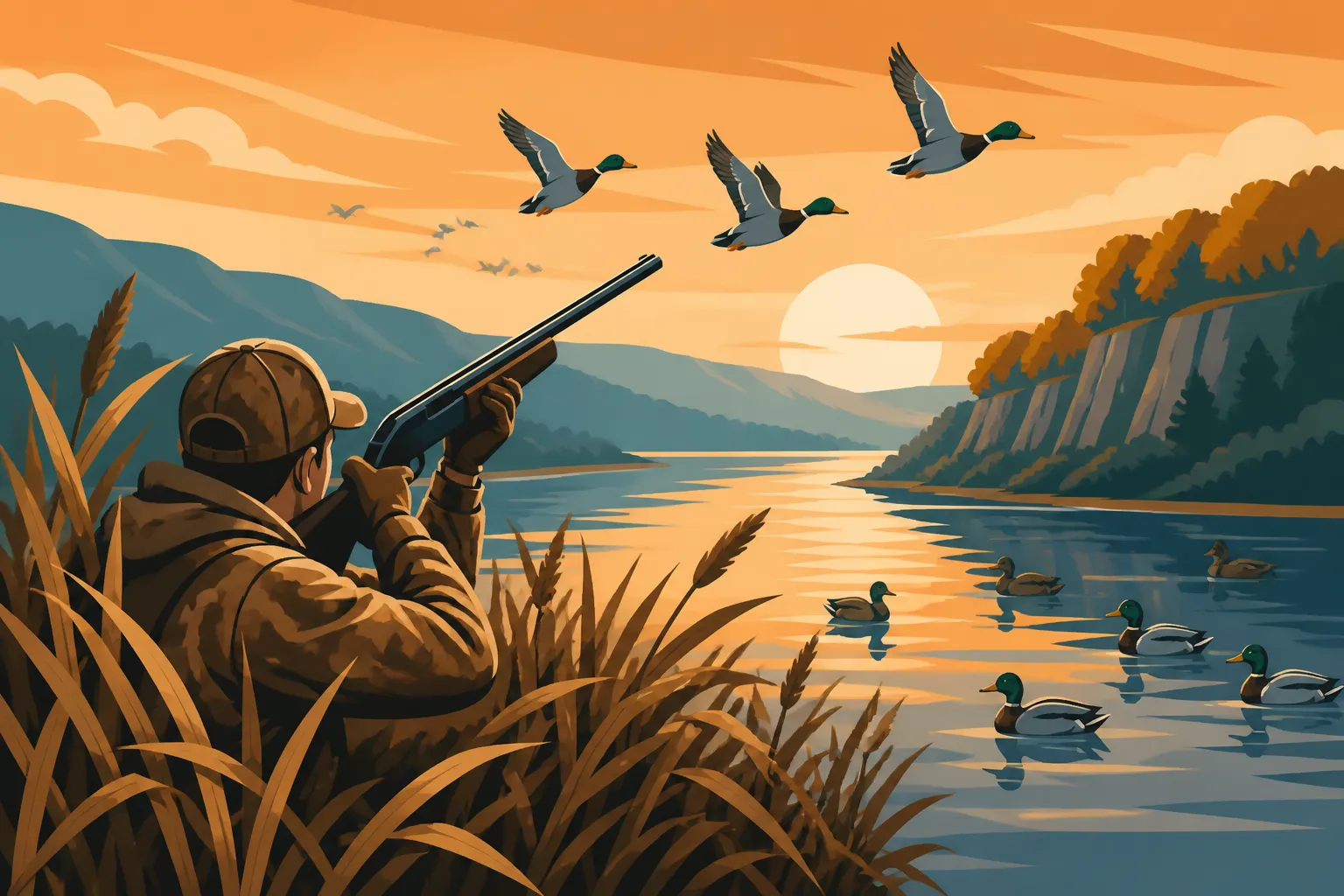
The Illinois River Valley isn't just a place; it's a living legend in the world of waterfowl hunting. Historically, its vast floodplains, backwater lakes, and sloughs provided an unparalleled buffet for migrating birds, making it one of the most productive waterfowl habitats in North America. This legacy continues today, drawing hunters from all corners of the country hoping to experience a glimpse of that storied past. It's a place where you can witness thousands of ducks and geese silhouetted against a sunrise, a sight that never fails to send shivers down a hunter's spine.
The sheer volume of birds that pass through here, especially during the peak of migration, is astounding. We're talking about mallards, pintails, canvasbacks, and countless other species funneling down this natural highway. It’s this immense concentration of birds, coupled with the varied habitat—from shallow, food-rich backwaters to the fast-moving main channel and the surrounding agricultural fields—that creates such diverse hunting opportunities. Every season, new stories are made, new traditions are forged, and the river solidifies its place as a bucket-list destination for serious waterfowlers.
Navigating the River's Dynamic Landscape
While the allure is undeniable, the Illinois River is not for the faint of heart, or the unprepared. Its dynamic nature presents a constant stream of challenges that require adaptability and respect. Water levels can fluctuate dramatically with rainfall upstream, transforming familiar hunting grounds overnight. What was a perfect slough yesterday might be a shallow puddle or a raging torrent today. This means constant monitoring and a willingness to adjust your plans on the fly are paramount.
Beyond water levels, the current in the main channel can be deceptively strong, especially during periods of high water. Navigating safely requires experience and a robust boat capable of handling the conditions. Additionally, accessing prime hunting spots often means traversing dense timber, thick brush, and notoriously sticky mud. Many a hunter has found themselves stuck, requiring serious effort to free themselves. Understanding these inherent difficulties and preparing for them is crucial. It’s part of the adventure, yes, but it’s also a significant safety and logistical consideration that can make or break your hunt.
Mastering Illinois River Valley Regulations and Zones
Before you even think about setting out decoys, you absolutely must understand the rules of the game. Illinois has specific regulations that govern waterfowl hunting, and navigating them correctly is key to a legal and enjoyable experience on the river.
Understanding Illinois Waterfowl Zones and Seasons
Illinois is divided into distinct waterfowl zones, and the Illinois River Valley spans parts of the Central and South Zones, depending on where you plan to hunt. These zones have different opening and closing dates, as well as varying season lengths. It’s not a one-size-fits-all situation, and mistakenly hunting in the wrong zone or outside of the legal dates can lead to serious trouble. Always double-check the current year's Illinois Department of Natural Resources (IDNR) waterfowl digest for precise dates and boundaries. This digest is your bible for the season.
Beyond the specific dates, remember the general requirements. Every waterfowl hunter in Illinois needs a valid hunting license, an Illinois Habitat Stamp, and a Federal Duck Stamp. Additionally, you must register with the Harvest Information Program (HIP). These aren't optional; they're the foundational requirements for stepping foot in the marsh. Make sure all your paperwork is in order before you head out. Trust me, the last thing you want is a conservation officer checking your license only to find a critical piece missing. For a more detailed breakdown, check out the official information on Illinois Waterfowl Zones and Seasons.
Deciphering Bag Limits and Species Identification
The IDNR and federal regulations also dictate specific daily bag limits and possession limits for various waterfowl species. It's not just "six ducks"; it's six ducks, no more than four mallards (only two of which can be hens), three wood ducks, two canvasbacks, one pintail, etc. These limits are in place for a reason – to ensure sustainable hunting and protect vulnerable populations. It’s your responsibility as a hunter to know these specific numbers for each species you might encounter.
Accurate species identification is critical to staying within these limits. In the heat of the moment, with birds cupped and dropping, it can be tough, but you absolutely have to be able to identify your target before you pull the trigger. Knowing the difference between a hen mallard and a pintail, or a scaup from a redhead, is not just about avoiding a ticket; it's about respecting the resource. Study your duck ID guides, watch videos, and practice in the field. The most common species you'll encounter on the Illinois River include the ubiquitous mallard, the beautiful wood duck, speedy teal, and a variety of diving ducks like canvasbacks, redheads, and lesser scaup. Pay particular attention to distinguishing these diver species, as their limits can be quite strict. To get a better handle on the specifics, read up on the Illinois Duck Daily Bag Limit.
Essential Scouting, Gear, and Logistics for River Hunting
Success on the Illinois River isn't just about showing up with a shotgun. It's about meticulous preparation, the right equipment, and a deep understanding of the environment you're stepping into.
Pre-Season Scouting: Keys to Success on the River
Scouting is your most powerful tool on the Illinois River, and it's something you should be doing long before the season even opens. Forget just driving by; this river demands a comprehensive approach. Start with digital tools: satellite imagery from platforms like GoHunt or onX Hunt are invaluable. They allow you to pour over aerial photos, identifying potential backwaters, sloughs, hidden oxbows, and timbered areas that look like duck magnets. Look for changes in vegetation, water depth indicators, and obvious travel corridors. These digital maps can reveal spots that are inaccessible by vehicle, giving you an edge.
Once you have some potential spots flagged, physical scouting is the next step. This often means exploring by boat, carefully navigating sloughs and backwaters during the off-season or before shooting light. Look for fresh sign: active feeding areas, droppings, and natural roosting spots. Pay close attention to the wind direction for different potential blind locations; understanding how the wind will affect your spread and approach is paramount. Identifying clear entry and exit points, especially in muddy or timbered areas, will save you a world of grief on hunt day. Remember, the birds will tell you where they want to be, you just have to listen and observe. Learning to read the river bottom slough for a morning flight is a skill that comes with time and dedicated scouting. For broader tips, consider reading about Scouting Illinois Public Land Before Season.
The Right Boat and Waterfowl Specific Gear
Hunting the Illinois River necessitates a serious boat. This isn't your average fishing johnboat. You'll need something robust, stable, and capable of handling strong currents and potentially rough water. Many hunters rely on heavy-gauge aluminum jon boats, often equipped with mud motors for navigating shallow backwaters or powerful outboards for the main channel. Airboats are common for accessing truly difficult terrain, though they come with their own set of considerations. Safety should be your absolute top priority: always have enough PFDs for everyone on board, working navigation lights for pre-dawn and post-dusk travel, and a reliable GPS or mapping system.
When it comes to waterfowl-specific gear, decoys are king. For puddle ducks in backwaters, realistic floating decoys, often mixed with a few full-body field decoys on stakes if you're hunting shallow edges, are essential. Motion decoys, like spinning wing models, can be incredibly effective, especially on calm days. For diver hunting on open water, you'll need large spreads, often utilizing long lines or Texas rigs, to create the impression of a massive raft of birds. Blinds can range from natural vegetation you build on-site, to pop-up ground blinds, or permanent boat blinds integrated into your vessel. Finally, good calls are crucial. Mastering various duck and goose calls will allow you to communicate effectively with passing birds, drawing them into your spread. While specific to fields, information on Layout Blind Hunting Illinois Farm Fields can offer insights into concealment tactics that are adaptable.
Strategic Hunting Tactics for Illinois River Ducks and Geese
The Illinois River Valley offers a smorgasbord of hunting scenarios, each requiring slightly different tactics. Understanding how to approach puddle ducks in timber versus divers on open water, and how to chase geese across varied landscapes, will significantly boost your success.
Puddle Duck Strategies in Backwaters and Timber
For many, puddle ducks, especially mallards and wood ducks, are the primary target on the Illinois River. These birds love the sheltered, food-rich backwaters, flooded timber, and smaller sloughs off the main channel. When hunting timber, position your blind and decoys in a natural opening, preferably with wind at your back or quartering, allowing birds to land directly into the wind in your kill hole. A few dozen mallard and wood duck decoys, strategically placed to mimic feeding and loafing birds, are often sufficient. Calling should be dynamic – sharp greeting calls to get attention, then softer quacks and feed chuckles to coax them closer. Watch for birds circling; adjust your calls to their interest level.
Jump-shooting smaller, winding creeks and isolated pockets of water is another effective tactic, especially later in the season when birds are wary of large spreads. This requires stealth, keen observation, and often a partner to push birds toward you. Don't overlook grain field edges adjacent to river bottoms; these can be dynamite for mallards leaving the roost to feed. Consider setting up a ground blind or utilizing natural cover on these edges during their morning or evening flights. For more specifics on these beautiful birds, dive into Wood Ducks in Illinois River Bottoms.
Diver Hunting on the Main Channel and Open Water
Diver hunting on the Illinois River is a different beast entirely. Species like canvasbacks, redheads, and scaup prefer large, open bodies of water, often the main river channel itself or expansive backwater lakes. The challenges here are significant: strong currents, choppy water, and the need for massive decoy spreads. Diver spreads typically involve dozens, if not hundreds, of decoys deployed in long lines or large rafts, often anchored to withstand the current. Your boat blind needs to be robust and well-camouflaged to blend into the open water.
Pass shooting can be a viable tactic, especially in windy conditions when birds are flying low and fast along the river. Positioning yourself on a point or bluff overlooking a known flyway can be effective, but safety is paramount when shooting over water and other boats. Always be aware of your backdrop and other hunters. Calling for divers is often less intricate than for puddle ducks; a simple diver whistle or a canvasback "burr" call can be enough to get their attention. The key is creating a visual spectacle that draws them in from a distance. For specialized tactics, check out Diver Hunting on the Illinois River.
Goose Hunting the River Corridor and Surrounding Fields
While the Illinois River is famous for ducks, it's also a significant corridor for Canada geese. These intelligent birds often use the river itself for roosting and security, flying out to surrounding agricultural fields to feed during the day. Early in the season, resident geese can offer fantastic hunting opportunities. Later, during the peak of the Illinois Waterfowl Migration Timing, you'll see massive flocks of migratory geese. Targeting them typically involves extensive field spreads, often using dozens, if not hundreds, of full-body goose decoys to create a realistic feeding scene.
Concealment is critical when hunting geese in open fields. Layout blinds are the standard, allowing hunters to remain hidden while observing incoming birds. Calling strategies involve strong, resonant honks to get attention, followed by clucks and murmurs as they get closer, mimicking a contented flock. Pay attention to their flight paths; geese are creatures of habit and will often follow the same routes to and from feeding grounds. Setting up along these established flight lines or in fields they've been actively using will significantly increase your odds. For specific strategies, look into Early Goose Season Tactics in Illinois and how the behavior of Mallards and Geese on the Illinois River varies by habitat.
Public vs. Private Access and Ethical Considerations
Finding a spot to hunt on the Illinois River Valley can be one of the biggest hurdles. It's a mix of publicly accessible areas and tightly controlled private land, each with its own advantages and challenges. Understanding both avenues is crucial for planning your hunt.
Navigating Public Hunting Opportunities
Illinois does offer a respectable amount of public hunting land along the Illinois River and its tributaries. State Fish and Wildlife Areas (SFWA), Conservation Areas, and even some National Wildlife Refuges provide opportunities for waterfowlers. However, these areas often come with their own set of specific regulations, which can include mandatory check-in/check-out procedures, designated hunting zones, and sometimes even lottery draws for prime blinds. It's vital to research the specific rules for any public land you plan to hunt well in advance. Some popular spots include Anderson Lake SFWA, Sanganois SFWA, and Woodford County SFWA, among others.
The trade-off for public access is often increased hunting pressure. These areas can get crowded, especially on opening weekends and holidays. To improve your chances, consider hunting mid-week when pressure is lower, or be prepared to walk or boat further than others to find less-pressured pockets of habitat. Developing a detailed map of public access points and understanding the flow of hunters will be invaluable. Remember, public land is a shared resource, so courtesy and ethical behavior toward other hunters are paramount. You can find more general information on Public Hunting Land in Illinois to help get started.
Securing Private Land and Lease Access
For many serious waterfowl hunters on the Illinois River, private land or lease access is the holy grail. Private ground generally offers less hunting pressure, greater control over your hunting setup, and the ability to manage habitat specifically for waterfowl. This can be anything from gaining permission to hunt a farmer's flooded soybean field to leasing exclusive access to a prime backwater slough. The challenge, of course, is obtaining this access. Building relationships with landowners, offering to help with chores, and always being respectful are key. It’s a long game that often requires patience and consistent effort.
Hunting leases are another option, ranging from syndicate leases where a group of hunters shares access to larger tracts, to individual agreements for smaller pieces of property. These can be costly, reflecting the high demand for quality waterfowl hunting ground in the region. When considering a lease, always ensure you have a clear, written agreement outlining the terms, including access rights, boundaries, and any restrictions. Be wary of verbal agreements when significant money is involved. The benefits of private land—the ability to control pressure, plant food plots, and build more permanent blinds—can make the investment worthwhile for dedicated waterfowlers. Also, understanding how to read a river bottom slough for a morning flight on private ground can significantly increase your success.
Conservation and the Future of Illinois River Waterfowl
The Illinois River Valley has witnessed significant changes over the decades, and its future as a waterfowl haven depends heavily on ongoing conservation efforts and responsible stewardship by hunters and landowners alike.
The Role of Habitat Preservation and Restoration
The Illinois River's ability to host millions of waterfowl is directly tied to the health of its floodplain and backwater habitats. Historically, drainage, sedimentation, and channelization negatively impacted these vital wetlands. Thankfully, significant efforts have been made to reverse some of this damage. Organizations like Ducks Unlimited, The Nature Conservancy, and the Illinois Waterfowl Alliance, alongside state and federal agencies like the IDNR and the U.S. Fish and Wildlife Service, are actively involved in projects to restore critical wetlands, manage water levels, and enhance food sources. These projects often involve creating moist soil units, planting duck-attracting crops, and controlling invasive species.
These conservation initiatives are not just about ducks; they're about the entire ecosystem of the river. Healthy wetlands filter water, reduce flooding, and provide habitat for countless other species. As hunters, supporting these organizations through membership, donations, and volunteering is a direct way to contribute to the future of the sport. Every dollar spent on a duck stamp or a hunting license also funnels directly into these vital conservation programs, underscoring the critical link between hunting and wildlife preservation. Understanding the broader context of Hunting Mississippi River Backwaters also provides a comparative perspective on similar river systems facing habitat challenges.
Sustainable Hunting Practices and Hunter Impact
The future of waterfowl hunting on the Illinois River also rests squarely on the shoulders of individual hunters. Practicing sustainable hunting means more than just following bag limits; it encompasses a broader ethical approach to the resource. This includes making clean, ethical shots to minimize crippled birds, retrieving every bird shot, and respecting other hunters and landowners. Leaving no trace, packing out all your trash, and being mindful of your impact on the environment are fundamental responsibilities.
Hunters have historically been, and continue to be, the most ardent conservationists. Our passion for the pursuit drives our desire to protect the habitats and species we cherish. By adhering to regulations, participating in conservation efforts, and introducing new generations to the ethical enjoyment of the outdoors, we ensure that the Illinois River Valley remains a vibrant destination for waterfowl and waterfowlers for generations to come. Your passion directly fuels the long-term health of these invaluable resources.
Illinois River Valley Waterfowl Species and Key Characteristics
To help you better prepare for your Illinois River Valley waterfowl hunt, here's a quick reference for some of the most commonly encountered species and their key characteristics.
| Species | Preferred Habitat | Key Identification Features | Typical Behavior |
|---|---|---|---|
| Mallard | Shallow backwaters, flooded timber, agricultural fields | Green head (drake), iridescent blue speculum, white tail | Dabbler, feeds in shallow water, often vocal |
| Wood Duck | Flooded timber, small sloughs, wooded creeks | Distinctive crest, multi-colored (drake), white eye-ring (hen) | Skittish, agile flier through timber, often roosts in trees |
| Green-winged Teal | Shallow muddy flats, emergent vegetation | Small size, green speculum, chestnut head w/ green stripe (drake) | Fast, erratic flier, often found in large flocks |
| Pintail | Open shallow water, agricultural fields | Long, slender neck; long central tail feathers (drake); white breast | Graceful flier, often lands quietly, somewhat wary |
| Canvasback | Large open water bodies, main river channel | Large, sloped bill; red head (drake), white back | Diving duck, fast direct flight, often in large rafts |
| Redhead | Open water, large shallow lakes | Round red head (drake), blue-grey bill with white band | Diving duck, rapid wingbeat, often rafts with canvasbacks |
| Lesser Scaup (Bluebill) | Open water, larger backwaters | Black head/chest with purple/green sheen (drake); large white speculum | Diving duck, fast flier, often in large "rafts" |
| Canada Goose | River roosts, large agricultural fields | Black neck, white cheek patch, large brown body | Grazes in fields, strong steady flight, very vocal flock |
Disclaimer
The information provided in this guide is for general informational purposes only and does not constitute legal advice. Hunting regulations, seasons, and permit requirements are subject to change. Always consult the most current Illinois Department of Natural Resources (IDNR) official regulations and federal guidelines before planning and executing any hunting activity. The author and publisher are not responsible for any errors or omissions, or for any actions taken based on the information provided herein. Hunt safely, legally, and ethically.