Hunting the Mississippi River Backwaters
Hunting the vast, ever-changing backwaters of the Mississippi River in Illinois can feel like trying to solve a dynamic puzzle. The challenges are real: fluctuating water levels, shifting channels, hidden stumps, and the sheer scale of the landscape can intimidate even seasoned hunters. But for those willing to embrace the adventure, these unique habitats offer some of the most diverse and rewarding hunting experiences in the state, whether you're chasing high-flying waterfowl or stalking a wary whitetail. This guide is dedicated to helping you unlock the secrets of these watery wildlands, ensuring you're prepared, knowledgeable, and ready to make the most of your time in the Mississippi River backwaters.
Understanding the Mississippi River Backwater Ecosystem for Hunting
The Mississippi River backwaters are a world unto themselves, a sprawling network of sloughs, chutes, timbered bottoms, and wetland pockets that pulse with life. Understanding this unique ecosystem is the first step to becoming a successful hunter here. It's not just about knowing where the game is, but understanding why they're there and how the environment influences their behavior.
The Dynamic Nature of Backwater Habitats
What makes the Mississippi River backwaters so fascinating, and at times frustrating, is their incredibly dynamic nature. Water levels are constantly fluctuating, dictated by rainfall upstream, snowmelt, and the Army Corps of Engineers' management of the lock and dam system. This ebb and flow completely reshapes the landscape, creating new opportunities one week and making previously accessible areas impassable the next. A prime duck hole in October might be a dry mud flat in December, or a deer bedding area might become an island overnight. This constant change means that successful hunters must be adaptable and commit to consistent scouting, sometimes right up until opening morning.
Beyond water levels, the currents within the backwater channels and sloughs can vary dramatically. While the main channel of the Mississippi is a powerful force, even the calmer backwaters can have subtle currents that influence water clarity, sediment deposition, and the growth of aquatic vegetation. This impacts everything from where ducks prefer to feed to how quickly game trails might be washed out. Furthermore, these areas are rich in diverse flora, from towering cottonwoods and silver maples that line the banks to dense stands of willows, buttonbush, and smartweed that choke smaller sloughs. Beneath the surface, you might find submerged aquatic vegetation like coontail or pondweed, all of which provide crucial food and cover for a myriad of species. The sheer complexity of these ever-shifting habitats is what makes them so challenging, yet so incredibly rewarding, for the dedicated hunter.
Key Game Species Found in the Backwaters
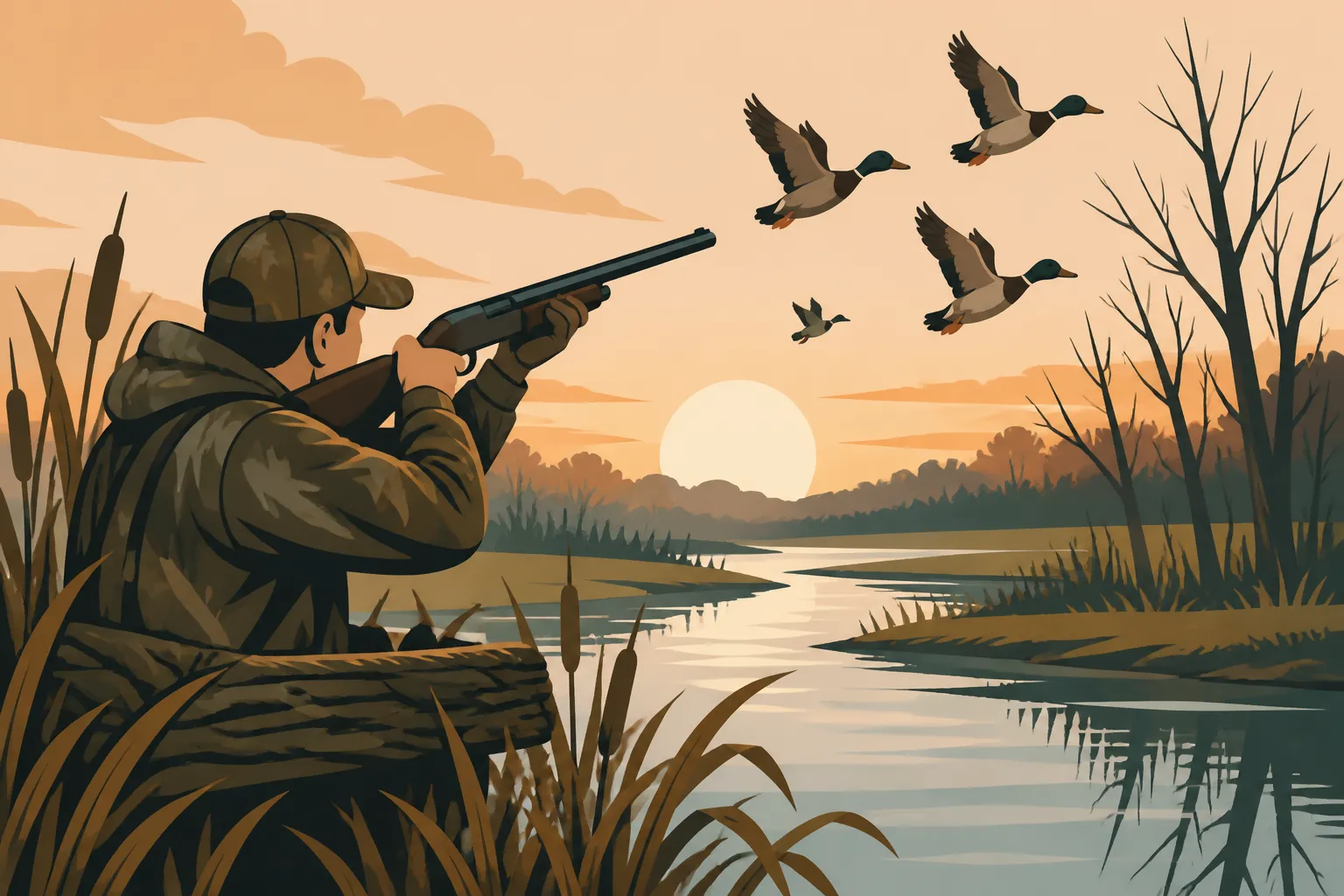
The diverse and ever-changing backwater environment supports a rich tapestry of wildlife, making it a hotspot for multiple hunting opportunities. When most people think of the Mississippi River backwaters, waterfowl immediately come to mind. This region is a critical artery of the Mississippi Flyway, attracting a spectacular array of ducks and geese during migration. You'll find puddle ducks like mallards, wood ducks, teal, and pintails dabbling in shallow vegetated areas, while diving ducks such as ringnecks, canvasbacks, and scaup prefer the deeper, more open water of larger sloughs and main river embayments. Geese, particularly Canada geese and sometimes even specklebellies or snow geese, will utilize the backwaters for roosting or staging before flying out to nearby agricultural fields to feed. Understanding the specific habits of each species, from their preferred feeding grounds to their flight patterns, is key to success.
However, the backwaters offer far more than just duck and goose hunting. The dense cover, abundant food sources, and relative remoteness make these areas prime habitat for white-tailed deer. Bucks often use the thickets and timbered islands as bedding areas, moving along natural corridors and funnels created by the waterways. The fringes of the backwaters, where the water meets agricultural fields or upland timber, can be particularly productive. For those interested in smaller game, the bottomland hardwoods and brushy edges are teeming with squirrels and rabbits. Fox and gray squirrels thrive in the mast-producing trees, while cottontails seek refuge in the dense thickets and fencerows. The unique challenges of accessing and navigating these areas for deer and small game often mean less pressure than more traditional hunting grounds, offering a truly wild experience for the persistent hunter.
Essential Gear and Preparations for Backwater Hunting
Hunting the Mississippi River backwaters demands a particular set of gear and a rigorous approach to preparation. This isn't your average field hunt or a quick jaunt into the timber. The aquatic environment, potential for extreme weather, and remote nature of many spots mean that your equipment choices and pre-hunt planning are paramount to both success and safety.
Watercraft Selection and Safety
Choosing the right watercraft is perhaps the most critical decision for backwater hunting. The ideal boat needs to be stable, capable of navigating extremely shallow water, and durable enough to withstand encounters with submerged stumps and debris. Jon boats are a popular choice due to their flat bottom and robust construction, allowing them to glide over very shallow water and handle some bumping around. They are excellent for hauling decoys, gear, and harvested game. For hunters looking for stealth and lighter loads, canoes or kayaks can be incredibly effective, allowing access to tighter pockets of timber or shallower sloughs that larger boats can't reach. Some dedicated waterfowl hunters might even employ specialized layout boats for open water hunting, though these are less common for navigating the intricate backwater maze.
Regardless of your chosen vessel, safety must always come first. The cold waters of the Mississippi, especially during late fall and winter, pose a significant hypothermia risk. Always wear a U.S. Coast Guard-approved life jacket, even if you're a strong swimmer, and ensure all passengers do the same. Carry emergency signaling devices like a whistle or air horn, a first-aid kit, and a dry bag containing essential items like a fully charged phone, maps (consider a waterproof one or using a reliable app like GoHunt with downloaded offline maps), and extra clothing. Inform someone of your float plan – your intended route, where you'll launch and retrieve, and your expected return time. Motorized boats should have appropriate navigation lights for low-light conditions, and it's always wise to carry a spare propeller and the tools to change it, as underwater obstacles are a constant threat.
Waders, Camouflage, and Weather Protection
The backwaters are, by definition, wet. High-quality, durable waders are non-negotiable for comfort and safety. Chest waders, often insulated, are preferred to handle varying water depths and cold temperatures. Neoprene waders offer excellent insulation but can be bulky, while breathable waders with insulation layers beneath provide versatility. Ensure they fit well, allowing for freedom of movement without being too baggy, which can be a tripping hazard. For camouflage, patterns that mimic marsh grasses, flooded timber, or cattails are ideal. Brands like Realtree Max-5, Mossy Oak Bottomland, or Sitka Waterfowl Optifade are designed specifically for these environments, helping you blend seamlessly with the natural surroundings whether you're tucked into a blind or positioned against a flooded tree.
Weather protection goes beyond just camo. Illinois weather, particularly along the Mississippi River, can be notoriously unpredictable, swinging from mild to bitter cold, sunny to sleeting, all within a single day. Layering is crucial. Start with a moisture-wicking base layer to manage sweat, add insulating mid-layers like fleece or down for warmth, and top it off with a waterproof and windproof outer shell. Don't forget insulated gloves or mittens, a warm hat (many duck hunters prefer beanies or facemasks that integrate with their camo), and waterproof boots for when you're out of the boat. Having extra dry clothes stored in a watertight bag in your boat is always a smart move. A hot thermos of coffee or soup can also make a world of difference when the temperatures plummet.
Decoys, Calls, and Blinds Specific to Backwaters
For waterfowl hunting, your decoy spread and calling technique will be heavily influenced by the backwater environment. Unlike wide-open agricultural fields, backwater hunting often involves tighter spaces, timber, or pockets of open water. Therefore, a mix of mallard and wood duck decoys are staples, with a few teal or pintails to add variety. Consider using jerk cords or spinning-wing decoys (where legal) to add movement and realism to your spread. The number of decoys can vary; sometimes, a smaller, realistic spread is more effective in a tight timber hole than a massive one. For Diver Hunting on the Illinois River, larger, more visible decoys are often used in open water.
Calling in the backwaters requires nuance. While loud, aggressive calling can work in open fields, the acoustics of flooded timber and tight sloughs often demand more subtle, realistic quacks, feed chuckles, and greeting calls. Practice a variety of calls and learn to read the birds' responses. Your blind setup should prioritize natural concealment. Utilize fallen timber, dense brush, or natural vegetation to create a low-profile hide. Portable blinds, like pop-up panel blinds or boat blinds, can be effective if brushed in properly. In some areas, hunters construct more permanent timber blinds. Always consider the sun's position to avoid silhouetting yourself and position your blind to maximize shooting lanes while remaining concealed. Remember, the goal is to disappear into the environment, becoming just another part of the Mississippi River Backwater Access Points.
| Watercraft Type | Pros | Cons | Ideal Backwater Use |
|---|---|---|---|
| Jon Boat | Stable, shallow draft, high capacity, durable | Heavier, less stealthy, requires trailer | Hauling gear, larger groups, open sloughs |
| Canoe | Lightweight, very stealthy, highly maneuverable | Lower capacity, less stable, limited motor options | Accessing tight timber, shallow creeks, solo/duo hunters |
| Kayak | Very stealthy, maneuverable, solo operation | Low capacity, limited stability for shooting, slow | Reconnaissance, very shallow, quiet access for solo hunters |
| Layout Boat | Extremely low profile, great for open water | Specialized, requires tender boat, limited to open water | Primarily open-water diving duck hunting |
| Airboat | Navigates extremely shallow water and mud | Loud, expensive, specialized, high maintenance | Extensive shallow marsh, specific large-scale operations |
Strategies for Hunting Waterfowl in Mississippi River Backwaters
Waterfowl hunting in the Mississippi River backwaters is a true art form, blending extensive scouting with strategic decoy spreads and finessed calling. It's about understanding the specific behaviors of migrating birds and how they interact with this unique aquatic environment.
Scouting for Roosts and Feed Areas
Successful backwater waterfowl hunting begins long before the season opens, and continues throughout with diligent scouting. You need to become intimately familiar with the specific stretches of river bottom you intend to hunt. This means more than just a quick drive-by; it means getting boots wet, running your boat, and observing the birds firsthand. Look for areas where birds are loafing or resting, which are typically deeper, less disturbed pools or sheltered sloughs. Identifying roosting sites is critical, as birds will often return to these areas at dusk and depart from them at dawn.
Even more important is locating active feeding areas. Ducks, particularly puddle ducks like mallards and wood ducks, will be looking for submerged aquatic vegetation, seeds from smartweed or millet, and invertebrates in shallow, muddy flats or flooded timber. Diving ducks will focus on mussels, snails, and larger aquatic plants in deeper water. Pay close attention to flight paths. Where are the birds flying from and to? What time of day are they moving? Observing these patterns, often from a distance with binoculars or a spotting scope, will help you pinpoint potential hunting locations. Mapping applications, like those found in GoHunt, are invaluable here. Use their aerial imagery to identify oxbows, sloughs, hidden ponds, and flooded timber. Look for changes in water color that might indicate submerged vegetation or mud flats. Note any existing blinds or areas of high hunter traffic, as you might want to avoid these to find less pressured birds. Consistent scouting is the cornerstone of a productive backwater waterfowl season.
Setting Up Decoy Spreads and Blinds
Once you've identified a promising spot through your scouting efforts, the next challenge is to set up an effective decoy spread and a well-concealed blind. The specific layout of your spread will depend heavily on the type of water you're hunting. In flooded timber, a smaller, more realistic spread of mallard and wood duck decoys, perhaps 1-2 dozen, placed in a natural-looking "hole" among the trees, often works best. The goal is to create a welcoming landing zone. Consider using a jerk string to add movement, mimicking ducks feeding or preening. In larger, more open sloughs or backwater lakes, you might expand your spread to include more decoys, creating a J-hook or U-shaped pattern with a landing zone in the middle, facing downwind. Include a few diver decoys if those species are prevalent. Remember that ducks typically land into the wind, so position your landing zone and blind accordingly.
Blending your blind into the natural surroundings is paramount. In flooded timber, this might mean simply tucking your boat into a dense patch of willows or using a boat blind heavily brushed with local vegetation. If you're on a bank or island, use natural materials like dead reeds, cattails, or branches to construct a makeshift blind that truly disappears. Pay attention to your skyline and eliminate any unnatural shapes or colors. For layout blind hunting in open shallow water, ensure your blind is completely covered with natural vegetation that matches the surrounding environment. The key is to be as invisible as possible, as backwater ducks can be incredibly wary, especially if they've seen pressure. Success often hinges on your ability to make your setup look like a natural part of the habitat.
Calling Tactics and Patience
Calling is a nuanced skill in the backwaters, different from calling over large open fields. While a loud, aggressive hail call might grab attention across a wide-open space, it can sound unnatural and blow out birds in the close confines of flooded timber or tight sloughs. Here, subtlety and realism are often more effective. Start with soft greeting calls and clucks. If birds respond, escalate your calling but be ready to back off if they turn towards you. A realistic feed chuckle can be incredibly enticing when birds are working your spread, suggesting safety and a good meal. Mastering various calls, including hen mallard quacks, contented feed calls, and even a soft pintail whistle, will give you an edge.
The art of calling also involves knowing when not to call. Often, once birds commit and are on their final approach, putting the call down is the best strategy. Over-calling can make wary birds second-guess. Patience is another virtue, especially in the backwaters. Birds might not fly consistently all morning; there might be lulls. Resist the urge to fidget, check your phone, or stand up. Stay still, stay hidden, and be ready when the next group swings through. Sometimes, the most effective "calling" is simply being completely camouflaged and letting your decoy spread do the work. Understanding the Duck Migration Timing Through Illinois will also help you anticipate when various species are most likely to be present and responsive.
Deer and Small Game Opportunities in Backwater Edges
While waterfowl often steal the spotlight, the Mississippi River backwaters also present fantastic, albeit challenging, opportunities for deer and small game hunters. The dense cover, varied topography, and food sources create excellent habitat, often with less hunting pressure than more accessible areas.
Deer Movement Along River Bottom Funnels
The Mississippi River backwaters, with their intricate network of sloughs, dry ridges, and timbered islands, create natural funnels and travel corridors that white-tailed deer instinctively use. Deer will often utilize the highest ground available, even if it's just a slight rise, to avoid deeper water and to gain a vantage point. These subtle elevation changes, coupled with dense thickets of willows, buttonbush, and tangled grapevines, form perfect bedding cover and secure travel routes. Bucks, in particular, will use these hidden pathways to move between bedding areas and food sources without being detected. During the rut, these natural funnels can become high-traffic zones as bucks cruise for does.
Hunting these areas requires careful scouting. Look for pinch points where strips of dry land narrow between two sloughs or where a deer trail crosses a shallow water-filled ditch. Identifying these constricted travel routes is key. You might find active scrape lines or rub lines along logging roads or high ground within these areas. Setting up a treestand or a ground blind on these edges, particularly where the backwater timber transitions into an agricultural field, can be highly effective. The dense cover means shot distances are often shorter, so practice close-range shots. Pay close attention to wind and thermals, as the river bottom can create swirling winds that are tricky to read. Often, the best entry and exit routes are by boat, allowing you to access remote spots without disturbing deer in more traditional land-based approaches. This can be a prime strategy for those looking to try Still-Hunting Southern Illinois Ridges in a unique setting.
Squirrel and Rabbit Hunting in Bottomland Hardwoods
Beyond the waterfowl action, the bottomland hardwoods bordering the Mississippi River backwaters offer excellent small game hunting, particularly for squirrels and rabbits. The rich, fertile soil of the river bottom supports a diverse array of mast-producing trees like various oaks, hickories, and pecan trees. These areas are squirrel magnets, especially during the early season when acorns and hickory nuts are falling. You'll find both fox and gray squirrels here, providing fast-paced and challenging hunting. Tactics often involve still-hunting slowly through the timber, pausing frequently to listen for cutting sounds or to spot movement in the canopy. Sitting quietly near a productive mast tree at dawn or dusk can also be incredibly effective.
Rabbit hunting thrives in the thick, brushy edges and fencerows where the timber meets more open ground or agricultural fields. Look for dense patches of briars, honeysuckle, or fallen timber that provide ideal cover for cottontails. Running beagles or other rabbit dogs can be a highly productive and enjoyable way to hunt these areas, flushing rabbits from their hiding spots. Even without dogs, slowly working through these thickets can push rabbits into more open shooting lanes. Be mindful of water levels, as heavy rains can flood out prime small game habitat, forcing animals to higher ground. Hunting these areas often requires tough briar-proof clothing and keen eyesight, but the rewards of a full game bag and a delicious meal are well worth the effort. For more focused advice, consider tactics for Squirrel Hunting Illinois Bottomland Hardwoods or Rabbit Hunting Illinois Fencerows.
Navigating Regulations and Public Access
Hunting the Mississippi River backwaters means understanding a complex web of regulations and knowing where you can legally access these vast public resources. This area isn't just a single entity; it's a patchwork of state and federal lands, each with its own specific rules.
Understanding Illinois Waterfowl Zones and Seasons
Illinois is divided into specific waterfowl zones, and the Mississippi River often forms the boundary for these critical management areas. It's absolutely vital to know which zone you're hunting in, as season dates and bag limits can vary significantly. For example, the North, Central, and South Zones have different opening and closing dates for ducks and geese, and specific counties along the Mississippi may fall into different zones depending on their location. The Illinois Department of Natural Resources (IDNR) website is your primary source for up-to-date information on Illinois Waterfowl Zones and Seasons.
Beyond zone dates, you must be aware of daily bag limits and possession limits for various species. The Illinois Duck Daily Bag Limit specifies how many mallards, wood ducks, pintails, etc., you can harvest in a day, often with species-specific restrictions within the total. Don't forget the legal shooting hours, which are typically one-half hour before sunrise to sunset. Crucially, all waterfowl hunters 16 years and older are required to possess a valid Illinois hunting license, an Illinois Habitat Stamp, and a federal Migratory Bird Hunting and Conservation Stamp (the "Duck Stamp"). Additionally, you must be compliant with the Harvest Information Program (HIP) by registering with the Illinois HIP Certification for Bird Hunters before hunting migratory birds. Failure to comply with any of these regulations can result in hefty fines and loss of hunting privileges, so double-check everything before heading out.
Identifying Public Land and Access Points
The Mississippi River corridor in Illinois is home to an incredible amount of public hunting land, managed by both the state and federal government. These areas provide invaluable access for hunters, but they often come with their own specific site rules that supersede statewide regulations. Identifying these public lands and understanding their unique requirements is a critical step in planning your backwater hunt.
Key public hunting areas along the Mississippi River in Illinois include numerous State Fish and Wildlife Areas (FWAs), such as Horseshoe Lake FWA or Mississippi River State Fish and Wildlife Area, and federal National Wildlife Refuges (NWRs), like the Mark Twain National Wildlife Refuge Complex. Each of these sites has specific regulations regarding hunting methods, permitted species, access points, and sometimes even a quota system or draw for specific hunts. It's not uncommon for certain areas within an FWA or NWR to be closed to hunting, or to have restrictions on boat motors, blinds, or even the types of decoys allowed. Always consult the specific site regulations for the area you plan to hunt; these are typically available on the IDNR website or posted at the site itself.
Tools like the GoHunt mapping application, or the official Using the Illinois DNR Map Tool, are indispensable for identifying public land boundaries, access points, and sometimes even specific hunting zones within a larger area. These platforms allow you to overlay public land layers, identify navigable waterways, and scout potential hunting spots from the comfort of your home. Remember that while public land offers incredible opportunities, it can also see significant hunter pressure, especially during peak season. Researching less-trafficked access points and being willing to put in extra effort to reach remote corners of the backwaters can often lead to a more successful and solitary hunting experience. Always ensure you have your Illinois Resident License Options or nonresident equivalent in hand when afield.
Disclaimer
Hunting is an inherently dangerous activity. This guide provides general information and recommendations. Always consult the most current Illinois Department of Natural Resources (IDNR) regulations, local laws, and specific site rules before engaging in any hunting activities. Hunter safety education is strongly encouraged. The author and publisher are not responsible for any accidents, injuries, or legal issues that may arise from the use of this information. Hunt safely and ethically.