Hunting a Green Field Planted for Deer
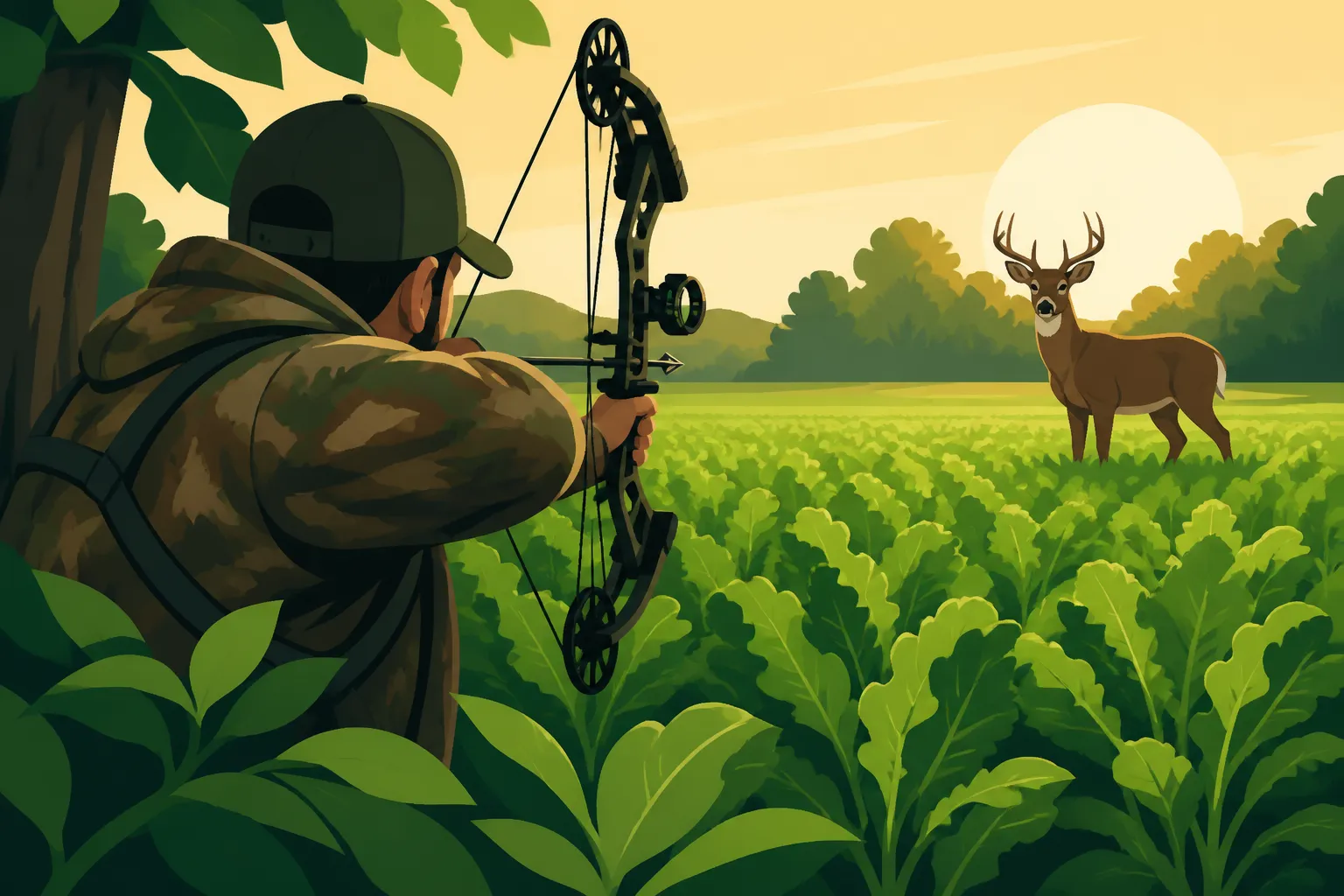
It’s a tale as old as time for Illinois deer hunters: you put in the hard work, plant that beautiful green field, watch the deer pile into it during the off-season, and then, come opening day, they vanish like ghosts. The frustration is real, and it often stems from not understanding how deer use these planted areas once human pressure enters the picture. This guide will walk you through effective strategies for successfully hunting those coveted green fields planted specifically for deer in Illinois, helping you turn anticipation into venison.
Understanding Deer Use of Green Fields in Illinois
Green fields, often referred to as food plots, are designed to attract and hold deer by providing a consistent, high-quality food source. For Illinois whitetails, these plots can be absolute magnets, especially during certain times of the year when natural forage is less appealing or abundant. However, deer are incredibly intelligent and quickly learn when a "safe" food source becomes a "dangerous" one.
Seasonal Attraction of Planted Food Sources
The attractiveness of your green field isn't static; it shifts throughout the hunting season, largely depending on the type of forage you've planted and the natural food availability in the surrounding habitat.
- Early Season (September-October): During the archery opener, many deer are still focused on natural mast crops like acorns, if it's a good year. However, lush clover, alfalfa, or early-season brassicas can be highly appealing, especially before the first hard frost. Deer are often still in their summer patterns, moving from bedding to food. If acorns are scarce, your green field becomes even more critical. Keep an eye on crops like standing corn; deer will feed heavily there until harvest. This is a time when they are less pressured, making them more predictable.
- Mid-Season (Late October-November): As the rut kicks in, deer patterns become more erratic. Bucks are cruising for does, and while they might still hit a green field for a quick energy boost, their primary focus isn't food. Does, however, will continue to frequent food plots, making these areas prime spots to catch a buck checking for estrus. Winter wheat, oats, and certain brassicas that have sweetened with a few frosts become very attractive as other natural foods begin to fade. This is when your strategically placed plot can pay dividends, as it offers a consistent draw for does.
- Late Season (December-January): This is often when green fields truly shine in Illinois. After crop harvests, falling temperatures, and increased hunting pressure, natural food sources dwindle significantly. Brassicas, like turnips and radishes, which have been frosted numerous times, become incredibly palatable, offering high energy and protein. Winter wheat, rye, and clover plots can also provide essential forage. Deer are once again food-focused, making their movements to and from these plots much more predictable, assuming hunting pressure hasn't pushed them completely nocturnal. Your focus here should be on calorie-rich options that can sustain them through the cold. If you're hunting in the late season December lull, these food plots become vital.
Nutritional Value and Deer Behavior
Different plantings offer varying nutritional benefits, which influences deer preference and behavior. Understanding this helps you predict where deer will be and when.
- Legumes (Clover, Alfalfa): These are high in protein and highly palatable, attracting deer from early season well into late season, often even through mild winters. Deer will browse these plots consistently, making them excellent choices for year-round attraction. They are especially critical for doe and fawn health.
- Brassicas (Turnips, Radishes, Rape, Kale): These are fantastic late-season food sources. After several hard frosts, the starches convert to sugars, making them incredibly sweet and irresistible to deer. They provide massive amounts of forage volume and energy, crucial for deer trying to pack on weight before or during harsh winter conditions.
- Cereal Grains (Winter Wheat, Oats, Rye): These offer quick germination and can provide early and late-season forage. Winter wheat, in particular, is a workhorse, growing through much of the winter and offering a green food source when little else is available. Deer will graze these plots, especially during colder periods, for sustained energy.
- Corn/Soybeans (Planted specifically for plots, not cash crops): While not typically "green fields" in the traditional sense, smaller plots of corn or soybeans can provide incredible draw. Corn offers high carbohydrates for energy, especially in cold weather, and standing soybeans provide protein-rich pods. These are often preferred by deer that have grown accustomed to feeding in larger agricultural fields.
The takeaway here is that deer will gravitate towards the food source that offers the most bang for their buck, nutritionally, at any given time, always balancing that with a sense of security.
Scouting and Stand Placement Strategies for Green Fields
Successfully hunting a green field isn't just about planting it; it's about how you approach it. The wrong stand placement or an overly aggressive scouting strategy can ruin a perfectly good plot before the season even begins.
Identifying Key Entry and Exit Routes
Deer rarely enter a food plot from a random direction. They have preferred pathways that offer security cover, advantageous wind patterns, or lead directly from bedding areas. Your job is to find these.
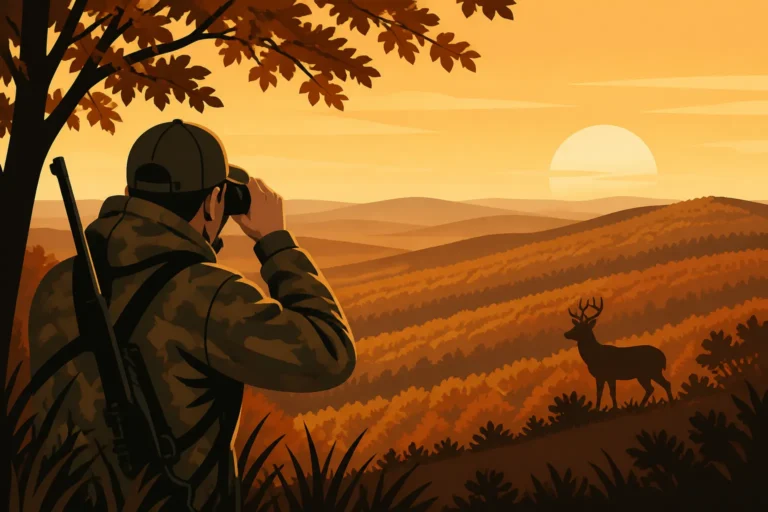
- Observe from a Distance: Before season, use binoculars or a spotting scope from a discreet, elevated position (like a distant hill or a truck on a public road) to watch how deer enter and exit the field, particularly during the last hour of daylight and first hour of morning. Pay attention to the exact points where they break cover. Use mapping software like GoHunt to study topographical features and identify potential travel corridors like draws, fencerows, or creek bottoms leading to your plot.
- Look for Sign: Once the season approaches, and especially after a rain, scout the edges of your plot, but do so minimally and on a day with a strong, favorable wind. Look for concentrated tracks, rubbed saplings, and established trails. These will often converge into obvious "funnels" or pinch points where deer prefer to enter and exit. If you’re hunting a funnel between two woodlots, those trails leading into your green field are gold.
- Consider Terrain and Cover: Deer, especially mature bucks, almost always use the path of least resistance that also offers the most cover. This means looking for draws, ditches, standing timber lines, or thick brush that extends into or along the edge of the plot. These are their security blankets. They will often stage in thicker cover just inside the woods before stepping out into the open field.
- Minimize Disturbance: This cannot be stressed enough. Every time you walk into that plot, you leave scent and disturbance. Do your pre-season scouting quickly and efficiently. Avoid walking across the main feeding area. Stick to the very edges or even outside the woods if possible. For example, if you're scouting with the Illinois DNR app, you can mark potential entry points without ever setting foot in the field itself.
Strategic Stand or Blind Placement
Once you've identified those key entry and exit points, you need to place your stand or blind where you can intercept deer without being detected. This is where wind, sun, and thermal considerations become paramount.
- Play the Wind: This is non-negotiable. Always hunt with the wind in your favor, blowing your scent away from where you expect deer to approach or bed. If the wind isn't right for a particular stand, don't hunt it. Period. Deer rely heavily on their sense of smell, and one whiff of human odor will send them packing. Think about how wind and thermals on a Southern Illinois ridge might push your scent; the same principles apply around a food plot, just often in a flatter landscape.
- Consider the Sun: For evening hunts, avoid placing your stand where the setting sun will be directly in your eyes, silhouetting you or making it hard to see approaching deer. For morning hunts, consider how the rising sun might glare off your optics or illuminate you. A little shade from a large tree can make a world of difference.
- Thermal Dynamics: In the mornings, thermals generally rise as the air warms. In the evenings, they fall as the air cools. This means your scent can travel uphill in the morning and downhill in the evening. Understand how these thermals will interact with the terrain around your plot. For example, in a low-lying food plot, evening thermals can carry your scent down into a drainage, potentially alerting deer before they even get close. Using a platform like GoHunt with detailed topography can help you visualize these air currents.
- Escape Cover and Exit Strategy: Your stand should be positioned to allow for a quiet, undetected entry and exit, even after dark. You don't want to bump deer on your way in or out. Ideally, your entry and exit routes should be completely separate from where the deer are moving.
- Elevated vs. Ground Blinds: A treestand offers a wider field of view and helps disperse your scent above a deer's nose, but requires a suitable tree. A ground blind, especially one brushed in a blind on a field edge, offers excellent concealment and is great for younger hunters or those with mobility issues. Ensure it's set up well in advance to allow deer to get used to it.
| Plant Type | Primary Season of Attraction | Key Benefit for Deer | Ideal Hunting Conditions | Hunting Strategy Notes |
|---|---|---|---|---|
| Clover/Alfalfa | Early, Mid, Late | High protein, year-round forage | Mild weather, consistent use | Good for bowhunting; long sits possible. |
| Brassicas | Mid, Late (post-frost) | High energy, palatable after frost | Cold weather, late season | Excellent for gun seasons; focus on afternoon/evening. |
| Winter Wheat/Rye | Early, Mid, Late | Green forage when other food fades | Cold, damp weather, consistent grazing | Good for morning or evening ambushes; deer are often persistent. |
| Oats | Early-Mid | Fast growth, early attraction | Mild weather, early season | Best for first few weeks of archery season. |
| Soybeans (plots) | Early, Mid, Late | High protein, pods in late season | Consistent throughout, pods in late | Great for rutting bucks checking does; late season energy. |
Effective Hunting Tactics for Green Fields
Once your stands are set and you've done your scouting, it's time to hunt. But even with a perfect setup, success often comes down to adapting your tactics to the specific conditions of the day.
Adapting to Weather and Wind
Illinois weather can be notoriously fickle, and knowing how to adjust your approach based on the forecast is critical for hunting green fields.
- Cold Fronts: A significant drop in temperature, especially after a period of mild weather, almost always gets deer on their feet and moving to food. This is an ideal time to be in your stand overlooking a green field. Deer need to fuel up to maintain body temperature, making high-calorie plots particularly attractive.
- Precipitation: Light rain or drizzle can sometimes increase deer movement, as it helps muffle sound and wash away human scent. However, heavy rain or snow can push deer into thick cover or delay movement until the weather breaks. After a snowfall, tracks will be everywhere, making it easier to identify fresh movement and preferred feeding areas.
- Wind Direction and Speed: As mentioned, wind is king. A steady, predictable wind is best, allowing you to choose a stand that keeps your scent out of the deer's approach. High winds can make deer skittish and reduce movement, but they also muffle human sounds. On extremely windy days, deer may opt for more sheltered plots or tight cover around the edges. Always have multiple stand options for different wind directions, especially if you're trying to set up on a central Illinois field edge.
- Thermals and Microclimates: Pay attention to how thermals work in your specific location. In hilly terrain, thermals will rise in the morning and fall in the evening. In flatter areas, localized air currents can be influenced by water features, timber lines, or even large buildings. A good mapping tool, like GoHunt, can help you identify these subtle elevation changes that influence air movement.
Minimizing Pressure and Maximizing Opportunity
The biggest mistake hunters make with green fields is over-hunting them. Deer will quickly learn they are being hunted and shift to nocturnal patterns or avoid the area entirely.
- Hunt Smart, Not Hard: Don't hunt your prime green field stand every time you go out. Pick your days based on optimal wind conditions and expected deer activity. If you only have one great stand, save it for the absolute best conditions. This is where scouting with trail cameras (within legal limits) can be invaluable, helping you understand when deer are actually using the plot and if they are daylighting.
- Stealthy Entry and Exit: Your approach to and from the stand is just as important as the hunt itself. Use natural cover, walk slowly, and avoid making unnecessary noise. If possible, use a route that keeps you entirely out of the deer's sightlines and scent cone until you are in your stand. Many hunters use the cover of darkness to get into or out of their stands undetected, especially for morning hunts, or they might enter the field as the sun rises.
- Calling and Decoys (Judiciously): During the rut, using grunt calls in mature Illinois timber or rattling and grunting in Illinois can sometimes pull a curious buck towards the edge of a green field, especially if he sees a doe already feeding. Decoys, particularly a doe decoy or a small buck, can sometimes draw a rutting buck into range. However, use them cautiously on pressured land, as a wary buck might be spooked by an unnatural setup.
- Patience is Key: Deer often don't enter a food plot until the last few minutes of legal shooting light, especially mature bucks. Be prepared for a long sit, and resist the urge to get down early. Many a hunter has missed out on a trophy because they packed up just before the magic happened.
- Observe and Learn: After each hunt, take notes. What did you see? What did the deer do? Did they come from an unexpected direction? Did they seem wary? Every hunt is a learning experience that helps you refine your strategy for next time. Reviewing your hunt on a mapping platform like GoHunt can help you analyze patterns and make better decisions.
Common Mistakes and How to Avoid Them
Hunting green fields seems simple on the surface, but there are several pitfalls that can quickly turn a promising situation into a frustrating one. Avoiding these mistakes is crucial for consistent success.
Overhunting and Educating Deer
This is, by far, the most common and detrimental mistake. Deer are incredibly adaptable and learn quickly. If you hunt a green field too often, or with the wrong wind, deer will associate that area with danger.
- The "Burn Out" Effect: Imagine you have a favorite restaurant, but every time you go, someone jumps out and scares you. Eventually, you'll stop going. Deer are no different. Each time they detect your presence, it "educates" them, pushing them to become more nocturnal or to find alternative, safer food sources. This is particularly true for mature bucks, who are hyper-sensitive to pressure.
- Limited Access Strategy: Develop a rotation of stand sites for different wind directions, and be disciplined about only hunting a stand when conditions are perfect. For your primary green field spot, consider hunting it only once a week, or even less, saving it for peak activity periods like cold fronts or the peak of the rut.
- Mid-Day Entry/Exit: Avoid walking through or near the food plot during the middle of the day, especially if you plan to hunt it that evening. Deer often bed remarkably close to food sources, and even during midday, you can bump deer or leave your scent, ruining the evening hunt. If you need to check a trail camera or refresh a mock scrape, do it quickly and efficiently, perhaps when it's raining or during non-peak times.
Scent Control and Quiet Movement
Deer have an incredible sense of smell and hearing. Neglecting scent control or making too much noise will consistently bust your hunts on a green field.
- Scent Management is Paramount: This goes beyond just spraying down with scent eliminator. It starts with hygiene: showering with scent-free soap, washing your hunting clothes in scent-free detergent, and storing them in airtight bags or containers. Dress at the vehicle or away from your hunting area. Use rubber boots to minimize ground scent. Consider an ozone generator if you're serious about eliminating scent on your gear. Even the smallest amount of human odor can be detected by a deer's sensitive nose.
- Quiet Footsteps: Whether you're walking to your stand or moving within it, every step should be deliberate and quiet. Clear a path to your stand of noisy leaves and twigs before the season, if possible. Avoid clothing that rustles loudly. When climbing into a treestand, do so slowly and methodically. If you're in a ground blind, ensure you can shift your weight or adjust your position without creating noise.
- Wind Checkers and Visual Aids: Always carry a wind checker (a small squeeze bottle of powder or milkweed seeds) to confirm the wind direction and any swirling currents, especially as you approach your stand. Visually scan the plot's edges before you step out or even climb into your stand to ensure no deer are already present. This small step can prevent you from bumping a deer and alerting the entire area.
Successfully hunting a green field planted for deer in Illinois requires a combination of good land management, diligent scouting, strategic stand placement, and disciplined hunting tactics. It's about respecting the deer's senses and behavior, minimizing your impact, and maximizing your opportunities when conditions are just right. With patience and smart execution, those beautiful green plots can indeed lead to some unforgettable Illinois hunting moments.
Disclaimer
Hunting carries inherent risks, and adherence to all local, state, and federal laws and regulations is paramount. Always prioritize safety, obtain proper licenses and permits, and consider taking a hunter education course. The information provided in this guide is for educational purposes only and should not replace professional advice or official regulations.