Why the State Habitat Stamp Is Required
You've got your Illinois hunting license in hand, maybe a deer permit, and you're ready to hit the woods. But then you notice that little extra line item: the State Habitat Stamp. For many of us, it can feel like just another fee stacked on top of an already growing list of expenses to enjoy our passion. It's natural to wonder, "What is this for, and why do I really need it?" This guide is here to cut through the confusion, explaining exactly why the Illinois State Habitat Stamp is required and how your contribution is vital for the health of our state's wildlife and hunting grounds.
The Core Purpose of the Illinois State Habitat Stamp
At its heart, the Illinois State Habitat Stamp isn't just another tax; it's a direct investment in the future of hunting and wildlife conservation in Illinois. Think of it as your personal contribution to a massive, ongoing effort to ensure there are healthy populations of game animals and plenty of places for them to thrive, and for us to pursue them. Without dedicated funding for habitat, the wild spaces we cherish would quickly degrade, leading to fewer animals and diminishing opportunities for hunters.
Funding the Future of Wildlife
The primary driver behind the habitat stamp is to provide a consistent, dedicated revenue stream for wildlife habitat development and land acquisition. Illinois, like many states, faces constant pressure from development, agriculture, and other land uses that can reduce or fragment critical habitat. Every dollar from a habitat stamp goes directly into programs designed to counteract these pressures. It’s about more than just maintaining what we have; it's about actively improving and expanding it for species like white-tailed deer, wild turkeys, pheasants, quail, and various waterfowl.
This stamp acts as a collective effort, pooling resources from thousands of hunters and conservationists who understand that good hunting starts with good habitat. It acknowledges that hunting isn't just about the harvest, but about the intricate ecosystems that support our game species. By contributing, you're directly helping to ensure these natural systems remain robust for generations to come, fostering healthy herds and flocks across the state.
More Than Just a Permit
It’s easy to dismiss any additional fee as just bureaucracy, but the habitat stamp plays a crucial role that a standard hunting license can't fully cover. While a hunting license provides the basic legal right to hunt, the habitat stamp specifically earmarks funds for habitat-related projects. This distinction is important because it ensures that a portion of hunting revenue is ring-fenced for the most fundamental aspect of wildlife management: a place for wildlife to live, eat, and reproduce.
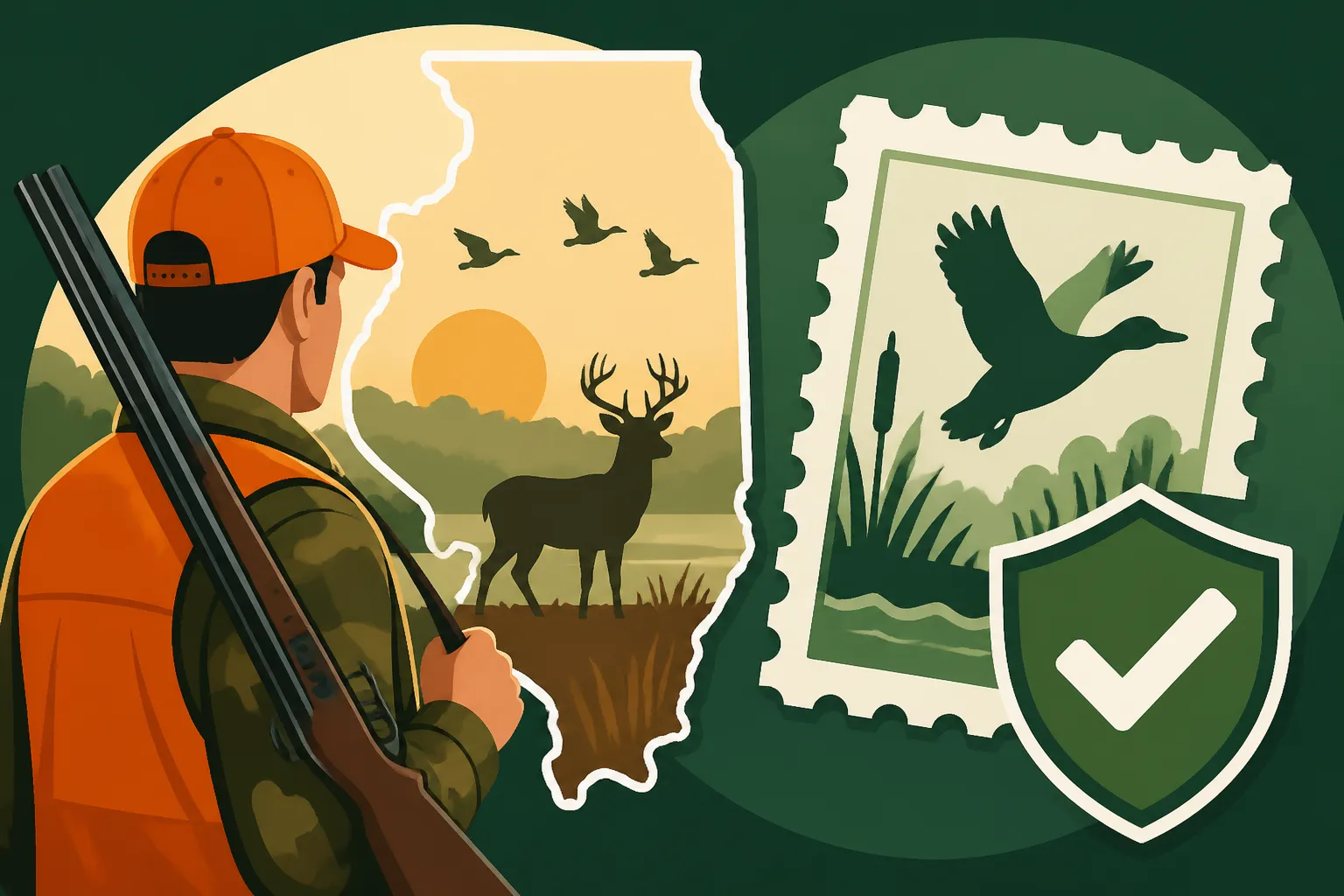
The concept is similar to a federal duck stamp, which funds wetlands conservation on a national level. On a state level, our Illinois State Habitat Stamp does the same for the diverse landscapes within our borders, from the forests of the Shawnee National Forest to the sprawling farmlands of central Illinois, and the vital river bottoms along the Illinois River and Mississippi. It’s an essential tool that underpins virtually every other wildlife management effort in the state.
Where Your Habitat Stamp Dollars Go
So, you've bought your stamp. Where does that money actually go? The Illinois Department of Natural Resources (IDNR) manages these funds, directing them towards a variety of critical projects across the state. This isn't money that just disappears into a general fund; it's invested in tangible projects that you can see and, more importantly, experience while you're afield.
On-the-Ground Habitat Improvement Projects
A significant portion of habitat stamp revenue is channeled into hands-on habitat improvement projects on public and private lands. This can involve anything from planting native grasses and pollinator-friendly plants to improve nesting cover for turkeys and pheasants, to conducting prescribed burns to rejuvenate forest undergrowth for deer browsing. It also supports wetland restoration projects crucial for waterfowl.
For example, on many of Illinois’s State Fish and Wildlife Areas, these funds are used to create and maintain food plots, restore crucial timber stands, or manage water levels in impoundments to benefit migratory birds. These are the places where you hunt, and your dollars are directly making them more productive. Without these funds, many of these crucial land management activities simply wouldn't happen, leading to less diverse and less productive hunting grounds.
Land Acquisition and Protection
Another vital use of habitat stamp funds is the acquisition of new lands and the protection of existing ones. As Illinois continues to grow, securing undeveloped tracts of land for wildlife becomes increasingly important. These funds allow the IDNR to purchase properties that connect existing wildlife corridors, expand public hunting opportunities, or protect unique ecosystems that are home to a variety of game and non-game species.
Imagine the thrill of Hunting the Illinois River Valley or exploring the vastness of Shawnee National Forest Hunting. Many of these precious areas, or additions to them, have benefited directly or indirectly from habitat stamp funding. It's about ensuring that future generations of hunters have access to wild places, preventing vital natural spaces from being lost to development forever. These acquisitions often focus on critical habitats like mature timber, sprawling grasslands, or rich bottomland hardwoods that support everything from squirrels to trophy whitetails.
Research and Management Programs
Beyond direct land work, habitat stamp funds also support crucial research and management programs. Biologists use these funds to conduct surveys, track game populations, study disease prevalence like Chronic Wasting Disease in Illinois Deer, and develop science-based management plans. This data is essential for setting seasons, managing bag limits, and making informed decisions about habitat projects.
For instance, these funds might support studies on Illinois Turkey Population Trends or help monitor Illinois Deer Herd Size to ensure sustainable hunting opportunities. This scientific approach ensures that our hunting regulations are based on real-world data, not just assumptions, leading to healthier game populations and more successful hunting seasons for everyone. Understanding how deer react to Hunting After a Poor Acorn Year or how various duck species utilize certain wetlands is all part of this vital research supported by your stamp.
Who Needs an Illinois State Habitat Stamp and How to Get One
Understanding who needs to buy the habitat stamp and how to acquire it can sometimes feel like navigating a maze. But once you know the rules, it's pretty straightforward. This stamp is mandatory for a wide range of hunting activities in Illinois, with a few important exemptions.
General Requirements
If you're an Illinois resident or nonresident planning to hunt game animals in Illinois, chances are you'll need a State Habitat Stamp. This includes anyone hunting deer, turkey, pheasant, quail, rabbit, squirrel, and migratory birds like doves, ducks, and geese. The stamp is typically required in conjunction with your base hunting license and any specific species permits you might need.
It’s critical to remember that this isn't an option; it's a legal requirement. Failure to possess a valid habitat stamp when required can result in a citation, so always make sure you're properly licensed before heading afield. Tools like GoHunt can be helpful for keeping track of all the licenses and stamps you need for your chosen species and season. They offer comprehensive guides that often include reminders for these state-specific requirements.
The stamp is generally valid for one license year, which typically runs from April 1st through March 31st of the following year. So, if you purchase one for the fall hunting season, it will usually cover you through the following spring turkey season, depending on the specific dates of purchase and renewal.
| Category | Requirement for Habitat Stamp | Details |
|---|---|---|
| Resident Hunters (18-64) | Required | All resident hunters aged 18 to 64 must purchase. |
| Nonresident Hunters | Required | All nonresident hunters, regardless of age, must purchase. |
| Youth Hunters (Under 18) | Exempt | Hunters under 18 years old are exempt from purchasing a habitat stamp. |
| Senior Hunters (65+) | Exempt | Resident hunters aged 65 and older are exempt. |
| Disabled Hunters | Exempt | Certain disabled resident hunters may be exempt with proper documentation. |
| Landowners Hunting Own Property | Exempt (with conditions) | Resident landowners hunting only on their own property are generally exempt from the hunting license and habitat stamp requirement, but still need species-specific permits (e.g., deer tags). |
| Sport Fishing License Holders | Not Required | Only required for hunting; not for fishing activities. |
Exemptions to the Rule
While most hunters need a habitat stamp, there are some specific exemptions designed to make hunting accessible or to acknowledge the unique contributions of certain groups:
- Youth Hunters: Anyone under the age of 18 is typically exempt from the habitat stamp requirement. This is a fantastic initiative to encourage young people to get involved in hunting without added financial barriers. However, they will still need appropriate permits for specific species, such as a youth deer permit if they participate in Hunting the Illinois Youth Deer Weekend.
- Senior Resident Hunters: Illinois residents who are 65 years of age or older are also exempt from purchasing a State Habitat Stamp. This is a nod to their years of contribution and passion for the sport.
- Disabled Hunters: Certain resident hunters with disabilities may also be exempt, provided they meet specific criteria and possess the necessary documentation from the IDNR. It's always best to check the most current regulations for disabled hunter permit options.
- Landowners: Resident landowners, their tenants, or members of their immediate family may be exempt from the habitat stamp when hunting only on their own property. However, it’s crucial to understand that while they might be exempt from the license and stamp, they are almost always still required to obtain species-specific permits (like deer or turkey tags) to hunt those animals, even on their own land.
It’s always a good idea to consult the most current Illinois hunting regulations summary or the Illinois DNR website to confirm all requirements, as rules can sometimes change.
How to Purchase Your Habitat Stamp
Purchasing your Illinois State Habitat Stamp is a simple process, usually done concurrently with your other hunting licenses and permits.
- Online: The easiest and most common way to purchase your stamp is through the Illinois Department of Natural Resources (IDNR) online license sales portal. Many hunters find this platform user-friendly, and it's where you'll also purchase your base hunting license and any specific species permits. Websites like GoHunt often integrate directly with state licensing systems or provide direct links, making the process even smoother.
- Licensed Vendors: You can also purchase your habitat stamp from any licensed vendor throughout the state. This includes many sporting goods stores, bait shops, and even some large retailers that sell hunting and fishing supplies. These vendors are equipped to process your purchase and provide you with a physical or electronic copy of your stamp.
- By Phone: For those who prefer, the IDNR also provides a phone option for purchasing licenses and stamps. Details for this service are usually available on the IDNR website.
Regardless of how you purchase it, make sure you receive proof of your purchase, whether it's a physical stamp, a printed receipt, or a digital copy on your phone. Law enforcement officers will ask to see it if you're checked in the field. Remember, you can often carry proof of license on your phone, but a backup paper copy is never a bad idea, especially in areas with poor cell service.
The Impact of Your Contribution on Illinois Hunting
The State Habitat Stamp is more than just a bureaucratic hurdle; it’s a tangible way that hunters contribute directly to the resources we enjoy. The long-term benefits of this funding are profound, ensuring that hunting remains a vibrant and sustainable tradition in Illinois.
Sustaining Game Populations and Ecosystems
Every habitat stamp purchased contributes to the health and resilience of Illinois's game populations. By funding critical projects like wetland restoration, grassland establishment, and timber stand improvement, these dollars create better breeding grounds, forage areas, and cover for deer, turkey, waterfowl, and small game. This directly translates to more animals in the field for hunters to pursue. It’s an investment that pays dividends in robust populations and balanced ecosystems.
Consider the efforts to restore native prairie or manage agricultural edges. These activities, funded by your stamp, provide essential habitat for upland birds like pheasants and quail, which have struggled with habitat loss over the decades. Programs like these are why the IDNR can manage Illinois Pheasant Season and Stocking to ensure opportunities for hunters. The stamp is a proactive measure against habitat degradation, ensuring that the diverse landscapes that make Illinois unique continue to support abundant wildlife.
Expanding and Improving Public Hunting Opportunities
For many hunters, especially those without access to private land, public hunting areas are their primary opportunity. The habitat stamp plays a crucial role in maintaining and expanding these vital resources. Funds are used to improve accessibility, maintain trails, create parking areas, and enhance the habitat within Illinois's extensive network of public lands, including State Fish and Wildlife Areas and portions of national forests.
If you enjoy Scouting Illinois Public Land Before Season or spending time at places like Jim Edgar Panther Creek Fish and Wildlife Area, you're directly benefiting from the investment made through these stamps. It ensures these areas remain viable, productive, and enjoyable for all hunters. Without this dedicated funding, the quality and quantity of public hunting land would inevitably decline, limiting access and enjoyment for thousands of hunters. It reinforces the idea that access for hunters is directly tied to the health and management of the land.
A Legacy for Future Generations
Ultimately, the Illinois State Habitat Stamp is about legacy. It’s about ensuring that the rich hunting traditions we cherish today are preserved and enhanced for our children and grandchildren. By contributing to habitat conservation, hunters are demonstrating a deep commitment to the land and its wildlife, actively participating in stewardship rather than just consumption.
This shared responsibility helps to safeguard the wild places that offer more than just a harvest; they offer solitude, connection to nature, and the timeless challenge of the hunt. When you purchase that stamp, you're not just complying with a regulation; you're joining a community dedicated to a cause larger than any single hunt – the perpetuation of healthy ecosystems and sustainable hunting for generations to come. It’s a small price to pay for such a significant impact on our wild heritage.
Disclaimer
Please remember that hunting regulations can change. While this guide provides comprehensive information, always consult the most current Illinois Department of Natural Resources (IDNR) regulations or their official website before heading afield to ensure you are in full compliance with all laws and requirements.