Hunting the Illinois Youth Deer Weekend
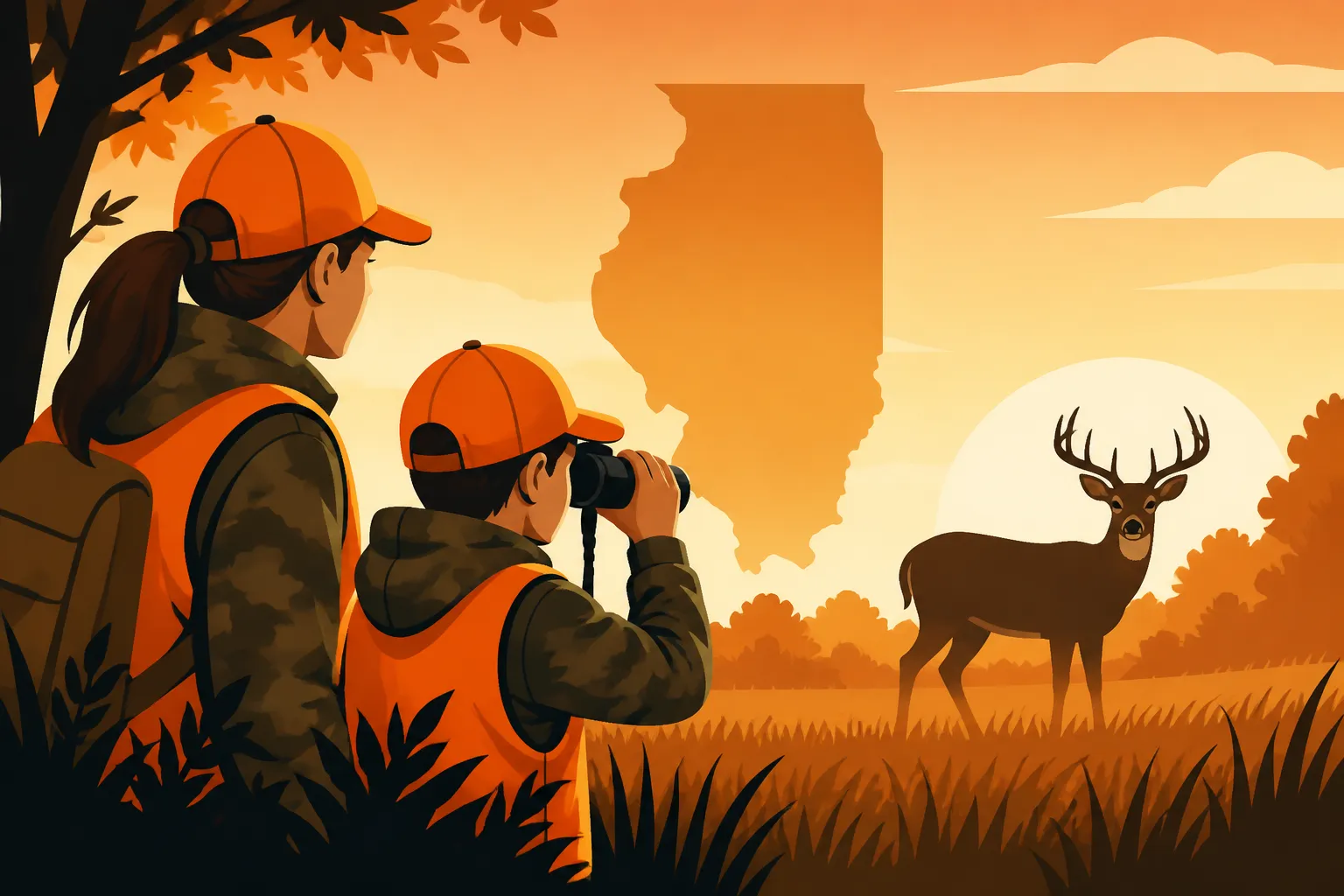
There’s nothing quite like the excitement, and sometimes the sheer challenge, of introducing a young hunter to the incredible world of deer hunting. For many parents and mentors in Illinois, the dedicated Youth Deer Weekend offers a prime opportunity to create lasting memories and perhaps even fill the freezer, but it comes with its own set of rules and considerations. This comprehensive guide will walk you through everything you need to know to make your Illinois Youth Deer Weekend a success, focusing on preparation, strategy, and making it an unforgettable experience for your young hunter.
Understanding the Illinois Youth Deer Weekend Framework
The Illinois Youth Deer Weekend is a special season carved out specifically for younger hunters, giving them a unique chance to experience deer hunting before the general firearm seasons kick off. It's designed to promote youth involvement in hunting and provide a less pressured environment. Understanding the specific dates, eligibility, and permit requirements is your first crucial step to a successful hunt.
Key Dates and Eligibility Requirements
The Illinois Youth Deer Weekend usually takes place in October, typically on a weekend before the first firearm season. This timing often means milder weather, which can be a huge benefit for keeping young hunters comfortable and engaged. To participate, hunters must be under the age of 18 at the time of the hunt. They must also have a valid Illinois hunting license and a Habitat Stamp, in addition to their Youth Deer Permit. It's not enough just to show up with a permit; proper licensing is key. If your young hunter hasn't completed their hunter education yet, they can participate under the supervision of a licensed adult through the Apprentice Hunter License program, though taking the full course is always recommended. For a deeper dive into the overall structure of deer hunting in the state, you can refer to our guide on Illinois Deer Season Structure Explained.
The IDNR sets specific age criteria and requires that all youth hunters be accompanied by a non-hunting adult (18 years or older) who holds a valid Illinois hunting license or a Furbearer Hunting License. This adult supervisor cannot hunt during the Youth Deer Weekend, reinforcing the focus on the youth hunter's experience. It’s a dedicated time for mentoring, not for the adult to tag along with their own weapon. Always double-check the current year's dates and regulations on the official Illinois Department of Natural Resources (IDNR) website, as these can sometimes shift slightly.
Permit Acquisition and Weapon Restrictions
Securing the correct permit is essential. Youth Deer Permits are available over-the-counter and are valid statewide, typically allowing the harvest of one deer of either sex. This flexibility is fantastic, as it removes the antler point restrictions that can sometimes be a hurdle for new hunters, allowing them to focus on ethical harvest rather than trophy size. These permits are usually available well in advance of the season, so don't wait until the last minute! You can find details on various permit options in our article on Illinois Resident Deer Permit Options.
When it comes to legal weapons, the Youth Deer Weekend generally follows the same rules as the regular firearm seasons. This means shotguns (20 gauge or larger, using slugs), muzzleloaders, and certain centerfire rifles (straight-wall cartridge firearms only) are permitted. For a youth hunter, a 20-gauge shotgun with appropriate low-recoil slugs is often a great choice, as it offers a good balance of power and manageable recoil. Ensuring your hunter is comfortable and proficient with their chosen firearm is paramount, which leads us to our next crucial step: preparation.
Preparing for a Successful Youth Hunt
Hunting with a young person isn't just about bagging a deer; it's about fostering a love for the outdoors, teaching responsibility, and ensuring safety above all else. Proper preparation makes all the difference, transforming a potentially frustrating outing into a memorable adventure.
Gear Essentials and Hunter Safety
Safety is non-negotiable, especially with young hunters. Blaze orange requirements are in effect during the Youth Deer Weekend, so ensure both the youth hunter and the accompanying adult are wearing sufficient amounts – generally at least 400 square inches on the head, chest, and back. Comfortable, layered clothing suitable for October weather is also key. Illinois Octobers can range from crisp and cool mornings to surprisingly warm afternoons. Waterproof boots, gloves, and a warm hat are always good to have on hand, even if they don't get used. Don't forget snacks, water, a first-aid kit, and a fully charged phone.
Beyond clothing, think about the gear that directly impacts the hunt. A comfortable, stable shooting rest is crucial for a youth hunter. A bipod or shooting sticks can make a huge difference in accuracy and confidence. Consider a ground blind for warmth, concealment, and added stability, especially if you'll be sitting for extended periods. It can also help minimize movement and keep a young hunter more engaged. If your young hunter hasn't yet completed their hunter education, please review the Illinois Hunter Education Requirements to ensure they are properly supervised or certified.
Pre-Season Scouting and Practice
Just like any other deer hunt, scouting before the Youth Deer Weekend dramatically increases your chances of success. Since the season is in October, deer patterns might be shifting from summer to fall food sources. Focus on areas with early-season acorns, agricultural fields (like cut corn or standing soybeans), and thick bedding cover. Look for fresh tracks, rub lines (even small ones from younger bucks), and fresh droppings. Using a mapping application like GoHunt can be invaluable here, allowing you to identify potential pinch points, food sources, and bedding areas on public or private land from the comfort of your home.
Taking your youth hunter to the shooting range well in advance is absolutely critical. They need to be completely comfortable and confident with their firearm. Practice shooting from various positions they might encounter in the field – from a standing rest, a sitting position, or inside a ground blind. Emphasize shot placement and reinforce safe gun handling habits. A comfortable and accurate shot will boost their confidence immensely and ensure a clean, ethical harvest. Don't just practice once; make it a few trips so it becomes second nature.
Effective Hunting Tactics for Youth Hunters
The Youth Deer Weekend is often a fantastic time for deer activity, as the weather is typically mild and the rut isn't in full swing yet. This means focusing on food sources and natural travel corridors can be highly effective.
Targeting Food Sources and Travel Corridors
Deer, especially in early fall, are highly focused on food. Identify primary food sources in your hunting area. If you're hunting near agricultural fields, look for edges where deer funnel in and out. This could be a small woodlot bordering a cornfield, a fencerow leading to soybeans, or a creek bottom offering cover between feeding and bedding areas. Setting up a ground blind or a well-placed treestand (ensure you're familiar with Treestand Setups in Shawnee National Forest if on public land there, or similar rules elsewhere) overlooking these entry and exit points at dawn and dusk can be incredibly productive.
If there's a good acorn crop, timber stands with mature oaks can be deer magnets. Spend some time searching for areas with fresh acorn sign. Often, deer will hit these spots mid-morning after leaving agricultural fields, or again in the late afternoon. Small funnels and bottlenecks, like saddles between ridges or narrow strips of timber connecting larger woodlots, are always excellent places to target. These natural travel lanes condense deer movement, making them predictable.
Patience, Positivity, and Managing Expectations
This is perhaps the most important "tactic" of all. Youth hunters, especially first-timers, can have a short attention span. Sitting still and quiet for hours can be a huge ask. Break up the hunt if needed. Talk quietly about the woods, identify different birds, or explain deer behavior. Bring a thermos of hot chocolate or some special snacks to make the experience more enjoyable. The goal isn't just a kill; it's to instill a lifelong love for hunting and the outdoors.
Manage expectations for both yourself and your young hunter. The odds of harvesting a deer on any given hunt are never 100%. Emphasize that the experience itself – seeing wildlife, spending time together, learning about nature – is the real trophy. Celebrate small victories, like spotting a squirrel, hearing a distant gobble, or just sitting quietly. If a deer does come into range, guide them through the shot process calmly and clearly. The pressure of a first deer can be intense, so your supportive presence is invaluable.
Making the Experience Memorable and Educational
The Youth Deer Weekend is more than just a hunt; it's a profound learning opportunity. It’s a chance to pass on traditions, teach invaluable lessons about conservation, and create bonds that will last a lifetime.
Beyond the Harvest: Learning and Conservation
Whether your young hunter harvests a deer or not, the educational aspects of the Youth Deer Weekend are paramount. Teach them about deer biology, habitat, and the role of hunting in wildlife management. Explain why licenses and permits are necessary for conservation funding and how data from deer harvests helps biologists monitor populations. This helps them understand that hunting is not just about taking an animal, but about being a responsible steward of the land and its resources.
Take the time to discuss ethics, fair chase, and shot placement. If you do harvest a deer, walk them through the field dressing process step-by-step. Explain why it's done and how it respects the animal. For those who are new to this, our guide on Field Dressing a Deer in Cold Weather offers practical advice that can be adapted to any season. Involving them in the entire process, from tracking and recovery to field dressing and processing, deepens their connection to the experience and teaches them valuable life skills.
Fostering a Lifelong Love for the Outdoors
The memories made during these early hunts often shape a person's entire relationship with the outdoors. Make it an adventure! Tell stories, share your own hunting experiences (both successful and challenging), and answer all their questions, even the silly ones. These shared moments build rapport and make them feel like an integral part of the experience, not just a passenger.
Consider what unique elements you can add to the trip. Maybe it's a special campfire, a favorite meal cooked at camp, or a stop at a local landmark. These details can elevate the hunt from just an outing to a cherished tradition. Remember, the goal is to light a spark, not to burn them out. If they get cold, bored, or frustrated, be ready to call it a day and try again later. One positive, shorter hunt is always better than a long, miserable one.
Navigating Public Versus Private Land for Youth Hunts
Choosing where to hunt can be a significant decision, especially for a youth hunter. Both public and private lands offer unique opportunities and challenges.
Public Land Access and Considerations
Illinois offers a variety of public hunting lands, including State Fish and Wildlife Areas, State Parks, and portions of the Shawnee National Forest. While these areas can be great resources, they often come with increased hunting pressure, particularly during special seasons like the Youth Deer Weekend. Using a mapping application like GoHunt can help you scout these areas digitally, identify potential access points, and locate areas that might see less pressure due to difficult terrain or longer walks. Before heading out, always check the specific rules and regulations for the particular public land you plan to visit, as rules can vary significantly from one site to another. Some public lands may require special permits or have check-in/check-out procedures.
Hunting on public land with a youth hunter means being extra mindful of other hunters. Practice good etiquette, maintain a safe distance from other groups, and always be visible with your blaze orange. It's also an excellent opportunity to teach your young hunter about respecting public resources, leaving no trace, and sharing the woods responsibly. For more details on finding good spots, our article on Scouting Illinois Public Land Before Season offers valuable insights that are highly applicable to youth hunts.
Gaining Private Land Permission
Hunting on private land often provides a more controlled and less pressured environment, which can be ideal for a youth hunter's first experiences. If you don't own land, gaining permission from a landowner is the next best option. This usually involves polite requests, offering help with chores, or building a relationship over time. Be clear about your intentions – that you're looking for an opportunity to take a young hunter, emphasizing safety and respect for their property.
When hunting private land, make sure you understand the landowner's specific wishes. Are there certain areas they want you to avoid? Any specific instructions for gates or livestock? Always leave the property better than you found it. A successful youth hunt on private land can strengthen relationships with landowners and open doors for future opportunities. The less pressure and more predictable deer patterns often found on private land can significantly increase the chances of a deer encounter, boosting a young hunter's confidence.
What to Do After the Shot: Recovery and Reporting
The moment after the shot is often a mix of excitement and adrenaline. Knowing what to do next is crucial for an ethical and successful recovery.
Tracking and Recovery Techniques
If your youth hunter makes a shot, the first step is to remain calm. Talk them through what happened, where they think they hit the deer, and the deer's reaction. Even if the deer dropped in sight, give it a few minutes before approaching. If it ran, wait at least 30 minutes, or even longer for a marginal hit, before beginning to track. This waiting period allows the deer to lie down and stiffen, making recovery much easier.
When tracking, look for blood, hair, bone fragments, and disturbed ground. Mark the last known location of the deer and the start of the blood trail. If the blood trail becomes sparse, expand your search in circles or grid patterns around the last sign. Involve your young hunter in the tracking process; it’s another valuable lesson. Teach them to look for subtle signs. If you lose the trail, back out, mark your last spot, and come back with fresh eyes, or even consider calling a tracking dog service if the situation warrants it. For more detailed advice, check out Blood Trailing After Dark in Illinois, as sometimes recovery extends past daylight.
Illinois Deer Reporting Requirements
Once you've successfully recovered the deer, the final step is to report the harvest to the IDNR. This is a mandatory step for all deer harvested in Illinois. The process is quick and easy, typically done online through the IDNR website or by phone, within a specific timeframe (usually by 10 PM on the day of harvest). You'll need information from your Youth Deer Permit and details about the deer (sex, county of harvest).
Reporting the harvest is not just a formality; it's a vital part of conservation. The data collected helps wildlife biologists manage deer populations effectively, ensuring healthy herds for future generations of hunters. Teach your youth hunter the importance of this step, showing them how their actions contribute to the bigger picture of wildlife management. It reinforces the idea that hunting is a privilege that comes with responsibilities.
Summary Table: Youth Deer Weekend vs. General Firearm Season
To help clarify the unique aspects of the Youth Deer Weekend, here's a quick comparison with the general firearm seasons:
| Feature | Illinois Youth Deer Weekend (Typical) | Illinois General Firearm Seasons (Typical) |
|---|---|---|
| Dates | Early-to-mid October (specific weekend) | Mid-November (First Season) and Early December (Second Season) |
| Eligibility | Hunters under 18 years old | All legal hunters |
| Supervision Required | Yes, by non-hunting adult 18+ with valid hunting license | Not typically, unless under Apprentice Hunter License rules |
| Permit Type | Youth Deer Permit (over-the-counter, statewide) | County-specific permits (lottery/over-the-counter) |
| Antler Restrictions | No antler point restrictions (either-sex deer) | Typically applies to some antlered permits (check specific county/permit) |
| Hunting Pressure | Generally lower than general firearm, but still present on public land | Can be high, especially on opening weekend of First Firearm Season |
| Weather Conditions | Often milder, more comfortable | Can be much colder, snowy, or rainy |
| Focus of Hunt | Primarily mentorship, education, and youth experience | Broader focus on harvest, often more competitive |
| Weapon Rules | Shotgun, Muzzleloader, Straight-Wall Cartridge Rifle | Shotgun, Muzzleloader, Straight-Wall Cartridge Rifle |
This table highlights why the Youth Deer Weekend is such a valuable opportunity for new hunters, offering a more focused and, in many ways, less intimidating introduction to deer hunting.
Disclaimer
Hunting is an inherently dangerous activity. Always prioritize safety, adhere to all local, state, and federal regulations, and practice ethical hunting principles. This guide provides general information and recommendations; specific rules and conditions can change. Always consult the official Illinois Department of Natural Resources (IDNR) website for the most current regulations, dates, and permit information before planning any hunt. The author and publisher are not responsible for any accidents, injuries, or legal infractions incurred during hunting activities.