Illinois Deer Herd Size
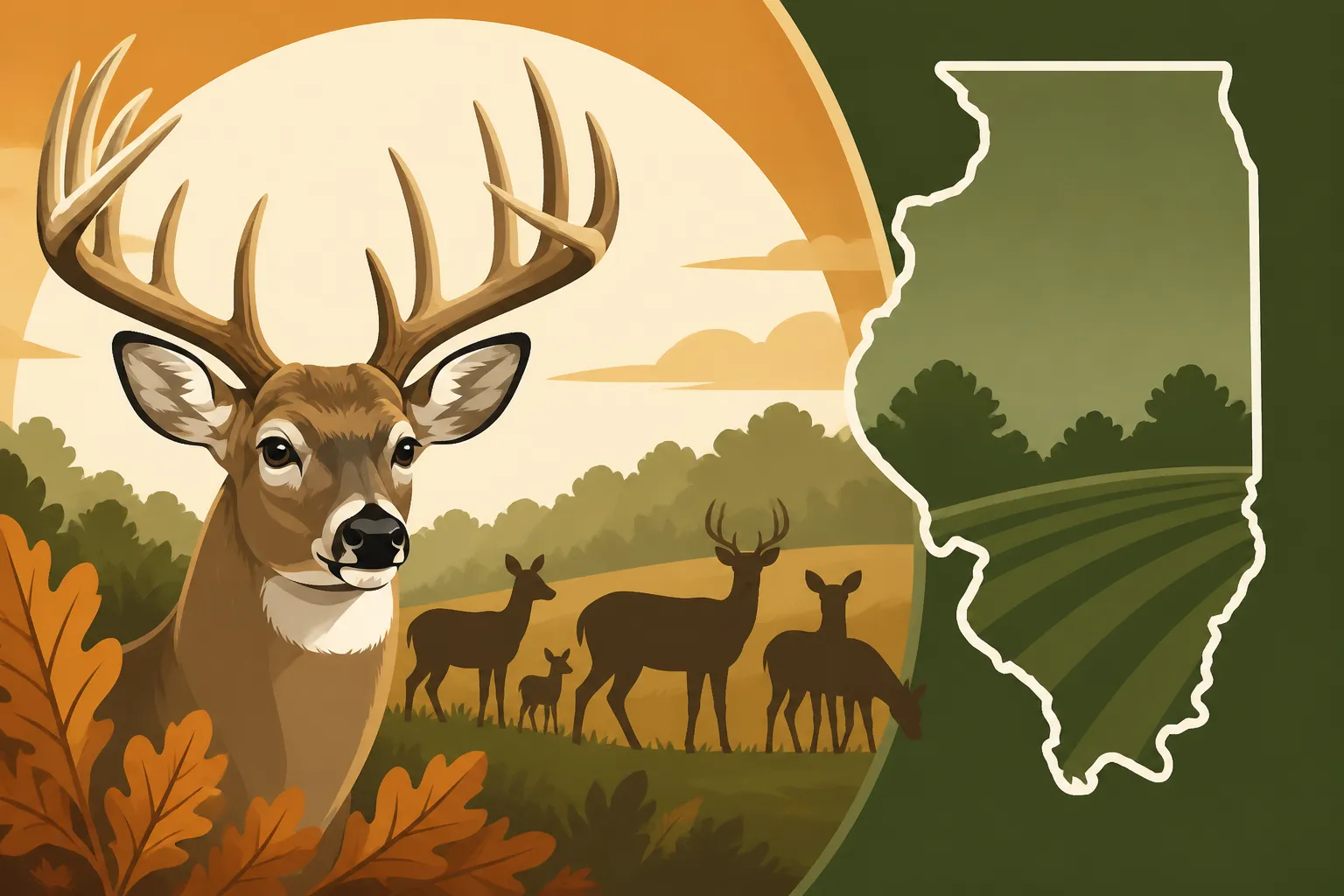
When you head out into the timber or along a field edge in Illinois, there’s an unspoken question in every hunter’s mind: just how many deer are out there? Understanding the current Illinois deer herd size isn't just a matter of curiosity; it's crucial for planning your hunts, applying for permits, and ultimately, increasing your chances of success. This guide will dive deep into how Illinois's deer population is estimated, why it varies so dramatically across the state, and what these numbers mean for you, the hunter.
Estimating the Illinois Deer Herd
Trying to get an exact headcount of wild deer across an entire state like Illinois is a bit like trying to count every single leaf on a tree – it’s an impossible task. What wildlife biologists and the Illinois Department of Natural Resources (IDNR) rely on are sophisticated estimation methods that provide a very good picture of population trends and densities. These aren't perfect, but they're the best tools we have to manage such a dynamic resource.
Methods Used by the Illinois Department of Natural Resources
The IDNR employs a multi-faceted approach to gauge the health and size of the white-tailed deer population. One of the most significant data points comes directly from hunters themselves: the mandatory harvest reporting system. Every deer legally harvested in Illinois contributes to a vast dataset that includes the county of harvest, sex, and often the age of the deer. This information, especially when analyzed over years, reveals trends in harvest success, hunter effort, and population changes. If harvest numbers are consistently up in a particular county, it's a strong indicator of a robust deer population in that area.
Beyond hunter reports, other crucial methods come into play. Data from Illinois Deer Vehicle Collisions provides another valuable metric. When deer populations are high in certain areas, there's often a corresponding increase in deer-vehicle accidents. While unfortunate, this data helps pinpoint areas of high deer density, especially along major roadways. Additionally, the IDNR sometimes conducts spotlight surveys, typically at night, driving established routes and counting deer observed. These surveys offer direct observation data, although they are resource-intensive and often limited to specific areas. Finally, biological check stations and voluntary hunter submissions for things like CWD testing provide direct samples that offer insights into herd health, age structure, and disease prevalence, all of which are critical components of understanding the overall herd status.
Challenges in Accurate Counting
Despite these comprehensive efforts, accurately counting wild deer presents significant challenges. Illinois's diverse landscape, ranging from dense southern forests to vast central farmlands and suburban woodlots, creates a complex environment for population assessment. Deer are masters of camouflage and nocturnal activity, making direct observation difficult. A large portion of their lives is spent in thick cover, especially during daylight hours, which can lead to underestimation in visual surveys.
Furthermore, deer behavior itself can complicate matters. Their home ranges can vary, and localized movements due to food availability, breeding activity (like Hunting the Rut in Early November), or even hunting pressure can temporarily shift populations, making a static count misleading. Habitat fragmentation, where prime deer habitat is broken up by roads, developments, or agricultural fields, can create pockets of high density right alongside areas of sparse deer, making a statewide average less representative of the hunter's ground-level experience. For this reason, many hunters turn to comprehensive mapping and data analysis tools like GoHunt to supplement official reports, allowing them to cross-reference their personal observations with broader trends. The IDNR’s estimates, while robust, are always framed as just that – estimates – to account for these inherent challenges.
Regional Differences in Herd Size
Illinois is a long state, stretching from the northern deciduous forests and urban sprawl to the vast central prairies and down into the rugged Shawnee Hills. It should come as no surprise that the deer herd isn't uniformly distributed. The landscape, habitat, and human population density all play a significant role in where deer thrive and how many you'll find.
Southern Illinois: Shawnee National Forest Impact
Down in the southern reaches of Illinois, the landscape shifts dramatically from the flat agricultural expanses to rolling hills, dense timber, and the expansive Shawnee National Forest. Here, you'll find a different kind of deer hunting experience. The dense, unbroken forests and rugged terrain mean that deer densities are generally lower compared to the fertile farmlands of central Illinois. However, what these areas often lack in sheer numbers, they make up for in the potential for older-age-class bucks. With more cover and less human interaction in some remote sections, bucks have a better chance to reach maturity.
Hunting in the Shawnee National Forest requires a different approach than sitting over a cornfield. Hunters often spend more time scouting, looking for subtle travel corridors, and understanding how deer utilize the ridges and hollows. The concept of Where Shawnee National Forest Bucks Bed becomes critically important. While the overall Southern Hill Country Versus Prairie Deer dynamic means you might see fewer deer in a day, the quality of the deer can be exceptional. These areas are truly wild, and the challenge is part of the appeal for many hunters seeking a deeper woods experience.
Central Farmland: High Density and Trophy Potential
Drive through central Illinois, and you're surrounded by endless fields of corn and soybeans. This rich agricultural landscape is a deer magnet, providing an unparalleled buffet of high-protein food sources for much of the year. Consequently, these areas typically boast some of the highest deer densities in the state. Deer here don't have to work hard to find food, leading to healthier, larger animals, often with impressive antler growth. This is a primary reason why Illinois, particularly counties like Pike, Adams, and Fulton, has gained a legendary reputation for trophy whitetails.
The abundance of food, however, comes with its own set of challenges. Farmers regularly contend with significant crop damage, which sometimes leads to special permits or programs aimed at reducing localized populations. For hunters, this translates to ample opportunity, but also intense competition in some areas, especially on private land. Finding productive ground often means getting permission from landowners to hunt their fields and adjacent woodlots. Understanding how deer move between bedding cover and these vast feeding areas is key when Hunting Central Illinois Farmland Deer. The deer in these regions are often conditioned to human activity from farming operations, which means your hunting tactics need to be adaptable and subtle.
Northern CWD Zone: Disease Management and Population Dynamics
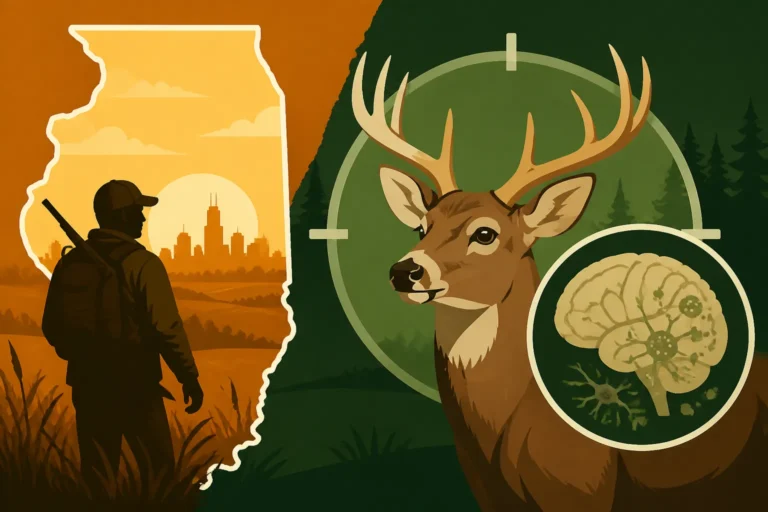
Northern Illinois presents yet another unique scenario for deer management, largely influenced by the presence of Chronic Wasting Disease (CWD). CWD is a neurological disease that is always fatal to deer and other cervids. Since its initial discovery in Boone County in 2002, CWD has slowly spread through many northern Illinois counties. The IDNR has designated certain areas as Illinois's Chronic Wasting Disease Zone, where specific management strategies are implemented to monitor and mitigate the spread of the disease.
These strategies often include increased harvest quotas, mandatory CWD testing in specific counties, and restrictions on carcass movement. The goal is to reduce deer density in affected areas, as higher densities can facilitate disease transmission. For hunters in these zones, this can mean a greater emphasis on doe harvest to help control population growth and slower the spread of CWD. While individual hunters might not notice a drastic immediate drop in overall deer numbers, the long-term health and genetics of the herd are profoundly impacted. Understanding How Many Deer Have Tested CWD-Positive in Illinois over the years can provide perspective on the ongoing fight against this persistent threat to the state's deer population.
Factors Affecting Herd Health and Numbers
The size of the deer herd isn't just about how much food is available; it's a delicate balance influenced by disease, habitat changes, and the ongoing efforts of wildlife management through regulated hunting. These factors constantly interact, shaping the future of Illinois's white-tailed deer.
Chronic Wasting Disease
Chronic Wasting Disease (CWD) is a persistent and growing concern for deer managers and hunters alike in Illinois. This insidious, fatal neurological disease, caused by prions, slowly degrades the brain of infected animals. While deer can appear healthy for an extended period after infection, the disease is always progressive and ultimately leads to death. CWD has been detected in a significant portion of northern Illinois, and its presence has fundamentally altered deer management strategies in those regions.
The IDNR monitors CWD through ongoing surveillance, which includes collecting samples from harvested deer, particularly in known CWD-positive counties. Mandatory testing of deer harvested during firearm seasons in certain CWD counties is part of this effort. The concern is that if CWD prevalence rates become too high, it can lead to localized population declines and reduced overall herd health. For hunters, this means a responsibility to understand and comply with CWD regulations, including carcass movement restrictions, and to consider the long-term health of the herd when making harvest decisions. The fight against CWD is a marathon, not a sprint, and every hunter plays a role in slowing its spread.
Epizootic Hemorrhagic Disease
Unlike CWD, which is a chronic, slow-acting disease, Epizootic Hemorrhagic Disease (EHD) is an acute, often dramatic illness that can cause significant, though usually localized, deer die-offs. EHD is caused by a virus transmitted by biting midges (no-see-ums) and typically flares up in late summer and early fall, particularly during periods of drought. When ponds and streams shrink, deer congregate more, and the midges thrive in muddy, stagnant water, increasing transmission rates.
Deer infected with EHD can develop high fevers, swelling of the head, neck, and tongue, and often seek water sources to cool down. Many die near water. While EHD outbreaks can be alarming, sometimes resulting in dozens or even hundreds of dead deer in a concentrated area, the good news is that deer populations usually rebound fairly quickly. Many deer also develop immunity if they survive an exposure. For hunters, a local EHD outbreak might mean a noticeable dip in deer numbers in a specific watershed for a season or two, but it rarely has the same long-term, widespread impact on the statewide herd as CWD. Keeping an eye on reports of EHD Die-Offs in Illinois Deer can inform your hunting plans in affected areas.
Habitat and Food Availability
The fundamental drivers of any wildlife population are habitat quality and food availability, and Illinois's deer herd is no exception. The vast agricultural lands of central Illinois provide an incredible bounty of high-energy food sources like corn and soybeans, allowing deer to reach impressive body weights and antler potential. These areas can support higher densities of deer than heavily forested or less fertile regions.
However, it's not just about quantity; diversity matters. Deer need a mosaic of habitat types: thick cover for bedding and security, open areas for feeding, and diverse forage throughout the year. While cornfields are great for caloric intake, mature timber provides mast crops like acorns, which are crucial fat reserves for winter. Brushy fencerows and creek bottoms offer vital travel corridors and secondary food sources. Changes in land use, such as urban development encroaching on deer habitat or shifts in agricultural practices, can impact local deer numbers. A poor mast crop year, for instance, can stress deer and make them more vulnerable going into winter, affecting fawn survival and overall herd health. Understanding these habitat nuances is key to finding and hunting deer successfully.
Harvest Pressure
Hunter harvest is not just a recreational activity; it's a vital tool in modern wildlife management. In Illinois, hunters play a critical role in managing deer populations, helping to keep them in balance with available habitat and to control the spread of diseases like CWD. The IDNR uses permit allocations and season structures (like Illinois Deer Season Structure Explained) to influence harvest pressure. For instance, in areas where deer populations are above desired levels or where CWD is a concern, antlerless permits might be more readily available or even unlimited in certain seasons.
Conversely, in areas with lower densities or where the focus is on growing an older-age-class buck population, permit allocations might be tighter. The collective effort of Illinois hunters, documented through Illinois Deer Harvest Records, provides the IDNR with essential data to make these management decisions. Without hunter participation, deer populations could quickly outgrow their food sources, leading to stressed, unhealthy animals, increased disease transmission, and more widespread conflicts with agriculture and motorists. Hunters are partners in conservation, directly contributing to the health and sustainability of the deer herd for future generations.
Implications for Hunters
Understanding the dynamics of the Illinois deer herd size isn't just academic; it directly influences how you plan your hunts, apply for permits, and ultimately, your chances of punching a tag. Knowledge is power, and when it comes to deer hunting, it helps you make smarter, more strategic decisions.
Scouting Strategies
The overall deer density in your hunting area should heavily influence your scouting strategies. If you're hunting in a high-density zone, like much of central Illinois's rich farmland, your focus might shift from simply "finding deer" to finding the right deer or the most efficient travel corridors. You might focus on pinch points between bedding cover and vast feeding fields, or analyze how deer are moving through standing crops. Using platforms like GoHunt, hunters can overlay public land boundaries with satellite imagery to identify these key transition areas. You're looking for concentrated sign – fresh tracks, heavy trails, and active scrapes along fencerows or woodlot edges.
In contrast, if you're venturing into a lower-density region, such as the more rugged parts of the Shawnee Hills, your scouting approach needs to be more expansive. You might need to cover more ground, searching for subtle clues like rubs on ridge tops or isolated pockets of food that are drawing deer. Here, the emphasis is on locating deer at all, rather than just finding the biggest ones. The importance of thoroughly Scouting Illinois Public Land Before Season cannot be overstated, regardless of density, but the specific details you're looking for will vary based on regional herd size.
Permit Applications and Expectations
Illinois has a diverse system for deer permits, including resident and nonresident options, different weapon types, and specific county quotas. Your understanding of deer herd size by region can be a game-changer when it comes to applying for permits. Counties with consistently high deer populations, especially those known for trophy bucks, often have higher demand for permits and may be harder to draw, particularly for nonresidents seeking coveted archery permits. Conversely, counties with lower densities or those within the CWD management zone might have more readily available permits, including over-the-counter options for antlerless tags.
It pays to do your homework and research the specific county you're interested in. Tools from GoHunt and others allow you to analyze historical harvest data and permit success rates, which can give you a clearer picture of your odds. For example, if you're trying to decide between two counties, knowing one has a significantly higher Deer Density by Illinois Region might sway your decision. By researching available data, perhaps through an analytics platform like GoHunt, you can get a better sense of where to focus your permit applications and what to realistically expect in terms of opportunity.
The Hunter's Role in Herd Management
Every time you head afield with an Illinois deer permit, you're not just pursuing a personal goal; you're participating directly in the state's wildlife management efforts. Hunters are the primary mechanism for managing deer populations in Illinois, and responsible harvest is critical for maintaining a healthy, balanced herd. This means understanding and abiding by bag limits, season dates, and specific permit rules, especially in areas with CWD concerns.
When you choose to harvest an antlerless deer, especially in areas with high populations or CWD, you're contributing to population control, reducing the potential for disease transmission, and helping to alleviate crop damage for landowners. Conversely, selective harvesting of mature bucks in certain scenarios can help improve the age structure of the herd. This is where detailed mapping resources, such as those found on GoHunt, become invaluable for tracking harvest statistics and understanding localized impacts. By being an informed and ethical hunter, you contribute significantly to the long-term sustainability and health of the Illinois deer herd, ensuring that future generations can enjoy the same opportunities we have today.
| Illinois Deer Region | Typical Deer Density | Key Characteristics | Hunting Implications |
|---|---|---|---|
| Northern CWD Zone | Moderate to High | CWD presence, urban influence, mixed habitat | Focus on CWD regulations, doe harvest encouraged, potentially higher pressure near urban edges. |
| Central Farmland | High to Very High | Abundant food (crops), limited cover, trophy potential | High success rates, access to private land is key, focus on field edges, pinch points, and woodlots. |
| Southern Hills/Shawnee | Moderate to Low | Dense timber, rugged terrain, lower overall numbers | Challenging hunting, potential for older-age-class bucks, extensive scouting and woodsmanship required. |
| River Bottoms | High | Rich habitat along major rivers, diverse food sources | Excellent for all seasons, travel corridors, and bedding cover. Can hold very dense populations. |
Disclaimer
This article is for general informational purposes only and does not constitute professional advice. Laws, prices and regulations vary by location and change over time. Consult a qualified professional for guidance on your specific situation.