Illinois Deer Harvest Records
It's easy to feel like you're hunting in the dark in Illinois, wondering how many deer are truly out there and what your chances of success are. We've all scrolled through social media, seeing impressive bucks, and then come home empty-handed ourselves, leading to a lot of speculation around the dinner table. But what if there was a way to gain a clearer picture of the statewide deer population and harvest trends, helping you understand what's really happening in the woods? This comprehensive guide will pull back the curtain on Illinois's deer harvest records, showing you how to interpret the data, understand the big picture, and even use these insights to sharpen your own hunting strategies for seasons to come.
Understanding Illinois Deer Harvest Data
When we talk about "deer harvest records" in Illinois, we're delving into a treasure trove of information collected by the Illinois Department of Natural Resources (IDNR). This isn't just a simple count; it's a detailed compilation that provides vital clues about the health, distribution, and overall trends of our state's beloved white-tailed deer herd. For hunters, understanding these records moves us beyond anecdotal evidence and gives us a data-driven perspective on what's truly happening out in the field, helping to set realistic expectations and refine our approach.
What the Numbers Actually Represent
The harvest numbers reported by the IDNR represent the total number of deer legally taken by hunters across all legal seasons and methods. Each time a hunter successfully harvests a deer, they are required to report it through the IDNR's online portal or mobile app, providing crucial details like the county of harvest, the date, the weapon used, and the sex of the deer. This mandatory reporting system is the backbone of Illinois's deer management efforts, ensuring that biologists have the most accurate and up-to-date information possible.
These figures are distinct from population estimates, which attempt to gauge the total number of deer living in Illinois. While harvest data is a direct result of hunter effort and deer availability, population estimates are more complex, factoring in harvest, fawn recruitment, mortality rates from other causes (like vehicle collisions or disease), and habitat carrying capacity. By analyzing both harvest numbers and population estimates, the IDNR can develop a comprehensive picture of the Illinois Deer Population Estimate and make informed decisions about future regulations, season dates, and permit allocations, all of which directly impact hunter opportunity and success.
Why Tracking Harvest is Crucial for Management
For the Illinois Department of Natural Resources, tracking deer harvest data is paramount for sound wildlife management. It allows them to monitor population health, ensure that deer numbers remain at sustainable levels, and address specific challenges that might arise. Without accurate harvest data, biologists would be making educated guesses, which could lead to either over-harvesting specific areas or allowing populations to grow to a point where they cause significant agricultural damage or ecological imbalance.
Harvest data also plays a critical role in disease monitoring, especially with the ongoing challenge of Chronic Wasting Disease (CWD) in certain parts of the state. By tracking harvests by county, the IDNR can identify areas where CWD might be impacting deer numbers or where targeted management strategies, like increased antlerless harvest, may be necessary to slow the spread. Furthermore, these records help measure the effectiveness of various hunting seasons and methods. For instance, if a particular season consistently yields low harvest numbers despite high hunter effort, it might signal a need to re-evaluate regulations or habitat conditions in that zone, ensuring that Illinois maintains a robust and healthy deer herd for generations to come.
Deciphering the Annual Illinois Deer Harvest Report
Every year, the IDNR compiles and releases detailed reports summarizing the previous season's deer harvest. These reports are invaluable tools for both biologists and hunters, offering a granular look at success rates, regional trends, and the overall health of the deer population. Learning to navigate and understand these reports can feel a bit like reading a scientific journal at first, but once you know what to look for, they become incredibly powerful resources for shaping your hunting plans.
Key Metrics and What They Mean
The annual harvest reports break down the data into several key metrics. The most obvious is the total statewide harvest, which gives an overarching view of how many deer were taken across all seasons. However, delving deeper reveals more nuanced insights. You'll find specific totals for archery, firearm, and muzzleloader seasons, allowing you to see which methods contribute most to the overall harvest and how each method's success might fluctuate year to year. For example, firearm seasons often account for the largest portion of the total harvest due to their concentrated intensity and traditional popularity.
Another crucial metric is the buck-to-doe harvest ratio. This shows the proportion of antlered bucks versus antlerless deer harvested. A healthy balance is generally desired, as harvesting enough does is essential for population control and preventing overbrowsing of habitat, while allowing enough bucks to reach maturity ensures a quality herd. The reports also provide hunter success rates, often calculated by comparing the number of deer harvested to the number of permits sold. This metric can give you a rough idea of how challenging or productive a given season or area might be. Furthermore, trend lines illustrating year-over-year changes in these metrics are critical for identifying long-term shifts in deer populations, hunting pressure, or environmental factors, painting a comprehensive picture of the state's deer management efforts.
Regional and County-Specific Breakdowns
Perhaps the most immediately useful aspect of the harvest reports for individual hunters is the regional and county-specific breakdowns. Illinois is a diverse state, ranging from the rugged hills of the Shawnee National Forest in the south to the vast agricultural fields of Central Illinois and the fragmented woodlands of the northern CWD zone. Deer populations and hunting opportunities vary dramatically across these landscapes, and the harvest data reflects this. You'll often see distinct patterns: the higher deer densities and traditional trophy buck reputation of counties like Pike, Adams, and Fulton in west-central Illinois are consistently highlighted by robust harvest numbers.
Conversely, counties within Illinois's Chronic Wasting Disease Zone in northern Illinois might show different trends due to specific management strategies aimed at disease control, potentially including efforts to increase antlerless harvest. For anyone planning a hunt, checking the harvest data for specific counties within the Deer Density by Illinois Region can provide invaluable guidance. It helps you understand which areas are consistently productive, where hunting pressure might be higher, and where specific species management efforts are in place. The IDNR website makes this county-level data readily accessible, allowing hunters to target specific areas, like the famed river bottoms of the Illinois River Valley or the sprawling timber tracts of Southern Illinois, with a clearer understanding of potential success.
Trends and Influences on Illinois Deer Harvest
Illinois's deer herd, like any wildlife population, is dynamic. Harvest numbers don't just stay stagnant; they ebb and flow, influenced by a complex interplay of natural factors, human activity, and management decisions. Understanding these trends and the forces behind them can give hunters a valuable edge, helping them anticipate challenges and opportunities in the upcoming seasons.
Long-Term Trends and Fluctuations
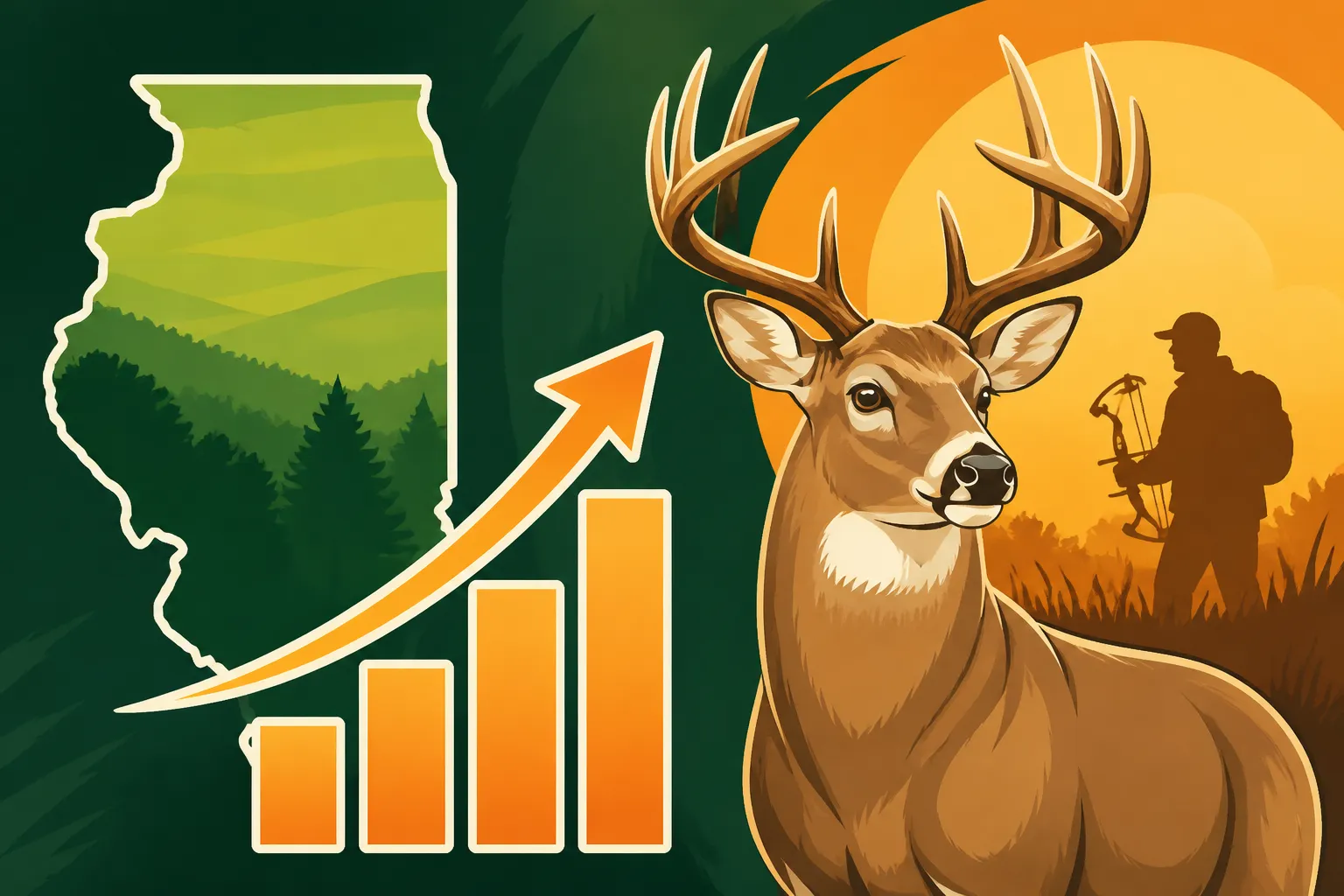
Looking at Illinois deer harvest data over several decades reveals fascinating long-term trends. From the early 20th century, when deer were virtually extirpated in Illinois, to their successful restoration and booming populations in the late 20th century, the harvest numbers tell a story of remarkable recovery. The harvest peaked in the early to mid-2000s, reflecting a period of high deer densities and increased hunter participation. Since then, while still robust, statewide harvest totals have generally stabilized or seen slight declines in some areas.
These fluctuations are rarely due to a single cause. Factors like habitat changes, suburbanization, and evolving agricultural practices all play a role. For instance, widespread conversion of smaller farms with diverse cover to large-scale monoculture operations can impact deer movement and refuge. Regulatory changes, such as adjustments to permit allocations or season lengths, also have a direct impact. Additionally, significant natural events, like severe EHD (Epizootic Hemorrhagic Disease) outbreaks, can cause localized but dramatic dips in harvest numbers, highlighting the herd's vulnerability to disease. By examining these historical patterns, hunters can gain a deeper appreciation for the resilience of White-Tailed Deer Across Illinois and the ongoing efforts to manage them.
Factors Affecting Annual Harvest Totals
Beyond the long-term trends, several factors can significantly influence the annual deer harvest totals, sometimes creating noticeable shifts from one season to the next. Weather is a huge one. A mild, open firearm season often sees higher harvest numbers because hunters can get out more comfortably and deer might be moving more freely. Conversely, a season plagued by extreme cold, heavy snow, or torrential rain can depress harvest totals as hunter effort wanes and deer hunker down.
Food availability also plays a critical role. A poor mast crop year, where acorns or other natural foods are scarce, can concentrate deer around agricultural fields or food plots, potentially making them more predictable and vulnerable to hunters. Conversely, a bumper crop year might spread deer out more, making them harder to pattern. Hunter effort and participation are also crucial; if fewer hunters take to the woods, or if individual hunters spend less time afield, the harvest numbers will naturally reflect that. Finally, regulatory changes, such as the introduction of bonus antlerless tags in specific CWD management zones or adjustments to the Illinois Deer Season Structure Explained, can directly influence how many deer are harvested and where. For example, in counties within the CWD zone, the IDNR sometimes implements special CWD season permits designed to increase harvest and monitor disease prevalence, which can significantly impact local harvest data.
Comparing Harvest Methods and Seasons
Illinois offers a diverse array of deer hunting opportunities, each with its own specific regulations, challenges, and success rates. The harvest data provides a fascinating look into how these different methods and seasons contribute to the overall deer management goals and hunter experience across the state. Understanding these distinctions is key to maximizing your time afield and appreciating the unique aspects of each hunting period.
Archery, Firearm, and Muzzleloader Contributions
The archery season in Illinois is by far the longest, typically running from early October through mid-January, with a break during the first firearm season. This extended period allows for consistent hunter participation and contributes significantly to the overall annual harvest. Archery hunters often focus on patterning deer, utilizing strategic treestand setups, and employing patience. While the per-hunter success rate might be lower than firearm seasons, the sheer duration ensures a substantial overall harvest. Bowhunters are often the first to experience the early rut activity, particularly Hunting the Rut in Early November, which can be a prime time for mature buck encounters, and their harvest numbers reflect this sustained effort over months.
In contrast, Illinois's firearm seasons are short, intense periods, typically comprising a few days in mid-November and another weekend in early December. Despite their brevity, these seasons consistently account for the largest portion of the total deer harvest annually. This is due to the higher participation rates, the efficiency of legal firearms, and the collective hunter pressure that often gets deer moving. Understanding How Illinois's Two Firearm Seasons Are Split and strategizing for these brief windows is critical for many hunters. The muzzleloader-only season is often a short, distinct period in December, providing a unique challenge for hunters using traditional black powder firearms. While it accounts for a smaller percentage of the total harvest, it offers a dedicated opportunity for those who enjoy the specific skills and historical connection of Muzzleloader Deer Hunting in Illinois, often drawing hunters looking for a less crowded experience after the general firearm rush.
Youth and Late-Season Harvest Impacts
Beyond the primary methods, Illinois also offers specialized seasons designed to meet specific management goals or provide unique opportunities. The youth deer weekend is a fantastic initiative aimed at introducing young hunters to the sport in a dedicated, low-pressure environment. These short, firearm-based hunts typically occur in early October, before the general firearm season. While the harvest numbers from the Hunting the Illinois Youth Deer Weekend are a smaller fraction of the overall total, they represent invaluable experiences for the next generation of hunters and contribute positively to overall deer management by introducing new participants.
Additionally, Illinois occasionally offers late-winter antlerless seasons, often specifically targeted at counties within the CWD management zone. These seasons are designed to increase the harvest of does, which is crucial for controlling deer populations and slowing the spread of diseases like CWD. While these seasons have specific dates and regulations, they play a vital role in the IDNR's adaptive management strategies. Each of these specialized seasons, although contributing smaller individual numbers, collectively helps the IDNR achieve its overall objectives of maintaining a healthy, balanced deer herd across the diverse landscapes of Illinois, providing both recreational opportunities and ecological stability.
How Hunters Use Harvest Data to Improve Success
For the savvy Illinois hunter, deer harvest records aren't just dry statistics; they're actionable intelligence. By carefully analyzing these publicly available reports, you can gain a significant advantage in planning your hunts, scouting new areas, and adjusting your tactics to increase your chances of success. It’s about working smarter, not just harder, by using all the information at your disposal.
Identifying High-Producing Areas
One of the most immediate benefits of studying harvest data is the ability to identify high-producing areas. The county-by-county breakdown in the IDNR reports clearly shows which parts of Illinois consistently yield the highest deer harvests. This isn't just about total numbers, but also often about buck-to-doe ratios and the general consistency of the harvest year after year. For example, if you're looking for an area with a strong population and good potential for a mature buck, you might naturally gravitate towards counties known for high overall harvest, like Pike County, often referenced for Why Pike County Produces So Many Trophy Bucks.
However, "high-producing" doesn't always mean the most crowded. Sometimes, a county might have a respectable harvest due to a large amount of accessible public land or unique habitat features that support a healthy deer population, even if individual hunter success rates aren't sky-high. By cross-referencing harvest data with maps of public hunting land in Illinois or information on Deer Density by Illinois Region, you can start to pinpoint specific zones or even particular public properties that consistently perform well. This data-driven approach allows you to focus your precious scouting time on areas with proven potential, rather than blindly hoping for the best.
Adjusting Strategy Based on Trends
Harvest trends offer valuable insights that can help you adjust your hunting strategy. For instance, if the overall harvest numbers for a specific county or region have been declining over several years, it might indicate a lower deer population, increased pressure, or habitat changes. In such cases, you might need to increase your scouting efforts, extend your hunting trips, or consider a different area. Conversely, if a region shows increasing harvest numbers, it could signal a growing deer population, potentially offering more opportunities.
Furthermore, looking at the buck-to-doe harvest ratio can inform your approach. If antlerless harvest is consistently low in an area, it might suggest an unbalanced population, which could mean more deer overall but perhaps fewer mature bucks due to increased competition. If you’re targeting a trophy, you might focus your efforts on areas with a higher percentage of mature buck harvest, or where the antlerless harvest has been strategically managed to promote better age structure. This data can also help you determine the best time to focus your efforts. For example, if the Illinois First Firearm Season Dates consistently show a large proportion of the total harvest, it underlines the importance of being in the woods during that intense period. Conversely, if late-season archery harvests remain strong, it highlights the potential for success well into winter, especially with platforms like GoHunt helping you visualize this data alongside real-time conditions.
The Role of Technology and Resources in Accessing Data
In today's digital age, accessing and interpreting Illinois deer harvest records has never been easier. Gone are the days of sifting through dusty paper reports. The Illinois Department of Natural Resources, along with innovative third-party platforms, now provides hunters with powerful tools to dive deep into the data, helping them make more informed decisions and enhance their hunting experience.
Illinois DNR Tools and Online Portals
The primary source for all official Illinois deer harvest data is the Illinois Department of Natural Resources (IDNR) website. They diligently compile and publish annual harvest summaries, often broken down by season, county, and weapon type. These reports are typically available as downloadable PDFs or interactive web pages, making it relatively straightforward to find the raw numbers. Hunters are required to report their harvests through the IDNR's online portal or, even more conveniently, via the Illinois hunting and fishing app. This app, available for both iOS and Android, streamlines the reporting process and often provides access to recent data summaries right from your mobile device.
Beyond just raw numbers, the IDNR portal also provides valuable context. You can often find information on Illinois Deer Season Structure Explained, legal weapons, and even specific regulations for areas like Illinois's Chronic Wasting Disease Zone. Using the official IDNR tools ensures you're working with the most accurate and up-to-date data directly from the source. It’s always a good practice to start here to get a foundational understanding of the statewide and county-specific harvest figures before delving into more analytical platforms. This direct access to information allows hunters to stay compliant with regulations and understand the rationale behind management decisions affecting the herd.
Third-Party Platforms for Deeper Analysis
While the IDNR provides the foundational data, several third-party platforms have emerged that take this information and present it in more user-friendly, analytical ways. These services often integrate harvest data with mapping overlays, weather patterns, and other critical hunting intelligence, offering a more holistic view of hunting opportunities. For instance, platforms like GoHunt specialize in aggregating vast amounts of hunting data, including harvest records, and presenting it with advanced mapping features that allow hunters to visualize trends geographically.
These platforms can overlay harvest density maps with public land boundaries, aerial imagery, and even topographical data, helping hunters identify potential hotspots, analyze pressure, and plan their scouting efforts. They might also offer historical data comparisons, allowing you to quickly see how a particular county's harvest has trended over the past five or ten years, giving you a clearer picture of long-term stability or decline. While the IDNR provides the data, services like GoHunt offer powerful visualization and analytical tools that can help you transform raw numbers into actionable hunting intelligence, allowing you to go beyond simply knowing the numbers and truly understand what they mean for your next Illinois deer hunt.
Disclaimer
Please remember that hunting regulations and season dates can change. Always consult the official Illinois Department of Natural Resources (IDNR) website or their current hunting guide for the most up-to-date and accurate information before planning any hunt. This guide is for informational purposes only and does not replace official state regulations.