Illinois Songbird Nest Predation by Hogs
There's a subtle, insidious threat silently eroding the natural beauty of Illinois, and it often goes unnoticed amidst the daily hustle and bustle: the impact of feral hogs on our beloved songbird populations. Many of us cherish the dawn chorus or the cheerful chirps from the treeline, but few realize that the destructive rooting and voracious appetites of wild pigs are directly putting these avian treasures at risk. This guide aims to shed light on this critical ecological issue, explaining how these invasive animals disrupt nesting cycles and what concerned individuals and hunters can do to help protect Illinois's feathered friends.
The Unseen Threat: How Hogs Impact Songbirds
When we think of invasive species, images of Asian carp jumping out of rivers or emerald ash borers destroying trees often come to mind. Feral hogs, however, present a unique and often underestimated challenge, especially to the smaller, more vulnerable creatures that call Illinois home. Their impact on songbirds, while not always immediately obvious, is deeply concerning.
Direct Predation of Nests
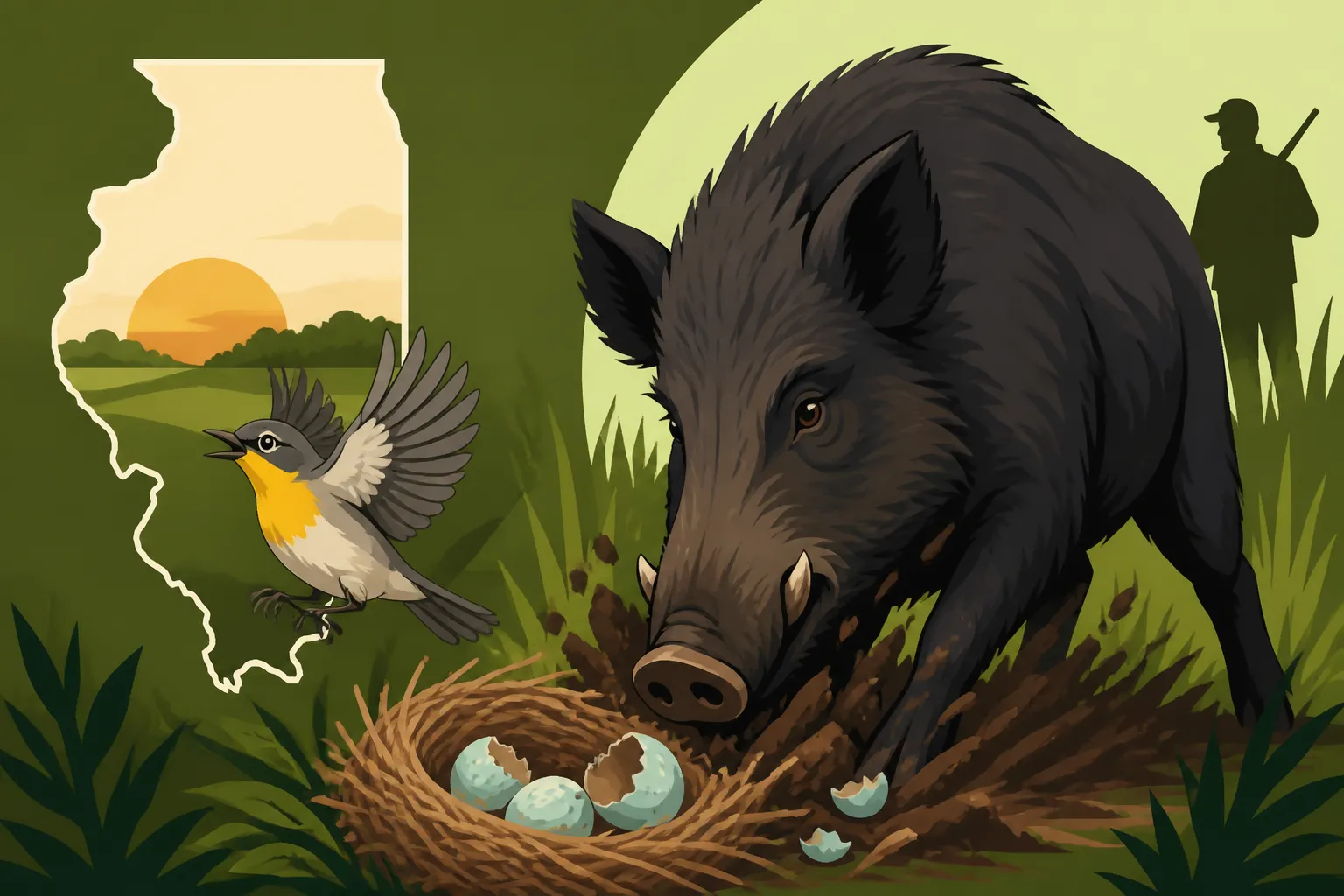
Feral hogs are opportunistic omnivores, meaning they'll eat just about anything they can get their snouts on. This diet includes a wide array of plant matter, roots, insects, and, unfortunately, the eggs and nestlings of ground-nesting birds. Imagine a sow moving through a patch of dense undergrowth, her keen sense of smell leading her to a carefully concealed nest of a bobwhite quail or a field sparrow. She doesn't hesitate; the eggs or hatchlings are an easy, protein-rich meal. This isn't a rare occurrence; it's a consistent pressure that can decimate local breeding success.
Many of our most cherished Illinois songbirds, like ovenbirds, meadowlarks, and various sparrows, build their nests directly on the ground or very low in dense vegetation. These nests are often hidden from aerial predators, but a feral hog's rooting behavior acts like a natural landmine detector, uncovering them with disturbing efficiency. The sheer volume of hogs in some areas means this isn't just an isolated incident but a widespread, ongoing threat that can severely limit a bird population's ability to successfully reproduce year after year. Illinois Songbird Nest Predation by Hogs delves deeper into these specific dynamics.
Habitat Destruction and Alteration
Beyond direct predation, feral hogs are incredibly destructive engineers of their environment. Their constant rooting, a behavior where they use their snouts to dig up soil in search of roots, tubers, and invertebrates, can completely transform a forest floor or grassland. This isn't just a minor disturbance; it can look like a rototiller has been through the area.
This rooting behavior directly impacts songbirds in several critical ways. Firstly, it destroys the very structure of ground-level nesting sites. A bird might spend days building a nest, only for a hog to churn up the soil, expose it, or simply make the area unsuitable for future nesting. Secondly, it alters the plant communities that provide crucial cover and food sources for these birds. By eating or uprooting native plants, hogs can create monocultures of less desirable species or leave bare soil, making future nesting attempts even more precarious. A well-placed ground blind might hide you from deer, but it does little to protect a songbird nest from a marauding hog. If you're out Scouting Illinois Public Land Before Season, pay attention to rooted areas – they're a tell-tale sign of hog activity that affects more than just deer.
Why Feral Hogs Are Such a Problem for Illinois Wildlife
Feral hogs are not native to Illinois, and their presence creates a host of ecological imbalances. Their rapid spread and destructive habits make them one of the most challenging invasive species to manage, posing a significant threat not just to songbirds but to the entire ecosystem. Feral Hogs Across Illinois highlights the broader impact these animals have on our state.
Incredible Reproductive Rate
One of the primary reasons feral hogs are such an intractable problem is their astonishing reproductive capacity. Unlike many native species, which might have one litter a year, a wild sow can farrow two or even three litters annually, with each litter containing anywhere from four to twelve piglets. These piglets can then reach sexual maturity in as little as six months. Do the math, and it's easy to see how a small group of hogs can explode into a large, ecologically damaging population in a very short amount of time.
This rapid turnover means that even if a significant number of hogs are removed from an area through hunting or trapping, the remaining population can quickly rebound. It's like trying to bail water from a leaky boat with a thimble – you can make a dent, but without sustained, aggressive efforts, the problem persists and often worsens. This reproductive advantage makes them particularly devastating to slower-reproducing native species like songbirds, which simply cannot keep pace with the destruction.
Omnivorous and Opportunistic Diet
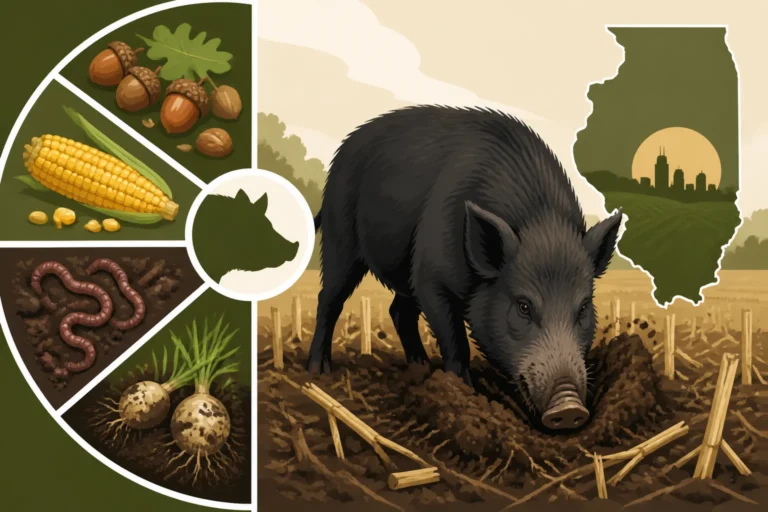
As mentioned, feral hogs are true omnivores, and this dietary flexibility is both a key to their survival and a major reason for their ecological impact. They aren't picky eaters; if it's edible and they can find it, they'll consume it. Their diet includes:
- Roots and tubers: Their famous rooting behavior is driven by this.
- Invertebrates: Grubs, worms, insects, and insect larvae.
- Plant matter: Acorns, nuts, fruits, seeds, mushrooms, and agricultural crops.
- Small vertebrates: Frogs, snakes, turtles, bird eggs, nestlings, and even fawns.
- Carrion: They will readily scavenge dead animals.
This broad diet means they compete directly with native wildlife for food resources. Deer, turkey, squirrels, and many songbirds all rely on acorns, mast, and various native plants for sustenance. When hogs are present, they are essentially taking food directly off the plates of native species. This competition, combined with their destructive feeding habits, creates a double-whammy for the ecosystem. For instance, a poor acorn year can be tough for deer, but when hogs are also cleaning up the forest floor, it becomes a severe challenge for survival.
Unprotected Status and Management Challenges
In Illinois, feral hogs are considered an unprotected species, meaning there's no closed season and no bag limit on them. They can be hunted year-round, day or night (with specific rules for night hunting on private land). This aggressive approach by the Illinois Department of Natural Resources (IDNR) reflects the severity of the threat they pose. However, despite this open season, eradicating or even significantly controlling populations is incredibly difficult.
The challenges are manifold:
- Elusiveness: Hogs are intelligent, wary, and often nocturnal, making them difficult to locate and harvest consistently.
- Habitat: They thrive in dense cover, making tracking and pursuit challenging.
- Public vs. Private Land: While hunters can help on public land, much of Illinois is private. Gaining permission to hunt or trap on private ground, even for hogs, can be a hurdle for many hunters. Getting Private Land Permission in Illinois is a great resource for understanding this process.
- Hunter Focus: Many hunters prioritize deer or turkey, and while they might take a hog if the opportunity arises, dedicated hog control often requires specific tactics like trapping or organized drives.
The IDNR actively encourages hunters to remove hogs whenever encountered. This is where tools that help hunters identify public and private land boundaries, like GoHunt, become incredibly useful. Knowing who to ask for permission on adjacent private tracts can make a real difference in managing these pervasive pests.
Understanding the Scope: Data and Observations in Illinois
Quantifying the exact impact of feral hogs on Illinois songbird populations is a complex scientific endeavor. It's not as simple as counting hog-destroyed nests, as many factors influence bird populations. However, ongoing research and anecdotal evidence from hunters and landowners paint a clear picture of a significant and growing problem.
Challenges in Quantifying Impact
Biologists and wildlife managers face several hurdles when trying to put concrete numbers to the damage hogs inflict on songbirds:
- Cryptic Nests: Songbird nests are, by design, incredibly well-hidden. Finding them, especially after they've been predated, is like finding a needle in a haystack.
- Multiple Predators: Hogs aren't the only nest predators. Raccoons, opossums, snakes, and coyotes also contribute to nest failure. Differentiating which predator was responsible after the fact is often impossible without direct observation or specialized cameras.
- Habitat Complexity: The Illinois landscape is diverse, from dense forests to open grasslands and agricultural fields. Hog activity and songbird nesting vary dramatically across these habitats, making broad generalizations difficult.
- Population Dynamics: Songbird populations fluctuate year to year due to weather, insect availability, disease, and migration success. Isolating the impact of hogs from these other variables requires long-term, intensive studies.
Despite these challenges, studies in areas with significant hog populations consistently show a negative correlation between hog presence and ground-nesting bird success. While specific numbers for Illinois songbirds might be elusive, the ecological principles are clear: an aggressive, omnivorous predator that roots through the ground is going to find and destroy nests.
IDNR Efforts and Hunter Observations
The Illinois Department of Natural Resources (IDNR) recognizes feral hogs as a severe threat and actively monitors their populations and impacts. They collaborate with federal agencies and landowner groups to implement control measures, including trapping programs. While their focus might be broader than just songbirds, the removal of hogs benefits all native wildlife. Information on Illinois's Year-Round Hog Rule on Private Land and Illinois Feral Hog Regulations is readily available through the IDNR.
Hunters often serve as the "eyes and ears" on the ground. They are the first to observe changes in habitat or increases in hog activity. Many hunters report seeing significant rooting damage in prime hunting areas or encountering hogs in places where they weren't present a few years prior. This firsthand experience provides valuable qualitative data, reinforcing the scientific findings. When you're scouting for deer sign and you come across extensive rooting, you're not just seeing hog damage; you're seeing potential nest destruction and habitat degradation that affects countless other species.
| Impact Category | How Feral Hogs Affect Songbirds | Example of Affected Bird (Illinois) |
|---|---|---|
| Direct Predation | Hogs eat eggs and nestlings from ground-level nests, often using their keen sense of smell to locate concealed nests. | Eastern Meadowlark, Bobwhite Quail |
| Habitat Destruction | Extensive rooting churns up soil, destroying nest sites, uprooting native vegetation, and altering critical nesting cover and food sources. | Ovenbird, Field Sparrow |
| Competition | Hogs consume mast, seeds, and invertebrates, directly competing with songbirds and other wildlife for essential food resources. | Wood Thrush, American Robin |
| Disease Transmission | Hogs can carry and transmit diseases and parasites that can impact native wildlife, including birds. | Various species (indirectly) |
Mitigation Strategies and What Hunters Can Do
Addressing the problem of feral hog predation on songbird nests, and their overall ecological damage, requires a multi-faceted approach. Hunters play an absolutely critical role in this, serving as the frontline defense against these invasive animals.
Dedicated Hog Removal Efforts
The most effective way to protect songbird nests from feral hogs is to remove the hogs themselves. This isn't about recreational hunting where you might take one if the opportunity arises; it often requires dedicated, sustained effort aimed at eradication.
- Trapping: Large-scale trapping operations are often the most efficient way to remove multiple hogs at once. Smart trapping involves pre-baiting, using large, sturdy traps, and placing them strategically in known hog travel corridors or feeding areas. Learning about Trapping Illinois Feral Hogs can equip you with the knowledge to make a real difference.
- Targeted Hunting: While opportunistic hunting helps, targeted hunting during off-peak seasons for other game can significantly reduce hog numbers. This might involve scouting specifically for hog sign, using thermal imaging for night hunts on private land, or organizing small group hunts. You can learn more about Night Hunting Hogs With Lights on Private Land to understand the regulations and tactics.
- Collaboration: Landowners, farmers, and conservation groups working together can achieve much greater success than individuals acting alone. Forming local hog control cooperatives can create a more comprehensive defense.
Remember, every hog removed is one less animal destroying habitat and predating on nests. This effort directly benefits not only songbirds but also deer, turkeys, and other native species.
Using Technology for Smart Hog Control
Technology has become an invaluable tool for hunters and landowners engaged in hog control. These tools can help pinpoint hog locations, understand their movement patterns, and plan more effective removal strategies.
Mapping applications are a prime example. Services like GoHunt allow you to overlay property lines, topographic maps, and satellite imagery, helping you identify potential hog bedding areas, travel routes, and prime trapping locations. You can mark areas with rooting damage, trail camera sightings, or past harvest locations, building a comprehensive picture of hog activity on your property or permissible public land. When trying to control an elusive animal like a feral hog, knowing the terrain and private boundaries is absolutely essential. For instance, if you're trying to set up a trap, knowing the landowner of an adjacent property via a tool like GoHunt might allow you to gain permission to set it in a bottleneck that hogs frequently use.
Advocating for Habitat and Awareness
Beyond direct removal, raising awareness and advocating for responsible land management are crucial.
- Educate Others: Many people are unaware of the extent of the feral hog problem or their impact on songbirds. Sharing information with friends, family, and local community groups can help build support for control efforts.
- Support Conservation: Organizations dedicated to wildlife habitat restoration and conservation are often at the forefront of tackling invasive species challenges. Supporting their work through donations or volunteering can have a broad impact.
- Responsible Land Management: For landowners, implementing practices that create healthy native habitats can make areas more resilient to invasive species impacts. This includes controlling invasive plants, maintaining diverse native plant communities, and monitoring for hog activity.
The plight of Illinois's songbirds in the face of feral hog predation is a stark reminder of the delicate balance of our ecosystems. While the problem is significant, collective action, informed hunting practices, and a commitment to conservation can help protect these vital components of our natural heritage for future generations. If you want to learn more about broader strategies, check out Hunting Illinois's Year-Round Feral Hogs.
Disclaimer
This article is for general informational purposes only and does not constitute professional advice. Laws, prices and regulations vary by location and change over time. Consult a qualified professional for guidance on your specific situation.