Illinois Wolf History and Extirpation
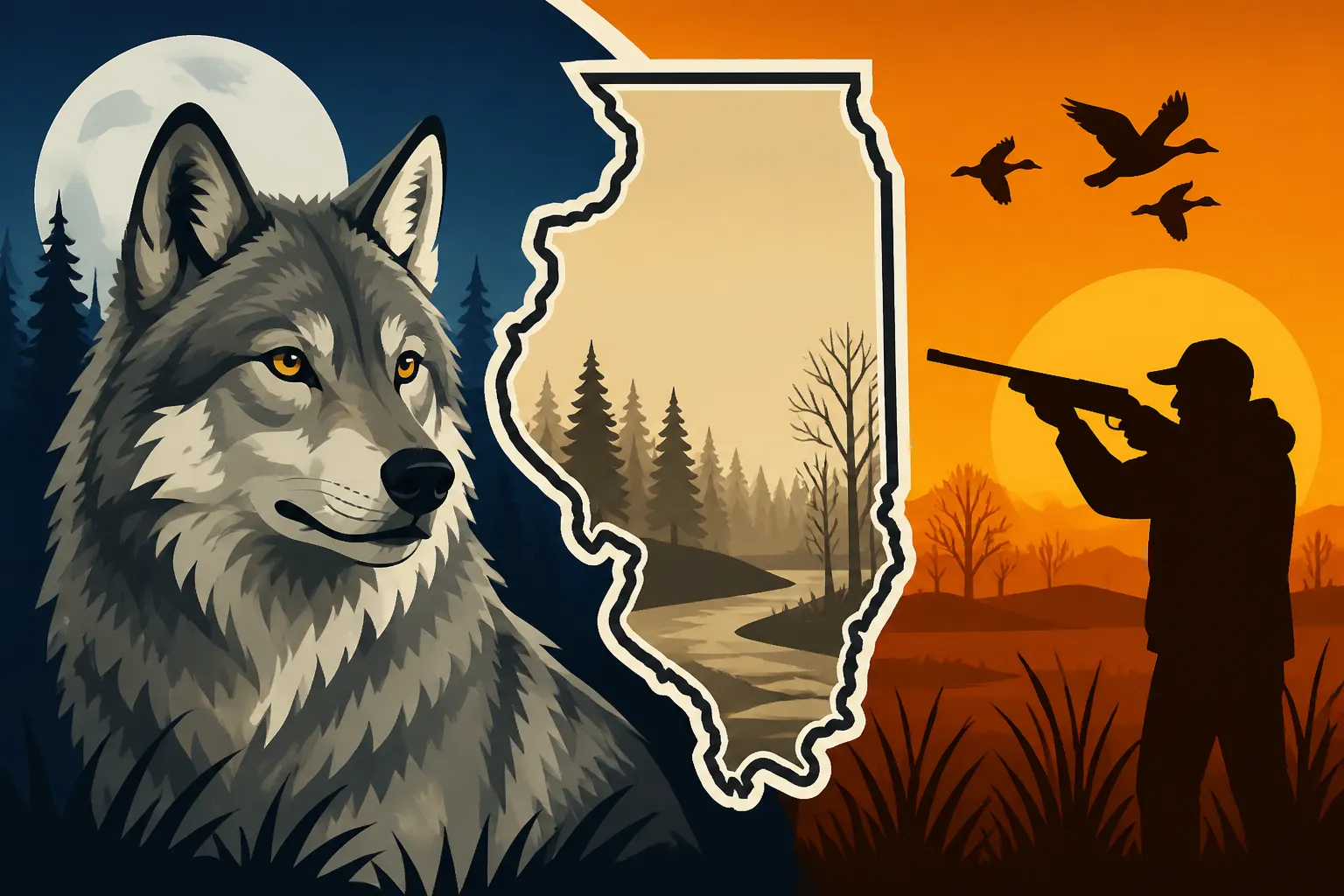
Many Illinois hunters spend their days tracking deer, calling turkeys, or setting up for waterfowl, completely immersed in the rich wildlife our state offers today. But pause for a moment and consider a time when a different sound echoed through the dense bottomlands and across the vast prairies—the howl of a wild wolf. It's a striking thought, isn't it? To imagine a top predator that shaped the very landscape and behavior of the game we pursue. This guide delves into that forgotten history, exploring the presence, the disappearance, and the enduring legacy of wolves in Illinois, helping us understand the ecological shifts that shaped our hunting heritage.
The Original Landscape: Wolves in Pre-Settlement Illinois
Before European settlement transformed Illinois, the land was a mosaic of tallgrass prairies, vast oak-hickory forests, and sprawling river bottoms. This was an ecosystem teeming with life, and at the top of the food chain, alongside the elusive cougar, stood the gray wolf. These were not the wolves of distant, untamed wildernesses we imagine today; they were a fundamental part of the Illinois natural order.
A Land of Predators and Prey
Imagine the vastness of Illinois before the plow. Herds of bison roamed the prairies, and white-tailed deer were abundant in the woodlands and along river systems. These majestic ungulates formed the primary diet for Illinois's native wolf populations. Wolves played a crucial role, not just as predators, but as ecological engineers. By selectively culling the weak, old, or sick, they kept deer herds robust and healthy, preventing overgrazing and the spread of disease. They enforced a natural balance that influenced everything from vegetation patterns to the behavior of other species. The sheer size of their territories meant they were constantly on the move, maintaining a wide footprint across the landscape. They were an intrinsic part of the White-Tailed Deer Across Illinois story long before any hunter raised a muzzleloader.
Evidence from Early Explorers and Settlers
The journals and accounts of early European explorers and settlers often speak of encounters with wolves. These aren't just vague mentions; they're detailed descriptions that paint a picture of a landscape where wolves were a common, if sometimes feared, presence. Travelers on the Kaskaskia-Cahokia trail, or those navigating the dense timber along the Illinois River, frequently reported hearing their howls and occasionally spotting them. Early pioneers, pushing west into what would become central and northern Illinois, quickly learned that safeguarding their livestock from wolves was a daily concern. This wasn't just a nuisance; it was a significant threat to their ability to sustain themselves, driving many of the early attitudes that would soon lead to the wolves' decline.
The Eradication Campaign: Why Wolves Disappeared from Illinois
The story of the wolf in Illinois is unfortunately a common one across much of the United States: a rapid decline driven by human expansion and a deep-seated fear and misunderstanding of apex predators. It wasn't a gradual fade, but a concerted effort to remove them from the landscape.
Perceived Threat to Livestock and Humans
As settlers moved into Illinois, they brought with them livestock – cattle, sheep, and hogs – which were easy prey compared to wild deer or bison. Wolves, naturally opportunistic, saw these domestic animals as an accessible food source. This led to direct conflict, quickly demonizing the wolf in the eyes of the burgeoning agricultural communities. Government-backed bounty programs were swiftly established across Illinois counties, offering payment for wolf scalps. This created a powerful economic incentive for hunters, trappers, and even farmers to actively pursue and kill wolves. It wasn't just about protection; it became a systematic campaign of eradication, viewed as necessary for civilization to flourish. The perception, even if the actual threat was often exaggerated, was that wolves were a direct menace to life and livelihood.
Habitat Loss and Human Expansion
Simultaneously, the very landscape that sustained wolves was being rapidly altered. The vast prairies were plowed under for agriculture, turning diverse grasslands into monoculture fields of corn and soybeans. Forests were cleared for timber, construction, and to make way for towns and cities. This profound habitat fragmentation shattered the large, continuous territories wolves needed to thrive. Their natural prey, like bison, disappeared, and even deer populations suffered from initial unregulated hunting and habitat changes. As human populations swelled, the remaining wolves found themselves boxed into smaller, more isolated pockets, increasing their encounters with people and making them easier targets for the relentless bounty hunters. Without adequate space, food, and cover, coupled with direct persecution, their fate was sealed.
Tracing the Last Wolves and Their Legacy
Pinpointing the exact moment the last wolf disappeared from Illinois is a challenge, lost to the annals of history and fragmented records. However, the general consensus places their extirpation sometime in the late 19th or very early 20th century. Their departure left a lasting, if often unseen, impact on the state's ecology.
When the Last Wolves Were Seen Historical Records
While specific dates are elusive, most historical accounts suggest that organized wolf hunts and bounty claims largely ceased by the early 1900s. The last confirmed breeding populations were likely gone even earlier, possibly by the 1880s in many parts of the state. Individual sightings, especially of transient animals, might have persisted for a bit longer, but the idea of a truly wild, reproducing wolf pack in Illinois became a thing of the past. The silence that fell over the Illinois wilderness was profound, a permanent shift in the natural soundscape. This absence created a unique ecological situation that has shaped Illinois Deer Population Estimate and management strategies ever since.
The Ecological Void Left Behind
The removal of the gray wolf as Illinois's apex predator had significant ripple effects throughout the ecosystem, a phenomenon often referred to as "trophic cascade." Without wolves, deer populations, initially impacted by overhunting, eventually began to rebound without their primary natural predator. This led to increased browse pressure on vegetation, altering forest regeneration and plant diversity. More subtly, the loss of wolves allowed mesopredators—mid-level predators like coyotes, raccoons, and foxes—to proliferate without a larger predator to keep their numbers in check. This "mesopredator release" can have detrimental effects on ground-nesting birds and smaller game species, as these smaller predators become more abundant and impactful. Understanding this historical shift is crucial when we talk about Coyotes and Predators in Illinois today, as coyotes have effectively filled a significant portion of the predatory niche left vacant by wolves.
The following table illustrates some key ecological differences before and after wolf extirpation in Illinois:
| Ecological Factor | Pre-Wolf Extirpation (Pre-1900) | Post-Wolf Extirpation (Post-1900) |
|---|---|---|
| Deer Population | Regulated by wolf predation | Less direct predator regulation, potential for overpopulation |
| Vegetation Impact | Balanced browsing pressure | Increased browse pressure, altered forest regeneration |
| Mesopredators | Kept in check by wolves | Increased populations (e.g., coyotes, raccoons) |
| Biodiversity | Higher trophic complexity | Simpler food web, potential for species imbalances |
| Ecosystem Health | Natural selection by predators | Human management becomes primary regulatory factor |
Modern Sightings and the Future of Wolves in Illinois
Despite their historical absence, the idea of wolves returning to Illinois occasionally sparks excitement or concern. Modern sightings, while rare, do occur, leading to questions about their potential re-establishment in the state.
The Occasional Wanderer: Mistaken Identity or True Wolf?
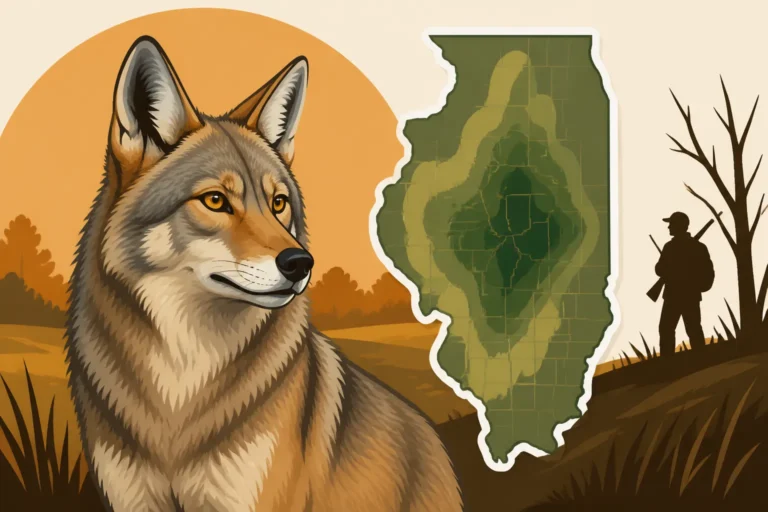
Every few years, reports surface of a "wolf" sighting in Illinois. More often than not, these turn out to be large coyotes, or sometimes a "coywolf"—a coyote-wolf hybrid that exhibits some wolf-like characteristics. Differentiating between a coyote and a true gray wolf requires a keen eye. Wolves are significantly larger, with broader muzzles, more rounded ears, and larger paws. Their tracks are also noticeably larger and more elongated than a coyote's. Illinois Coyote Range and Density confirms that coyotes are widespread across the state, making them the more likely candidate for most sightings. However, genuine gray wolves, usually young males, have been documented dispersing from established populations in Wisconsin and Michigan, sometimes traveling hundreds of miles. These are typically transient individuals, not indicative of a resident population, but they are a testament to the wolves' incredible ability to travel. If you believe you've seen a wolf, documenting it with photos and reporting it to the Illinois Department of Natural Resources (IDNR) is crucial for accurate wildlife monitoring.
No Plans for Reintroduction and Why
Currently, there are no official plans by the Illinois Department of Natural Resources to reintroduce wolves into the state. The reasons are multifaceted. Illinois is a densely populated agricultural state, with very little contiguous wilderness area left to support a viable, free-ranging wolf population. Public acceptance, particularly among farmers and livestock owners, would be a major hurdle, resurrecting many of the conflicts that led to their extirpation in the first place. The successful reintroduction programs in states like Yellowstone National Park involved vast, protected wilderness areas and a very different social landscape. While Illinois has seen the return of other large mammals like Illinois's Occasional Black Bear Wanderers, the challenges associated with wolf reintroduction are far greater given their impact on livestock and the human-dominated landscape. Any natural return would depend entirely on dispersal from northern states, which would face significant challenges traversing the highly fragmented central Illinois landscape.
The Role of GoHunt for Modern Hunters
Even without wolves, understanding the historical ecology of Illinois helps modern hunters be better stewards of the land. Tools like GoHunt can be invaluable in this regard. While you won't be using it to track wolf packs in Illinois, it's incredibly useful for studying current habitat, understanding land use changes over time, and identifying potential areas for other game animals. For instance, you can use its mapping features to pinpoint remnants of natural habitats that might have once supported wolves, such as extensive timber blocks or river corridors, which still serve as crucial wildlife areas today. This kind of detailed mapping is essential for Scouting Illinois Public Land Before Season and making informed decisions about where and how to hunt. By analyzing historical aerial photos and land ownership data available through platforms like GoHunt, hunters can gain a deeper appreciation for the profound ecological transformation Illinois has undergone, and how we can best manage our current game species within that context. Understanding the past helps us appreciate the present.
Disclaimer
This article is for general informational purposes only and does not constitute professional advice. Laws, prices and regulations vary by location and change over time. Consult a qualified professional for guidance on your specific situation.