Illinois Coyote Range and Density
If you've spent any time in the Illinois outdoors, whether you're deer hunting a timber stand or just walking your dog in a suburban park, you've probably heard the unmistakable chorus of coyotes. These adaptable canids are everywhere, and understanding their range and density across our diverse landscape is crucial for anyone who shares their habitat, whether you're a hunter, a farmer, or just a curious nature lover. This guide will take a deep dive into where Illinois coyotes live, how many there are, and what that means for both wildlife and people in the Prairie State.
Understanding the Illinois Coyote Landscape
It's easy to assume coyotes have always been a staple of the Illinois landscape, but their story here is actually one of remarkable resilience and adaptation. Once primarily creatures of the western plains, they've made an incredible comeback and expanded their territory to truly blanket our state, from the northern suburbs to the deepest southern swamps.
Historical Perspective: How Coyotes Reclaimed Illinois
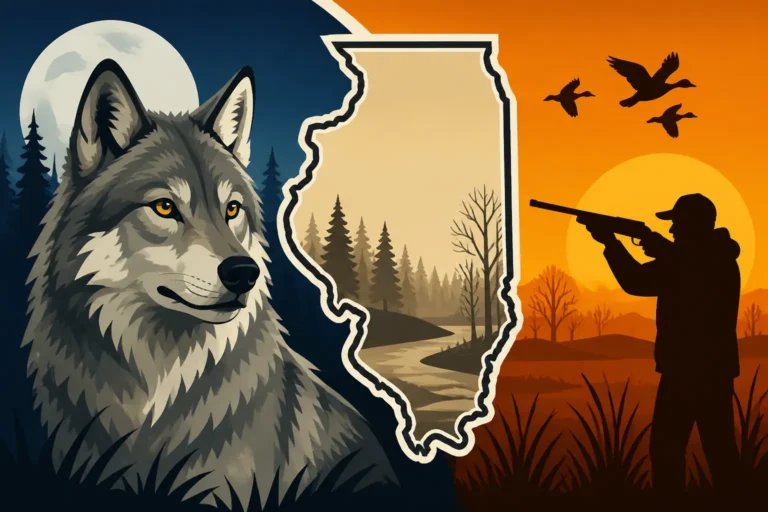
For many years, the gray wolf was the apex predator across Illinois, but as European settlers moved in, wolves were systematically eliminated, along with much of the state's original wilderness. This left a void in the predator landscape. It didn't take long for the highly adaptable coyote to step into that niche. Initially, they were more common in the sparsely populated, agricultural regions of central and western Illinois, gradually moving eastward and northward. They followed the shifting agricultural practices, the spread of small game, and perhaps most importantly, learned to coexist, if not thrive, alongside human development.
Their initial expansion into Illinois really took off in the early to mid-20th century. With no wolves to compete with and an abundance of food sources like rodents, rabbits, and deer fawns, their numbers steadily grew. They've proven themselves incredibly adept at learning new behaviors and finding ways to survive in environments that would typically push out other wild canids. This historical context is vital when we talk about their current widespread presence; it's not just that they're here, it's how they got here, filling a role that was left vacant.
Current Range: From Suburban Backyards to Deep Woods
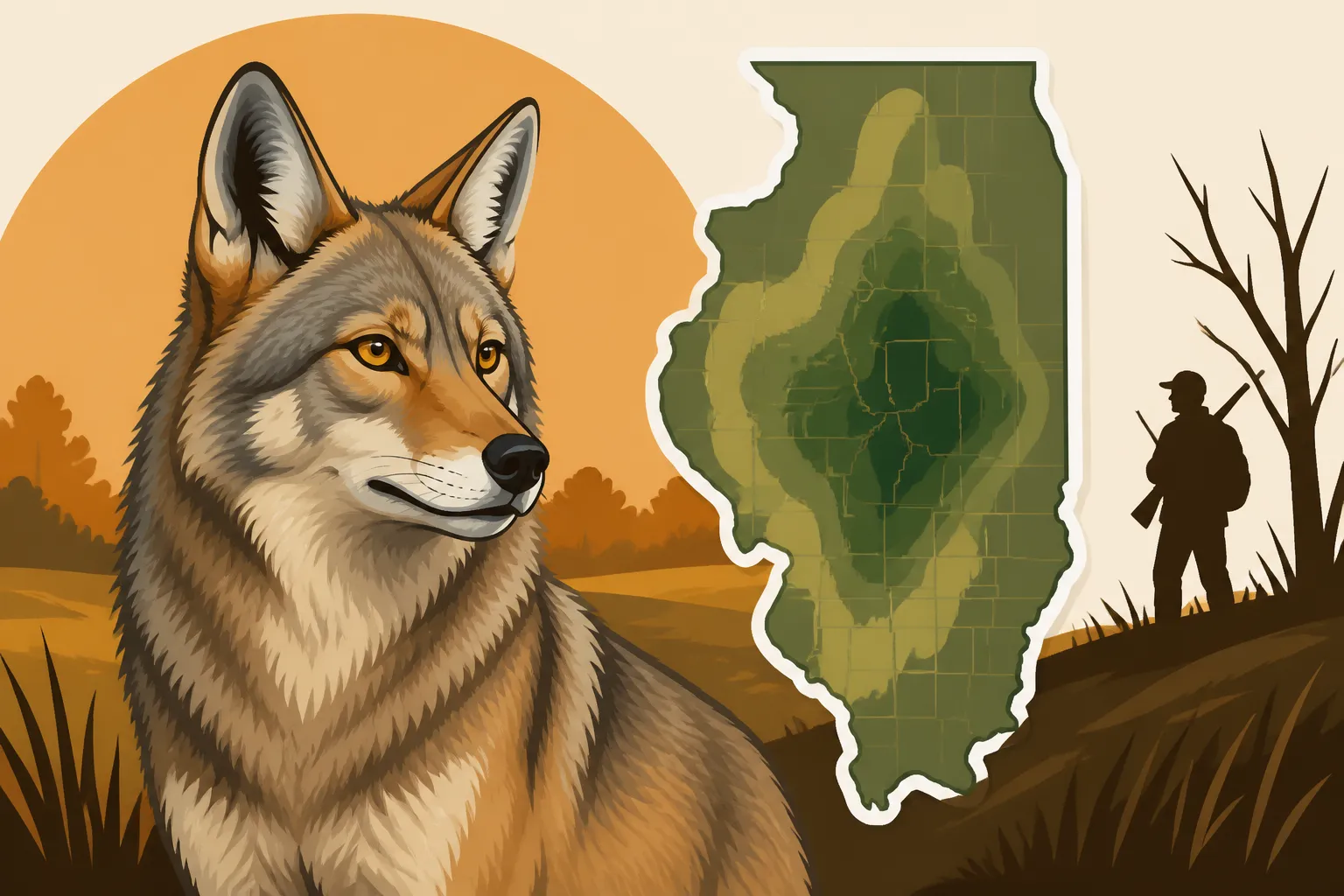
Today, there isn't a single county in Illinois where you won't find coyotes. Their range is truly statewide, extending from the densely populated metropolitan areas surrounding Chicago, all the way down to the rugged, forested hills of Southern Illinois. This widespread distribution speaks volumes about their incredible adaptability. In urban and suburban settings, they've learned to navigate green spaces, park districts, railroad tracks, and even residential areas, often going unnoticed by the human residents until a sighting or the distinct sound of their howls makes their presence known.
In more rural settings, you'll find them just about everywhere: timber blocks, fencerows, CRP fields, river bottoms, and vast agricultural landscapes. They utilize any cover available for denning, hunting, and travel. It's not uncommon to spot a coyote trotting along a field edge in broad daylight in central Illinois or catch a glimpse of one slipping through the underbrush in the Shawnee National Forest. This ubiquitous presence means that no matter where you hunt or recreate in Illinois, understanding coyote behavior and their impact on other wildlife is a constant consideration. Many hunters, for example, will start to think about Coyote Calling in Illinois Farm Country during the off-season.
Deciphering Coyote Density Across the State
While coyotes are found everywhere in Illinois, their numbers aren't uniform. Just like any other wildlife species, their density is heavily influenced by a combination of environmental factors, food availability, and, surprisingly, the level of human interaction and land use.
Factors Influencing Density: Habitat, Food, and Human Presence
Several key factors contribute to where coyotes concentrate their populations. First and foremost is habitat. Coyotes prefer areas that offer a mix of cover for denning and resting, combined with open spaces for hunting. This often means the edges of woodlots, dense brush lines, and fields, which are abundant across Illinois. Think about river bottoms, areas where timber meets agriculture, or even the fringes of developed areas where there are still significant green spaces. These patchwork landscapes offer everything a coyote needs to survive and raise pups.
Food availability is another huge driver of density. Coyotes are opportunistic omnivores, meaning they'll eat just about anything. Their diet primarily consists of small mammals like rabbits, mice, and voles, but they also prey on birds, insects, fruits, and even carrion. In areas with abundant prey species, particularly in agricultural regions that support healthy populations of rodents and rabbits, coyote numbers tend to be higher. Lastly, human presence plays a fascinating role. While some species shy away from people, coyotes have learned to exploit human-altered landscapes. This can include foraging in suburban trash, preying on unattended outdoor pets, or scavenging around livestock operations. However, areas with high human density can also lead to more direct control measures, which can suppress populations locally. Understanding these dynamics is crucial for land managers and hunters alike. For instance, using tools like GoHunt to scout areas can help identify potential coyote hotspots by analyzing habitat types and proximity to agricultural zones.
Regional Variations: Where Coyotes Thrive Most
Given the varying landscapes of Illinois, it's no surprise that coyote densities fluctuate significantly from one region to another.
- Northern Illinois: While densely populated, northern Illinois, particularly the suburban fringe, has a surprisingly robust coyote population. They exploit parklands, golf courses, greenways, and forest preserves. Their density here might not be in the vast open spaces, but rather concentrated within these green corridors. They've learned to move stealthily, often at night, making their presence less obvious to the casual observer.
- Central Illinois Farmland: This region, characterized by vast agricultural fields interspersed with timbered fencerows, small woodlots, and river drainages, often boasts some of the highest coyote densities. The abundance of small game, deer, and carrion, combined with excellent cover in the timbered areas, creates an ideal environment for them. Farmers often report frequent sightings and hear their calls regularly. This region is a prime area for Predator Calling Southern Illinois Ridgelines where the topography creates natural funnels.
- Southern Illinois Hill Country: The more rugged, forested terrain of southern Illinois, including the Shawnee National Forest, also supports a strong coyote population. While the prey base might be slightly different than pure farmland (more deer, less small agricultural rodents), the extensive cover and diverse habitat provide ample opportunities for these adaptable predators.
Here’s a simplified look at how coyote density might be generally perceived across different regions of Illinois:
| Illinois Region | Primary Habitat Types | Perceived Coyote Density | Common Food Sources |
|---|---|---|---|
| Northern Suburbs | Parks, golf courses, forest preserves, residential edges | Moderate to High | Rodents, rabbits, pet food, trash, deer fawns |
| Central Farmland | Crop fields, fencerows, small woodlots, river bottoms | High | Rodents, rabbits, deer, birds, carrion, insects |
| Southern Hill Country | Dense timber, open woods, river valleys, rugged terrain | Moderate to High | Deer (fawns), rabbits, rodents, wild turkey, carrion |
| River Valleys | Wetlands, bottomland timber, agricultural fringes | High | Waterfowl, rodents, rabbits, deer, fish |
It’s important to remember that these are generalizations, and local conditions can cause significant variations within any given region. A dense river bottom funnel within central farmland, for example, will almost certainly hold more coyotes than an exposed hilltop.
The Impact of Illinois's Coyote Population
The widespread presence and varying densities of coyotes across Illinois mean they have a significant impact on both the ecological balance and human activities, from livestock protection to recreational hunting. It's a complex relationship that often sparks debate.
Illinois Coyote Attacks on Livestock and Pets
One of the most concerning aspects of a healthy coyote population, particularly in agricultural and suburban areas, is the potential for conflicts with humans. Illinois has a long history of agricultural production, and coyotes can, unfortunately, cause economic losses for farmers. Illinois Coyote Attacks on Livestock are not unheard of, with sheep, goats, and poultry being the most vulnerable. Calves, especially young ones, can also be at risk. These incidents often lead to calls for effective wildlife management strategies to protect livelihoods. Farmers sometimes find themselves having to implement additional fencing, guard animals, or active deterrents to mitigate these losses.
In suburban and even urban areas, the primary concern shifts to pets. Small dogs and outdoor cats are particularly susceptible to coyote predation. It's a heartbreaking reality for many pet owners who don't realize how common these encounters can be, especially at dawn, dusk, or during the night when coyotes are most active. This necessitates responsible pet ownership, such as keeping pets leashed, supervising them outdoors, and never leaving pet food outside overnight. Understanding that these conflicts arise from the coyote's natural predatory instincts, not malice, is key to managing the issue effectively. Hunters interested in managing coyote populations can find specific rules regarding Night Hunting Rules for Illinois Coyotes to help reduce conflicts.
Ecological Role: Predators and Prey Dynamics
Beyond the conflicts, coyotes play a critical ecological role in Illinois. As adaptable mesopredators, they help keep populations of smaller prey animals, like rodents and rabbits, in check. This can have ripple effects throughout the ecosystem, from reducing crop damage to influencing the health of vegetation. They also act as scavengers, cleaning up carrion and preventing the spread of disease, which is a vital, albeit often unseen, contribution to ecosystem health.
Their impact on deer populations is a topic of ongoing discussion among hunters and wildlife biologists. While adult, healthy deer are generally not a primary food source for coyotes, fawns are vulnerable. Coyote predation on fawns can be a significant factor in deer recruitment, especially in areas with high coyote densities or during harsh winters. However, coyotes rarely have a major impact on overall healthy adult deer populations. Their role is more about keeping the ecosystem balanced, often culling the weak or sick, which can inadvertently lead to a stronger overall herd. Of course, this also means that if you're out scouting for Illinois Deer Population Estimate you'll also be looking for coyote sign. It's a delicate balance, and their presence is a natural part of the dynamic Illinois wildlife community.
Tracking and Monitoring Illinois Coyote Numbers
Understanding where coyotes are found and in what numbers is a continuous effort for wildlife managers and researchers. Since these animals are so widespread and often secretive, tracking them effectively requires a blend of scientific methods and invaluable input from the public.
Research Methods: How Biologists Estimate Populations
Illinois wildlife biologists employ a variety of research methods to estimate coyote populations and monitor their health. One common technique involves spotlight surveys, where researchers drive established routes at night, using powerful spotlights to count coyotes and other nocturnal animals. This provides an index of abundance, allowing them to track trends over time. Another method involves collecting carcasses from hunters or roadkills to gather data on age, sex, and reproductive status, which offers insights into population structure and reproductive success.
Beyond direct observation, biologists also utilize scat analysis to study coyote diets, providing clues about their impact on local prey populations. Increasingly, advanced methods like remote camera trapping, where motion-activated cameras are deployed in strategic locations, offer consistent, long-term data on coyote presence, activity patterns, and even individual identification in some cases. Genetic sampling from hair or scat can also provide valuable information on population connectivity and genetic health. This comprehensive approach, sometimes aided by detailed mapping tools from platforms like GoHunt, allows wildlife agencies to develop a more accurate picture of coyote dynamics across the state, including monitoring for issues like Mange in Illinois Coyotes and Foxes which can impact local populations.
Citizen Science and Hunter Observations
While scientific studies provide crucial data, the sheer scale of Illinois means that observations from the public, particularly hunters and trappers, are incredibly valuable for understanding coyote distribution and density. Hunters spend countless hours in the field, often in remote areas, and their firsthand accounts of coyote sightings, tracks, and vocalizations offer a real-time pulse on local populations. Many hunters keep detailed logs or use mapping apps to note wildlife encounters, which, when aggregated, can provide a wealth of anecdotal evidence about coyote activity in specific regions.
In many states, including Illinois, wildlife agencies encourage the reporting of unusual animal sightings or observations of sick or diseased animals. This citizen science component is vital for detecting emerging issues, like an increase in local coyote activity or the spread of diseases. When hunters report these observations, whether it's noticing an abundance of coyotes while out during Illinois Small Game Season Rules or finding evidence of mange, it helps supplement scientific data and allows biologists to investigate potential issues more efficiently. This collaboration between the public and wildlife professionals is a cornerstone of effective wildlife management in a state as diverse as Illinois.
Living and Hunting Alongside Illinois Coyotes
Coyotes are a permanent fixture in the Illinois landscape, and understanding how to coexist with them, whether you're a landowner trying to protect your property or a hunter looking to manage local populations, is increasingly important. It’s about being informed and taking proactive steps.
Coexistence Strategies for Landowners
For landowners, especially those with livestock or who live in suburban-rural interfaces, learning to coexist with coyotes is often a necessity. The first line of defense is usually preventative measures. This includes securing trash cans, never leaving pet food outdoors, and ensuring pets are supervised or kept indoors, especially from dusk till dawn. For livestock owners, sturdy fencing, particularly woven wire or electric fencing, can be a major deterrent. Night pens for smaller livestock can also provide protection.
Another strategy is the use of guard animals, such as llamas, donkeys, or specific breeds of dogs, which have a natural instinct to protect their herd. While not foolproof, these methods can significantly reduce predation. Habitat modification around barns and pastures, like clearing dense brush where coyotes might den or ambush prey, can also help. Furthermore, staying informed about coyote behavior—knowing when they're most active, understanding their vocalizations—can empower landowners to take timely action. Remember, deterrence is often more effective than attempting to eliminate coyotes from a large area, as they are incredibly resilient and new individuals will quickly fill any vacant territory.
Predator Hunting in Illinois: Season and Tactics
For many hunters, engaging in Predator Hunting in Illinois is not just a recreational pursuit but also a valuable tool for managing local coyote populations and mitigating conflicts. Illinois has a very liberal coyote hunting season, often year-round, which provides ample opportunity for those interested. Most hunters target coyotes primarily through calling, using electronic callers or mouth calls to mimic prey in distress or other coyote vocalizations. This can be an incredibly exciting and challenging form of hunting, requiring stealth, patience, and a good understanding of coyote behavior and wind direction.
Tactics vary based on habitat. In central Illinois farm country, setting up along fencerows or woodlot edges overlooking open fields is common. In the rugged southern hills, callers might focus on ridgelines and timber breaks. Using a quality map application, like those offered by GoHunt, can be invaluable for identifying prime setup locations, understanding terrain, and marking coyote sightings. Remember, proper gear is essential: good optics, appropriate firearms, and camouflage are key. Hunters should also be keenly aware of Illinois Hunter Education Requirements and all local regulations, especially regarding firearms discharge and property boundaries, if hunting on private land. While hunting alone won't eradicate coyotes, targeted efforts can help reduce their numbers in specific problem areas and provide a thrilling challenge for the hunter.
Disclaimer
This article is for general informational purposes only and does not constitute professional advice. Laws, prices and regulations vary by location and change over time. Consult a qualified professional for guidance on your specific situation.