Illinois Record Book Gobblers
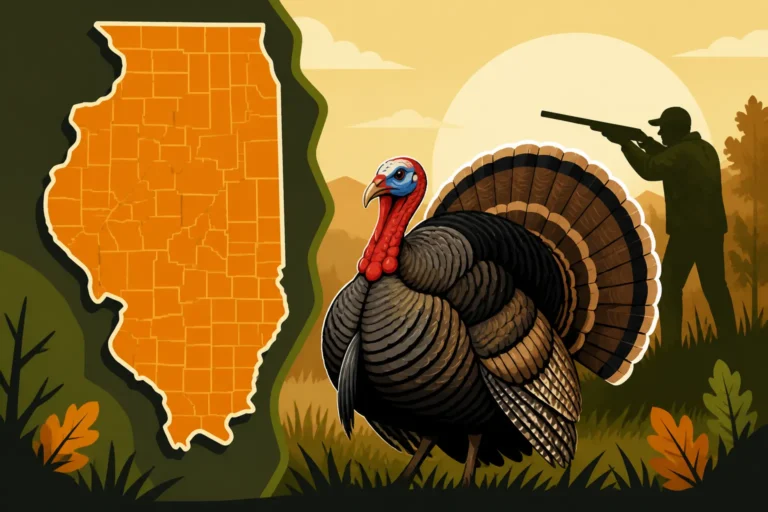
There's nothing quite like the sound of a spring gobbler hammering on the roost, making your heart pound as the woods slowly come alive. But for many dedicated turkey hunters in Illinois, the dream extends beyond just punching a tag; it's about connecting with that truly exceptional bird, the kind that might just make it into the record books. It's a challenging pursuit, requiring skill, patience, and a deep understanding of these magnificent birds. This guide will walk you through what it means to bag an Illinois record book gobbler, where to find them, how to hunt them, and what to do once you've achieved that incredible feat.
Understanding "Record Book" for Illinois Turkeys
When we talk about a "record book gobbler," it's not just about the biggest bird you've ever seen, though size certainly plays a role! There's a specific set of criteria that transform a great bird into a true trophy recognized by the hunting community. It's a testament to the bird's age, health, and often, its ability to elude hunters for multiple seasons.
What Makes a Gobbler "Record Book" Caliber?
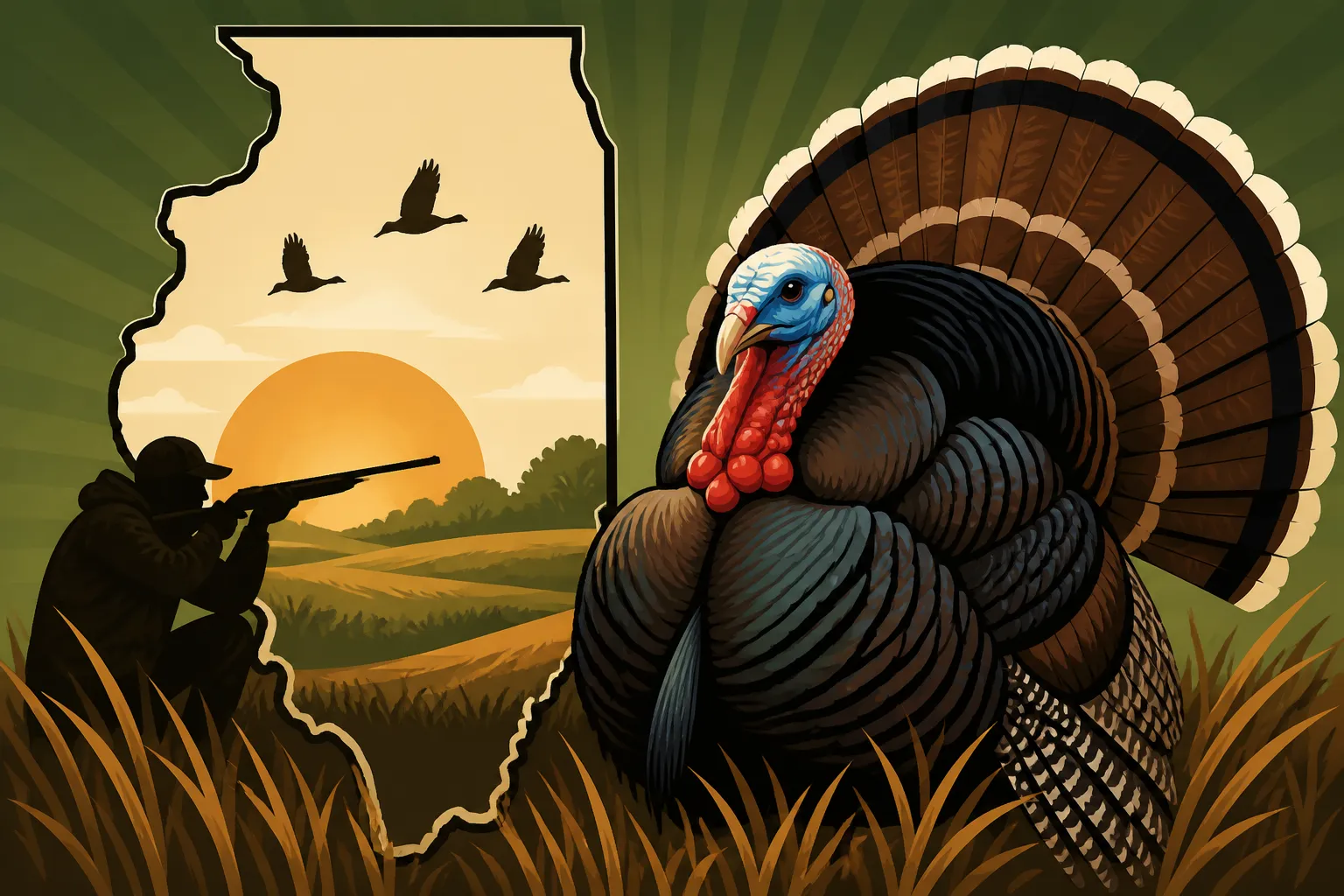
Imagine a bird stepping out of the timber, strutting proudly, its fan a perfect arc, long spurs gleaming, and a beard dragging on the ground. These are the traits that contribute to a record book score. While many hunters might focus solely on the sheer weight of a gobbler, or the impressive length of its beard, the actual scoring system takes a more holistic view. A gobbler's score is a combination of its live weight (converted to points), the length of its spurs, and the length of its beard. It's about the full package, reflecting a truly mature and impressive specimen. The thrill comes from knowing you've matched wits with a truly seasoned tom, one that has developed these impressive physical attributes over several years.
The National Wild Turkey Federation (NWTF) Scoring System
When hunters refer to "record books" for wild turkeys, they are almost universally talking about the system established and maintained by the National Wild Turkey Federation (NWTF). This is the gold standard, the official registry where hunters can submit their trophies for recognition. The NWTF's system is quite precise, requiring careful measurement of three key components:
- Weight: The gobbler's live weight is a major contributor to its score. This weight is typically taken immediately after harvest and converted into points. A heavier bird means more points, reflecting a healthy, mature tom.
- Spur Length: The spurs are perhaps the most telling sign of a gobbler's age and dominance. They are measured along the outside curve from the point where they emerge from the leg to their sharp tip. The length and sharpness of spurs are a huge factor in a bird's overall score. You'll often hear hunters talking about "long hooks" on a gobbler, and for good reason!
- Beard Length: While less indicative of age than spurs, a long, thick beard is a highly coveted trait. It's measured from the point where it emerges from the skin to the very end of the longest bristle. Sometimes a gobbler can have multiple beards, and while this is a rare and impressive sight, typically only the longest main beard is measured for the NWTF record.
The NWTF scoring system ensures consistency across all entries, allowing for fair comparison of trophies from across the country, including our great state of Illinois.
Illinois's Place in Turkey Hunting History
It might be hard to believe now, given how robust our turkey population is, but wild turkeys were once virtually extirpated from Illinois. Through incredible conservation efforts, spearheaded by the Illinois Department of Natural Resources (IDNR) and organizations like the NWTF, wild turkeys were successfully reintroduced and have thrived. Today, Illinois is considered a premier turkey hunting destination, offering fantastic opportunities for hunters. This successful restoration means that mature, record-caliber birds are not just a pipe dream; they're a real possibility for those who put in the effort. The history of the comeback makes harvesting a trophy bird here even more meaningful. If you're curious about the journey, you can learn more about How Turkeys Were Restored to Illinois. Our state now consistently ranks high in annual turkey harvests, a testament to the healthy population and the quality of our game birds.
Where to Find Record Class Gobblers in Illinois
Finding a record-class gobbler isn't just about stumbling upon a big bird; it's about understanding their preferred habitat, knowing which regions of the state consistently produce older, larger toms, and putting in the legwork to scout those areas effectively. These birds didn't get big by being easy to find or fool.
Key Habitat for Mature Toms
Mature toms, especially those with record-book potential, seek out specific types of habitat that provide safety, abundant food, and prime roosting sites. They gravitate towards areas with:
- Large Tracts of Mature Timber: Old growth timber, particularly hardwood forests with large, tall trees, provides ideal roosting spots that offer protection from predators. These areas also hold vital insect populations and mast crops (like acorns and hickory nuts) that turkeys rely on for food. Look for diverse timber stands with a good mix of species.
- River Bottomlands: The river bottoms along the Illinois River and Mississippi River are often overlooked but can be goldmines. These areas offer dense cover, diverse food sources, and often less hunting pressure due to challenging access. The rich soils produce abundant vegetation and insects, crucial for growing big, healthy birds.
- Agricultural Interfaces: While turkeys need timber, they also heavily utilize the edges of agricultural fields. Corn, soybean, and wheat fields offer easy feeding opportunities, especially in the afternoon. The intersection of mature timber and these food sources creates natural travel corridors and feeding areas where you'll find birds throughout the day.
- Secluded Public Lands: While public land can sometimes be pressured, larger tracts like portions of the Shawnee National Forest or some of the bigger state fish and wildlife areas can hold mature birds that have learned to avoid hunters. The key is often to get deeper into these areas than most hunters are willing to go. Thinking about Where Illinois Gobblers Roost is crucial here; big, old trees are almost always part of the equation.
Counties Known for Producing Big Birds
While I can't pinpoint an exact county that guarantees a record gobbler every season (that would take all the fun out of it!), certain regions of Illinois are historically known for producing higher quality turkeys, including those with impressive spur and beard lengths.
- Southern Illinois Hill Country: Counties within the Shawnee Hills region, with their vast timber acreage, rugged topography, and interspersed agriculture, consistently produce excellent turkeys. The extensive public land options here provide the space for birds to grow and mature with less consistent pressure than some more fragmented landscapes.
- Western Illinois River Bluffs: The counties bordering the Illinois and Mississippi Rivers, particularly those with significant timbered bluffs and fertile river bottoms, also have a strong track record. The diversity of habitat, from steep timber to agricultural fields, creates an ideal environment for turkeys. These areas often support a higher turkey density, increasing the chances of encountering a truly mature tom.
- Isolated Timber Blocks in Central Illinois: Don't count out central Illinois entirely. While often dominated by agriculture, pockets of mature timber, especially along creek drainages and river systems, can hold incredible birds. These isolated blocks can be sanctuaries where old toms can live relatively undisturbed. The challenge here is finding those unpressured pockets and getting permission if they are on private land.
Ultimately, consistent high-quality habitat with diverse food sources and adequate cover, coupled with lower hunting pressure, is what allows gobblers to reach record-book size.
Scouting for Trophy Potential
Finding a record-book gobbler starts long before opening day. Effective scouting is paramount. You're not just looking for turkeys; you're looking for signs of mature turkeys.
- Pre-Season Reconnaissance: Spend time in the woods weeks, even months, before the season opens. Listen for gobbling, especially at dawn. Use binoculars to scan field edges from a distance. Look for definitive signs of turkey activity like strut marks (drag marks from a gobbler's primary feathers), large tracks, and significant droppings. The size of droppings can often indicate a larger, older bird.
- Utilize Mapping Tools: Modern mapping applications are invaluable. Tools like GoHunt can help you analyze aerial photos to identify mature timber, agricultural interfaces, creek bottoms, and potential roosting areas. You can mark potential hotspots, plan entry and exit routes, and identify areas of public land that might see less pressure. Look for pinch points, saddles, and subtle terrain features that could funnel turkeys.
- Trail Cameras (where permitted): Strategically placed trail cameras can give you invaluable insight into the specific birds using an area, their travel patterns, and their size. Look for clear pictures of spurs and beards. Just make sure to check local regulations on trail camera use on public lands, as rules can vary.
- Listen to Local Knowledge: Don't be afraid to talk to farmers, landowners (if you have permission), or other respectful hunters. They often have an intimate understanding of bird movements in their specific areas.
The more you understand the specific area, the better your chances of intercepting that record-book gobbler. Effective Scouting Illinois Public Land Before Season is crucial, and it’s a year-round commitment for serious trophy hunters.
Strategies for Hunting Record-Book Toms
Hunting record-book gobblers demands a different approach than hunting a younger, less experienced tom. These are birds that have survived multiple hunting seasons; they've heard it all, seen it all, and they're incredibly wary. It takes a blend of patience, precise calling, and smart decoy strategies to seal the deal.
Patience and Persistence
The biggest difference between hunting a two-year-old gobbler and a four-year-old record contender often comes down to patience. Younger birds are often more eager to commit, more susceptible to aggressive calling, and less cautious about approaching a setup. An old tom, however, has a doctorate in hunter avoidance.
- Long Sits: Be prepared to sit in one spot for hours, sometimes without hearing a peep. That record bird might be roosted a quarter-mile away, silently observing or slowly working his way towards you. Don't move just because he's "hung up" or not gobbling. He might be coming, but doing so on his terms.
- Return to Known Areas: If you know a big gobbler is in an area but he's not cooperating, don't abandon it entirely. Return the next day, or even later in the season. His mood, the hens' behavior, or the weather might change, making him more receptive. Persistence often pays off with these seasoned birds.
- Reading the Bird: Don't just call; listen and watch. Is he gobbling hard but not moving? Is he circling? Is he cutting off your calls? Every action (or inaction) gives you clues about his disposition. An older bird might gobble less but come in more cautiously. Remember that Hunting the Illinois Rut in Early November is primarily for deer, but understanding breeding cycles across species can give you a better grasp of animal behavior during different seasons.
Advanced Calling Techniques
You can throw out the rulebook of aggressive, constant calling when targeting a record-book tom. These birds have heard every yelp and cut imaginable. Your calling needs to be subtle, realistic, and timed impeccably.
- Soft and Subtle: Often, less is more. Light clucks, soft purrs, and quiet tree yelps are often more effective than loud, demanding calls. You're trying to pique his interest, not challenge him or make him suspicious. Mimic a contented hen rather than an overly eager one.
- Strategic Silence: Just as important as when to call is when not to call. After a few soft calls, go silent. Let him wonder where you went. This can often be the trigger that makes him commit, forcing him to come investigate. He's not used to hens shutting up after a few calls.
- Vary Your Calls: Use a variety of calls – slate, mouth call, box call – but don't overdo any of them. Each has a slightly different tone, and mixing it up can sound more natural. Learn to make different sounds – excited yelps, contented clucks, aggressive cuts – but deploy them sparingly and appropriately. Mastering Grunt Calls in Mature Illinois Timber is important for deer, and a similar subtlety is key for advanced turkey calling. When you're trying to Calling an Illinois Gobbler Off the Roost, soft tree yelps and purrs are often the most effective.
Decoy Setups for Educated Birds
Decoy use for wary, mature gobblers is a nuanced art. The wrong setup can send them running, while the right one can provide the final irresistible draw.
- Less is More: For extremely wary birds, sometimes a single hen decoy is best, or even no decoy at all. A lone hen looks vulnerable and approachable, less threatening than a full spread. Position it so the gobbler must come into your shooting lane to investigate.
- Jake or Subordinate Tom: A jake decoy, or even a quarter-strut tom, can sometimes be effective, particularly if the dominant gobbler in the area is still looking to assert his authority. This setup challenges him directly and can often bring him in aggressively. Ensure the decoy is facing away from you, so the gobbler approaches from the front, offering a good shot.
- Realistic Positioning: No matter which decoy you choose, realism is key. Set them up in a natural pose and location. Avoid placing them too close to your hiding spot; give the gobbler some space to commit without seeing you. Consider the sun's angle to prevent glare off the decoy, which can look unnatural.
- Consider the Fan: Fanning, where you hold a real or artificial turkey fan, can be incredibly effective but also incredibly risky. It's a high-reward, high-risk strategy, especially on public land. It mimics a gobbler challenging another tom, and while it can bring a bird charging, it requires extreme caution and should only be done when absolutely sure of your target and surroundings. For more ideas on how to attract these birds, consider different Decoy Placement for Pressured Illinois Birds.
Here's a quick look at decoy strategies for those really smart gobblers:
| Decoy Strategy | Pros | Cons | Best Use Case |
|---|---|---|---|
| Single Hen | Non-threatening, natural, invites curiosity | May not always trigger an aggressive response | Highly pressured areas, birds that hang up, subtle approach |
| Jake Decoy (alone) | Challenges dominant gobblers, provokes aggression | Can scare off subordinate birds, may be too aggressive for some toms | Areas with active breeding, when a gobbler is acting dominant |
| Jake + Hen Pair | Mimics a breeding pair, provokes jealousy | More elements to manage, can look unnatural if not set well | Birds that are henned up, trying to break up a flock |
| No Decoy | Minimal gear, relies purely on calling, no visual cues | Requires perfect calling and patience, gobbler might not commit | Ultra-pressured birds, dense cover, when visual is a disadvantage |
Documenting and Submitting Your Trophy
Once you've outsmarted that Illinois record-book gobbler, the journey isn't over. The next crucial steps involve accurate measurement and proper submission to ensure your trophy gets the recognition it deserves. It's a process that requires attention to detail, but it's incredibly rewarding.
Accurate Measurement for the Record Book
Precision is absolutely vital when measuring your bird for an NWTF submission. Any errors can lead to disqualification or a lower score than your bird deserves.
- Weight: This is often the easiest to get wrong. Your bird must be weighed on a certified scale. Many processing facilities, taxidermists, or even some local feed stores have scales that can be certified. Take the weight as soon as possible after harvest. Record it precisely, down to the ounce.
- Spur Length: Measuring spurs requires a steady hand and a keen eye. The NWTF specifies that spurs should be measured along their outside curve, from the point where they emerge from the scaly skin of the leg to the tip of the spur. Use a flexible tape measure or string that conforms to the curve. Measure both spurs, as they are rarely identical.
- Beard Length: The beard is measured from the point where it emerges from the skin to the tip of the longest bristle. Ensure the beard is fully extended and not matted or broken. If your bird has multiple beards, typically only the longest main beard is measured for the primary score, but you can document additional beards as "irregulars" or special features.
It's highly recommended to have these measurements taken or verified by an official NWTF measurer if possible. They have the experience and tools to ensure accuracy, which reduces the chance of issues during the submission process.
The NWTF Submission Process
Submitting your gobbler to the NWTF record book is a straightforward process, but it requires adherence to their guidelines.
- Locate an Official Measurer: The NWTF maintains a list of official measurers across the country. Contact one in Illinois to schedule an appointment. They will verify your measurements and ensure all necessary paperwork is completed correctly.
- Complete the Official Score Sheet: The measurer will fill out an official NWTF score sheet, which includes all the relevant data about your bird (weight, spur length, beard length, location of harvest, date, hunter's information).
- Photos and Documentation: You'll typically need to provide clear photographs of the gobbler, especially close-ups of the spurs and beard alongside a measuring tape to corroborate the recorded lengths. Documentation of the harvest (e.g., your Illinois turkey permit) may also be required.
- Submit and Wait: Once all paperwork is complete and verified, the measurer will submit it to the NWTF. There will be a processing period as they review the submission, verify the data, and officially enter your gobbler into the record book. Be patient; good things take time!
The NWTF's commitment to integrity ensures that all entries are legitimate and properly documented, making the achievement even more meaningful. You can find more details on Illinois Turkey Checking Requirements and other regulations from the IDNR.
Celebrating Your Achievement
While the official score is a wonderful recognition, the true celebration of a record-book gobbler goes far beyond the numbers. It's about the entire experience, the challenge, and the memories forged in the spring woods.
- The Story: Every record-book gobbler has a story behind it. The long hours scouting, the missed opportunities, the early mornings, the specific call that finally sealed the deal. These are the moments that truly define the hunt. Share your story with friends, family, and fellow hunters. It's often the journey, not just the destination, that we cherish most.
- Preserving the Memory: Consider preserving your trophy through taxidermy. A mounted gobbler, with its fan strutted and beard proudly displayed, is a lasting reminder of your accomplishment. Work with a reputable taxidermist who specializes in turkeys to ensure a lifelike and beautiful mount.
- Inspiring Others: Your success can inspire other hunters, especially those new to the sport or those who have been chasing that elusive gobbler for years. Share your tips, your struggles, and your ultimate triumph. The hunting community thrives on shared knowledge and passion.
- Beyond the Score: Ultimately, the NWTF record book is a fantastic way to honor truly exceptional birds and the hunters who pursue them. But remember, every wild turkey harvested is a trophy in its own right, a testament to the wild places we cherish and the traditions we uphold. Whether it makes the book or not, the experience of Hunting Illinois's Over-the-Counter Fall Turkey Season or chasing a spring gobbler is a reward in itself.
Disclaimer
This article is for general informational purposes only and does not constitute professional advice. Laws, prices and regulations vary by location and change over time. Consult a qualified professional for guidance on your specific situation.