How River Otters Returned to Illinois
It's easy to look at our vibrant Illinois waterways today, teeming with life, and take for granted the incredible diversity we have, especially when it comes to charismatic critters like river otters. But believe it or not, there was a time when seeing a playful otter splashing in an Illinois creek was an almost unheard-of dream, a relic of a bygone era. For decades, these amazing furbearers were virtually absent from our state, leaving many to wonder if they'd ever truly make a comeback. This guide is all about that remarkable journey, tracing the path from their near-disappearance to their thriving presence today, offering a deep dive into how conservation efforts brought these beloved animals back home to Illinois.
The Historical Decline: Why Otters Vanished from Illinois Waters
It's hard to imagine Illinois without river otters today, but for a significant portion of the 20th century, their presence was alarmingly rare. They weren't just scarce; they were, for all intents and purposes, extirpated from much of their historic range here. This wasn't a sudden event, but rather a slow, grinding decline brought about by a perfect storm of environmental pressures and human activities. It left our river systems feeling a little emptier, a little less wild, and many folks who remembered tales of their grandparents seeing otters probably thought those days were gone forever.
Habitat Loss and Degradation
One of the most devastating blows to the Illinois river otter population was the widespread loss and degradation of their critical habitat. Otters are incredibly dependent on healthy, interconnected aquatic environments—rivers, streams, wetlands, and lakes—that offer not just clean water for hunting fish and crayfish, but also stable banks for denning and plenty of cover from predators and human disturbance.
Think about the massive changes Illinois underwent, especially starting in the late 19th and early 20th centuries. Vast tracts of wetland were drained for agriculture, transforming diverse ecosystems into monocrop fields. Rivers were channelized, straightened, and dammed for navigation, flood control, and power generation. These actions utterly destroyed the complex networks of oxbows, backwaters, and riparian vegetation that otters rely on for shelter and food. Imagine trying to live in a house when half the walls are gone and the roof is leaking constantly; that’s what it became for otters. The natural ebb and flow of rivers was disrupted, critical food sources were eliminated, and safe places to raise young pups became few and far between. Without a stable home base, even surviving became a Herculean task.
Unregulated Trapping Pressures
While habitat loss was a major factor, intense and often unregulated trapping played an undeniable role in the river otter's decline. During the fur trade era, and particularly into the early 20th century, furbearers like otters, muskrats, and beavers were highly sought after for their pelts. Demand was high, and trapping methods were often efficient, leading to significant harvest pressure.
Before modern wildlife management and conservation laws were firmly established, there were often few, if any, limits on how many animals could be taken, or when. This meant that otter populations, which naturally reproduce slower than some other furbearers, were hit hard. They couldn't replenish their numbers fast enough to keep up with the rate at which they were being removed from the landscape. It wasn't that trappers were malicious; they were simply operating within the economic and regulatory framework of the time. However, the cumulative effect was disastrous for a species that was already facing immense pressure from shrinking habitats. The combination of losing their homes and being heavily harvested pushed them to the brink.
Water Pollution and Its Toll
Beyond habitat destruction and trapping, the increasing pollution of Illinois's waterways delivered another crippling blow to the river otter. Otters are apex predators in aquatic systems, and as such, they are highly sensitive to the health of the water itself. When the water gets sick, so do the otters.
The industrial revolution brought with it a host of new pollutants, from factory runoff to untreated sewage. Agricultural practices introduced pesticides, herbicides, and excessive nutrients into rivers and streams. These chemicals didn't just kill fish, the primary food source for otters; they also accumulated in the food chain. Otters, being at the top, would ingest these toxins when they ate contaminated fish and crayfish. This bioaccumulation could lead to reproductive problems, weakened immune systems, and direct mortality. Imagine your entire grocery store becoming toxic; that's what happened to the otters. The very environment they needed to survive became a source of illness and death, making it incredibly difficult for any remaining populations to persist, let alone thrive.
The Comeback Story: Illinois's River Otter Restoration Efforts
The story of the river otter's return to Illinois isn't just one of decline; it's a testament to dedicated conservation efforts and a growing understanding of ecological balance. It took vision, hard work, and a commitment to undoing past mistakes. For those of us who grew up hearing about how rare they were, seeing them today is truly inspiring. It shows what's possible when people come together to protect our wild heritage.
Reintroduction Programs and Their Impact
By the 1980s, the plight of the river otter in Illinois was undeniable. They were, by all accounts, functionally extinct across much of the state. It was clear that simply protecting the few remaining individuals wouldn't be enough; a more active intervention was needed. This led to a bold and ambitious reintroduction program, a beacon of hope in the conservation world.
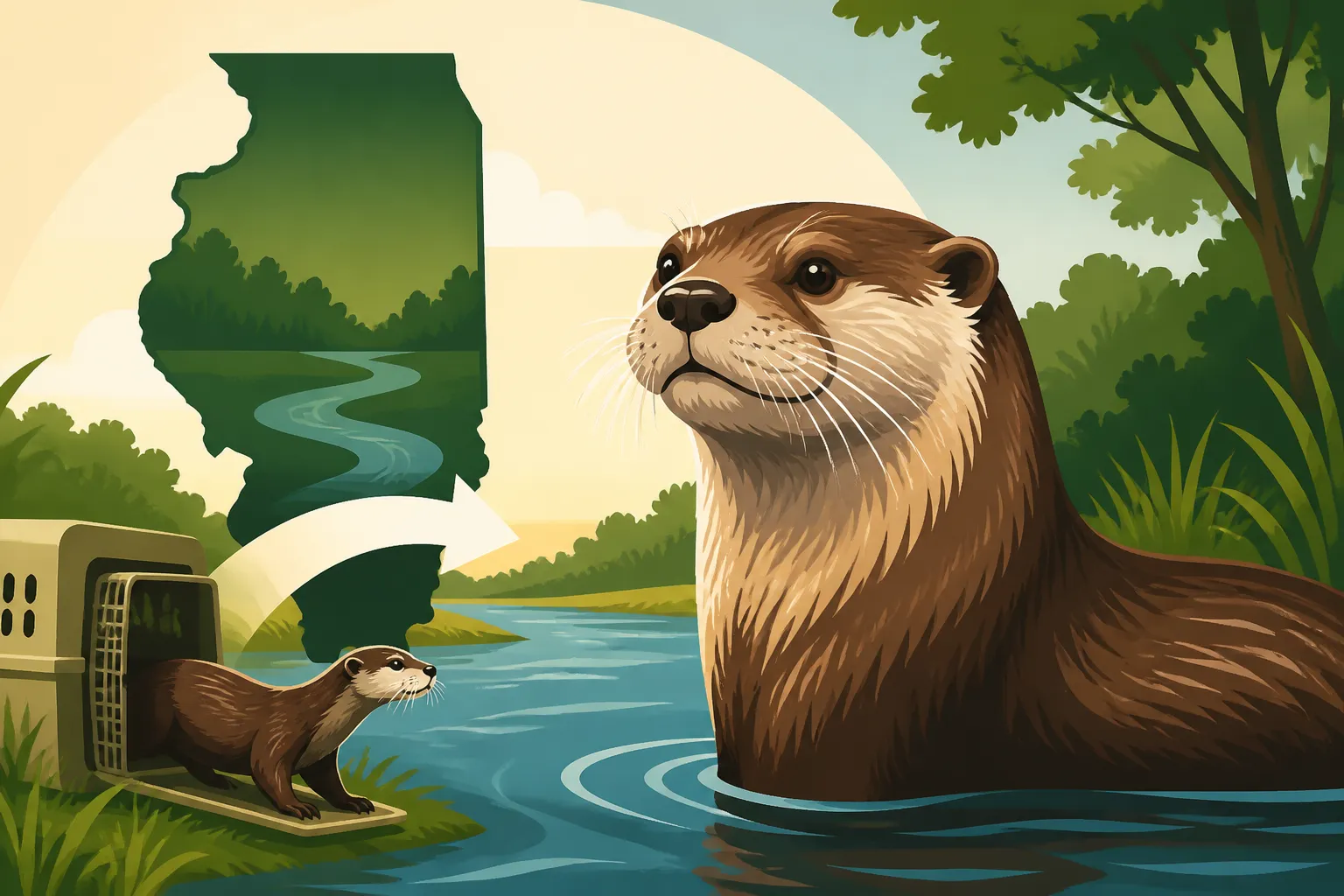
Between 1994 and 1997, the Illinois Department of Natural Resources (IDNR), along with various partners, undertook a significant effort to reintroduce river otters into suitable habitats across the state. This involved trapping otters from healthy populations in states like Louisiana and Kentucky, where they were abundant, and then releasing them in carefully selected locations in Illinois. Imagine moving an entire community to a new, carefully prepared town! These release sites were chosen for their good water quality, ample food sources, and minimal human disturbance, offering the best chance for the otters to establish new breeding populations. This strategic relocation wasn't just about dropping animals off; it was a science-backed endeavor designed to kickstart a natural recovery. The initial success of these reintroductions was critical, providing the foundational populations from which today's widespread distribution would eventually grow. It was a true turning point, signaling that Illinois was ready to welcome back one of its most charming aquatic residents.
Improved Water Quality and Habitat Management
While reintroduction was key, it wouldn't have worked without a simultaneous and ongoing commitment to improving the very habitats that had caused the otters' initial demise. You can release animals all you want, but if their home isn't healthy, they won't stick around. Thankfully, significant strides were made in water quality and habitat management across Illinois.
Over decades, stricter environmental regulations, improved wastewater treatment facilities, and a greater public awareness about pollution led to cleaner rivers and streams. Farmers adopted better land management practices, reducing runoff of harmful chemicals and sediment into waterways. Scouting Illinois Public Land Before Season often reveals areas where these improvements are clearly visible, with healthier riparian zones. Conservation organizations worked tirelessly to restore wetlands, plant native vegetation along riverbanks, and remove obsolete dams, all of which created more natural, diverse, and stable environments for otters. This comprehensive approach didn't just benefit otters; it improved the overall health of our aquatic ecosystems, creating a ripple effect that supported fish populations, migratory birds, and countless other species. The comeback of the otter is intrinsically linked to the comeback of our waters.
Regulatory Changes and Conservation Successes
Another crucial piece of the puzzle was the implementation of robust regulatory changes and a shift towards proactive conservation. Historically, wildlife management was often reactive, but the otter's situation highlighted the need for foresight and strict protection.
Illinois implemented regulations that protected river otters from harvest during their recovery period, giving them a much-needed reprieve to breed and expand their numbers. This protected status, coupled with ongoing monitoring by the IDNR, allowed biologists to track their progress and ensure the populations were indeed recovering. Eventually, as populations rebounded, a very limited, regulated trapping season was opened, carefully managed to ensure sustainability and prevent a return to overharvesting. This careful balance between protection and sustainable use is a hallmark of modern wildlife management. Through resources like GoHunt, hunters and trappers can often find updated information on these regulations, ensuring they remain compliant and contribute positively to conservation efforts. This careful stewardship has ensured that the river otter, once a ghost in our waterways, is now a thriving and integral part of the Illinois landscape. It's a prime example of how thoughtful policies, backed by scientific understanding, can yield incredible conservation successes.
River Otters Today: Thriving in Illinois's Ecosystems
Fast forward to today, and the sight of a river otter playing in the water, slipping gracefully through a current, or even just leaving distinct tracks along a muddy bank, is no longer a rarity in many parts of Illinois. It’s a remarkable transformation, truly a feel-good story for anyone who cares about wildlife. Their successful return isn't just about adding a cute animal back to the roster; it signifies a healthier, more balanced ecosystem throughout the state.
Current Population Status and Distribution
The river otter population in Illinois has rebounded so strongly that they are now widely distributed across the state, particularly in areas with good water quality and suitable habitat. You're likely to find them along most major river systems, including the Illinois River, the Mississippi River backwaters, the Ohio River, and their tributaries. Even smaller creeks and wetland complexes, which might not have supported otters for generations, are now seeing them return.
Biologists use various methods, including visual surveys, track and sign surveys, and even citizen science reports, to monitor their population. While specific numbers can fluctuate, the general trend is overwhelmingly positive, indicating a robust and healthy population. Illinois River Otter Recovery has been so successful that they've expanded naturally into many areas beyond their initial reintroduction sites. It's truly incredible to think that an animal once on the brink can now be observed in so many different corners of our state. Whether you're exploring Hunting the Illinois River Valley or a quiet creek in southern Illinois, your chances of spotting an otter have significantly increased, a clear indicator of their triumphant return.
| Illinois River Otter Status | Pre-1980s | 1990s (Reintroduction Phase) | Today (Post-Recovery) |
|---|---|---|---|
| Population Level | Extremely Low (Near Extirpation) | Increasing (Localized) | Healthy & Widespread |
| Distribution | Fragmented, concentrated South | Expanding from Release Sites | Most Major Waterways & Tributaries |
| Primary Threats | Habitat Loss, Pollution, Over-Trapping | Habitat Restoration, Water Quality | Habitat Fragmentation, Local Pollution |
| Conservation Status | Endangered | Threatened | Stable, Managed Fur-Bearer |
| Public Sightings | Rare | Uncommon | Regular in Suitable Habitat |
The Ecological Role of River Otters
Beyond their undeniable charm, river otters play a vital ecological role in our aquatic ecosystems. They aren't just pretty faces; they're active participants in maintaining the health and balance of their environment. Think of them as aquatic ecosystem engineers and indicators.
As predators, primarily of fish (especially slower-moving species) and crustaceans like crayfish, otters help to regulate prey populations. This can contribute to healthier fish stocks by removing weaker or diseased individuals and preventing overpopulation of certain species. Their presence is often a good indicator of overall aquatic health; if you have otters, it usually means you have clean water and a robust food web supporting them. They also create and use denning sites along riverbanks, sometimes utilizing old beaver lodges, which can indirectly affect other species. Their digging and foraging activities can even contribute to nutrient cycling in some areas. In essence, otters are a sign that the gears of the ecosystem are turning as they should, reminding us of the intricate connections between all living things in our waterways.
How Hunters and Anglers Can Support Otter Conservation
Even though river otters are now thriving, ongoing conservation efforts are still incredibly important, and hunters and anglers, as critical stakeholders in wildlife management, have a significant role to play. Our involvement isn't just about the hunt or the catch; it's about the health of the entire ecosystem.
First and foremost, understanding and respecting current regulations for furbearer seasons, including those for otters, is paramount. If you're a trapper, obtaining the correct Illinois Trapping License Requirements and adhering to bag limits and season dates ensures sustainable management. For all outdoors enthusiasts, supporting organizations that work on habitat restoration and water quality improvement is vital. This might mean volunteering for river cleanups, advocating for conservation policies, or simply buying your hunting and fishing licenses, which directly fund wildlife management efforts through programs like the Wildlife and Sport Fish Restoration Program. GoHunt, for example, often provides resources or links to organizations involved in broader habitat initiatives. Being mindful of sensitive riparian areas, minimizing disturbance, and always properly disposing of waste also contribute to healthy otter habitats. By being responsible stewards of our natural resources, we ensure that otters continue to flourish for generations to come, a testament to what can be achieved when we work together for wildlife.
Disclaimer
This article is for general informational purposes only and does not constitute professional advice. Laws, prices and regulations vary by location and change over time. Consult a qualified professional for guidance on your specific situation.