When Woodcock Migrate Through Illinois
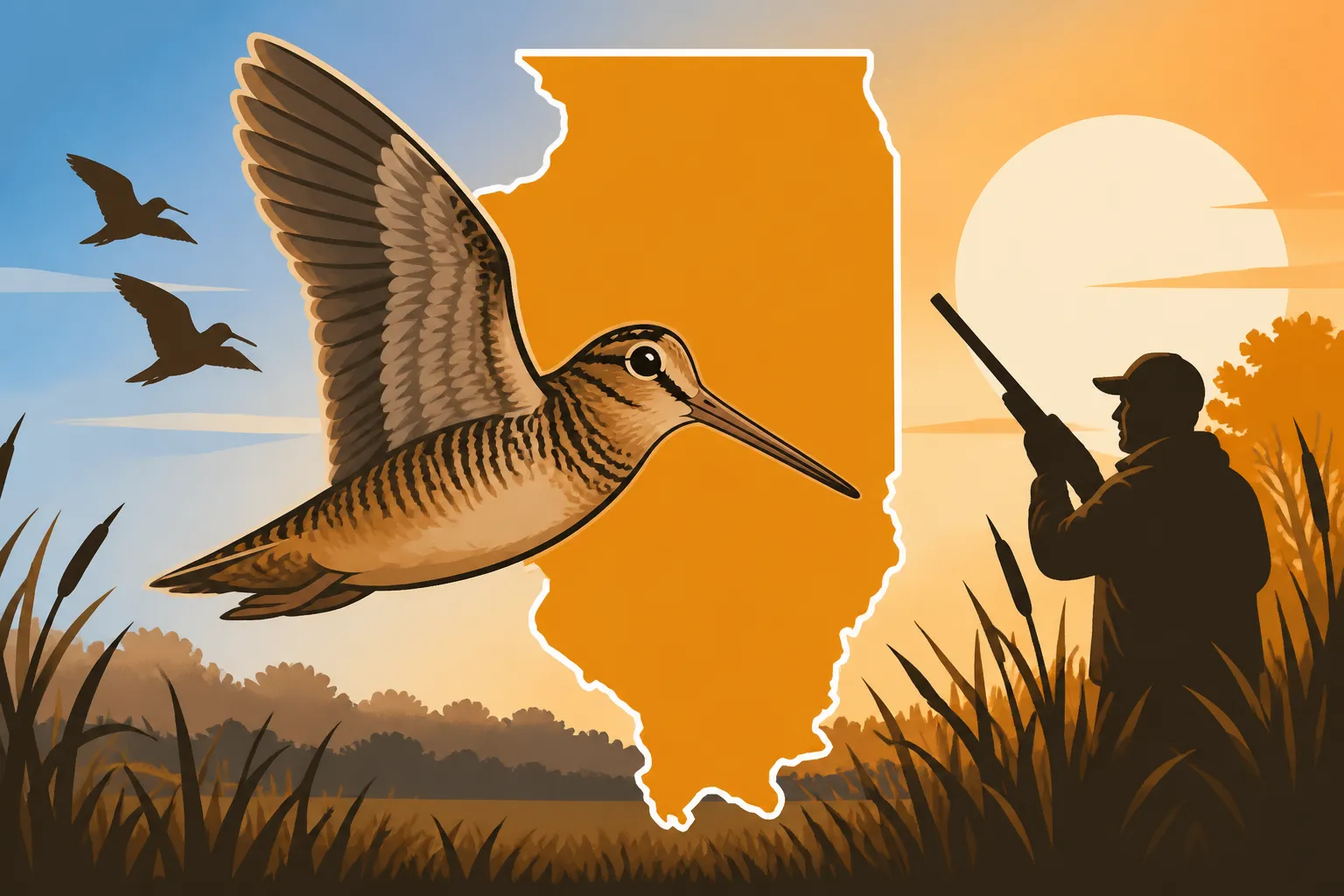
If you've ever found yourself trudging through dense cover in Illinois, hoping for the tell-tale flush of a timberdoodle, you know that timing is everything. Trying to pinpoint when woodcock migrate through Illinois can feel like chasing a ghost, making it incredibly frustrating to plan a successful hunt. This guide is here to demystify those migratory patterns, helping you understand when these fascinating birds are most likely to be in our state and how to capitalize on their journey.
Understanding Woodcock Migration Patterns in Illinois
Woodcock, often affectionately called timberdoodles, are fascinating migratory birds that pass through Illinois as they journey south for the winter. Unlike waterfowl that follow major river systems or geese that blanket farm fields, woodcock are a bit more subtle, moving through dense, wet cover. Their migration isn't a single, predictable wave but rather a series of movements influenced by a cocktail of environmental factors. For us hunters, this means staying attuned to more than just the calendar.
The Influence of Weather and Fronts
When we talk about woodcock migration, weather is king. These birds are incredibly sensitive to cold fronts, especially those that bring freezing temperatures and hard frosts. A sharp drop in temperature further north, coupled with frozen ground that makes probing for earthworms (their primary food source) difficult, is often the trigger that pushes them south in earnest. You'll hear many seasoned hunters talk about "the flight being on" after a particularly nasty cold snap.
However, it's not just the cold that moves them. Strong north winds accompanying these fronts can act like a tailwind, ushering them along quickly. Conversely, persistent south winds can stall migration, holding birds in place longer than anticipated. This dynamic interplay of temperature, precipitation, and wind direction means that what worked perfectly one year might be a bust the next. Keeping an eye on regional weather forecasts, not just for your immediate area but also for Wisconsin, Michigan, and even parts of Canada, can give you a crucial heads-up on an impending push of birds. This is where tools like GoHunt can really shine, allowing you to track weather patterns over a wider geographical area.
Why Day Length Triggers the Initial Push
While cold fronts are the immediate catalysts for significant movements, the underlying driver for woodcock migration, like many migratory species, is photoperiod – the shortening of daylight hours. As summer wanes and autumn arrives, the decreasing amount of light triggers hormonal changes in the birds, signaling that it's time to build fat reserves and prepare for the long journey south. This biological clock ensures that even if a warm spell extends into October, the birds are still intrinsically preparing to move.
This means that even before the first big freeze, some woodcock, particularly juvenile birds, will start making shorter, more localized movements. They're testing the waters, so to speak, exploring new patches of cover as they gradually drift southward. This initial, less concentrated movement can be challenging for hunters to intercept, but it also means there are often resident or early migrant birds available before the main event. Understanding this two-pronged trigger – the gradual, internal cue of day length and the sharp, external push of weather – helps build a more complete picture of when to expect these elusive migrants.
Prime Migration Windows for Illinois Hunters
Pinpointing the exact "best" time for woodcock in Illinois is a bit like guessing the winning lottery numbers – there's a lot of variability. However, based on years of observation and countless hours in the field, we can identify some prime windows when you're most likely to encounter these captivating birds. It's really about being ready for different phases of the migration.
Early Season Movements and Northern Birds
As Illinois Small Game Season Rules remind us, woodcock season in Illinois typically opens in mid-October. This early period, generally from opening day through the end of the month, can offer some surprisingly good hunting. During these weeks, you're primarily encountering two types of birds: resident woodcock that bred in Illinois, and the vanguard of migrants from further north. These early migrants often move ahead of the harshest cold fronts, pushed by subtle changes in weather or simply following their biological imperative.
You might find these early birds scattered, perhaps in smaller numbers than during the peak flight, but they can offer excellent opportunities if you know where to look. They haven't been as pressured yet, and might hold tighter for dogs. Focus on areas with soft, moist soil and dense, young alders or willow thickets near water sources. Think about those damp spots along creek bottoms or in regenerating clear-cuts. If we have an unseasonably warm October, these early birds might linger longer, providing a more extended chance to get out there before the masses descend. Illinois Woodcock Singing Ground Surveys give us a glimpse into the breeding populations, and while those numbers don't directly tell you migration timing, they offer context on resident birds.
The Main Flight: October and November's Peak
Without a doubt, the period from late October through mid-November is typically the sweet spot for the "main flight" of woodcock through Illinois. This is when those significant cold fronts from Canada and the northern states really start to dig in, sending wave after wave of timberdoodles south. If you're a serious woodcock hunter, this is the time you want to have your boots on the ground. The peak of this migration usually aligns with the frosty mornings and crisp air that truly signal autumn's embrace.
During this time, you can find birds in higher concentrations, often in the very best coverts that offer both food and protection. You might flush multiple birds from a single thicket, or have a steady stream of flushes as you work through a promising area. The key is to be flexible; if one cold front clears out a patch of woods, the next might replenish it with fresh birds. Using a mapping app like the ones from GoHunt to mark successful flushes and note cover types can be invaluable for identifying patterns year after year. Hunters often report seeing the biggest pushes of birds during the week surrounding Halloween and continuing through the second week of November, but again, listen to the weather.
Late-Season Stragglers and Southern Retreats
While the primary migration pushes through by mid-November, it's not over yet. Depending on how quickly winter sets in, Illinois can still hold good numbers of woodcock well into December, particularly in the southern reaches of the state. These are often the "stragglers" – birds that were late to migrate or those that found pockets of suitable habitat and food that allowed them to linger. As freezing temperatures become more consistent further north, these birds eventually make their final push towards their wintering grounds in the Gulf Coast states.
Hunting woodcock in December can be challenging but incredibly rewarding. The cover is typically thinner, making shooting easier, but the birds are often warier and can be harder to hold for a dog. You'll need to focus on south-facing slopes, protected river bottoms, and areas with thermal cover that hold moisture and keep the ground from freezing solid. Sometimes, these late-season birds will be concentrated in very specific micro-habitats, making scouting crucial. Don't overlook these late opportunities, especially if you're hunting in the southern counties; a mild stretch of weather can prolong their stay and offer some fantastic, unpressured hunting.
Key Habitats and How to Find Migrating Woodcock
Knowing when woodcock migrate is only half the battle; you also need to know where they'll stop. These aren't birds that linger in open fields or high timber. They have very specific habitat requirements, and understanding these can dramatically increase your chances of success, whether you're chasing the main flight or looking for those elusive late-season birds.
Classic Woodcock Coverts
Woodcock are primarily ground-feeding birds, and their long, sensitive bills are perfectly adapted for probing soft, moist soil for earthworms. Therefore, classic woodcock coverts are characterized by damp, rich soil and dense, young woody growth. Think of areas choked with young alders, willows, dogwoods, or even dense saplings of various hardwoods. These thickets provide both the soft ground they need for feeding and the overhead cover that offers protection from avian predators.
You'll often find these ideal habitats along creek bottoms, around the edges of swamps or marshes, in regenerating clear-cuts or timber stand improvement areas, and in abandoned fields that are quickly reverting to forest. Look for areas where sunlight can reach the forest floor, promoting the growth of a thick understory. Squirrel Hunting Illinois Bottomland Hardwoods often puts you in the general vicinity of good woodcock cover, as these areas share a love for moist, fertile soil. Don't overlook small, overlooked pockets of cover, especially on Hunting Small Private Tracts in Illinois where they might receive less pressure. Sometimes the most tangled, uninviting looking thicket holds the most birds.
Reading the Land for Migrators
Beyond the classic coverts, learning to "read the land" for woodcock sign is a skill that comes with experience but can be accelerated by paying close attention. When scouting, look for "splats" – their distinct white droppings – on leaves or fallen logs. These are a dead giveaway that birds have been using the area. Also, keep an eye out for probing holes, small pencil-sized perforations in the soft soil where they've been searching for worms. If you see abundant splats and probing, you've found a woodcock hotspot.
Consider how topography and water influence these habitats. Woodcock don't like to be far from water, as it keeps the soil moist. Therefore, drainages, seeps, and river bottoms are always good bets. In more upland areas, look for wet depressions or even just lower spots in a field that might hold moisture longer than the surrounding terrain. As you're out Scouting Illinois Public Land Before Season for deer or turkeys, make a mental note, or even a GPS waypoint, of any areas that look "woodcocky." Even seemingly barren areas, if they have the right mix of cover and moist soil, can hold migrants after a fresh push of birds. Knowing that perfect blend of open canopy for overhead flight but dense understory for hiding is key.
Using Resources to Pinpoint Woodcock Movements
You've got the general timing and habitat down, but what about those day-to-day variables? Modern tools and a bit of old-fashioned common sense can significantly improve your odds of being in the right place at the right time for migrating woodcock. Don't just guess; use every resource available to you.
Consulting Migration Reports
One of the best ways to get real-time intelligence on woodcock movements is by tapping into community knowledge. Many online forums, hunting groups on social media, and even state wildlife agency websites will feature informal (or sometimes official) migration reports. Hunters are often keen to share when they've encountered a "flight" of birds, giving you a better sense of whether birds are pushing through central Illinois, holding in the south, or still lingering up north. It's like having dozens of extra eyes and ears in the field, all reporting back.
Of course, take these reports with a grain of salt – a "flight" for one hunter might be a couple of birds for another. However, consistent reports from multiple sources indicating a significant increase in birds after a cold front are a strong signal that it's time to hit your favorite coverts. Sometimes these reports aren't explicit for woodcock, but if you hear about a big push of other migratory birds, like ducks or certain songbirds, that can also indicate broader migratory activity is underway. Keeping tabs on these informal networks, alongside checking weather patterns on GoHunt, can make all the difference in catching that peak window.
Scouting and Adaptability
Ultimately, no report or forecast can replace your own boots on the ground. Scouting, even during the season, is absolutely vital for woodcock. These birds are transient; a covert that was full of birds one day might be empty the next, only to be refilled by a fresh flight a few days later. Being adaptable means having multiple spots scouted out across different geographical areas or habitat types. If a particular area isn't producing, don't be afraid to pull up stakes and try somewhere else, especially if the weather has changed.
This is where a good mapping application like GoHunt can be your best friend. You can mark specific flushes, note the type of cover, and even add comments about the moisture level of the ground. Over time, you'll build a personal database of hotspots and understand which coverts consistently hold birds after certain weather events. Don't be afraid to explore new territory; sometimes the most overlooked patches, especially those tucked away on public land that others walk past, can hold hidden treasures. Remember, woodcock aren't static. They're constantly moving, following food and favorable conditions. Your ability to scout, adapt, and combine that with external reports will be your greatest asset in experiencing incredible Illinois's Place on the Woodcock Flight each autumn.
| Migration Phase | Typical Timing (Illinois) | Weather Triggers | Habitat Focus | Hunter Strategy |
|---|---|---|---|---|
| Early Migrants | Mid-October – Late October | Subtle cold fronts, shortening days | Localized moist thickets, smaller pockets | Target resident birds, scout known moist areas |
| Main Flight | Late October – Mid-November | Hard frosts, strong Canadian cold fronts | Prime, extensive alder/willow bottomlands | Be ready for peak activity, consult reports, use GoHunt |
| Late Season | Late November – Early December | Consistent freezes further north | Sheltered river bottoms, south-facing slopes | Focus on southern Illinois, specific micro-habitats |
Disclaimer
This article is for general informational purposes only and does not constitute professional advice. Laws, prices and regulations vary by location and change over time. Consult a qualified professional for guidance on your specific situation.