How Many Coyotes Illinois Has
It's easy to wonder how many coyotes are truly out there when you're deer hunting and hear those choruses pierce the twilight, or when you spot one slipping through a field edge. These incredibly adaptable predators are a significant presence in Illinois, and understanding their numbers, habits, and impact is crucial for any hunter or outdoors enthusiast. This guide will dive deep into the coyote population in Illinois, exploring their distribution, historical rise, and what their thriving presence means for the state's wildlife and hunting landscape.
Understanding Illinois's Coyote Population
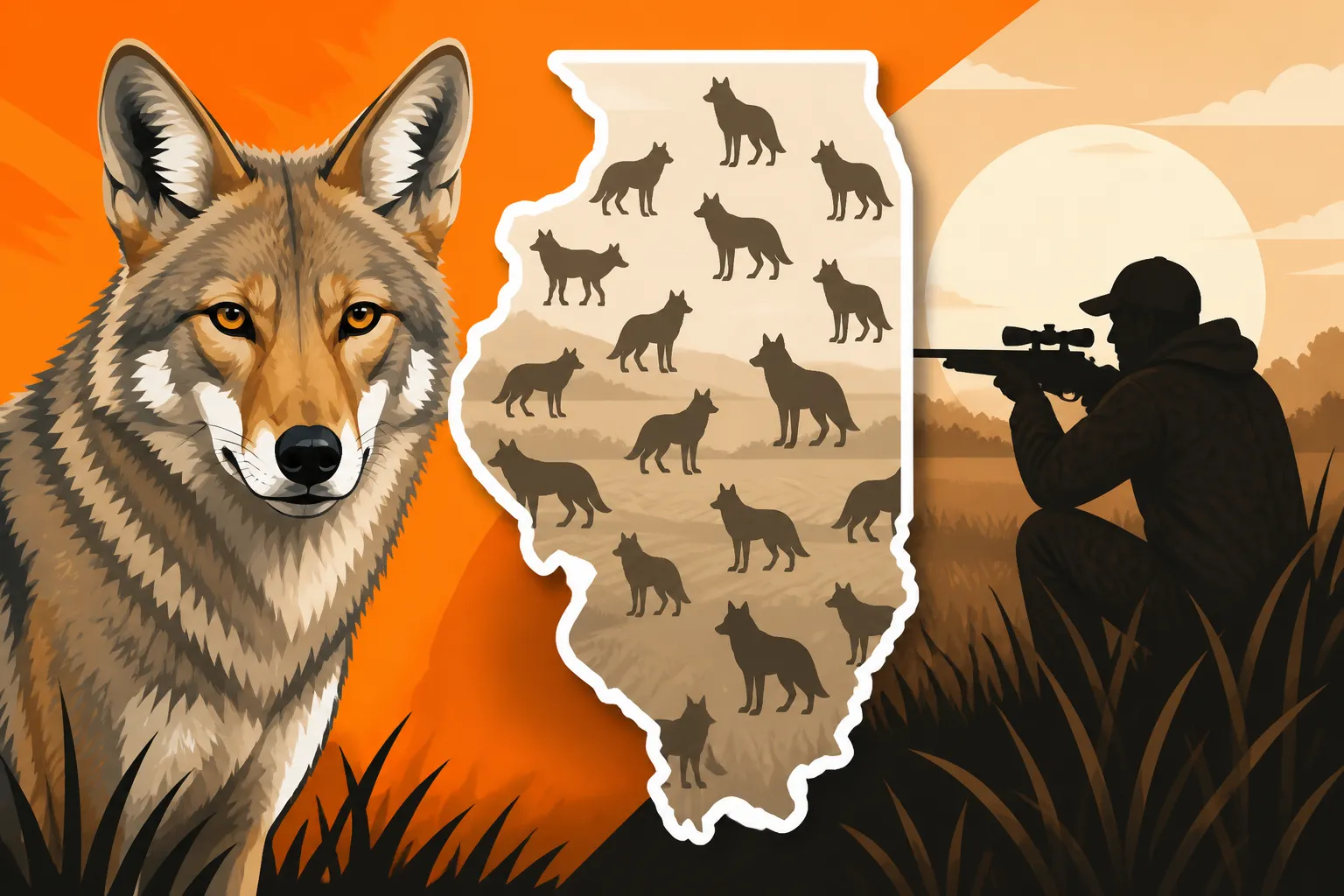
When people ask "how many coyotes Illinois has," they're often looking for a definitive number, a precise tally of every single yote roaming the prairie and timber. The reality is, pinning down an exact, real-time figure for any wild animal population is incredibly difficult, if not impossible, especially for a highly mobile and adaptable species like the coyote. However, biologists and wildlife agencies like the Illinois Department of Natural Resources (IDNR) use various methods to estimate populations, track trends, and understand density. What we can say with certainty is that coyotes are abundant across Illinois, and their population is robust.
Illinois is a prime habitat for coyotes, offering a rich mosaic of agricultural fields, woodlots, river bottoms, and even suburban fringes. Their incredible adaptability means they can thrive just about anywhere, from the remote corners of Shawnee National Forest to the green spaces in and around major metropolitan areas. Studies often indicate that coyote densities are higher in areas with a good mix of cover and food sources, meaning almost the entire state offers suitable conditions. While you might not see them every day, their presence is felt, particularly by deer hunters concerned about fawn predation or farmers worried about livestock. For those looking to understand their movements better, resources that provide mapping data can be incredibly helpful for visualizing habitat types, much like how a hunter might use a detailed mapping platform like GoHunt for planning trips in other states.
What these studies and observations generally show is a healthy, widespread population. There aren't specific "no coyote zones" in Illinois; they are truly found everywhere. Their numbers fluctuate somewhat based on food availability, disease, and hunting/trapping pressure, but they consistently remain a dominant predator in the state's ecosystem. Many hunters observe more coyotes now than in previous decades, a testament to their resilience and ability to thrive alongside human populations. Understanding Illinois Coyote Range and Density can provide even more context to just how widespread these animals are throughout the state.
The Rise of the Illinois Coyote
The coyote wasn't always the dominant predator it is in Illinois today. Historically, larger predators like wolves and cougars were present, but they were extirpated from the state long ago. This left an ecological niche, which the incredibly opportunistic coyote was perfectly poised to fill. They began expanding their range eastward from the Great Plains in the late 19th and early 20th centuries, slowly but surely establishing themselves in Illinois.
Several factors contributed to their successful colonization and subsequent population boom. Firstly, the eradication of larger predators meant less competition and no natural enemies to keep their numbers in check. Secondly, the landscape changes brought about by agriculture actually benefited coyotes. Farm fields provide abundant rodent populations, as well as deer and turkey poults, offering a constant food supply. Woodlots, fencerows, and drainages provide excellent cover for denning and travel. Thirdly, their unparalleled adaptability is key. Coyotes are generalists – they'll eat anything from deer and rabbits to berries, insects, and even garbage. This broad diet means they can weather fluctuations in any single food source. They also reproduce readily, with larger litter sizes when food is plentiful.
This rise wasn't just a rural phenomenon. As urban and suburban areas expanded, coyotes moved right in, finding new food sources in trash, pet food, and easily accessible small mammals. They learned to navigate human landscapes, often becoming nocturnal to avoid detection. This ability to coexist, albeit sometimes uneasily, with people has allowed them to thrive even in densely populated parts of the state, challenging the old notion that large predators only exist in wilderness areas. This historical context helps explain why we see so many today and why they're likely here to stay.
Impact of a Thriving Coyote Population
A healthy coyote population has wide-ranging impacts on Illinois's ecosystem and its human inhabitants. For hunters, this impact is often a primary concern, particularly regarding deer and small game. Coyotes are opportunistic predators, and while they primarily target smaller prey, they will absolutely take deer, especially fawns, and sometimes even adult deer that are sick, injured, or during harsh winter conditions.
Impact on Deer and Other Game
Many deer hunters across Illinois point to coyotes as a significant factor in fawn mortality. While a healthy deer herd can generally absorb some predation, localized high coyote densities, especially combined with other stressors, can certainly affect fawn recruitment. This is particularly noticeable in regions where deer habitat might be fragmented, pushing deer into more vulnerable situations. Beyond deer, coyotes prey heavily on rabbits, ground-nesting birds like turkeys and pheasants, and various small mammals. Hunters of small game might find fewer rabbits or squirrels in areas with high coyote activity, creating additional challenges. For those interested in broader deer population dynamics, understanding Illinois Deer Population Estimate and Illinois Deer Harvest Records can provide insight into how coyotes fit into the larger picture of herd management.
Impact on Livestock and Pets
For farmers and rural residents, coyotes can pose a real threat to livestock, particularly sheep, goats, and poultry. While not all coyotes become livestock depredators, a few can cause significant economic losses for producers. This is where active management often becomes necessary. Pet owners, especially those in rural and suburban areas, also need to be vigilant. Small dogs and outdoor cats can become easy prey for coyotes, particularly at dawn, dusk, or during the night. The challenge here is balancing wildlife coexistence with protecting property and pets. There have been instances of Illinois Coyote Attacks on Livestock, underscoring the real-world issues faced by farmers.
Ecological Role and Balance
Despite the challenges, coyotes play a crucial ecological role as a mesopredator. They help control populations of rodents, rabbits, and other small prey, which can benefit agriculture by reducing crop damage. They also scavenge on carrion, helping to clean up the landscape. Their presence creates a more balanced ecosystem by exerting predatory pressure that was historically provided by larger carnivores. It's a complex dynamic, and while their abundance might frustrate some, it's also a sign of a resilient and adaptable native species that has found its niche in modern Illinois.
Hunting Strategies for Illinois Coyotes
For many Illinois hunters, coyotes represent an exciting and challenging quarry. Unlike most other game animals, coyotes in Illinois can be hunted year-round, day or night, with very few restrictions, making them a popular target when other seasons are closed. This continuous opportunity allows hunters to contribute to population management while enjoying a unique hunting experience.
Calling Tactics
One of the most popular and effective ways to hunt coyotes is through calling. Mimicking distress calls of rabbits or other prey, or using vocalizations like howls and yips, can draw curious or hungry coyotes into range.
- Electronic Calls vs. Hand Calls: Electronic callers, like those from reputable brands, can be incredibly versatile, offering a wide array of sounds at varying volumes. They allow you to place the sound source away from your position, drawing the coyote's attention there first. Hand calls require more skill to master but offer the advantage of being lightweight and reliable in all conditions. Many experienced hunters use a combination, starting with an e-caller and switching to a hand call for close-in work.
- Stand Selection: This is paramount. Look for areas that offer good visibility downwind, as coyotes will almost always circle to approach from downwind to use their superior sense of smell. Elevated positions or blinds on field edges can be very effective. Consider terrain features like creek bottoms, fencerows, and subtle rises that coyotes might use for cover.
- Playing the Wind: Always hunt with the wind in your favor, blowing away from where you expect the coyote to approach. If a coyote gets downwind of you, the hunt is likely over. Hunters often check detailed wind forecasts, similar to how they might use features on a platform like GoHunt to analyze conditions for a big game hunt, ensuring they set up correctly.
Coyote Calling in Illinois Farm Country is a fantastic resource for diving deeper into specific tactics that work well in Illinois's unique agricultural landscape.
Still-Hunting and Incidental Encounters
While calling is strategic, many coyotes are taken incidentally by deer or turkey hunters. Being prepared for these opportunities is key.
- Stealth and Observation: When deer or turkey hunting, always be aware of your surroundings. Coyotes are constantly on the move, and a silent, observant hunter might catch one crossing a field or slipping through timber. Having a rifle or shotgun ready (if legal for the season and location) can turn an observation into an opportunity.
- Scouting for Sign: Look for coyote tracks, scat, and even dens (especially in late winter/early spring) while scouting for other game. This intel can reveal high-traffic areas where coyotes are regularly present. Understanding Scouting Illinois Public Land Before Season can help you find these hot spots.
Night Hunting and Trapping
Illinois offers some unique opportunities for coyote hunting, including night hunting on private land with lights, provided local ordinances and state regulations are followed. This requires specialized equipment, including powerful lights and often thermal or night vision optics. Night Hunting Rules for Illinois Coyotes provides crucial information on what's permissible.
Trapping is another effective method, often employed by those looking to reduce local coyote populations, particularly if they are causing issues with livestock or game animals. Trapping requires specific permits and knowledge of regulations and best practices to be humane and effective. Learning about Trapping Illinois Furbearers can be a gateway to understanding this valuable management tool.
Coyote Hunting Equipment Table
| Method | Primary Gear | Best Conditions / Time | Skill Level Required | Key Advantages | Key Challenges |
|---|---|---|---|---|---|
| Calling (Day) | Electronic or hand calls, rifle/shotgun, camo | Calm, cool mornings/evenigns | Medium to High | Highly interactive, can bring coyotes close | Coyotes are wary, requires good wind management |
| Calling (Night) | Electronic calls, rifle/shotgun, night optics, red/green light | Dark, calm nights | High | Coyotes often less wary in dark, year-round | Equipment cost, requires understanding local rules |
| Still-Hunting/Stands | Rifle/shotgun, binoculars, patience | Any (incidental during other seasons) | Low to Medium | Opportunistic, no specialized gear needed for basic encounters | Less direct control over encounter, can be slow |
| Trapping | Traps (foothold, snare), trapping tools, bait/lure | Winter, consistent temperatures | High | Effective for specific problem animals/areas, year-round | Requires knowledge of laws, humane practices, and skill |
Whether you're looking to help manage local populations, protect your property, or simply enjoy the thrill of the chase, understanding the robust coyote population in Illinois is the first step toward a successful hunt.
Disclaimer
This article is for general informational purposes only and does not constitute professional advice. Laws, prices and regulations vary by location and change over time. Consult a qualified professional for guidance on your specific situation.