When Illinois Coyotes First Arrived
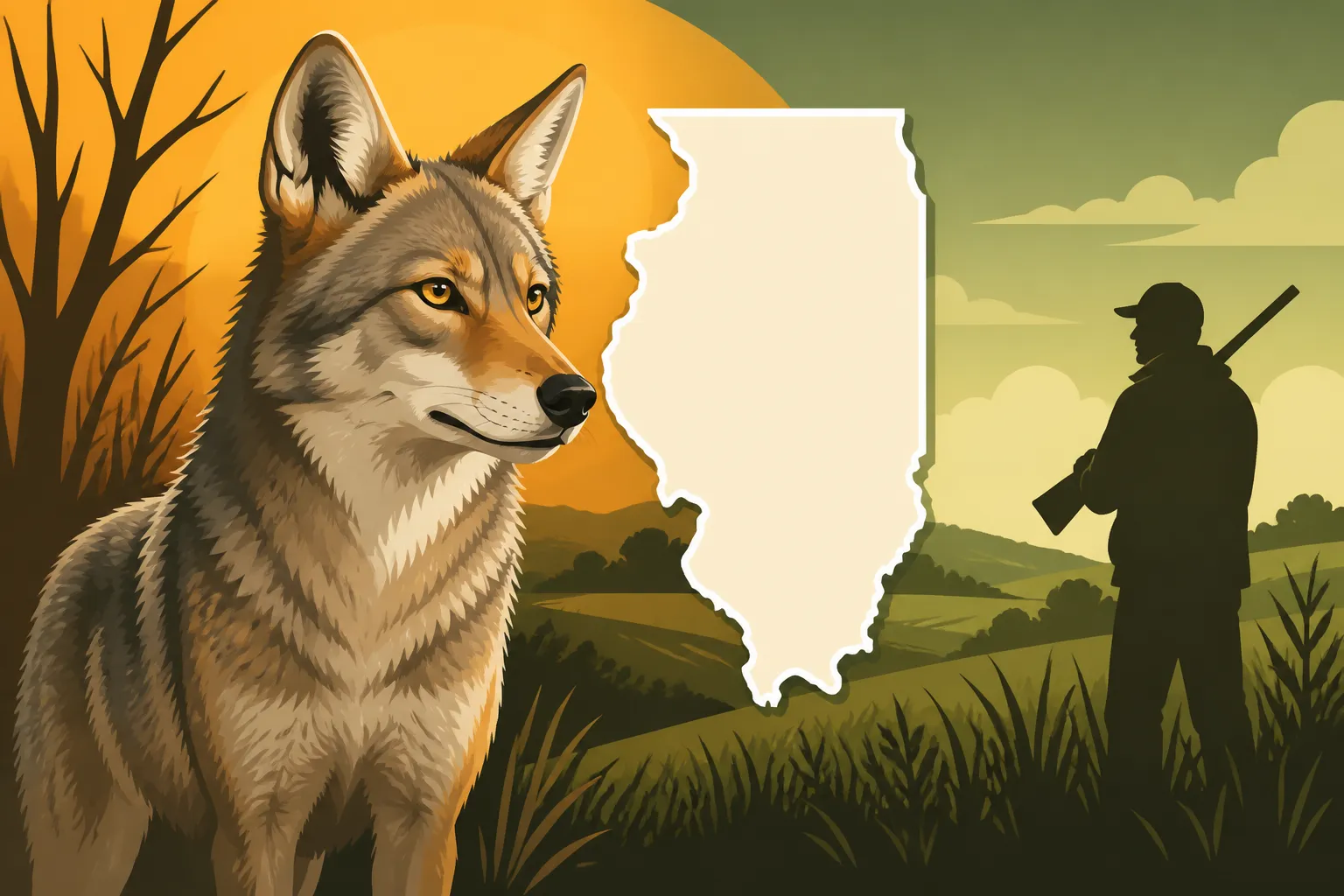
It’s easy to look out into an Illinois cornfield, hear the distant chorus of coyotes, or even spot one slinking across a suburban park and assume these creatures are a relatively new phenomenon, perhaps even an invasive problem. Many hunters and landowners share this sentiment, believing coyotes have only recently moved into the state. However, the truth is far more complex and fascinating. This guide will take a deep dive into the historical presence and eventual re-colonization of coyotes in Illinois, helping you understand their deep roots and incredible adaptability.
A Legacy Reclaimed: Unraveling the Coyote's Ancient Roots in Illinois
The idea that coyotes are recent arrivals to Illinois is a common misconception, but it’s one that ignores a significant chunk of natural history. While their numbers and visibility have certainly increased dramatically in recent decades, coyotes are not "new" to the Land of Lincoln. They have a long, albeit interrupted, history here.
Distinguishing Between Native and Recent Arrivals
When we talk about coyotes in Illinois, it's crucial to understand the distinction between their original, native presence and their later resurgence. Before European settlement reshaped the landscape, coyotes were very much a part of Illinois’s ecosystems. They were here, alongside elk, bison, wolves, and bears, playing their role in the prairie and forest food webs. Indigenous peoples living in the region would have been familiar with them, and their stories and traditions often reflect the coyote’s intelligent, adaptable nature. They weren't an anomaly; they were an integral thread in the fabric of the wild Illinois.
However, widespread Euro-American settlement brought dramatic changes. As prairies were plowed under for agriculture and forests were cleared, large predators like wolves and bears were systematically eliminated, often through aggressive bounty programs and habitat destruction. Coyotes, being smaller and less overtly threatening to early settlers than wolves, might have persisted in reduced numbers in some pockets, but they certainly weren't the ubiquitous presence we recognize today. The narratives often focus on the reintroduction or spread of species, but with coyotes, it's more of a return to prominence after a period of intense pressure. They essentially held on in the margins, waiting for their opportunity.
The Vanishing Act: Predator Control and Habitat Loss
The 19th and early 20th centuries were brutal for many North American predators, and Illinois was no exception. Settlers and farmers, aiming to protect livestock and game species, engaged in widespread predator control efforts. Bounties were common, encouraging relentless trapping, shooting, and poisoning of anything perceived as a threat. Wolves bore the brunt of this, but coyotes, being efficient opportunists, also found themselves in the crosshairs. Their numbers dwindled significantly, and in many areas of the state, they were virtually extirpated.
The transformation of Illinois’s landscape also played a massive role. Vast prairies, which had once offered excellent habitat for coyotes and their prey, were converted into monoculture corn and soybean fields. Forested areas were logged. This immense habitat loss, combined with direct persecution, pushed coyotes to the brink in many regions. It created a situation where, for a period, encountering a coyote in Illinois would have been a rare, almost unheard-of event. The memory of their original presence faded, giving rise to the modern belief that they are newcomers.
The Great Return: Eastern Expansion and Adaptation in the 20th Century
Despite the intense pressures of the past, coyotes proved to be incredibly resilient. As the landscape stabilized in the mid-20th century, and attitudes towards predators began to shift (albeit slowly), conditions became ripe for their resurgence.
The Western Stronghold and Gradual Spread Eastward
While nearly wiped out in the East, coyote populations in the Western United States remained strong. From these western strongholds, coyotes began a remarkable and largely unnoticed eastward expansion, a slow, steady creep that would eventually bring them back across the entire continental U.S. This migration wasn't a sudden surge but a gradual spread, often following existing corridors. Railroad tracks, highway easements, and even river systems provided linear habitats and pathways for dispersal, allowing individual coyotes and small family groups to push further into previously cleared territories.
What facilitated this journey was not just their physical movement, but also the ecological void left by the extirpation of larger predators like wolves and mountain lions. With these apex predators gone, coyotes faced less competition and fewer natural enemies. This "release" from competitive pressure allowed them to exploit new territories and thrive. Their natural intelligence and adaptability, honed over millennia, made them perfectly suited to navigate these altered landscapes. They weren't just returning to their old range; they were adapting it, making it their own in new and surprising ways.
Adapting to the Illinois Landscape: From Prairie to Suburb
Illinois, with its mosaic of agricultural fields, remnant timber blocks, river bottoms, and increasingly, suburban green spaces, proved to be an ideal laboratory for coyote adaptation. These animals are true generalists, a trait that has allowed them to colonize almost every conceivable habitat type. Their diet is incredibly flexible; they’ll readily consume small mammals like mice, voles, and rabbits – which are abundant in Illinois – but aren’t shy about eating carrion, insects, fruits, and even garbage when opportunities arise. This dietary plasticity is a huge advantage in a human-dominated landscape.
Furthermore, coyotes are notoriously intelligent and wary. They quickly learn to avoid human contact, becoming largely nocturnal in areas with heavy human activity. This cleverness allows them to live surprisingly close to people without being detected. From the vast bottomland hardwoods of southern Illinois to the thick fencerows of central Illinois farmland and even the small woodlots nestled between subdivisions near Chicago, coyotes have found a way to survive and thrive. Understanding their current distribution requires good scouting tools, and platforms like GoHunt can be invaluable for pinpointing potential habitat and travel corridors even in unexpected places. You might be surprised where you find fresh sign once you start looking. For those looking to understand where to find them, topics like Illinois Coyote Range and Density delve deeper into their statewide distribution.
Modern Day Illinois: A Thriving, Persistent Presence
Today, coyotes are an undeniable and firmly established part of Illinois's wildlife landscape. Their journey from near extirpation to widespread abundance is a testament to their incredible resilience.
Population Resurgence and Distribution Across the State
By the latter half of the 20th century and certainly into the 21st, coyotes had not just returned to Illinois; they had re-established themselves in force. Their populations swelled, spreading to literally every county in the state. Whether you're hunting in the deep timber of Shawnee National Forest Hunting or scouting the edges of a cornfield in central Illinois, you are likely to encounter coyote sign. This widespread distribution means that while some areas might have higher densities, there's no part of Illinois where you can confidently say coyotes are absent.
This resurgence also means that coyotes are now a year-round hunting opportunity in Illinois. Unlike many game species with specific seasons, their status as an unprotected species allows for continuous pursuit, making them a popular target for hunters seeking to extend their time in the field. This abundance is a stark contrast to their historical scarcity, illustrating just how successful their re-colonization has been. For specifics on how you can legally hunt them, topics like Illinois Coyote Hunting Season Rules and Night Hunting Rules for Illinois Coyotes offer valuable information. Utilizing resources like GoHunt, you can analyze satellite imagery and topo maps to identify prime coyote habitat, helping you plan your hunts more effectively.
Coexistence Challenges and Hunting as a Management Tool
While their return is a biological success story, it's not without its challenges, particularly for humans. Coyotes can pose problems for livestock producers, occasionally preying on calves, lambs, or poultry. In suburban environments, pet owners sometimes report conflicts, especially with smaller dogs and cats left unsupervised. These incidents, while often isolated, fuel the perception that coyotes are a new and dangerous threat, reinforcing the need for careful management and public education.
This is where hunting and trapping come into play, serving as essential management tools. Regulated hunting, including techniques like Coyote Calling in Illinois Farm Country and Predator Calling Southern Illinois Ridgelines, helps to manage coyote populations, particularly in areas where their numbers are high or conflicts are more frequent. It's not just about recreation; it's about maintaining a balance. By understanding the coyote's historical roots and their current ecological role, we can better appreciate their place in Illinois and make more informed decisions about their management.
Here's a quick overview of the coyote's journey in Illinois:
| Era | Coyote Presence in Illinois | Key Factors | Impact |
|---|---|---|---|
| Pre-1800s | Native and widespread | Abundant prairie and forest habitat, diverse prey. | Integral part of the ecosystem. |
| 1800s – Early 1900s | Significantly reduced/extirpated in many areas | Intense predator control (bounties), habitat loss. | Perceived as a pest, driven to near disappearance. |
| Mid-20th Century | Gradual re-colonization from Western strongholds | Decline of larger predators, adaptability, new corridors. | Slow eastward spread, establishing footholds. |
| Late 20th – 21st Century | Widespread and abundant across all counties | High adaptability to human-altered landscapes, diverse diet. | Established as a top predator, year-round hunting. |
Whether you're looking to track their movements, understand their diet, or plan a hunt, always remember that the Illinois coyote is a creature of immense history and adaptability. Tools like GoHunt can further assist you in scouting and understanding game movements based on historical data points and current conditions.
Disclaimer
This article is for general informational purposes only and does not constitute professional advice. Laws, prices and regulations vary by location and change over time. Consult a qualified professional for guidance on your specific situation.