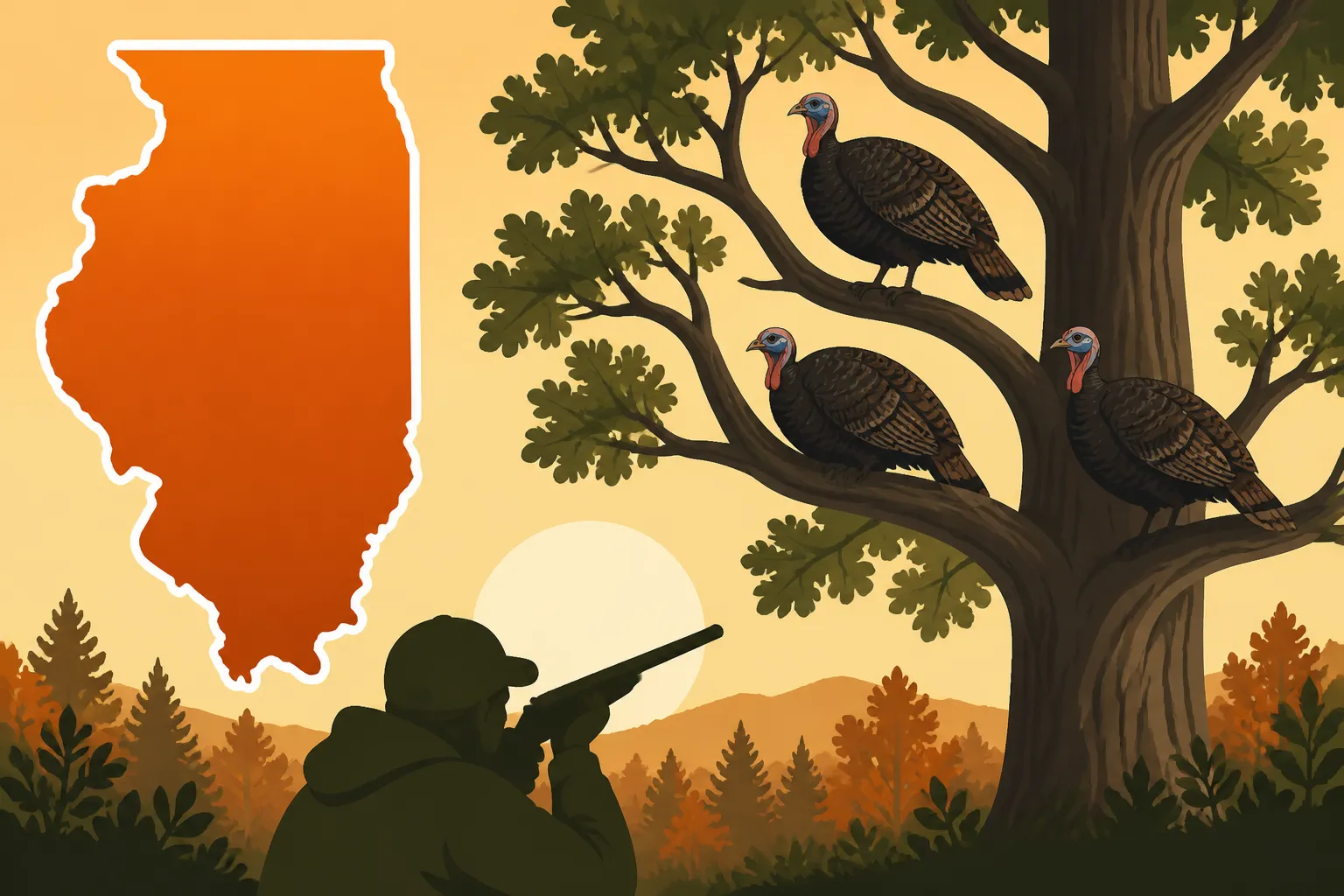
Illinois Turkey Roost Tree Preferences
Trying to pin down where Illinois wild turkeys decide to spend the night can feel like a game of hide-and-seek, especially when you're working new ground or scouting a fresh public land tract. You know they're out there, but finding that precise tree or general area where they feel safe enough to tuck in for the evening and fly down from at first light is crucial for a successful spring hunt. This guide will walk you through their typical roosting preferences, helping you read the landscape and ultimately put more gobblers in your sights.
The Basics of Turkey Roosting Behavior in Illinois
Wild turkeys, despite their size, are quite vulnerable on the ground at night. This instinctual need for safety drives their roosting behavior, and understanding it is key to anticipating their movements before the sun even thinks about cracking the horizon. They aren't just picking any old tree; there's a method to their madness, and once you start seeing the patterns, you'll be one step closer to that early morning setup.
Why Roosting Matters for Hunters
If you've ever tried to sneak up on a sharp-eyed gobbler in the timber at dawn, you know how easily they can bust you. Knowing where a bird is roosted gives you a massive advantage because it allows you to get into position before they hit the ground, when they're still in that vulnerable, tree-bound state. This is when your calls are most effective, and when they're most likely to commit to your setup, often flying down directly into your spread. Bumping a bird off the roost by accident is one of the most disheartening experiences in turkey hunting because it often sends them flying in the wrong direction, or worse, makes them wary of your area for days. Always prioritize a quiet approach, especially in the dark, and always remember proper gun safety and ethical shot placement, particularly when dealing with birds still in a tree.
General Characteristics of a Good Roost Site
What makes a tree or area a prime roosting spot for turkeys? It boils down to security, convenience, and comfort. Turkeys want to feel safe from ground predators like coyotes, foxes, and bobcats. This means tall trees with strong, sturdy horizontal limbs that can support their weight, often high off the ground. They also prefer areas that offer some level of thermal cover, especially during colder spring nights, though this can vary. Large mature trees provide a good canopy that offers some protection from the elements. Beyond safety, convenience is a big factor. Turkeys will often roost near reliable food sources, like agricultural fields or oak flats loaded with mast, so they can quickly fly down and start feeding. Proximity to water is also a consideration, as turkeys need to drink. In essence, they're looking for a comfortable, elevated fort with easy access to their breakfast buffet.
Preferred Tree Species for Roosting in Illinois
Illinois offers a diverse landscape, and while turkeys are adaptable, certain tree species consistently stand out as their top choices for an overnight stay. Understanding these preferences helps narrow down your search, whether you're scouting deep in the Shawnee National Forest Hunting or working small woodlots in central Illinois.
The Mighty Oaks and Other Hardwoods
If there's one tree that screams "turkey roost" in Illinois, it's the mature oak. White oaks and red oaks, with their strong, widespread horizontal limbs, provide perfect perches for these heavy birds. Turkeys can comfortably settle in the crooks of these robust branches, high above the ground. The canopy of a mature oak offers a good amount of cover, breaking up their silhouette from above and below. You'll often find multiple birds, sometimes even entire flocks, using the same cluster of oak trees year after year, especially in areas with consistent mast crops. When a fall acorn crop is good, those oaks become even more attractive. Beyond oaks, other large hardwoods like towering sycamores and massive cottonwoods along river bottoms are also frequently used. These trees often grow to immense sizes, providing that elevated security turkeys crave. If you find a grouping of these giants, especially near a bend in a creek or river, you've likely found a primary roosting location.
Conifers and Pines for Winter Cover
While hardwoods are king, don't overlook conifers and pines, especially during the chillier early spring periods or when colder weather fronts roll through. Illinois has pockets of pines and cedars, particularly in its southern and western regions. These evergreen trees offer much-needed thermal cover, shielding turkeys from cold winds and even light snow. The dense needles of a pine tree provide excellent concealment, making turkeys feel more secure from aerial predators. Often, you'll find them using the most mature conifers available, with stout limbs capable of holding their weight. In areas where pines or cedars are the dominant tall timber, turkeys will absolutely use them. It's not uncommon to find birds utilizing a mixed stand, perhaps roosting in a pine for thermal protection, but still close enough to a hardwood grove for easy morning fly-down to a known food source. Pay particular attention to dense cedar thickets on southern Illinois ridges; these spots can be goldmines in cold weather.
Topographical and Habitat Features Influencing Roosting
Just as important as the type of tree is the location of that tree within the landscape. Turkeys are masters of efficiency and security, choosing roost sites that offer the best combination of safety, visibility, and access to food and water. This is where understanding the lay of the land becomes paramount.
River Bottoms and Creek Corridors
Illinois is crisscrossed with rivers and creeks, and these waterways are absolute magnets for wild turkeys. The big, old growth timber that often lines these corridors, particularly along the Illinois River Valley, provides ideal roosting habitat. Think about the towering cottonwoods and sycamores that grow along the banks, their massive limbs extending over the water or open ground. Roosting over water or a wide-open river bottom can offer an added layer of security, as ground predators are less likely to approach unnoticed. These areas also often provide excellent travel corridors for turkeys, making them a natural choice for an overnight stop. If you're Hunting Illinois River Bottom Funnels, you're very likely in an area where turkeys will be looking for a tall roost tree to end their day. It's not just about the trees; it's about the entire ecosystem a river bottom offers: dense cover, water, and rich food sources.
Ridge Tops and Hill Country
In the rolling terrain of southern and western Illinois, particularly in the Shawnee Hills Region, turkeys frequently choose to roost on ridge tops or just below the crest on the leeward side. This elevated position provides them with an expansive view of the surrounding landscape, allowing them to spot potential threats from a distance. The tallest trees on a ridge offer superior vantage points both for spotting predators before flying up and for surveying their morning feeding options after flying down. Wind and Thermals on a Southern Illinois Ridge play a huge role here; turkeys will often pick a roost that shields them from prevailing winds, especially on cold nights. Look for mature timber that dominates the skyline on a ridge, especially those with good access to bench cuts or saddles that funnel deer and turkey movement during the day.
Field Edges and Woodlots
While large tracts of timber are prime, don't underestimate the small, isolated woodlots or timber strips along agricultural field edges. In the vast farmland regions of central Illinois, turkeys will adapt, often using the tallest trees available along a field boundary. These spots offer quick access to corn, soybean, or wheat fields for morning feeding, which is incredibly convenient for them. A solitary oak or a small cluster of hardwoods standing proudly at the edge of a crop field can be a surprisingly consistent roost site. They get the elevation for safety, and the instant access to abundant food as soon as their feet hit the ground. When Setting Up on a Central Illinois Field Edge, always consider where the turkeys might be coming from, and more often than not, they're flying down from the tallest trees on that very field edge, or a nearby timber island.
Scouting for Roost Trees and Patterns
Finding turkey roosts isn't always about luck; it's about methodical scouting and knowing what to look for. Putting in the legwork before the season opens will drastically improve your chances of hearing those first gobblers from a strategic setup.
Pre-Season Scouting and Identifying Potential Roosts
One of the most effective ways to locate active roosts is through pre-season scouting. Take a walk through potential areas, paying close attention to the base of large, mature trees, especially oaks, sycamores, and cottonwoods. What you're looking for is "turkey sign" — droppings, feathers, and the tell-tale white-wash of their nocturnal excretions on the ground and lower branches. This white-wash can be particularly evident after a rain, as it washes down the tree trunk. Use a good pair of binoculars to scan high branches for these signs. A thorough pre-season scouting mission, perhaps in conjunction with exploring maps on platforms like GoHunt to identify suitable timber blocks and topographical features, can save you precious hunting time. You can highlight areas of interest and plan your entry routes. Remember, Scouting Illinois Public Land Before Season is crucial for any successful hunt, and roost tree identification is a big part of that.
Listening for Roosting Calls
The absolute best way to pinpoint a roost is by listening. Turkeys are quite vocal at dusk and dawn. In the evening, as they fly up to their roost trees, you'll often hear a distinct "fly-up cackle" as they settle in. Sometimes you can even hear the flapping of their wings as they gain elevation. Go to a vantage point an hour or so before dark and just listen. Once you hear them, note the location for the morning hunt. This strategy is often called "putting birds to bed." Similarly, in the morning, before they fly down, gobblers will often sound off from their perch in the tree. This is your cue! Being in the right place at the right time to hear that first pre-dawn gobble is what spring turkey hunting is all about. Having pinpointed a roost beforehand is invaluable for Roost Hunting Illinois Gobblers and making an effective setup. Just remember quiet entry is paramount, as is understanding Illinois Turkey Hunting Hours so you're not disturbing them before legal shooting light.
Turkey Roost Tree Comparison
| Tree Type | Typical Habitat | Roosting Preferences | Key Advantage for Turkeys |
|---|---|---|---|
| Mature Oaks | Upland and bottomland hardwoods | Strong, horizontal limbs; good canopy; near mast crops. | Stability, concealment, food access. |
| Sycamore/Cottonwood | River/Creek bottoms, floodplains | Very tall, massive trees; often over water or open ground. | Extreme elevation, predator avoidance. |
| Pines/Cedars | Pockets of evergreen, ridge tops | Dense foliage for cover; thermal protection in cold weather. | Warmth, wind break, concealment. |
| Field Edge Trees | Isolated woodlots, fencerows | Tallest trees near agricultural fields, quick food access. | Convenience, immediate food source. |
| Ridge Top Timber | Upland hill country | Highest trees on or just below crest, offers visibility. | Vantage point for spotting threats/food. |
When you're out there on a frosty spring morning in Illinois, remember these insights into turkey roost tree preferences. Knowing why and where they choose to spend the night gives you a significant edge. It allows you to anticipate their morning fly-down, set up in a strategic location, and ultimately, get that gobbler to commit to your call. Whether you're targeting big timber or small woodlots, the signs are there if you know how to read them. Getting into position quietly and setting up effectively for Calling an Illinois Gobbler Off the Roost is the ultimate goal.
Disclaimer
This article is for general informational purposes only and does not constitute professional advice. Laws, prices and regulations vary by location and change over time. Consult a qualified professional for guidance on your specific situation.