Hunting the Shawnee Hills Region
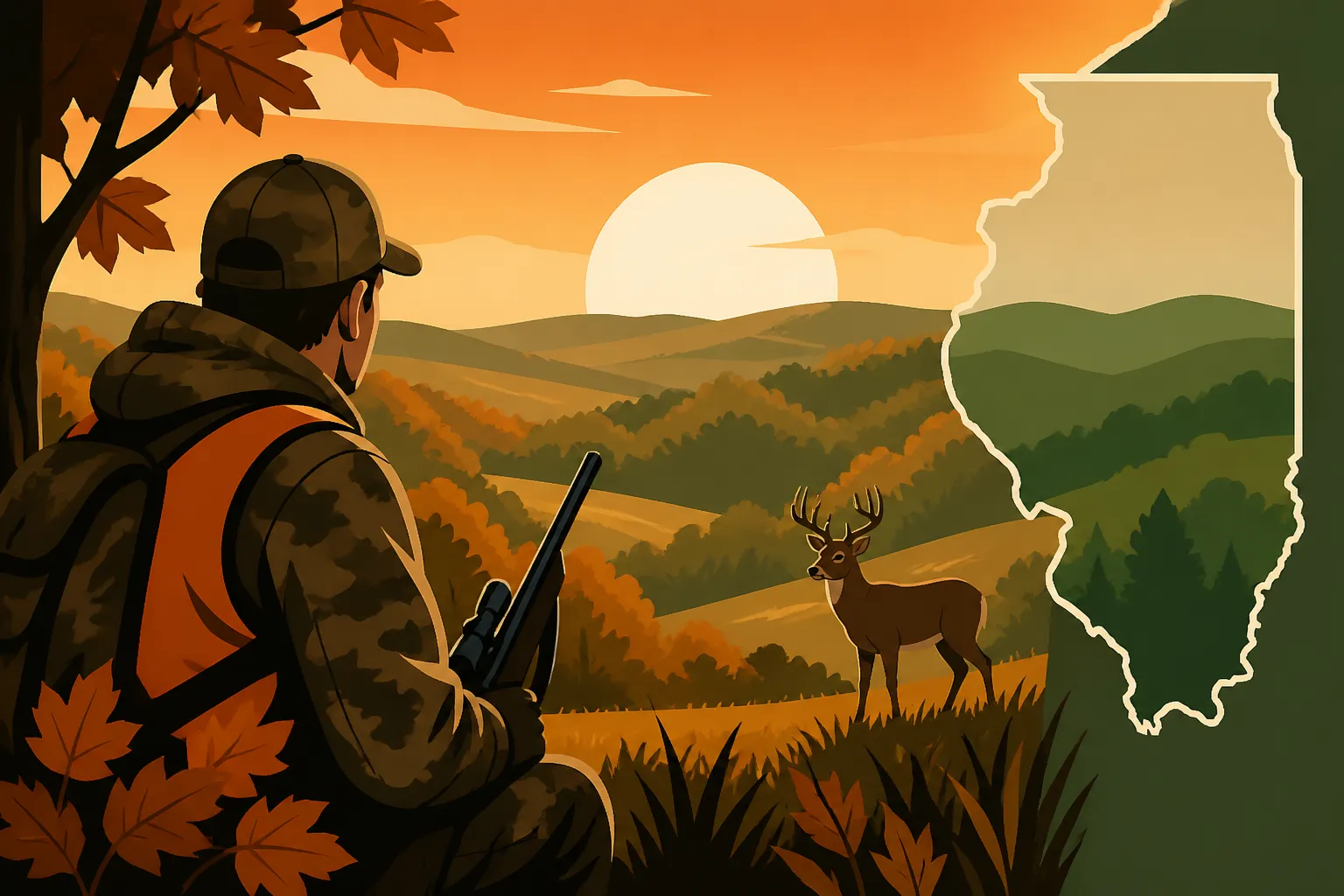
Hunting the Shawnee Hills region of Illinois presents a unique blend of challenge and reward for any outdoors enthusiast. Unlike the predominantly flat farmlands that define much of the state, this southern landscape offers rugged terrain, steep ridges, and dense timber, which can be incredibly daunting if you're accustomed to open fields or gentle woodlots. This guide will walk you through everything you need to know to successfully navigate and hunt the beautiful, yet demanding, Shawnee Hills, helping you unravel its secrets for a truly memorable experience.
Understanding the Shawnee Hills Landscape
The Shawnee Hills region is a distinct ecological and geographical area in Southern Illinois that often surprises hunters who only picture the vast prairie and agricultural fields of the state's central and northern parts. This is a land of ancient uplands, deep valleys, and winding creeks, shaped by millennia of erosion and glacial activity that bypassed much of this "Illinois Ozarks" area. Getting a handle on this diverse landscape is your first step to consistent success.
Topography and Geological Features
Imagine rolling hills that suddenly drop into steep ravines, with rock outcroppings and bluff lines that feel more like a mountain range than a Midwestern state. That's the Shawnee Hills. The bedrock here is primarily sandstone and limestone, leading to dramatic cliffs, caves, and unique formations that offer both challenges and advantages to the hunter. These geological features often create natural travel corridors, pinch points, and bedding areas for game. Understanding the lay of the land, especially how water drains and how prevailing winds interact with ridges and hollows, is paramount. Many seasoned hunters will tell you that paying attention to contours, even subtle ones, can make or break a hunt in this country. The elevation changes, while not extreme by western standards, are significant enough to make a short walk feel like a serious hike, especially when you're packing out a deer.
The region is characterized by an unglaciated escarpment, meaning the land wasn't flattened by ancient ice sheets. This left behind a landscape of steep, wooded hills and narrow valleys that contrast sharply with the flat plains to the north. These features create diverse microclimates and habitats. South-facing slopes, for instance, often receive more sunlight, leading to different vegetation and snowmelt patterns than their north-facing counterparts. Creeks and drainages cut deep into the terrain, forming natural funnels for deer movement and providing crucial water sources. Learning to read these contours and understanding how they dictate animal movement is a skill that comes with time and dedicated scouting, but it's essential for success. You might find bucks using a specific bench on a steep hillside for bedding, or turkeys congregating on a sunny slope during cold weather.
Dominant Flora and Fauna
The Shawnee Hills are predominantly covered in mature deciduous forests, primarily oak and hickory. This means acorn crops are a huge factor in deer and turkey movement, especially in the fall. You'll find a mix of white oaks, red oaks, and various hickories, all of which drop their mast at different times, influencing where deer choose to feed throughout the season. Beyond the hardwoods, there are areas of pine plantations, especially within the Shawnee National Forest Hunting boundaries, which provide thick thermal cover during colder months and crucial bedding spots that bucks love. The undergrowth can be dense in places, with thickets of greenbrier, multiflora rose, and honeysuckle, creating excellent escape cover and browse for deer but making human travel a real workout.
This rich forest ecosystem supports a healthy population of white-tailed deer, which are the primary draw for most hunters. However, the region is also home to abundant wild turkeys, especially the Eastern subspecies, which thrive in these wooded hills. You'll also find a variety of small game like squirrels and rabbits, especially in the transition zones between timber and agriculture, or along creek bottoms. Predators like coyotes and bobcats are also present, adding another layer to the intricate ecosystem. Understanding the preferred forage and cover for each species, as well as their movement patterns through different timber types, is crucial. For instance, a deer might prefer the dense thermal cover of a pine stand during a cold snap, while a flock of turkeys might be scratching for acorns under a stand of white oaks on a milder day.
Water Sources and Creek Systems
Water is life, and in the Shawnee Hills, water sources are abundant and often dictate animal movement. Numerous creeks, streams, and rivers carve their way through the landscape, eventually feeding into larger bodies of water like the Ohio River or smaller lakes and ponds. These creek bottoms are vital travel corridors, especially during dry spells or in areas where steep terrain makes ridge-top travel difficult for deer. They often hold thicker cover, more diverse vegetation, and provide consistent access to water, making them prime locations for deer sign.
However, hunting creek bottoms comes with its own set of challenges, particularly understanding Wind and Thermals on a Southern Illinois Ridge. Cold air sinks into these hollows, and winds can swirl unpredictably, making scent control even more critical. During periods of heavy rain, these creeks can swell rapidly, making crossing treacherous or even impossible. It’s important to scout these areas for natural crossings, log jams, or shallower sections. Many hunters focus their efforts around these water features, especially where several drainages converge or where a creek parallels a ridge, creating a natural funnel. Identifying pinch points where deer are forced to cross a creek or climb a specific bank can be incredibly productive.
Key Game Species and Their Habitat
While the Shawnee Hills is diverse in its wildlife, most hunters are drawn to the region for its robust populations of white-tailed deer and wild turkeys. Understanding how these animals adapt to and utilize the rugged hill country is key to putting together a successful hunt.
Whitetail Deer Behavior in Hill Country
Deer in the Shawnee Hills are different from their flatland cousins. They tend to be leaner, more athletic, and incredibly adept at navigating the steep terrain. Their travel patterns are often dictated by ridge lines, saddles, benches, and the bottoms of drainages. Bucks will often bed on points or benches that offer good visibility downwind and upwind, allowing them to detect threats from multiple directions. Where Shawnee National Forest Bucks Bed often involves these strategic locations, giving them an escape route either up or down the hill. They use thick cover, whether it's a dense pine stand, a laurel thicket, or even a steep bluff face, for security.
Understanding thermal currents is also paramount when hunting these deer. Warm air rises in the morning and evening, while cool air sinks. This means that a deer bedded high on a ridge might use a morning thermal to catch scent from below, then descend as the thermal shifts. During midday, they might move up to catch rising thermals. During the Hunting the Rut in Early November, bucks will cover vast amounts of ground, often utilizing these terrain features to move quickly and quietly through their core areas. Look for rub lines and scrape lines on benches, along ridge lines, and near creek crossings, as these are indicators of active buck movement. Food sources like acorns will also pull deer into specific areas, and once a preferred food source is exhausted, they will shift their patterns.
Wild Turkey Roosting and Foraging
Wild turkeys in the Shawnee Hills are a true delight to hunt, but they too have their own unique patterns tied to the landscape. They often roost in the tallest trees on ridge lines, typically large oaks or sycamores that offer clear fly-down paths and good visibility. Come morning, they'll fly down, often congregating in nearby open areas, logging roads, or along ridge tops before heading down into the hollows to feed. Their diet consists heavily of acorns, insects, and various plant matter, so they'll follow the mast crops through the fall and can often be found scratching in leaf litter on oak-rich slopes.
Finding their roosting sites during evening scouting can give you a significant advantage for a morning hunt. Turkeys prefer terrain that allows them to move relatively easily while feeding, so gentler slopes or wide creek bottoms are often preferred foraging grounds once they've descended from their roosts. During the spring, gobblers will often use these ridge lines as strutting grounds, their calls echoing through the valleys. Setting up strategically to intercept them as they move from their roosts to their feeding areas, or calling them into a clear strut zone, is a common tactic. Spring Turkey Hunting in Illinois can be an intense experience in this region, with birds that are often more responsive to calling in this vast, timbered environment compared to open farmland.
Small Game Opportunities
While deer and turkey hog the spotlight, the Shawnee Hills offer excellent opportunities for small game hunters, particularly for squirrels and rabbits. The abundant hardwood forests provide prime habitat for both fox squirrels and gray squirrels, with hickory groves and mature oak stands being hotspots. Squirrels are often found along creek bottoms, which offer a mix of large nut-bearing trees and water sources. A keen eye and patient still-hunting can yield a good bag, or you can opt for a more active approach with a good squirrel dog.
Rabbit hunting is also popular, especially along the edges of clearings, old logging roads, and brushy fence rows that border agricultural fields or open timber. Look for dense briar patches, honeysuckle thickets, and downed timber, which provide excellent cover for cottontails. The mild winters in Southern Illinois can sometimes allow for longer periods of success for small game. Squirrel and Small Game Hunting in Illinois can be a great way to introduce new hunters to the outdoors or to simply enjoy a more relaxed day afield when deer or turkey seasons are closed. Carrying a .22 rifle or a shotgun with light shot is ideal for these pursuits.
Public Land Opportunities in the Shawnee Hills
One of the biggest draws to the Shawnee Hills, especially for nonresident hunters or those without private land access, is the sheer volume of public hunting ground. The crown jewel, of course, is the sprawling Shawnee National Forest, but various state parks and fish and wildlife areas also offer excellent opportunities. Navigating these public lands successfully requires a good understanding of their vastness, regulations, and access points.
Navigating Shawnee National Forest
The Shawnee National Forest encompasses over 280,000 acres, making it the largest block of public land in Illinois. This immense size can be both a blessing and a curse. It offers incredible opportunities for solitude and deep-woods hunting, but it also means hunters can easily get lost or overwhelmed without proper preparation. The terrain is rugged, with miles of unmarked trails and dense timber. Using mapping apps like onX Hunt or GoHunt is absolutely essential here. These tools allow you to pinpoint your location, identify property lines (especially important where private land abuts the forest), mark waypoints, and scout potential hunting spots from home. Seriously, don't step foot in the Shawnee without a reliable GPS unit or mapping app on your phone.
When planning your hunt, consider remote access points. Most hunters will stick close to major roads and easily accessible trails. By being willing to hike deeper, you can often find ground that sees less pressure. Focus on Reading a Ridge for Shawnee Forest Deer, identifying saddles, finger ridges, and drainages that funnel deer movement. The sheer scale of the forest means that while you might encounter other hunters near trailheads, you can often quickly walk away from the crowds by heading into the deeper woods. Remember that while treestands are allowed, they must be removed daily on most public lands unless otherwise specified, so check specific site regulations.
Illinois State Parks and Fish & Wildlife Areas
Beyond the national forest, several Illinois State Parks and Fish & Wildlife Areas (FWAs) offer hunting opportunities within the Shawnee Hills region. These areas are typically smaller than the national forest but are often intensively managed for wildlife, providing excellent habitat and good game populations. Examples include Ferne Clyffe State Park, Giant City State Park, and Pyramid State Recreation Area, though access rules can vary significantly. Some state sites might require special permits, drawings, or have specific hunting periods that differ from statewide seasons.
These state-managed lands are often great places for Scouting Illinois Public Land Before Season. Spend time walking the boundaries, looking for pinch points, and identifying food sources. While some might have designated parking areas and more defined trail systems, others can still offer a backcountry feel. It’s crucial to check the Illinois Department of Natural Resources (IDNR) website for specific regulations and site-specific rules before planning a hunt on any of these properties. They often provide detailed maps and contact information for site superintendents who can answer your questions. Many state sites have strict rules on things like ATV use, camping, and even which species can be hunted, so always double-check.
| Public Land Type | Size & Scale | Key Characteristics | Access & Regulations | Recommended for |
|---|---|---|---|---|
| Shawnee National Forest | Vast (280,000+ acres), diverse, rugged terrain | Mature hardwoods, pine plantations, deep hollows, rock bluffs | Generally open access, minimal roads, daily treestand removal required on most parcels, check specific areas for exceptions | Deep woods hunting, solitude, challenging terrain |
| State Fish & Wildlife Areas | Varies, often several thousand acres, managed | Mix of timber, fields, water bodies, specific habitat projects | Site-specific permits/draws, sometimes restricted seasons, check IDNR website for each FWA | Targeted species hunts, managed habitat, good amenities like parking |
| State Parks | Smaller, often geared toward recreation, hunting limited | Scenic, trails, specific habitat zones | Highly restrictive, often quota hunts or archery-only, very site-specific, check park rules | Limited entry opportunities, less pressured pockets |
Understanding Site-Specific Regulations
This cannot be stressed enough: always check the specific regulations for the exact parcel of public land you intend to hunt. While statewide regulations provide a baseline, many individual state parks, fish and wildlife areas, and even different sections of the Shawnee National Forest, have their own specific rules. These can cover everything from hunting dates and legal weapons to blaze orange requirements, treestand rules, and whether you need a site-specific permit. Using the Illinois DNR Map Tool is an excellent resource for finding this information, as it often links directly to the detailed site regulations.
For example, some areas might be archery-only, while others allow firearms during specific deer seasons. Some may have mandatory check-in/check-out procedures, especially for quota hunts. The season dates might be shorter or staggered compared to statewide seasons. Overlooking these details can not only lead to a ruined hunt but also potential legal trouble. A quick call to the site office or a thorough review of the IDNR website before you leave home can save you a lot of headaches and ensure your hunt is both legal and ethical. Pay close attention to rules regarding the construction of blinds, cutting of vegetation, and retrieval of game, as these often differ between sites.
Strategic Hunting Approaches for Hill Country
Hunting the Shawnee Hills requires a different mindset and a more physical approach than hunting flat, agricultural ground. The terrain dictates tactics, and those who adapt to it are often the most successful. It’s about leveraging the landscape to your advantage.
Scouting and E-Scouting the Terrain
Effective scouting is the bedrock of successful Shawnee Hills hunting. Before you even set foot in the woods, spend significant time e-scouting using satellite imagery and topographic maps. Tools like onX Hunt and GoHunt are invaluable here. Look for subtle changes in elevation, pinch points between steep ridges, saddles, and benches. Identify potential bedding areas (often on points overlooking drainages with good escape cover) and feeding areas (oak ridges, creek bottoms with soft mast). Map out potential access routes, noting steep climbs or dense thickets you'll need to navigate.
Once you’re on the ground, verify what you saw on the map. Look for fresh deer sign: rubs, scrapes, tracks, and droppings. Pay attention to how deer are using the terrain. Are they crossing a saddle regularly? Are they bedding on a specific bench? Identify natural funnels like narrow strips of timber between open areas or places where steep bluffs force deer into a specific travel corridor. Scout for reliable water sources, especially during dry periods. Don't be afraid to put on miles; the more you understand the specific area, the better your chances. During the offseason, Scouting Illinois Public Land Before Season is particularly productive, as you can see sign and terrain features without the pressure of an open season.
Treestand and Ground Blind Strategies
Treestand hunting in the Shawnee Hills often means finding the right tree on a steep slope, which can be challenging. Focus on natural funnels, such as saddles between ridges, the intersection of multiple drainages, or benches where deer travel parallel to the contour. Consider areas where different types of timber meet, like a hardwood ridge meeting a pine thicket, as these transition zones are often high-traffic areas. When hanging a stand, always think about your access and exit routes, making sure they are quiet and won't bust deer. Treestand Setups in Shawnee National Forest requires attention to wind direction, thermals, and concealing your silhouette against the background.
Ground blinds can also be effective, especially in areas with dense cover, like clear-cuts or thickets where visibility is limited, but deer are moving. Natural ground blinds, brushed into existing cover, can offer a mobile option for still-hunting or targeting specific feeding areas. However, be mindful of wind direction and thermal currents, as your scent will be much closer to the ground. They are particularly useful for hunting areas where suitable treestand trees are scarce or in high-traffic zones where setting up higher might spook wary deer.
Still-Hunting and Drives in the Hills
The rugged terrain of the Shawnee Hills lends itself beautifully to Still-Hunting Southern Illinois Ridges. This slow, deliberate method of hunting involves moving silently through the woods, stopping frequently to observe and listen. Focus on ridge lines and benches, moving into the wind or with a quartering wind, always staying alert. Use the contours of the land to break up your silhouette and move quietly. This style of hunting can be incredibly rewarding, as you’re actively engaging with the landscape and relying on your woodsman skills. It's not about covering miles quickly, but about covering them effectively, looking for subtle movements or pieces of deer.
Deer drives can also be highly effective in this region, especially on public land during firearm seasons. Smaller drives with three or four hunters, strategically positioned around a block of timber or a steep-sided hollow, can push deer past waiting standers. The key is to understand how deer will react to pressure in this terrain. They often don't run blindly but will try to slip out through thick cover or use steep slopes to their advantage. Planning the drive route and stander positions carefully, anticipating escape routes, is critical. This approach can be particularly good for covering a lot of ground that might be too dense or steep for single hunters to effectively work.
Essential Gear and Preparation for Shawnee Hunts
Hunting the Shawnee Hills isn't just a mental game; it's a physical one. The rugged landscape demands that you are properly equipped and physically ready for the challenge. Being unprepared can quickly turn a memorable hunt into a miserable, or even dangerous, experience.
Footwear, Clothing, and Packs
Good quality, comfortable footwear is non-negotiable. You’ll be doing a lot of walking over uneven, often steep, terrain. Waterproof boots with good ankle support and aggressive traction are essential. Merino wool socks are highly recommended to prevent blisters and manage moisture. Your clothing should be layered, allowing you to adapt to temperature changes throughout the day. Mornings can be crisp in the hollows, while hiking up a ridge in the midday sun can make you sweat quickly. Moisture-wicking base layers, insulating mid-layers, and a waterproof/windproof outer shell are ideal. Don't forget proper blaze orange during firearm seasons, as required by Illinois law.
A well-fitted pack is also crucial. You'll need to carry water, snacks, emergency supplies, a first-aid kit, and potentially room for layers of clothing. If you anticipate harvesting an animal, consider a pack with a game-carrying capability or a frame pack to aid in packing out meat and antlers over rough terrain. Many hunters carry a small saw or bone cutters to make the pack-out easier. Always check the weather forecast, but be prepared for unexpected changes. The Shawnee Hills can throw anything at you, from warm sunshine to sudden rain or even early-season snow.
Navigation Tools and Emergency Supplies
Even with a full battery, relying solely on your phone for navigation is a gamble. Cell service in the deep hollows of the Shawnee Hills can be spotty to non-existent. Always carry a physical map and compass, and know how to use them. Better yet, download offline maps to your phone using apps like onX Hunt or GoHunt so they work even without a signal. A portable charger for your phone is also a smart addition.
Beyond navigation, a basic emergency kit is vital. This should include:
- A headlamp with spare batteries
- A knife or multi-tool
- Fire-starting materials (waterproof matches, lighter, fire starter)
- A whistle (for signaling)
- A small first-aid kit (bandages, antiseptic wipes, pain relievers, moleksin for blisters)
- Extra water and high-energy snacks
- A space blanket or emergency shelter
- Cordage or paracord
- A fully charged two-way radio if hunting with a partner where cell service is poor.
Being prepared for an unexpected night out or a minor injury can literally be a lifesaver.
Physical Fitness and Safety Considerations
Hunting the Shawnee Hills is physically demanding. You’ll be climbing steep hills, navigating dense undergrowth, and potentially dragging or packing out an animal over rough terrain. Investing time in physical conditioning before the season will significantly enhance your enjoyment and effectiveness. Cardio workouts, hiking with a loaded pack, and strength training can all help.
Safety should always be your top priority. Tell someone where you are going and when you expect to return. Hunt with a buddy if possible, especially when exploring new or remote areas. Be acutely aware of firearm safety, especially when moving through dense cover or making a difficult shot on uneven ground. Know your target and what is beyond it, as shots can travel farther in this open timber than in dense brush. Be cautious of slippery leaves, wet rocks, and loose soil, all of which can lead to falls. Always use a safety harness when hunting from a treestand. Wildlife encounters are generally benign, but be aware of venomous snakes (timber rattlesnakes, copperheads) which are present in Southern Illinois, especially during warmer months.
Hunting Pressure and Finding Seclusion
Public land, by its nature, can attract significant hunting pressure, especially during opening weekends or peak seasons like the Illinois firearm deer seasons. The Shawnee Hills are no exception. However, its vastness also offers opportunities to escape the crowds, if you're willing to work for it.
Identifying High-Pressure Areas
Most hunting pressure gravitates towards easily accessible areas. Think trailheads, parking lots, and areas within a short walk of a paved road. During the early archery season or the Illinois's Two Firearm Deer Seasons, these spots will be hammered. You’ll see plenty of trucks, hear more talking, and find more boot tracks. Hunters tend to stick to the path of least resistance, which means main trails, logging roads, and less steep terrain.
Look at aerial maps and identify these obvious access points. Any block of timber that is surrounded by roads or has easily traversable trails running through it is likely to see high pressure. While some deer might move through these areas, they often become more nocturnal or move to thicker, less accessible cover once the pressure starts. If you plan to hunt these high-pressure zones, your best bet is often to hunt during weekdays, or very early and very late in the day when other hunters are less active. Also, consider the specific seasons; small game season often has less pressure than deer season.
Deep Woods and Remote Access Tactics
To find seclusion and less pressured deer, you need to go where others won't. This almost always means hiking further into the backcountry, away from the roads and main trails. A good rule of thumb is to put at least a mile, preferably two or three, between yourself and the nearest road. The first mile is often the hardest, but once you've committed, the solitude can be remarkable. This is where your physical fitness and navigation skills really pay off.
When planning deep woods excursions, look for difficult terrain features on your map that might deter others: steep hollows, dense thickets, or areas without obvious trails. These "ugly" spots on the map can often hold less pressured game. Consider using lesser-known access points or even bushwhacking into areas that require serious effort to reach. Remember that packing out an animal from a deep woods location will be a significant undertaking, so plan accordingly. Tools like onX Hunt can help you visualize the contours and identify these hard-to-reach pockets where deer might feel safe.
Hunting During Different Seasons
Hunting pressure isn't uniform throughout the year or even throughout a specific season. During the early archery season, pressure tends to be lighter overall compared to the firearm seasons. As the season progresses, and especially after the rut, many hunters drop out, leaving more ground open. The late archery or Muzzleloader Deer Hunting in Illinois season, especially after any significant snowfall, can offer exceptional opportunities with greatly reduced pressure. Deer are often concentrated on specific late-season food sources, and their tracks are easy to read in the snow.
The key is to adapt your strategy to the season and anticipated pressure. During opening weekends, you might focus on thick bedding areas or escape routes where deer are being pushed. Later in the season, you might concentrate more on undisturbed food sources or thermal cover. Even during busy firearm seasons, the deep woods still offer opportunities, but you might need to adjust your movement patterns to account for other hunters moving through the woods. Understanding the Illinois Deer Season Structure Explained is critical for planning when and where to hunt to avoid the heaviest crowds.
Respecting Land and Wildlife
Hunting is a privilege, and with that privilege comes the responsibility to respect the land, the wildlife, and other users. This is especially true on public lands in the Shawnee Hills, which are shared resources for everyone.
Leave No Trace Principles
Practicing Leave No Trace principles is fundamental for any hunter, especially on public land. This means packing out everything you pack in, including spent shell casings, food wrappers, and any trash. Avoid cutting live trees or disturbing vegetation unnecessarily. If you use a treestand, remove it daily unless specific regulations state otherwise, and ensure you're not leaving any permanent damage to trees. When field dressing an animal, be mindful of water sources and disperse gut piles away from trails and camping areas.
The goal is to leave the land in the same, or better, condition than you found it. This preserves the wilderness experience for others and ensures that hunting opportunities remain available for future generations. It's about being a steward of the land, not just a consumer of its resources. These practices also minimize your impact on wildlife, preventing them from becoming habituated to human presence or conditioned to unnatural food sources.
CWD Considerations in Southern Illinois
Chronic Wasting Disease (CWD) is a serious concern for deer populations in Illinois, and while the primary CWD zone is further north, it's crucial for all hunters to be aware of the disease. While the Shawnee Hills aren't currently part of the most concentrated CWD areas, monitoring and understanding the disease is vital for the long-term health of the deer herd. Hunters should be familiar with the signs of CWD and how to report any suspicious-looking animals.
If you harvest a deer in or near a known CWD county, be aware of any mandatory or voluntary testing requirements. Restrictions on Illinois Carcass Movement Restrictions are also important to follow to prevent the spread of the disease. This typically means you cannot transport whole carcasses out of a CWD county, only deboned meat, clean skull plates, hides, and taxidermy products. Always check the latest IDNR guidelines for carcass handling and testing locations. This proactive approach helps biologists track and manage the disease, protecting the future of deer hunting in Illinois.
Understanding Local Ethics and Culture
The Shawnee Hills region has a rich hunting heritage, and respecting local traditions and the culture of the outdoor community is important. This includes being courteous to other hunters you encounter, giving them space, and understanding that everyone is out there to enjoy the experience. If you're a nonresident, be particularly mindful of local customs and show respect for the residents who call this area home.
Sometimes, this means recognizing that certain areas, while public, might be heavily used by locals, and finding your own, less-pressured spot might be a more enjoyable experience for everyone. It's also about understanding the value locals place on the land and the wildlife. Being a responsible hunter, following all laws, and upholding ethical standards contributes positively to the perception of hunters in general and helps ensure continued access to these incredible public resources. Showing respect and demonstrating good sportsmanship goes a long way in fostering a positive hunting community.
Disclaimer
This article is for general informational purposes only and does not constitute professional advice. Laws, prices and regulations vary by location and change over time. Consult a qualified professional for guidance on your specific situation.